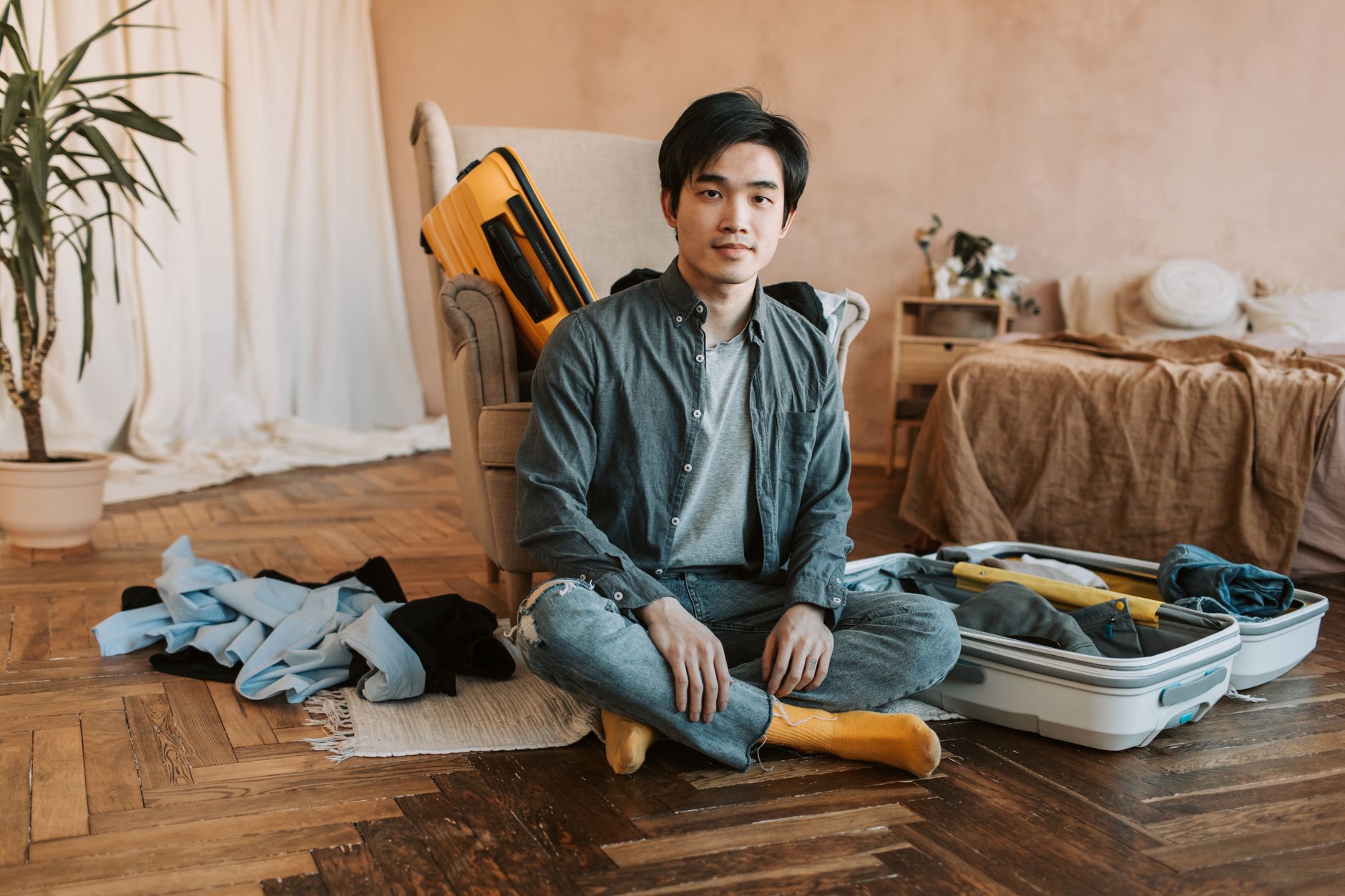
The honeymoon, that sacred post-wedding ritual of champagne sunsets and hotel room solitude, is being overthrown. In its place: the friendmoon, where newlyweds pack their closest friends, siblings, even college roommates into villas, yachts, and all-inclusive resorts for what amounts to an extended destination bachelor party—except now everyone's invited and someone's technically married.
What started as a pandemic-era workaround—couples who eloped wanting to celebrate with their people afterward—has calcified into a full cultural shift. The reasoning varies: weddings are too short, friends are scattered globally, why waste prime vacation days on just two people? But underneath the logistical justifications sits something more uncomfortable: a generation that finds traditional romantic exclusivity slightly… awkward. The friendmoon isn't just about travel. It's about redefining what intimacy looks like when your spouse isn't necessarily your primary emotional infrastructure.

1. The Wedding Became Too Short for the Investment
Couples are spending an average of $30,000 on weddings that last six hours, most of which they spend greeting guests they haven't seen in years. The friendmoon extends the celebration into something guests actually remember—and newlyweds actually enjoy. It's less about romance and more about ROI: if you're going to marshal this many people, you might as well get a full week out of it. The wedding industry created this problem by inflating expectations; couples are solving it by rejecting the premise that marriage begins in isolation.
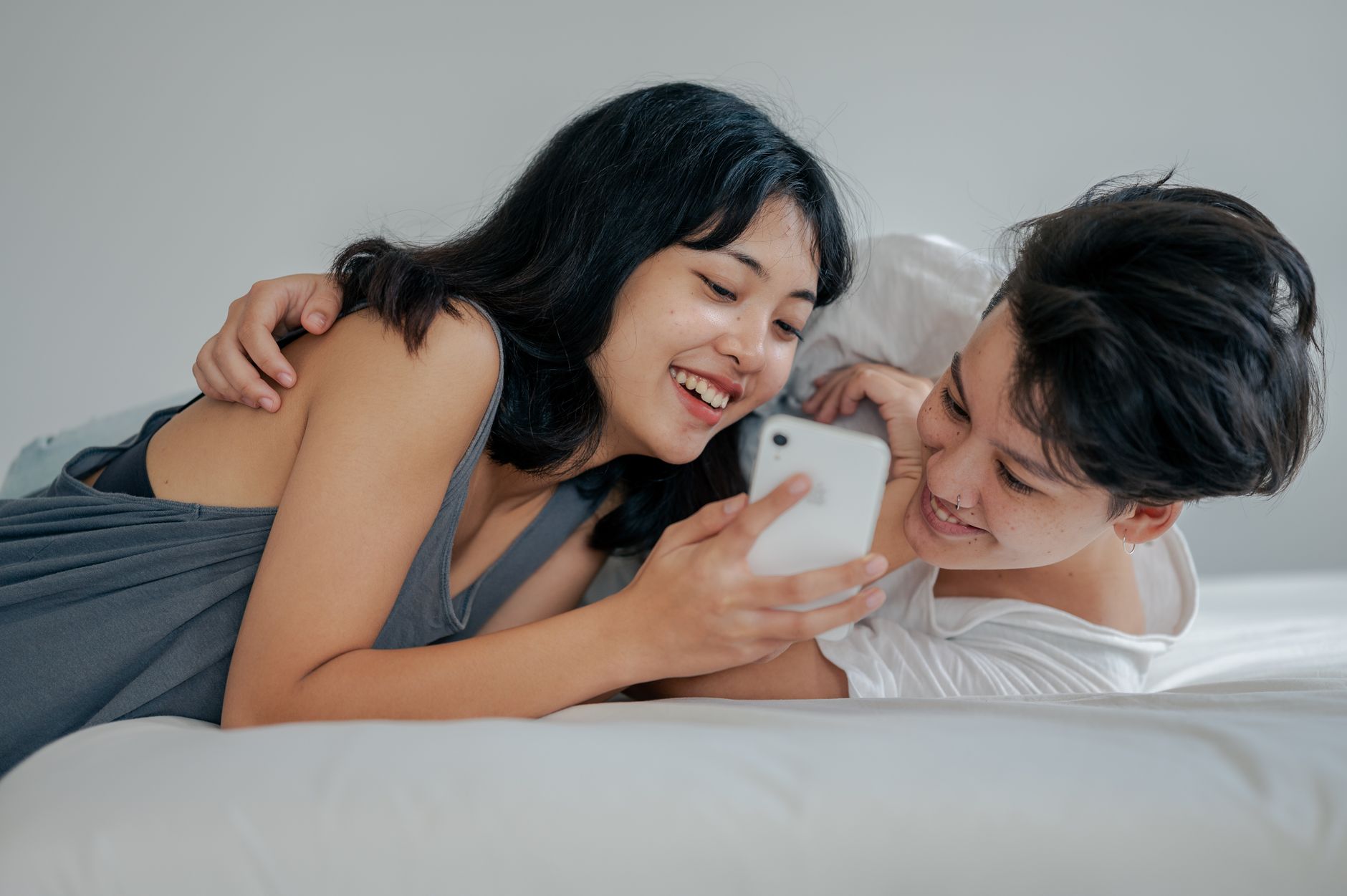
2. Millennials and Gen Z Prioritize Friendship Over Traditional Romance
Younger generations increasingly view their friend groups as chosen family—often more reliable than romantic partners, certainly more permanent than the 50% of marriages that end in divorce. The friendmoon reflects this value system: why should the wedding be the last time this group is together, rather than the first trip of many? Romance is nice; community is essential. This isn't cynicism about marriage—it's pragmatism about where emotional support actually lives.
3. Social Media Made Private Moments Perform Poorly
A couple alone on a beach generates decent content. Eight people recreating a music video in matching robes generates viral content. The friendmoon is optimized for digital documentation in ways traditional honeymoons aren't—more cast members, more angles, more proof that your life is the aspirational adventure everyone wishes theirs could be. Privacy doesn't photograph well. Groups do. The algorithm has spoken, and newlyweds are listening.
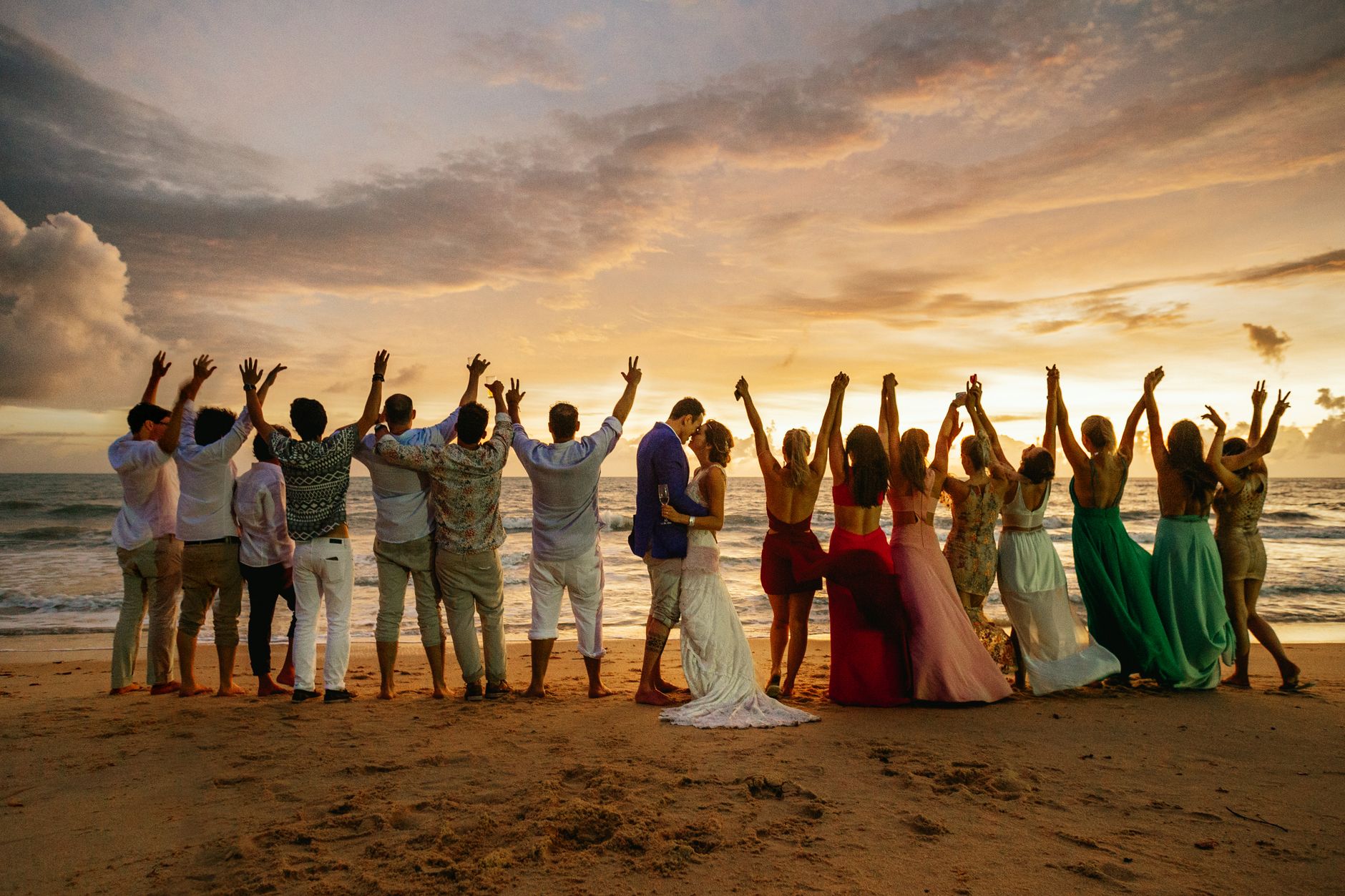
4. Destination Weddings Already Normalized Group Travel Dynamics
Once you've asked thirty people to fly to Tulum for your wedding weekend, asking ten of them to stay for another week isn't much of a leap. Destination weddings blurred the line between ceremony and vacation, and the friendmoon erases it entirely. Guests are already there, they've already requested time off, and splitting a Croatian yacht eight ways is cheaper than two people booking separate hotel rooms in Santorini. Economics and logistics are flattening what used to be sacred distinctions.

5. The Honeymoon Suite Has Been Replaced by the Villa Rental
Airbnb and Vrbo normalized large-group travel infrastructure in ways hotels never could. A villa with eight bedrooms, a private chef, and a pool costs less per person than a boutique hotel honeymoon suite—and comes with a full itinerary of group activities. The accommodation itself has shifted from romantic hideaway to social hub. Hotels catered to couples; home rentals cater to tribes. The architecture of travel has changed, and behavior follows space.
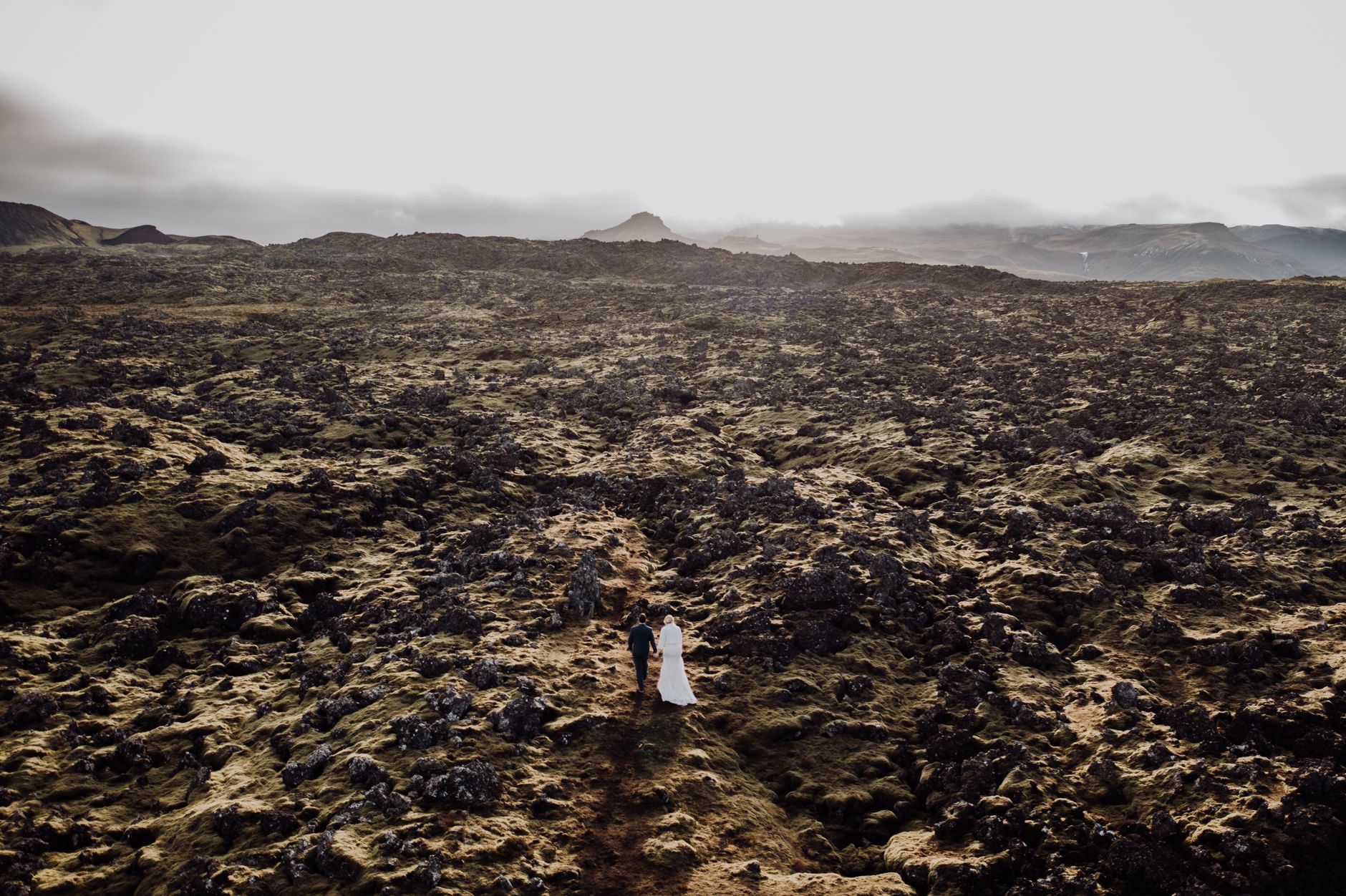
6. Pandemic Elopements Created the Template
Thousands of couples who eloped during COVID—choosing courthouses or backyard ceremonies over postponed receptions—still wanted to celebrate. The solution: bring friends on a post-wedding trip that felt like the party they'd missed. What began as a pandemic compromise became a blueprint. Younger couples watched and thought, why are we doing this in the old order at all? The elopement-plus-friendmoon model offers intimacy when it matters and community when it's fun, without the $30K reception bill.
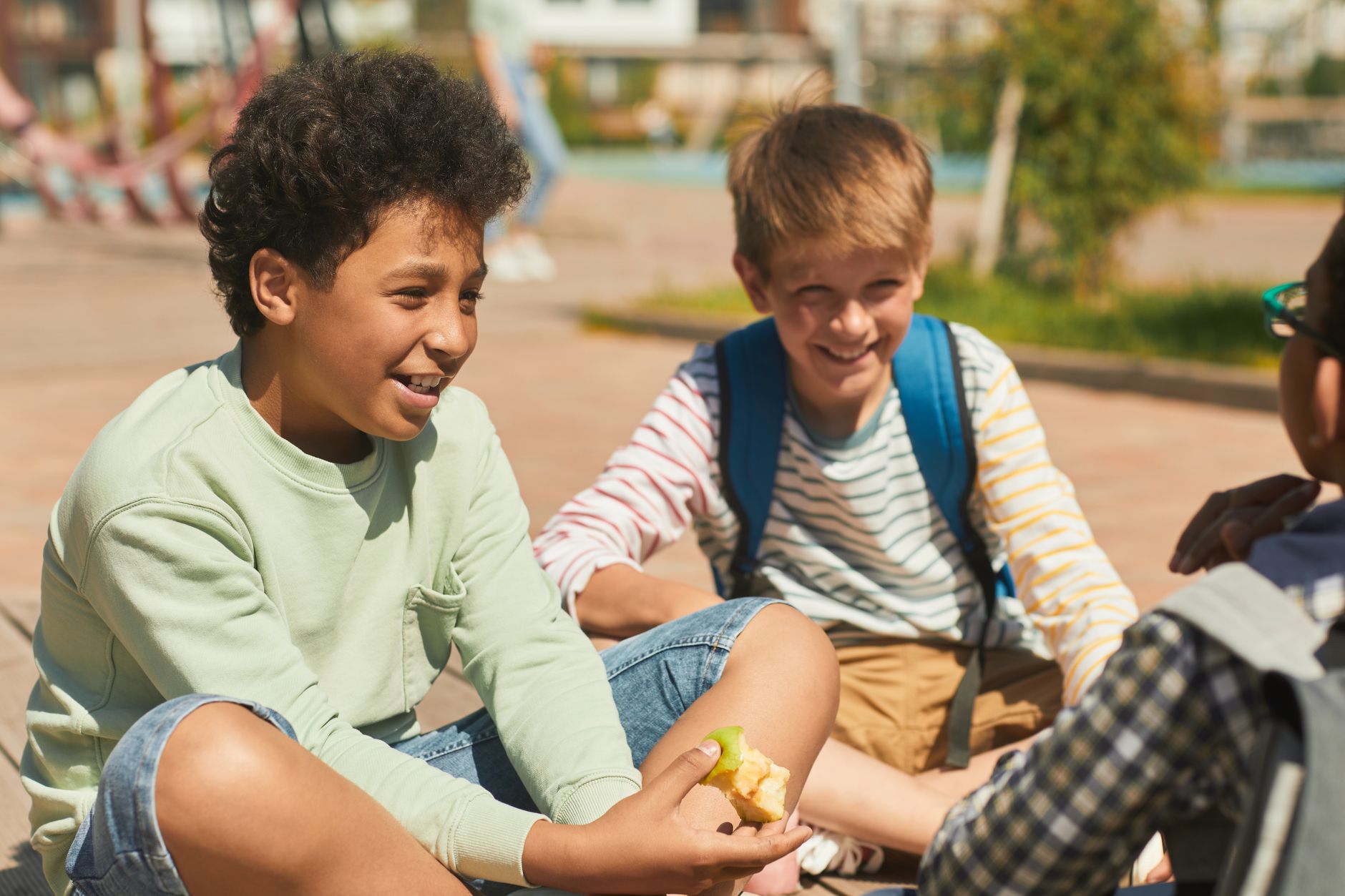
7. The Friendship Recession Made Group Time Feel Urgent
American adults report having fewer close friends than any prior generation, with the average down to three or four. Seeing those friends requires deliberate orchestration—weddings and friendmoons are increasingly the only times scattered networks physically gather. The newlyweds aren't prioritizing friends over each other; they're recognizing that without deliberate rituals, these relationships dissolve into group chats and annual brunches. The friendmoon isn't indulgent. It's preventative maintenance for social infrastructure that's already crumbling.
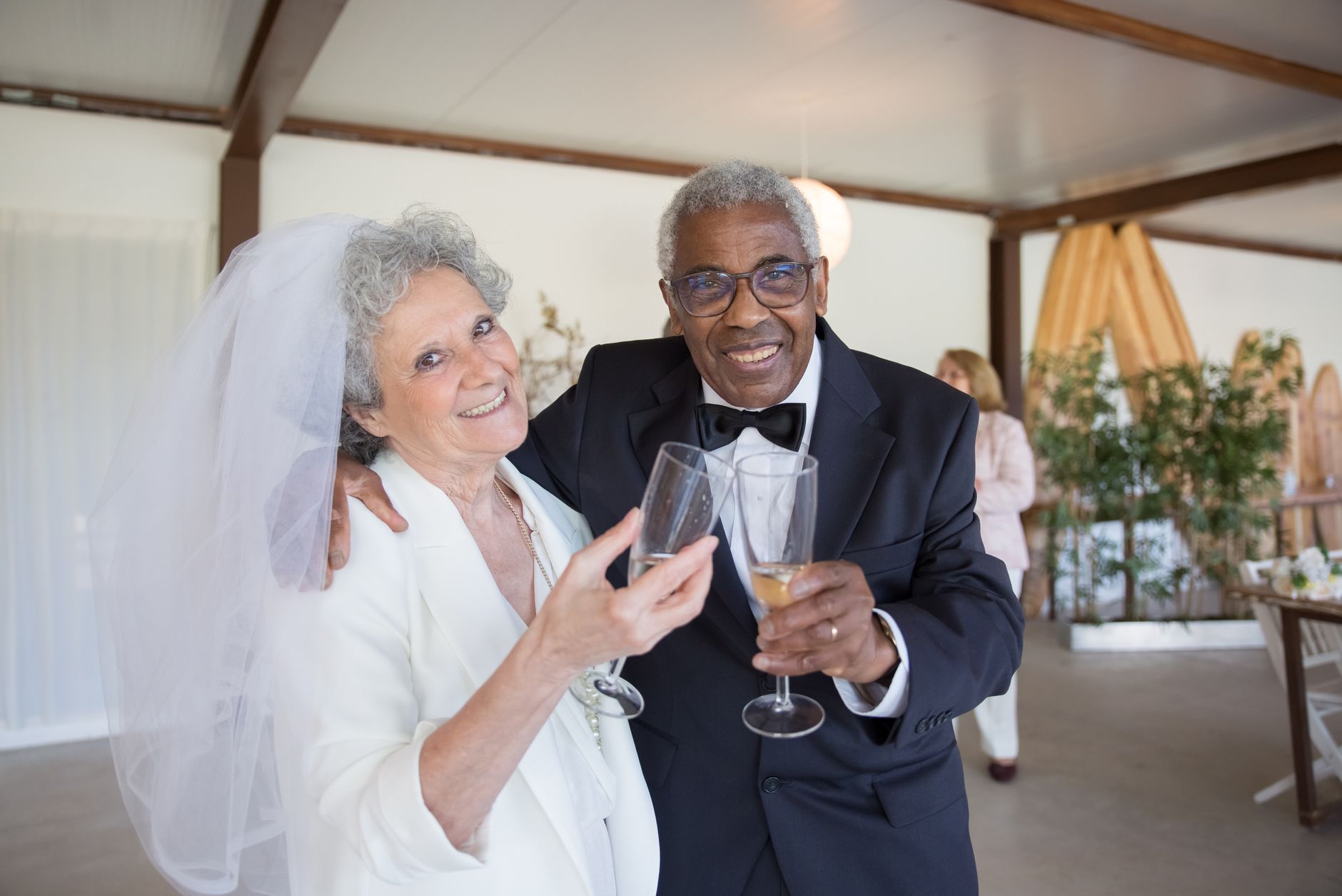
8. Marriage Is No Longer the Defining Adult Transition
For previous generations, marriage marked a clear break: you left your single life and entered coupledom, often in a different city or tax bracket. Today, people marry later, often live together first, and don't view the wedding as a dramatic transformation. The honeymoon-as-romantic-escape made sense when marriage meant leaving your old life behind. The friendmoon makes sense when marriage is just one milestone among many, and your people are coming with you regardless. The ritual changed because the transition itself has dissolved.
- 1. The Wedding Became Too Short for the Investment
- 2. Millennials and Gen Z Prioritize Friendship Over Traditional Romance
- 3. Social Media Made Private Moments Perform Poorly
- 4. Destination Weddings Already Normalized Group Travel Dynamics
- 5. The Honeymoon Suite Has Been Replaced by the Villa Rental
- 6. Pandemic Elopements Created the Template
- 7. The Friendship Recession Made Group Time Feel Urgent
- 8. Marriage Is No Longer the Defining Adult Transition