The front door—that aspirational first impression, the wreath-worthy threshold—has become architecture's most expensive fiction. We park in garages, haul groceries through mudrooms, and reserve the ceremonial entrance for UPS. Now architects are catching up to what we've been doing for years: ignoring it entirely.
The newest luxury homes are quietly eliminating the front door as we know it, replacing performative formality with circulation that matches how people actually live. It's not laziness. It's spatial honesty.
The Garage Is the Real Entrance
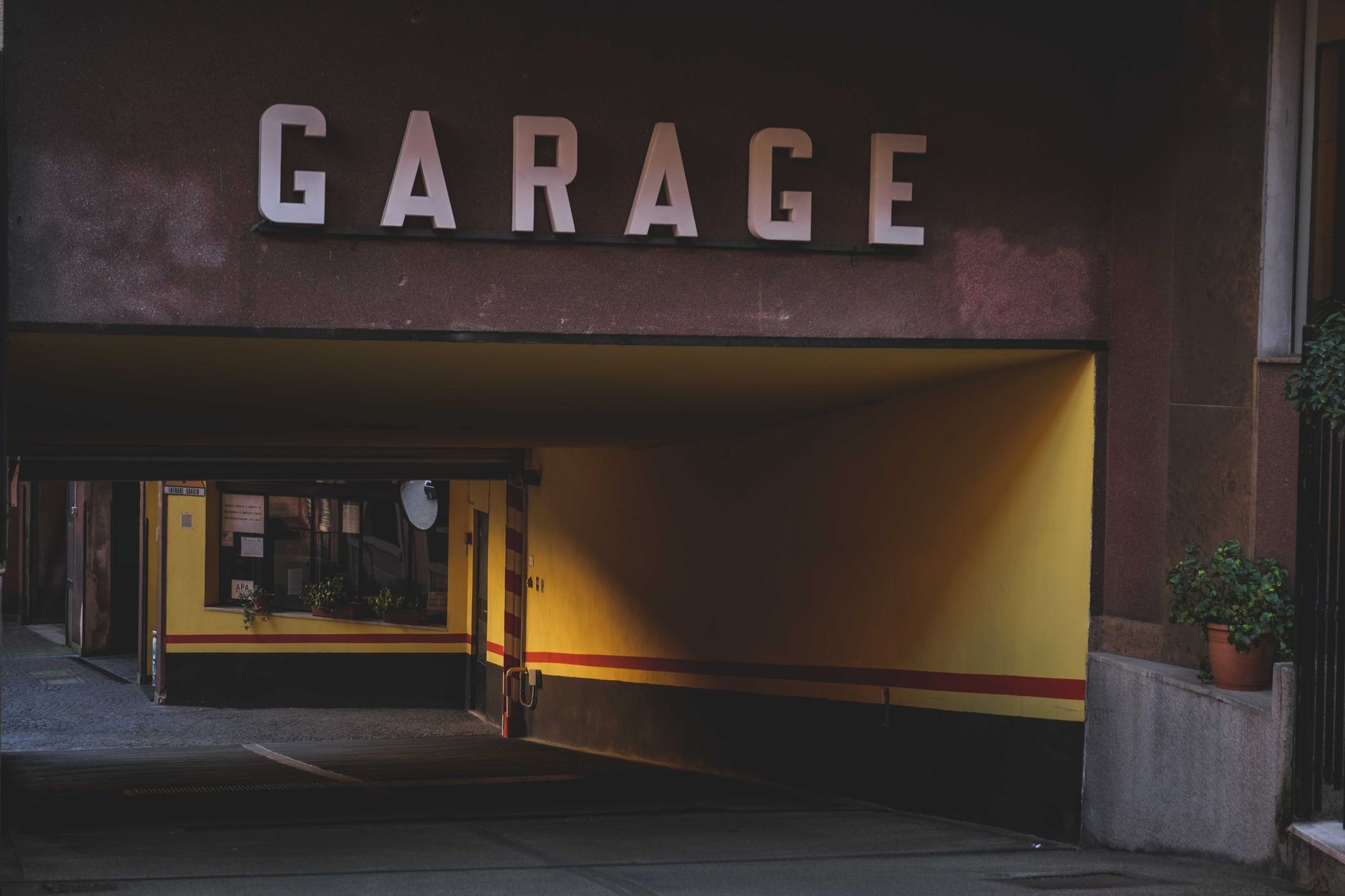
Eighty percent of homeowners enter through their garage, making the front door decorative theater. High-end architects are finally designing for this reality, creating garage-adjacent zones with built-in storage, seating, and transitions that don't feel like service corridors. The garage entrance is no longer the "back way"—it's the primary threshold, and it's getting the design attention it deserves.
Formal Living Rooms Killed the Front Door
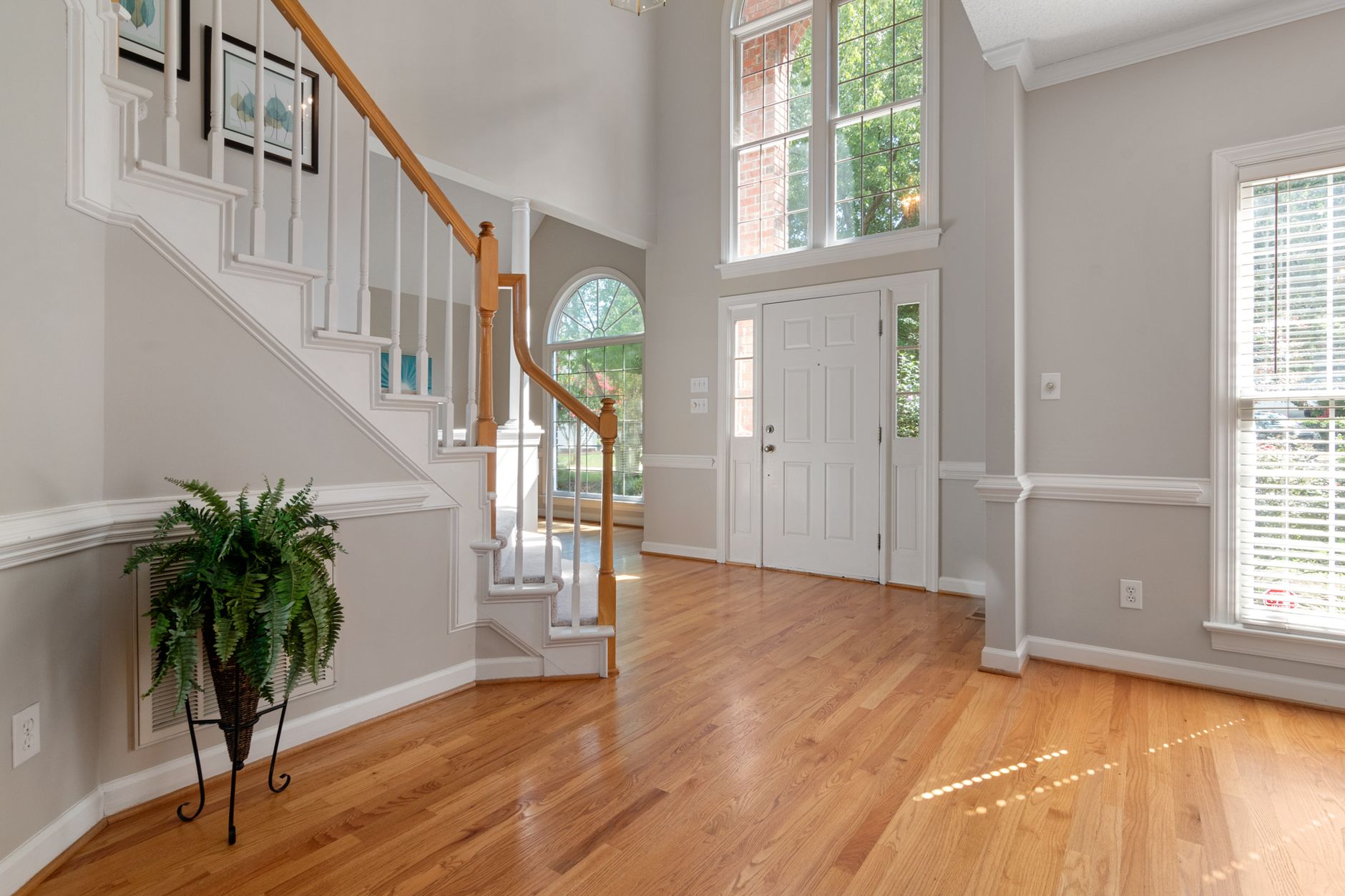
The traditional front door dumps you into a formal living room nobody uses—a spatial arrangement that made sense when we received callers in parlors. Open floor plans eliminated these ceremonial buffer zones, making the front entrance awkward and redundant. Without a formal room to "announce," the front door lost its narrative purpose. Houses now orient around kitchen-centered living, and the paths that lead there aren't through a foyer.

Privacy Beats Curb Appeal
A prominent front door broadcasts your comings and goings to the street—an increasingly undesirable vulnerability. New builds are rotating the "front" to interior courtyards or side entries, treating the street-facing facade as a privacy screen rather than a welcoming gesture. This isn't antisocial; it's spatial self-preservation. The real entrance faces inward, toward controlled access and intentional arrival.

Delivery Culture Needs Different Architecture
Front porches now function as holding zones for Amazon boxes, not people. Forward-thinking designs are incorporating secured package rooms, app-connected drop boxes, and separate delivery access points that don't require exposing your main entrance multiple times daily. The doorbell camera watches a door you never open. That contradiction is finally influencing floorplans.

Single-Point Entry Is More Intentional
Some architects are collapsing all entry points into one highly designed threshold that serves every function—daily life, guests, deliveries—without pretense. No "good door" versus "real door" hypocrisy, just an honest acknowledgment of how circulation actually works. This approach treats entry as a curated experience rather than a social performance, and it makes houses feel less like stage sets. One perfect door instead of two lies.