The Eiffel Tower selfie is dead. So is the bucket list, that aspirational document of places you're supposed to visit before you die—a concept as quaint now as a printed boarding pass. Gen Z doesn't travel to check boxes. They travel to manufacture narrative, curate proof of personhood, and extract content from every cobblestone.
What's emerging isn't just a new style of travel. It's a fundamental rewiring of why people leave home at all. Destinations have become backdrops. The experience—granular, Instagrammable, algorithmically optimized—is the entire point. Here are five ways this generation has rewritten the rules.

Micro-adventures Replace Monument-Chasing
Forget the Colosseum. Gen Z would rather spend three hours in a Tokyo knife shop or take a fermentation class in Copenhagen than sprint through the Louvre. These travelers are hunting specificity over scale, depth over breadth. A weekend learning to make natural dye in rural Portugal has more social currency than two weeks racing through Europe's greatest hits. The shift reflects a broader rejection of prescribed cultural capital—why should someone else's list dictate your itinerary?

Chaos Tourism Is the New Luxury
The most coveted travel stories now involve things going wrong—missed trains that lead to unexpected festivals, language barriers that force genuine connection, storms that trap you in a village for three days. Platforms like TikTok reward narrative chaos, and Gen Z has internalized that smooth, frictionless travel makes for boring content. They're actively seeking out situations that require improvisation, because the plot twist is more valuable than theplan. Controlled unpredictability has become its own aesthetic.

Hyper-Local Obsessions Over Country-Hopping
Instead of seven countries in ten days, Gen Z is spending a month in one neighborhood. They're frequenting the same café until the barista knows their order, shopping at markets where no one speaks English, embedding themselves in a single postal code. This isn't slow travel in the millennial sense—it's algorithmic intimacy. The goal is to achieve temporary local status, to document the kind of access that signals you've transcended tourist categorization. Surface-level exploration reads as culturally bankrupt.
The Experience Must Photograph Like Fiction
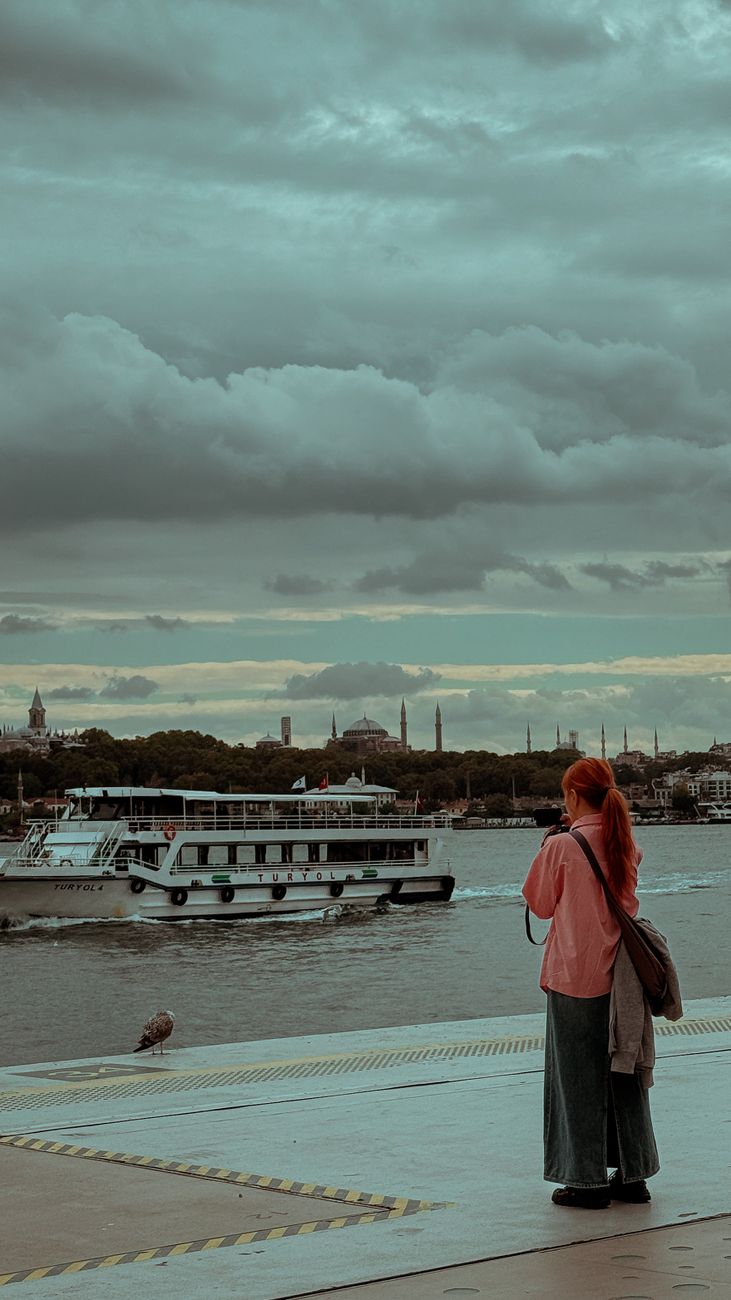
Gen Z doesn't just visit places—they art direct them. Every experience is evaluated for its visual narrative potential before booking. Can this be shot like a Wes Anderson film? Will the lighting work for a photo carousel? Does this activity translate into a story structure that holds attention? Travel has become a form of self-portraiture, where the destination is merely a set and the traveler is simultaneously director, subject, and editor. If it doesn't render into compelling visual syntax, it didn't happen.
Collecting Subcultures, Not Landmarks
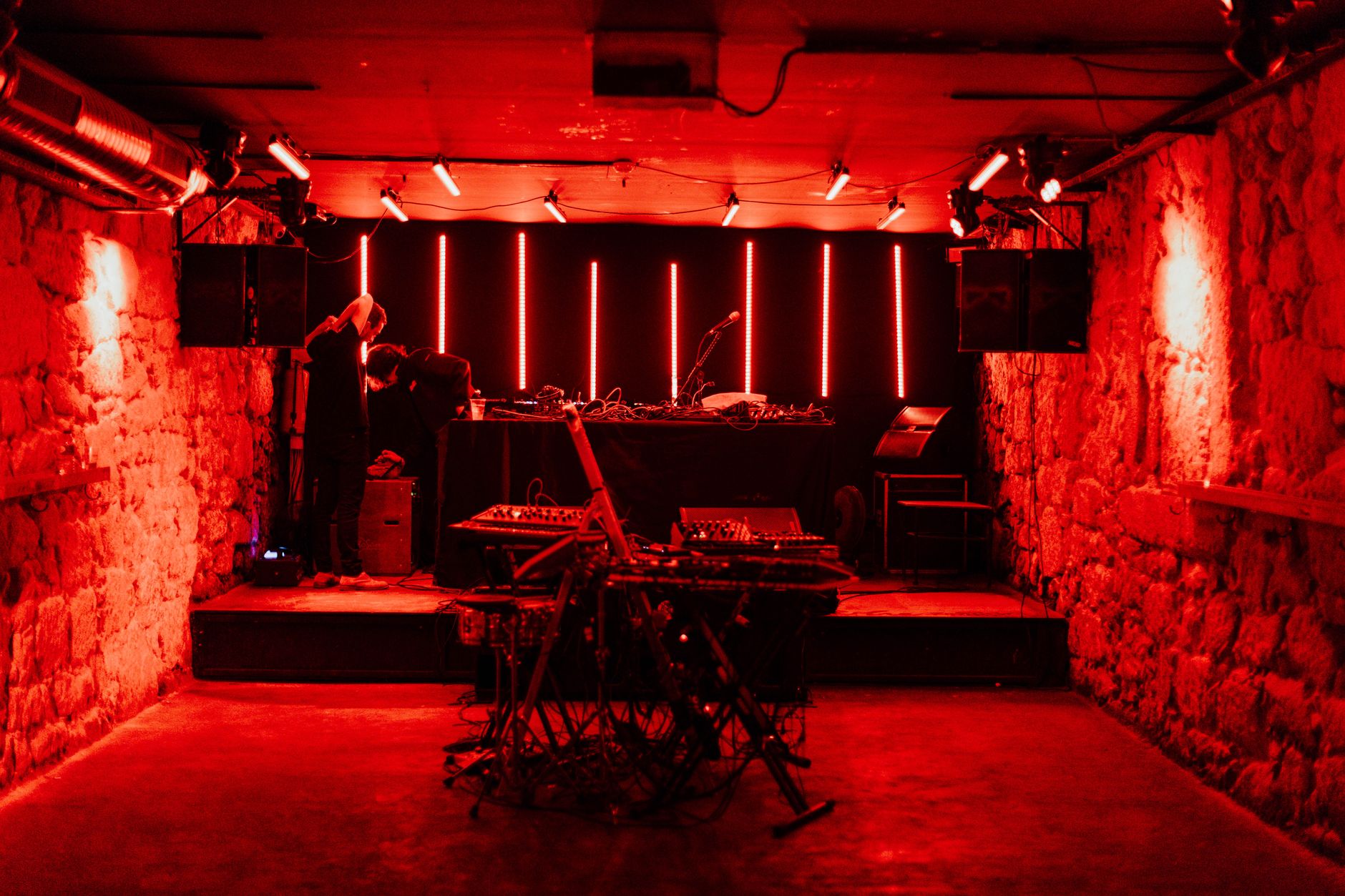
The new status symbol isn't having been to Machu Picchu—it's having embedded with a community no one else knows exists. Gen Z travelers are hunting underground music scenes in Lagos, skateboarding crews in Hanoi, natural wine bars in Tbilisi that don't have signs. They're treating travel as anthropological research, collecting access to subcultures the way previous generations collected snow globes. The metric of success is how untranslatable your experience is to people who haven't been there, how far outside the algorithmic recommendation you managed to venture.