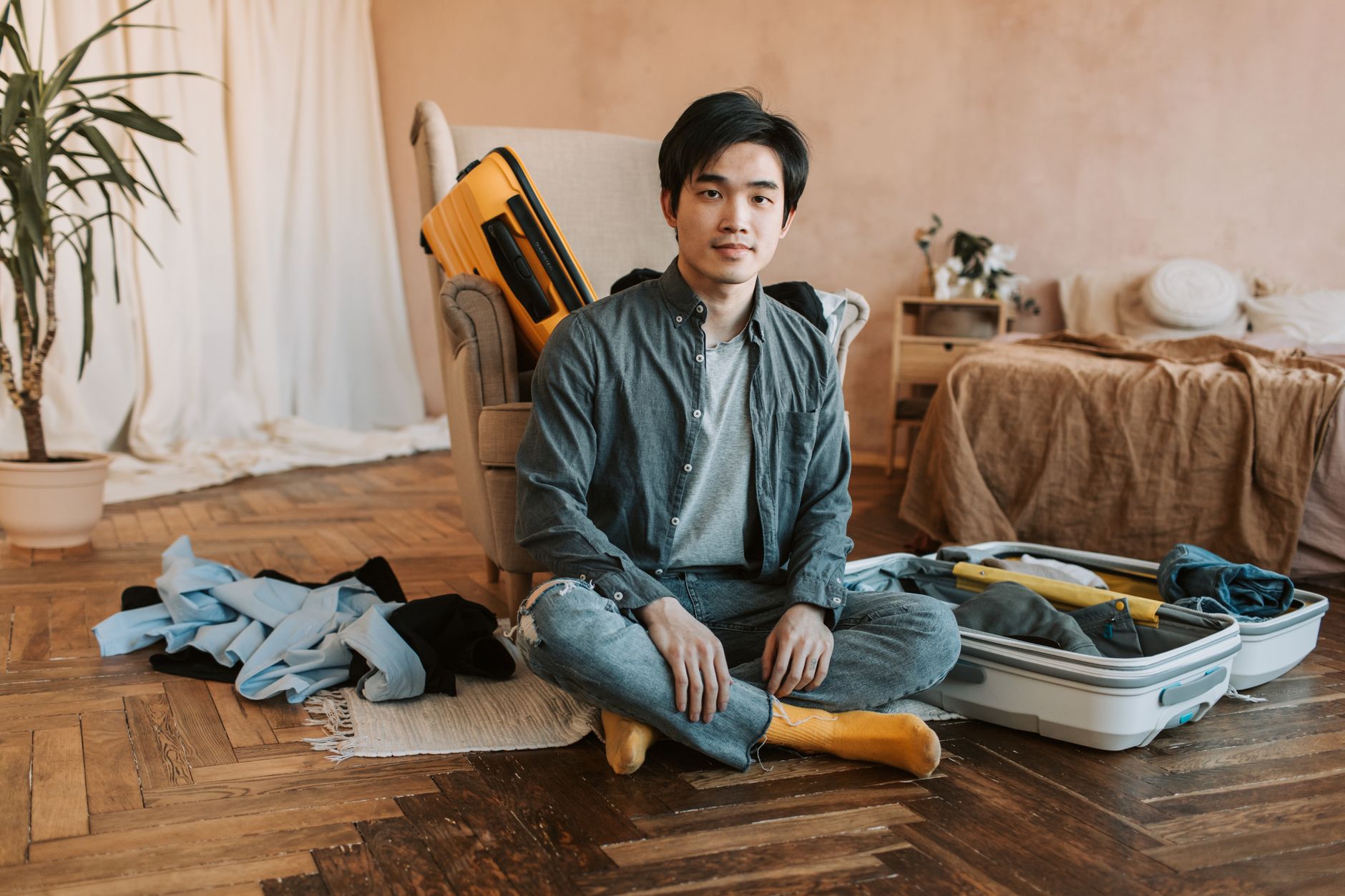
The woman in linen sitting cross-legged on a meditation cushion paid $4,500 to be here. Not for luxury—the bathroom is shared, the meals are vegan and portioned like appetizers, and her phone was confiscated at check-in. She paid for permission to be alone. The global wellness tourism market, now valued at $639 billion, has cracked the code: repackage isolation as transformation, add Sanskrit words no one can pronounce, and charge tech executives what they'd normally spend on therapy they're too busy to attend.
From Bali to Big Sur, the self-care industrial complex has turned solitude into a luxury product. What was once called loneliness now comes with a branded tote bag, adaptogenic smoothies, and an Instagram aesthetic that suggests enlightenment is just one sound bath away. Five things happening as wellness retreats perfect the business model of selling you back to yourself.
Silence has a price tag, and it's surge pricing
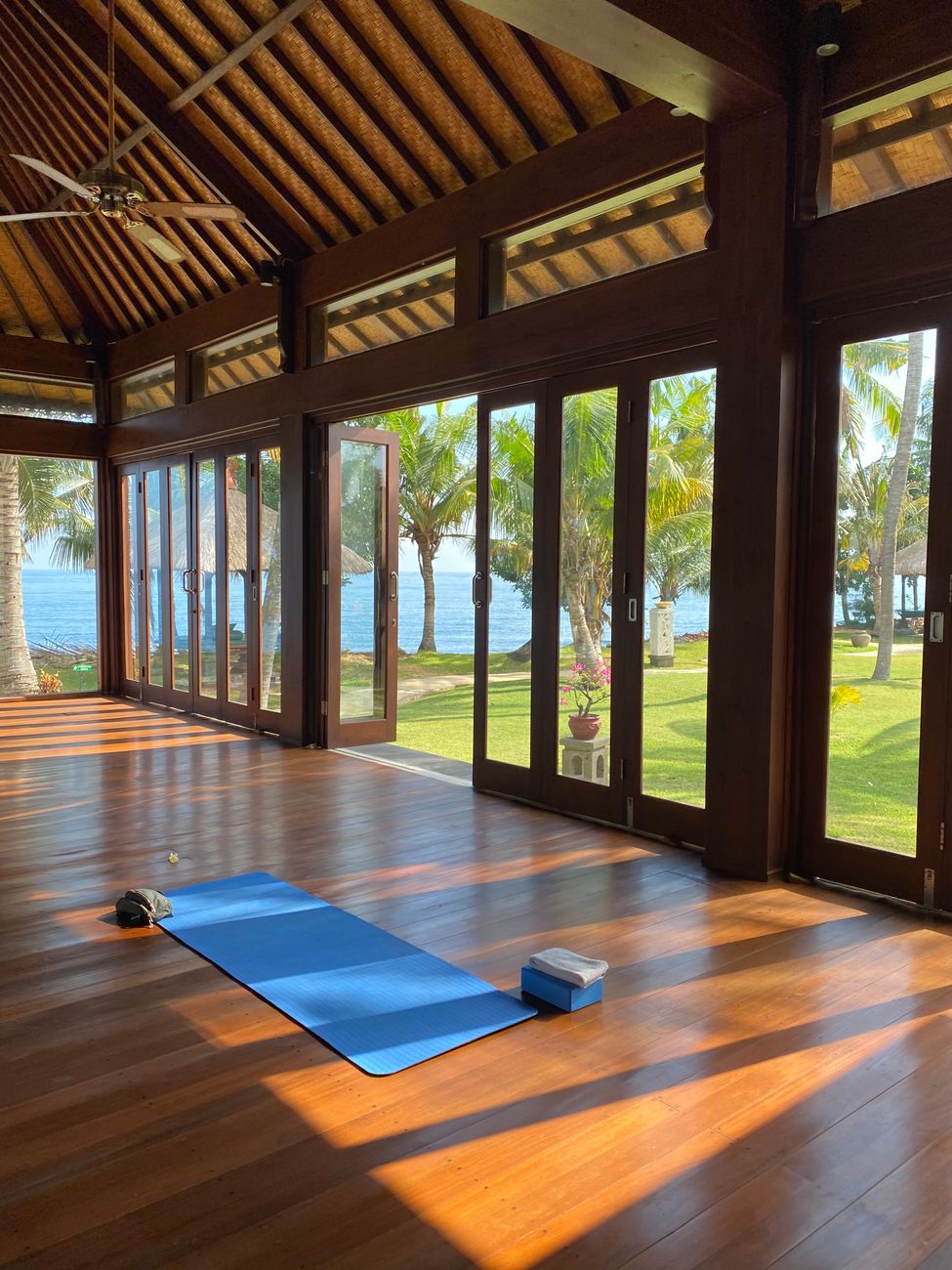
Digital detox packages start at $800 per night at properties where Wi-Fi deprivation is positioned as radical self-care rather than, say, turning off your phone for free. The Miraval Arizona Resort charges $639 nightly for what amounts to enforced boredom with better thread counts. Facilities have realized that burned-out professionals will pay exponentially more for structured nothing than actual amenities, creating a hospitality model where less is literally more expensive. The quiet isn't spiritual—it's a billable service.

Your emotional labor is now someone else's business plan
Retreat programming has industrialized introspection: 90-minute "breakthrough sessions" guided by life coaches whose credentials are as verifiable as their enlightenment. These scheduled vulnerability blocks—journaling circles, sharing ceremonies, carefully facilitated crying—turn inner work into a group activity with assigned seating. The irony compounds when you realize you're paying $400 an hour for someone to watch you have feelings you could have had alone, in your apartment, without an audience or a feedback form.

Loneliness rebranded as luxury looks suspiciously like isolation
Private villas with "no human contact" packages and silent dining rooms aren't selling connection—they're selling aesthetic solitude. The difference between loneliness and a wellness retreat is approximately $3,000 and whether you're photographing it for content. Facilities curate isolation with the precision of a film set: perfectly placed meditation cushions, strategically lone figures at golden hour, visual proof that being alone is aspirational when the backdrop costs six figures to maintain. It's not community—it's loneliness with better production value.
Transformation guaranteed in seven days or your burnout back
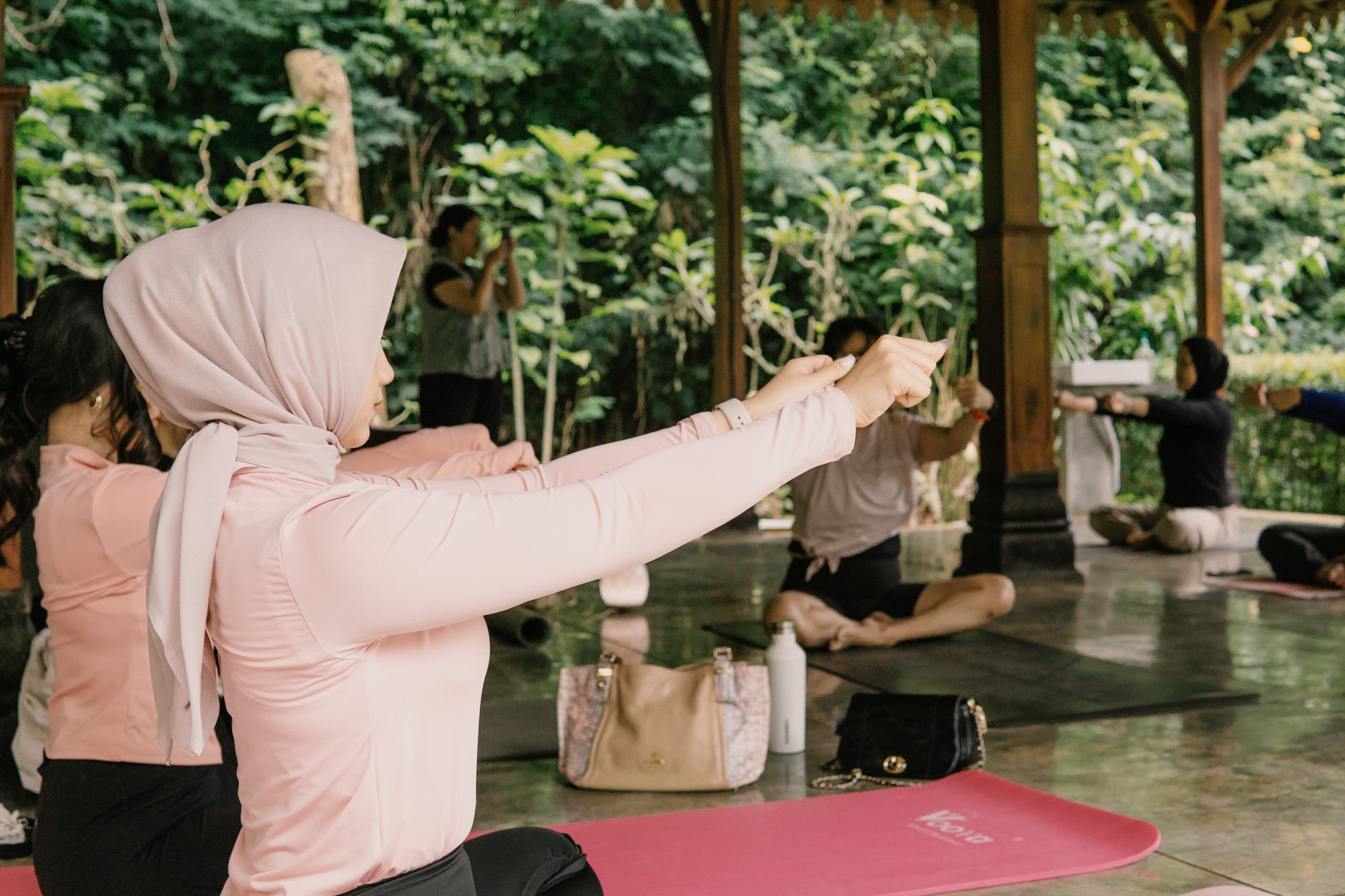
The retreat industrial complex operates on the premise that fundamental change happens on a predetermined schedule, ideally between checkout and your flight home. Seven-day programs promise to rewire decades of patterns through activities that wouldn't seem out of place at summer camp: trust falls, group hikes, arts and crafts rebranded as "creative embodiment practices." The structure isn't designed to facilitate actual transformation—it's designed to feel productive enough to justify the expense to yourself and, more importantly, to your concerned partner reviewing the credit card statement.
The real retreat is from the bills that arrive later
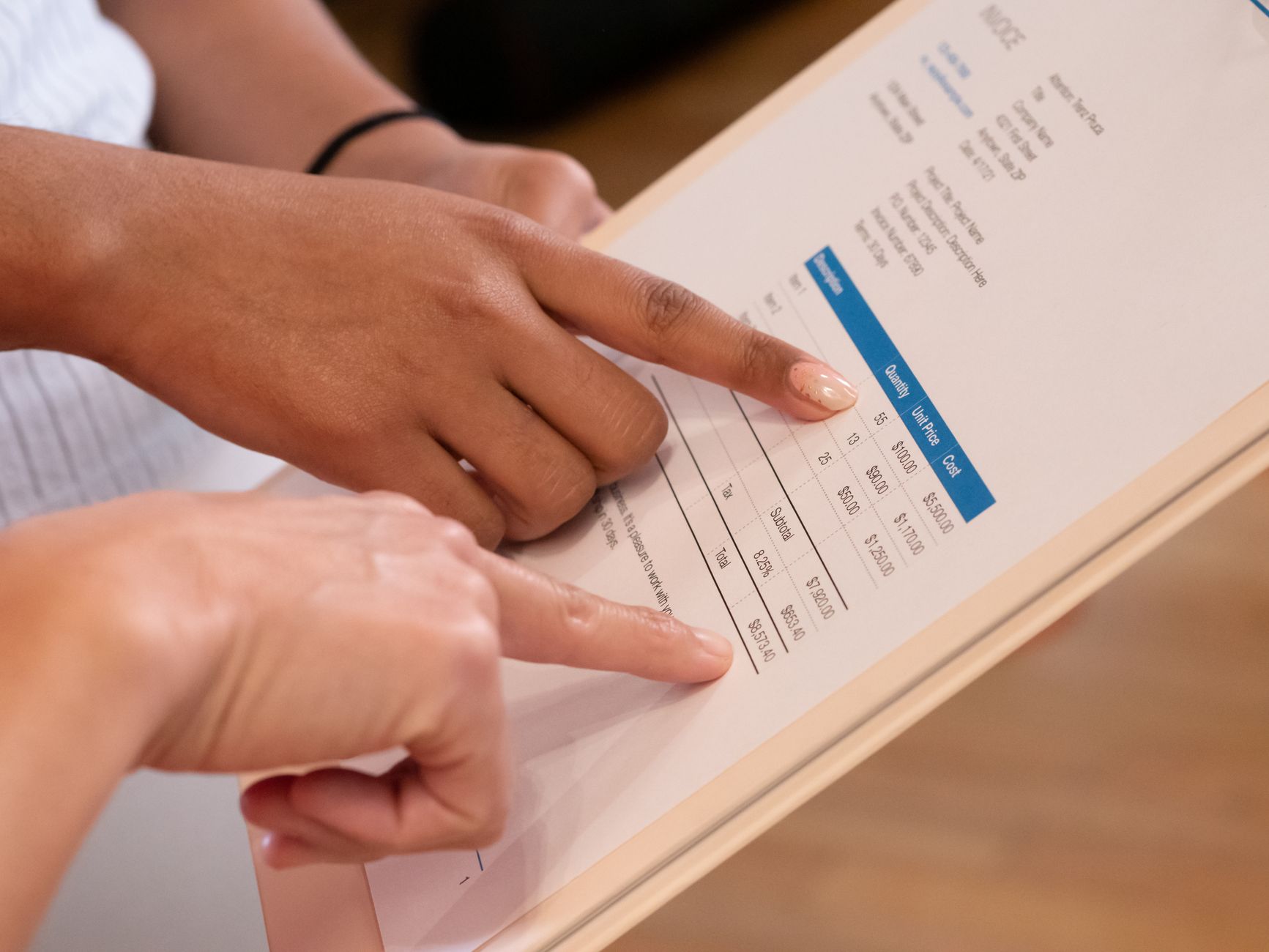
Post-retreat financial anxiety has become its own wellness crisis, yet somehow never makes it into the brochure. A week of "finding yourself" often costs more than three months of actual therapy, but therapy doesn't come with sunrise yoga or departure gift bags. The cognitive dissonance peaks when participants return home to normal life—the one they needed to escape—now with the added pressure of a five-figure expense that needs to mean something. The retreat isn't the escape. The real escape is convincing yourself it was worth it.