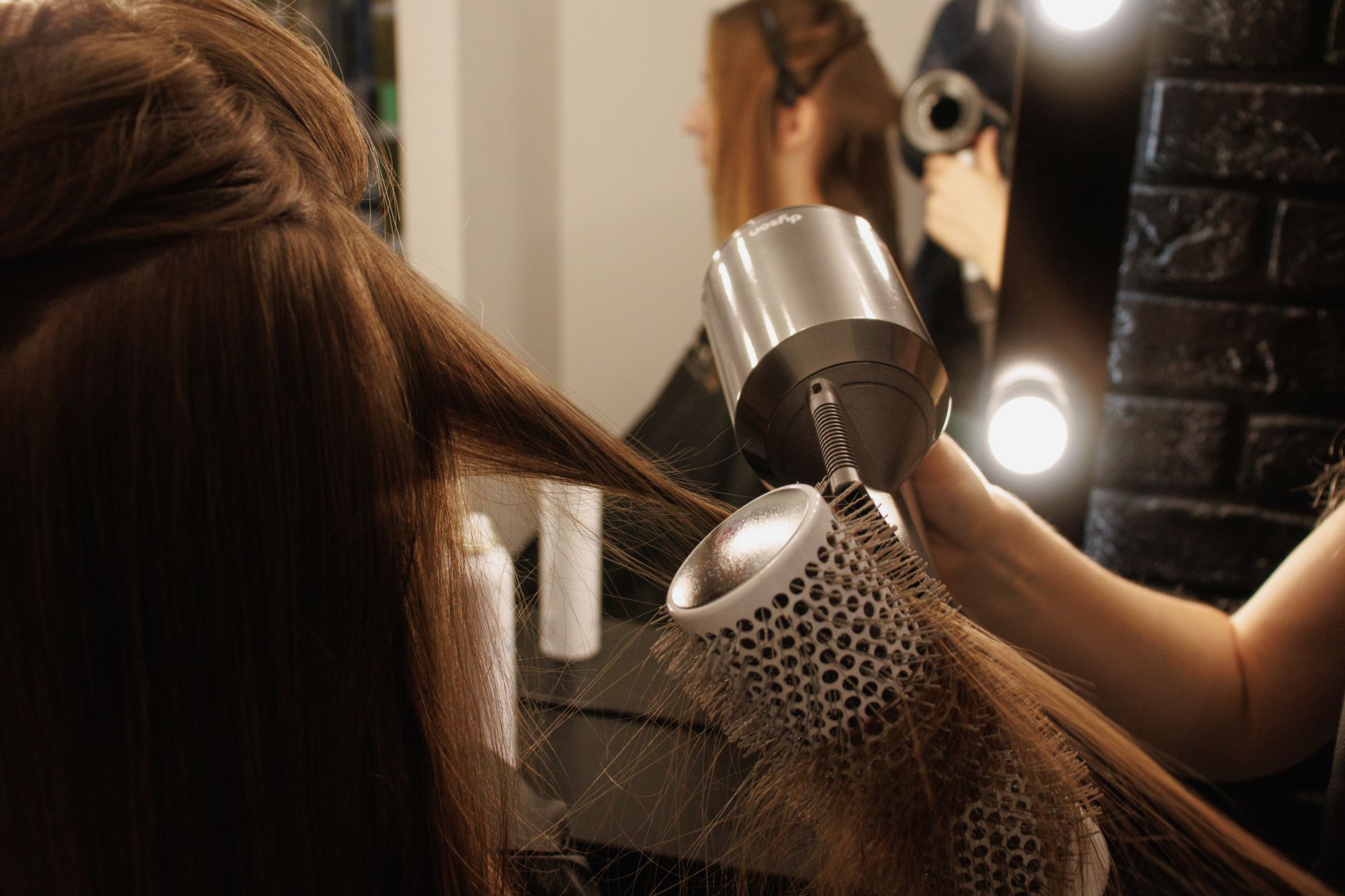
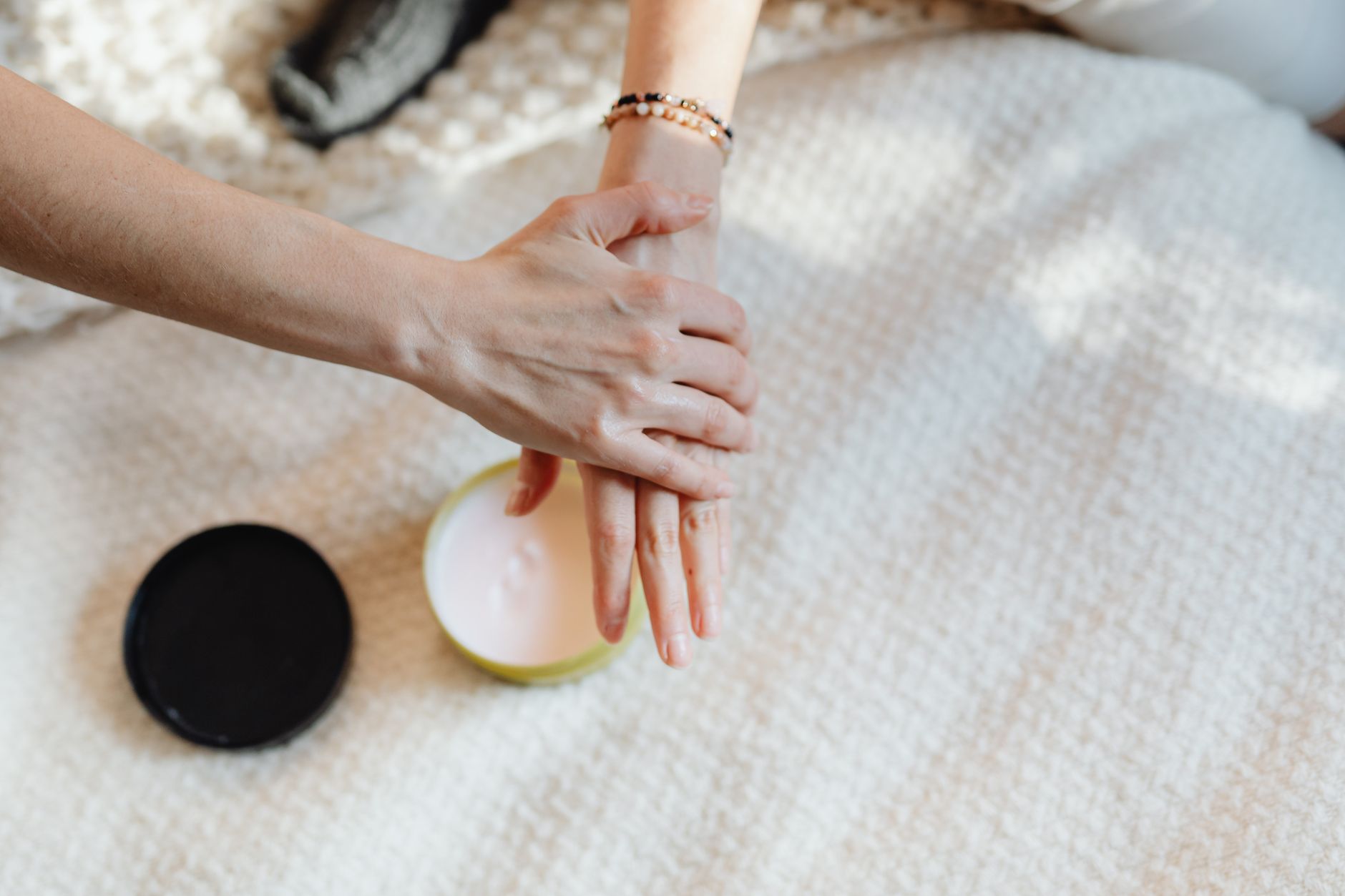
Hair oiling—the practice of massaging oil into your scalp and strands—has existed for thousands of years across South Asian, Middle Eastern, and African cultures. Then TikTok discovered it in 2023, and suddenly coconut oil became "pre-wash treatment technology."
What followed was predictable: luxury brands launched $68 "ritual oils," dermatologists issued PSAs about clogged follicles, and the original practitioners watched their family tradition get repackaged, monetized, and eventually declared passé. Here's how an ancestral practice became another trend casualty.
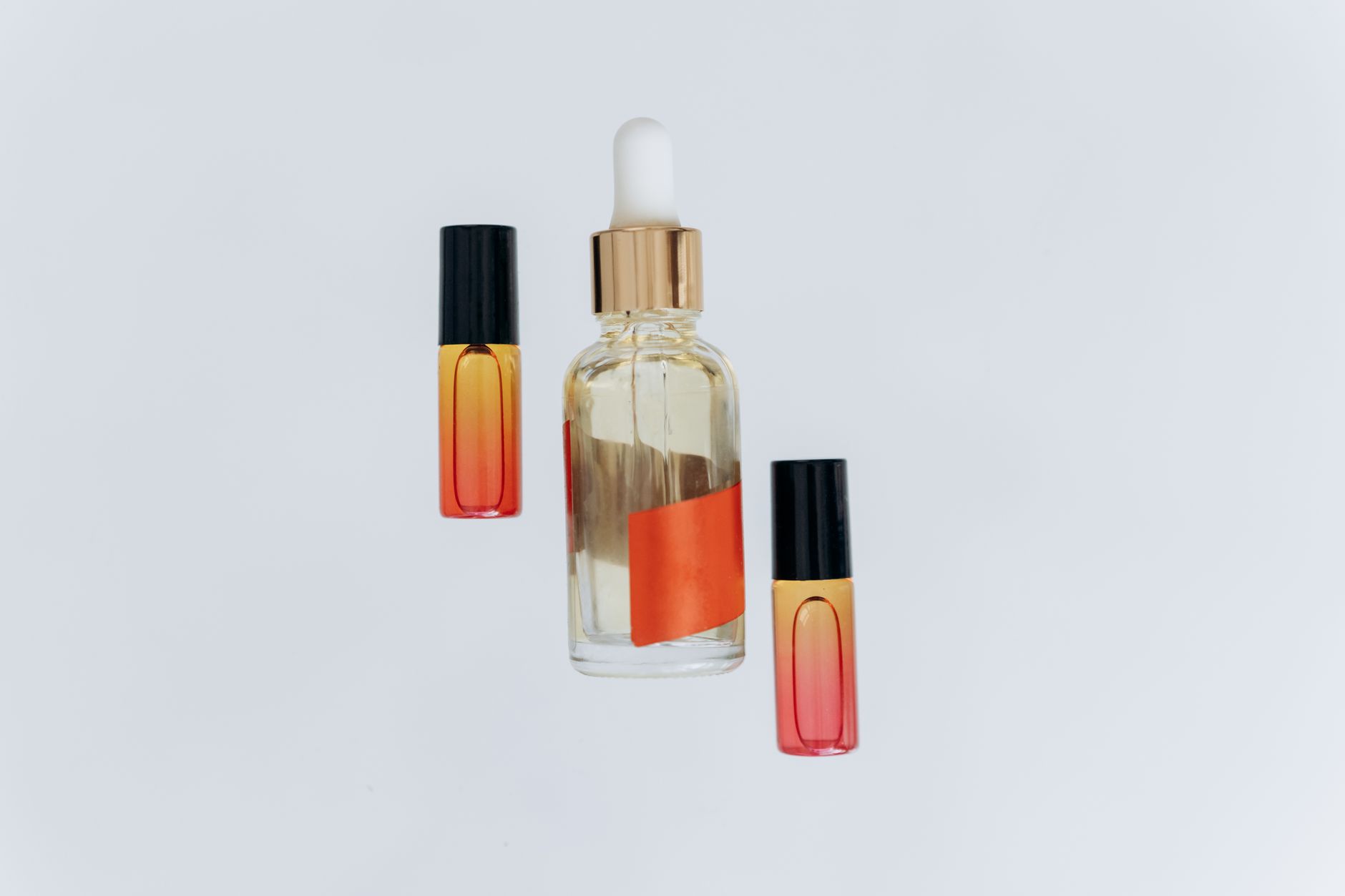
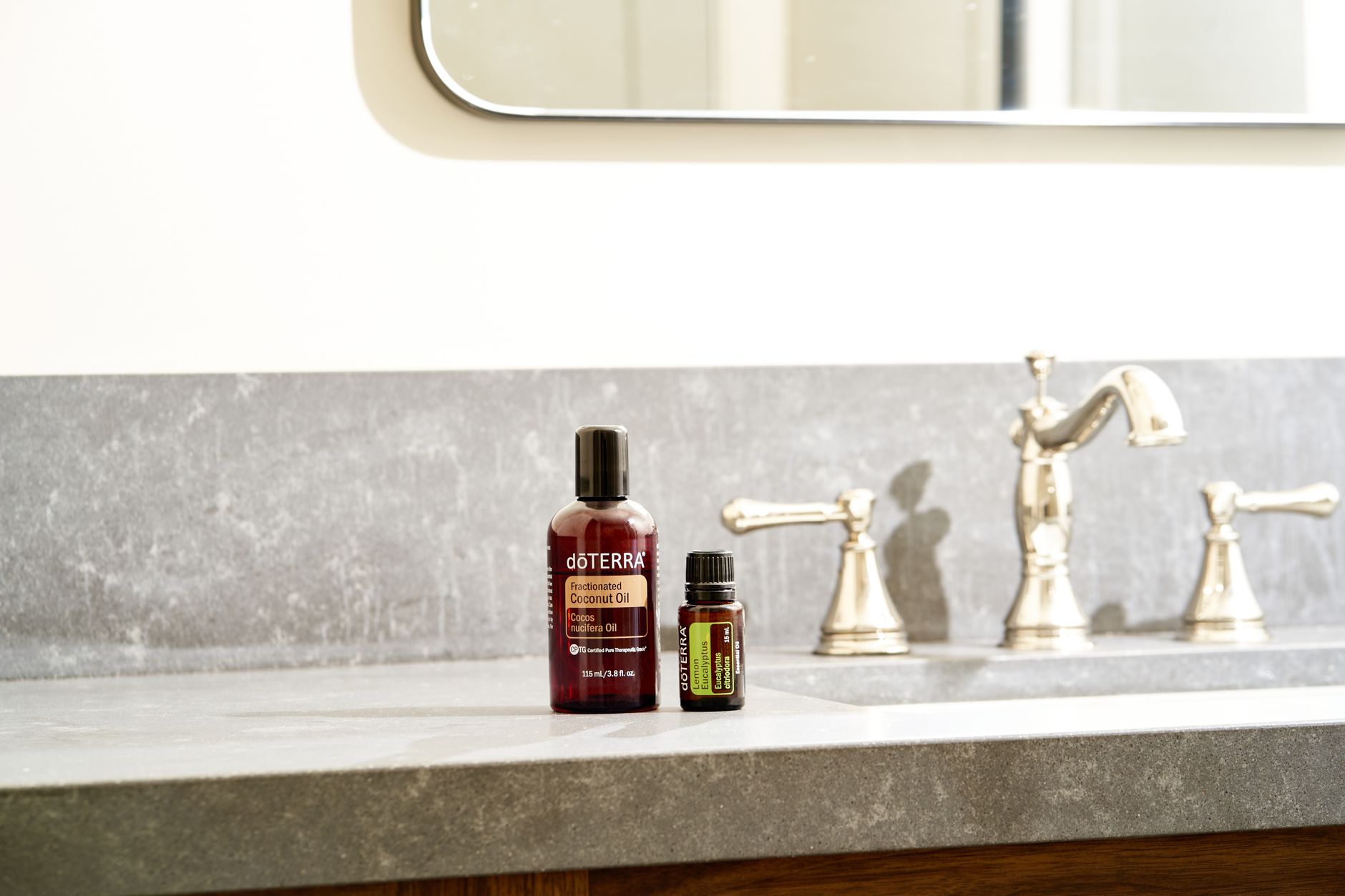
Luxury beauty rebranded grandmother's coconut oil as "scalp wellness"
Brands saw an opening and took it, launching "proprietary blends" that combined oils women have been mixing in their kitchens for generations. The difference? Frosted glass packaging, Sanskrit-adjacent names, and price points that would make your ancestors weep. Kristin Ess, Gisou, and Vegamour all released versions, each claiming to have cracked some ancient code that literally billions of people already knew.
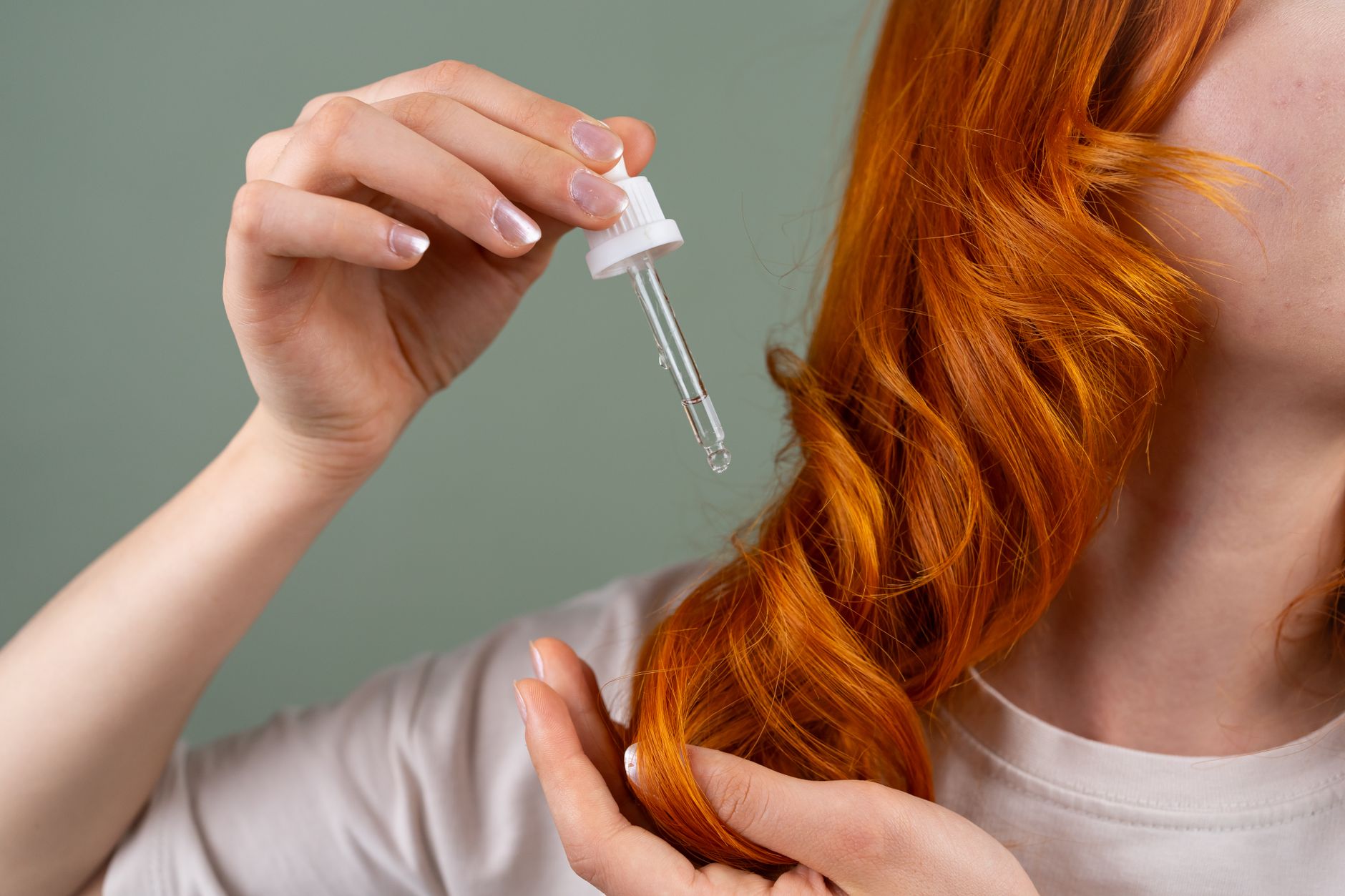
The cultural context got cropped out of every viral tutorial
Watch any hair oiling TikTok and you'll see technique divorced entirely from tradition. No mention of *champi* (Indian head massage), no acknowledgment of why this practice exists beyond "glossy hair goals." The spiritual and familial dimensions—mothers oiling daughters' hair on Sunday mornings, the meditative quality of the ritual—all edited out in favor of before-and-after slides. When culture becomes content, nuance is the first casualty.
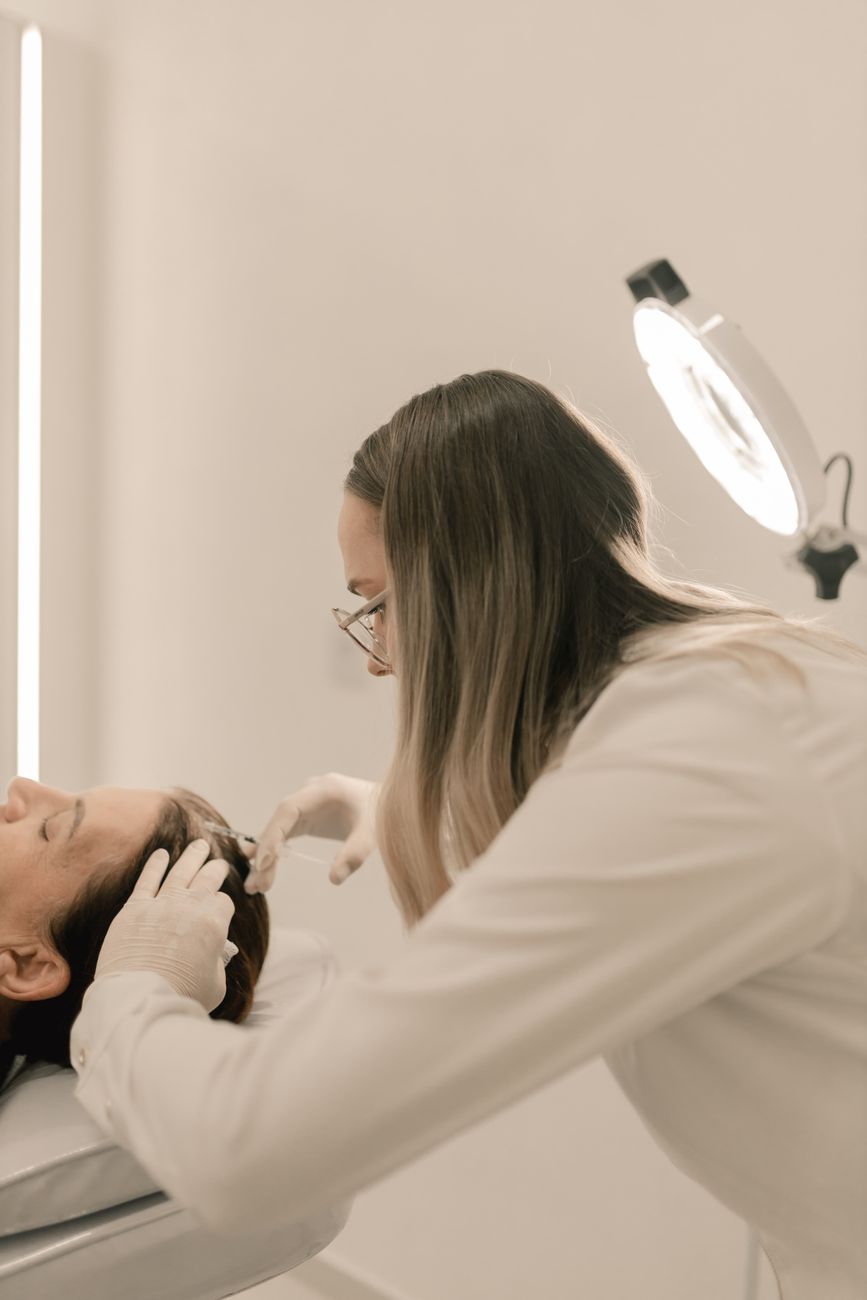
Dermatologists entered the chat with "well, actually" energy
As hair oiling reached peak saturation, the medical establishment arrived to complicate things. Derms warned about occluded follicles, seborrheic dermatitis, and the wrong oil-to-scalp-type ratios, turning a simple practice into something requiring professional consultation. Some concerns legitimate, sure, but the subtext was clear: maybe trust the white coat over the grandmother who's been doing this since 1952.
The backlash arrived faster than the trend peaked
By late 2024, the counter-narrative had already begun. "Hair oiling ruined my hair" videos accumulated millions of views, with users blaming the practice for greasiness, breakage, and unmet expectations. Never mind that most were leaving oil in for days or using motor-oil quantities. The pendulum swung hard, and suddenly the same influencers who'd evangelized oiling six months prior were denouncing it as "not for everyone"—code for "engagement is better on the critique."

Meanwhile, the original practitioners continued, unbothered
While beauty TikTok cycled through its usual adoption-saturation-rejection pipeline, South Asian, Arab, and Black women kept oiling their hair every week, just as they always had. No think pieces, no trend alerts, no wondering if it was "still in." The lesson, if anyone cared to learn it: some practices don't need Western validation to work, and treating centuries-old traditions as trends guarantees you'll misunderstand both the practice and the point.
- Luxury beauty rebranded grandmother's coconut oil as "scalp wellness"
- The cultural context got cropped out of every viral tutorial
- Dermatologists entered the chat with "well, actually" energy
- The backlash arrived faster than the trend peaked
- Meanwhile, the original practitioners continued, unbothered