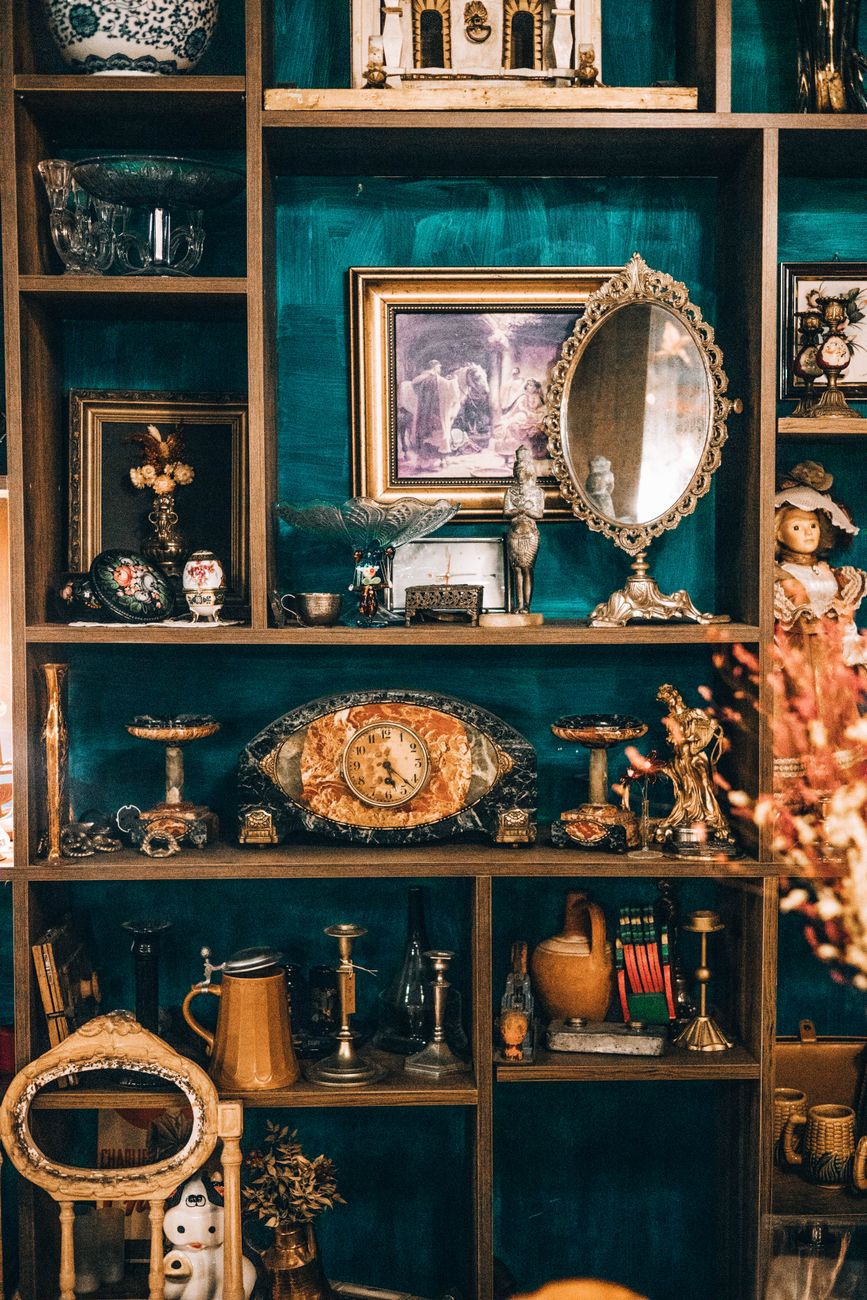
Walk into any legitimately expensive home right now and you'll notice something odd: clocks. Everywhere. Not the kind your grandmother collected, arranged in tidy formation on a mantelpiece. These are rogue agents—a 1970s Braun in the kitchen, an ornate French carriage clock in the study, a brutalist concrete disc in the bedroom. None of them remotely related.
This isn't about telling time. Your phone does that. This is about rejecting the tyranny of the matching set, the curated collection, the interior designer's safe hand. It's decorating as autobiography, and it requires the kind of confidence that only comes from never having worried about resale value.
Collections became cringe, curation became currency
The shift happened quietly. Matching anything—dishes, furniture, decorative objects—started reading as trying too hard, or worse, as evidence you'd hired someone to try on your behalf. The new flex is the edit: each clock chosen for its own merit, its own story, its own refusal to play nicely with its neighbors. It's the visual equivalent of being interesting at dinner parties without rehearsing.
Time became the last analog ritual worth keeping
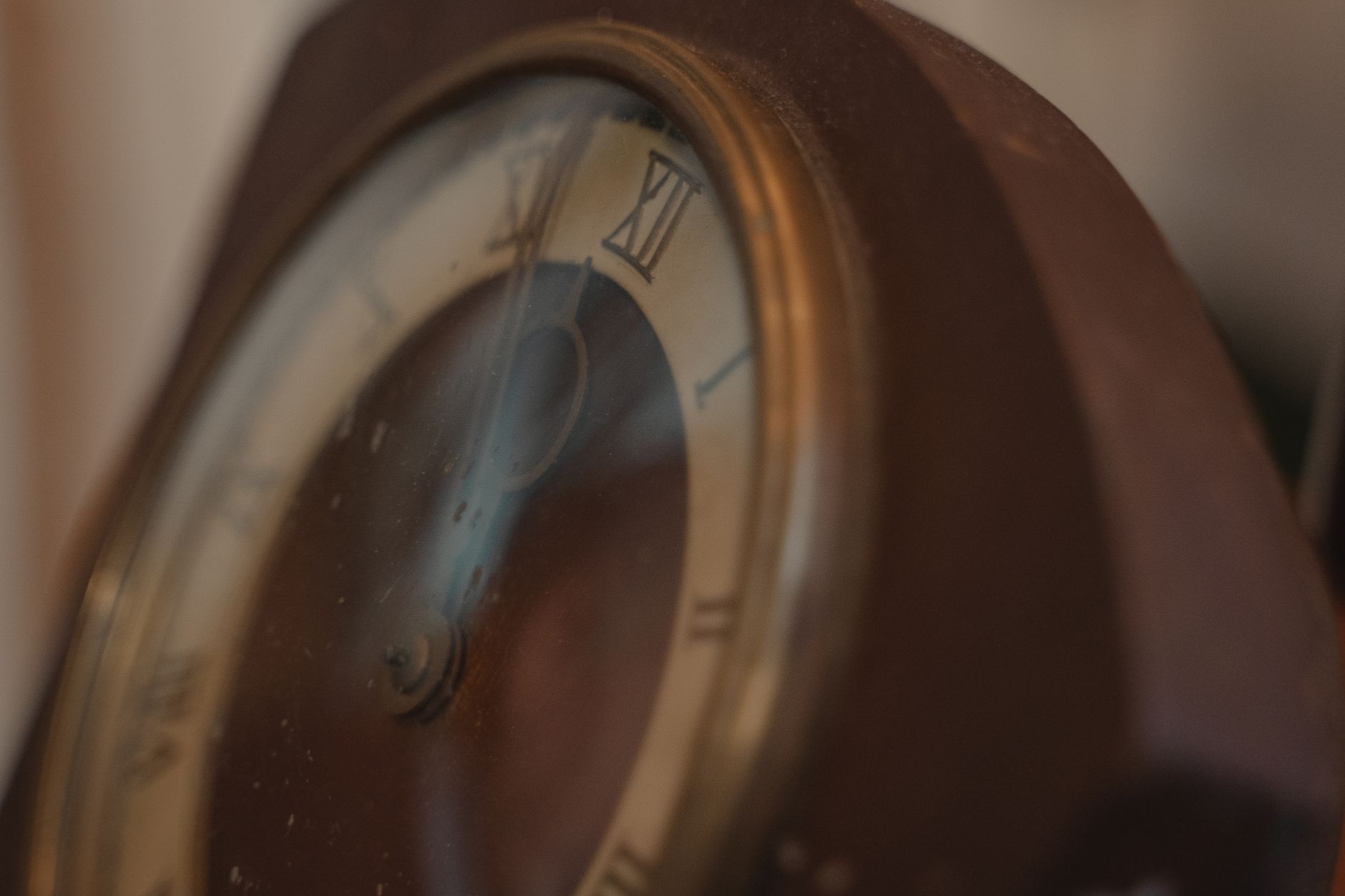
In homes where everything else is automated, voice-activated, and invisible, a mechanical clock offers something increasingly rare: evidence of a world that doesn't optimize itself. These aren't smart devices reporting your habits back to servers. They're just there, ticking, occasionally wrong, requiring the physical act of winding or adjusting. The wealthy are buying back inefficiency as a luxury good.
Travel became impossible to prove (so objects do it instead)
Instagram killed the travel humble-brag, but a 1950s railway clock from a Parisian flea market still works. Especially when it's next to a mid-century schoolhouse clock from Tokyo and a Soviet-era factory timer from Berlin. Each room becomes a passport stamp, each timepiece a conversation that starts with 'I found this when...' Social media made experiences cheap; physical proof stayed expensive.
Imperfection costs more than perfection now
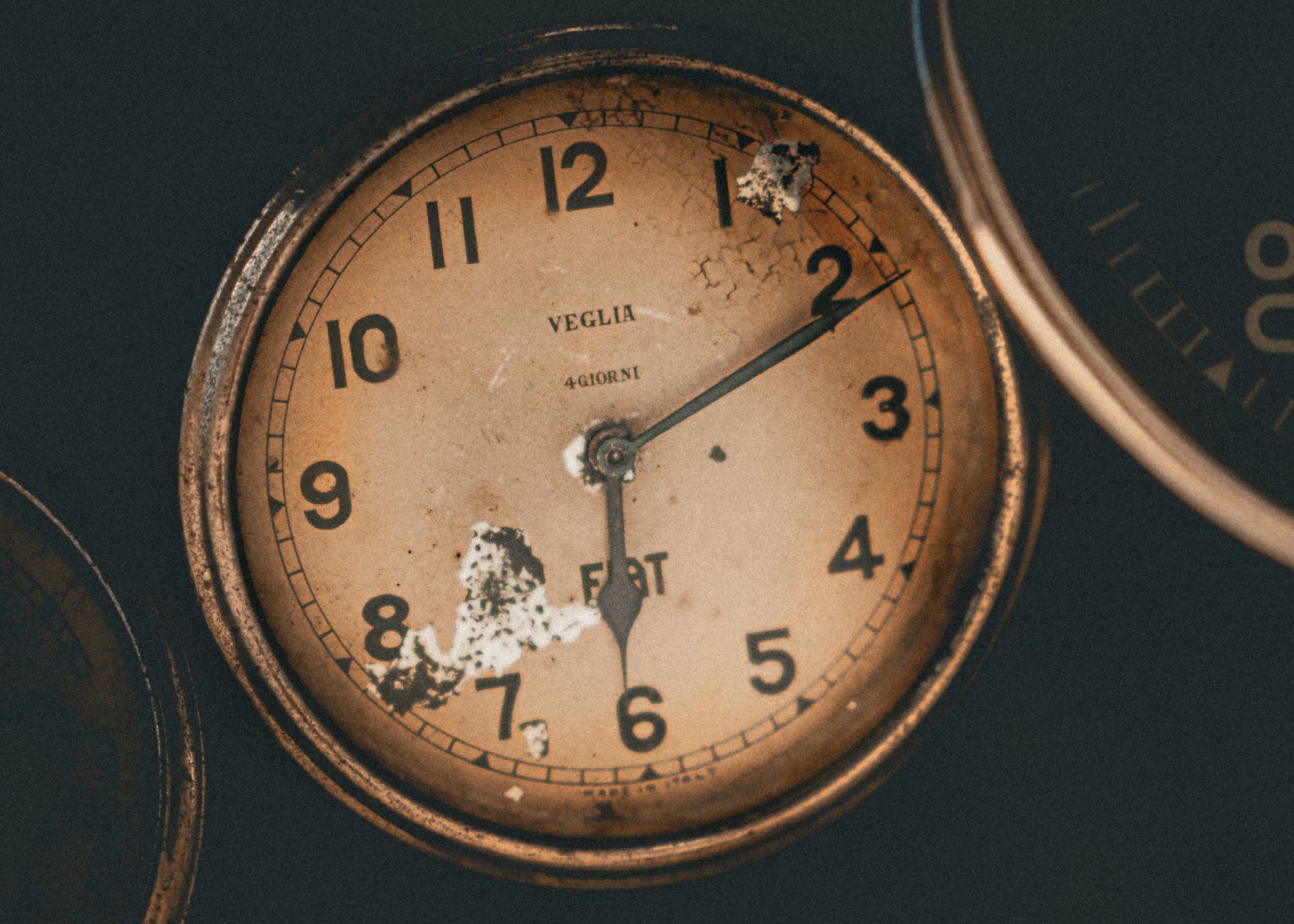
The clocks that cost the most are the ones that work the least reliably. Scratched faces, faded numerals, mechanisms that run five minutes slow—these aren't flaws, they're provenance. A pristine reproduction from a design shop reads as target-demographic pandering. A genuinely old clock that's lived a life suggests you have taste that can't be bought, only developed over time. Which, conveniently, is exactly what it suggests.
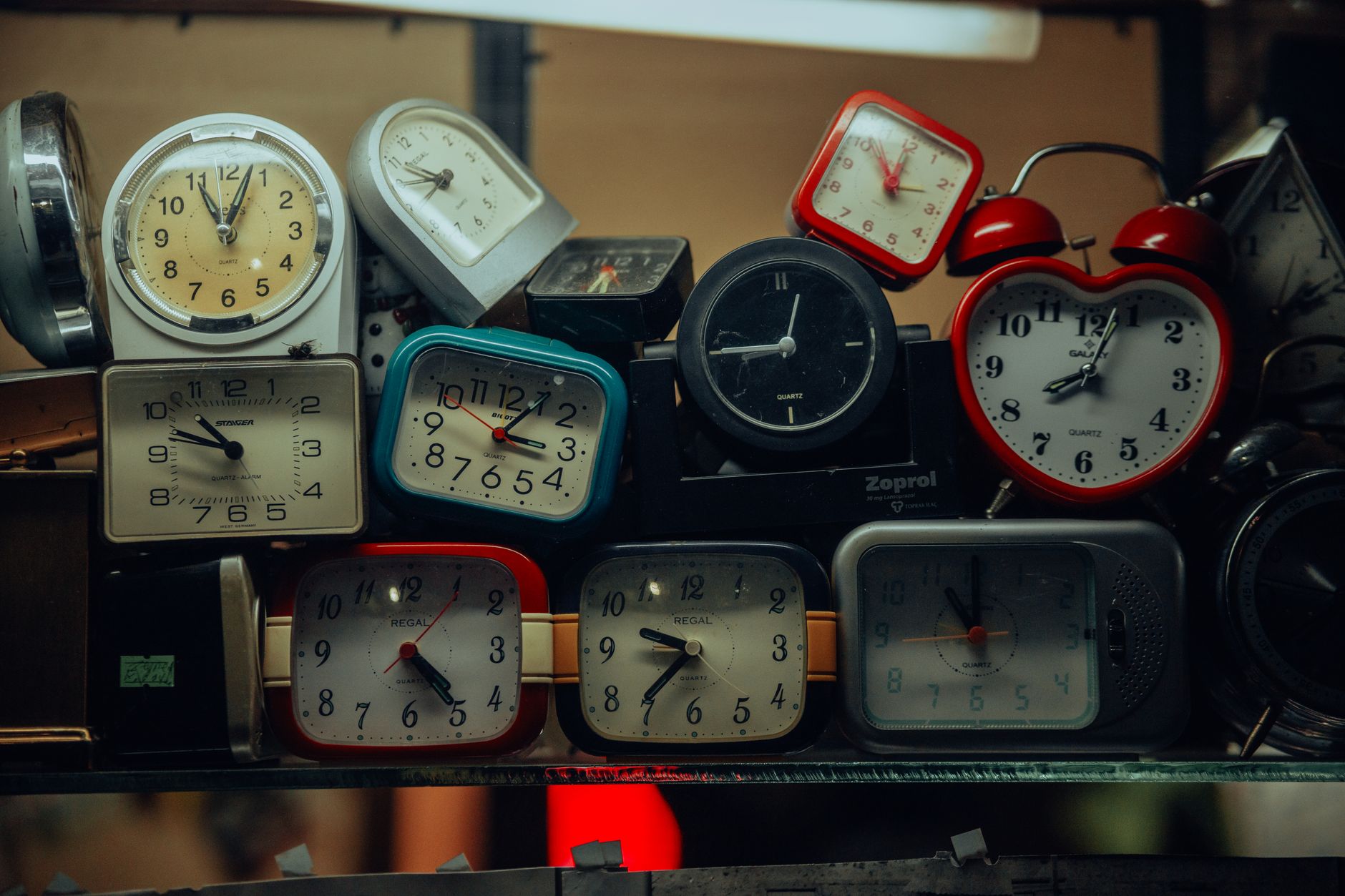
Different times in different rooms became an actual philosophy
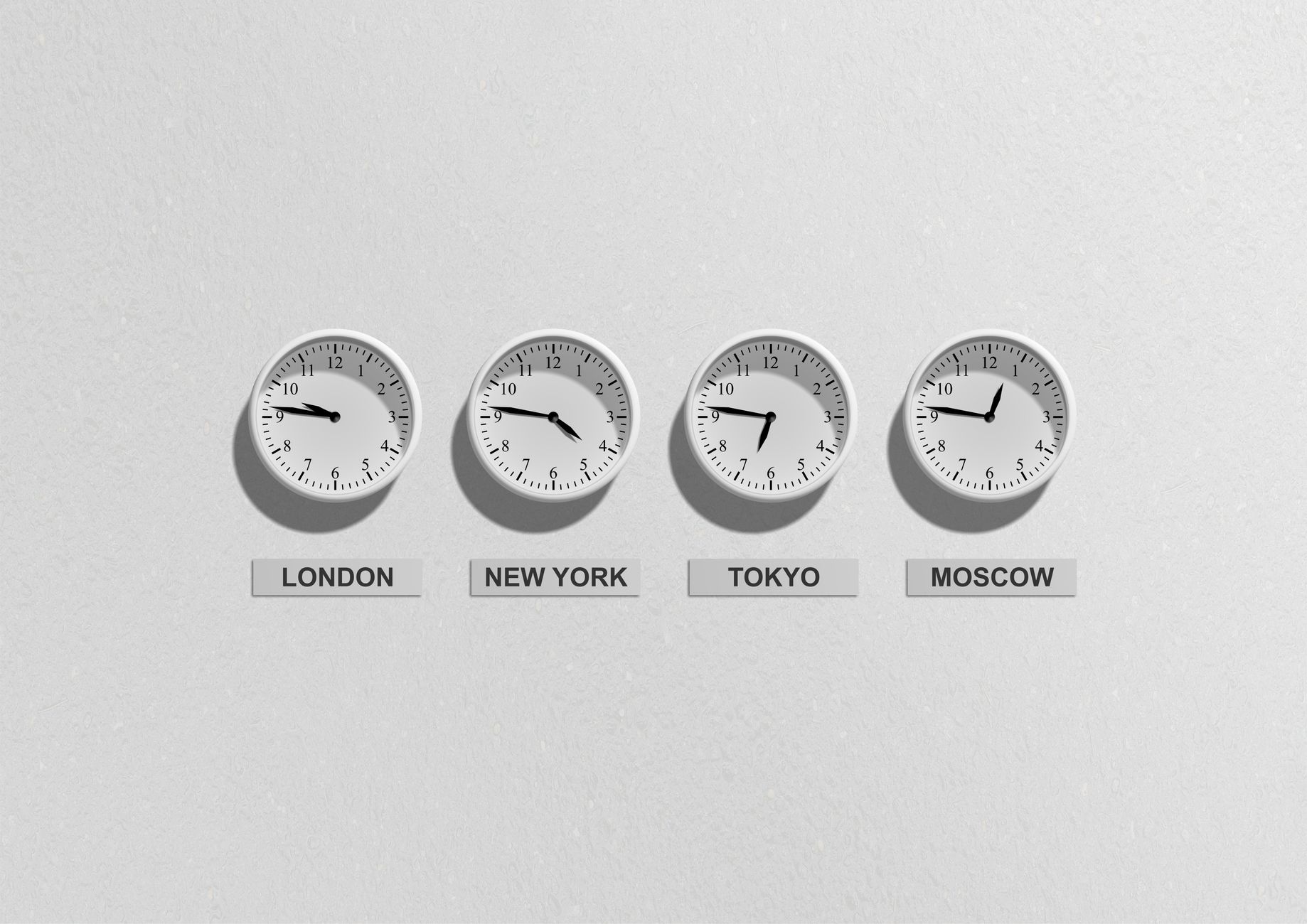
Some of these clocks are set to different time zones, not because anyone's tracking markets in Singapore, but because it literalizes the way the wealthy actually experience time: as something personal, negotiable, and multiple. Your bedroom exists in a different temporal zone than your kitchen. Your study runs on a different clock than your drawing room. It's not chaos. It's an acknowledgment that time is the only thing you can't buy more of, so you might as well bend it to your architecture.