Walk into any truly expensive apartment right now and you'll notice something missing: the performance. No grand gesture materials, no statement light fixtures demanding attention. What you will find, tucked discreetly into corners or hidden behind custom millwork, are commercial-grade hygrometers and whisper-quiet humidifiers maintaining the air at exactly 45% relative humidity.
The shift happened quietly, the way all real luxury moves do. While everyone else was still arguing about Calacatta versus Carrara, a particular subset of design-literate renters and owners started optimizing for something invisible: the air itself. Now precision climate control is the new tell—the thing that separates people who buy design from people who live it.
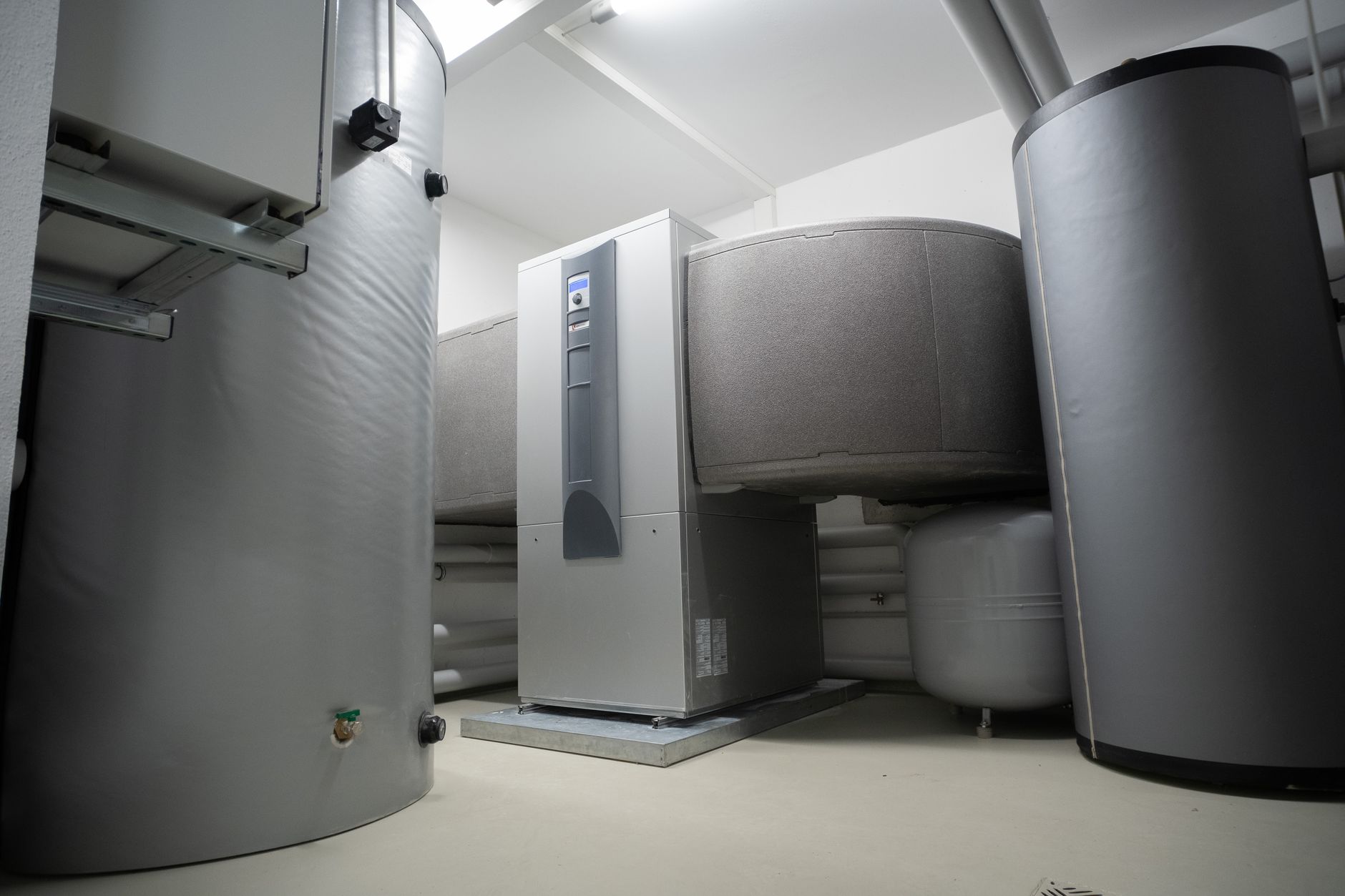
Museums figured this out decades ago
Art conservators have maintained strict humidity protocols since the 1970s because they understand what fluctuating moisture does to materials over time. Now residential designers are borrowing directly from institutional playbooks—specifying the same Munters and Condair systems that protect Rothkos and Rembrandts. The logic is obvious once you see it: if 45% RH preserves a $40 million painting, it'll certainly protect your Nakashima credenza.
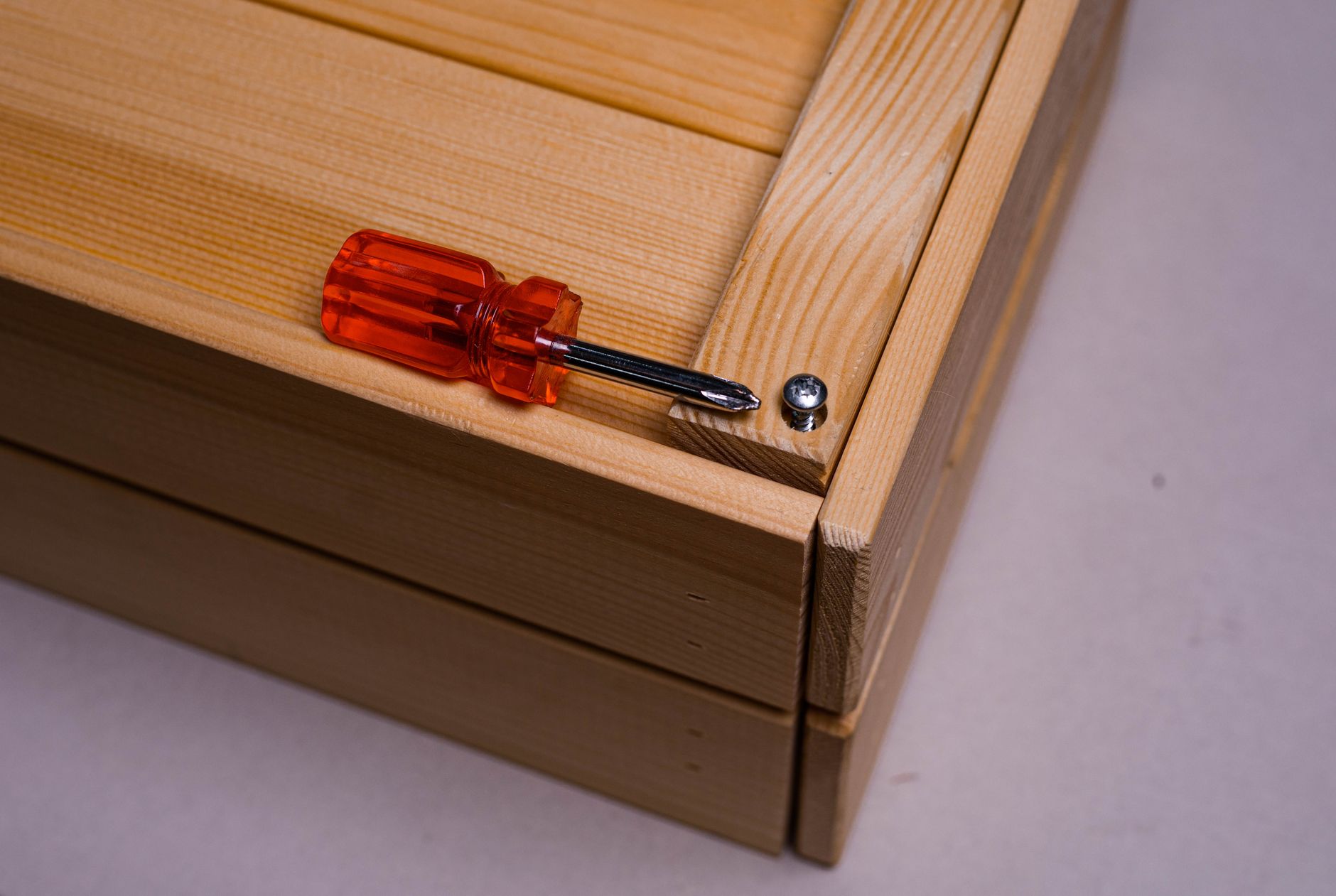
Your furniture is actually moving
Wood expands and contracts with moisture changes, which is why vintage pieces develop cracks and joints loosen over time. Interior designers started noticing that clients spending $15,000 on a custom dining table would lose structural integrity within two winters due to radiator-dried air. The solution isn't better wood—it's better air. Controlled humidity means materials stay dimensionally stable, which matters significantly more than thread count ever did.
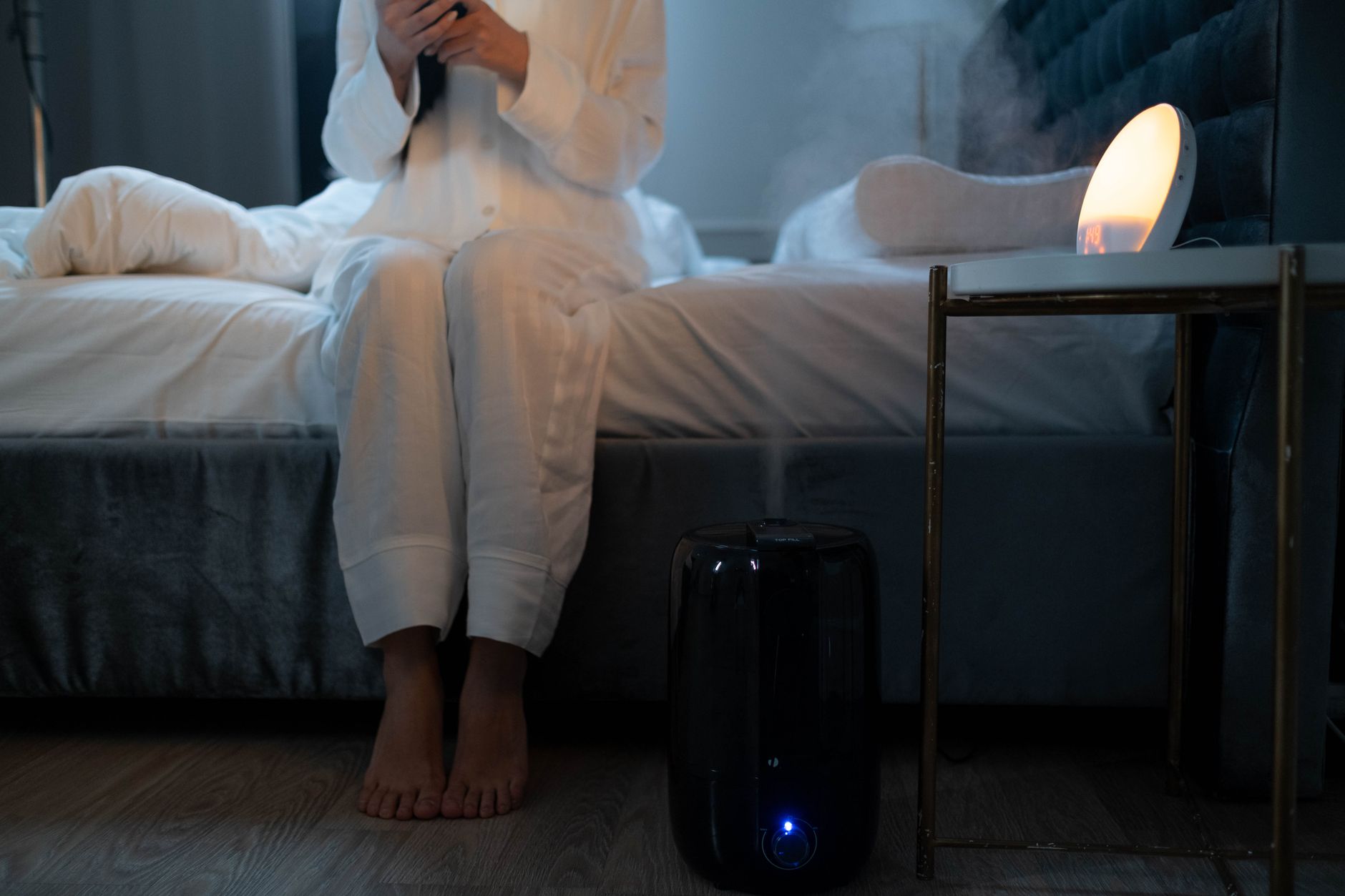
Skin care moved into the thermostat
The beauty industry's obsession with barrier repair and hydration was always addressing a climate problem, not a product deficiency. Now the conversation has shifted upstream: instead of layering serums to combat dry air, design-forward residents are simply fixing the air itself. Whole-home humidification costs less annually than a proper skin care routine, and it works on everyone in the space simultaneously. The math is straightforward.
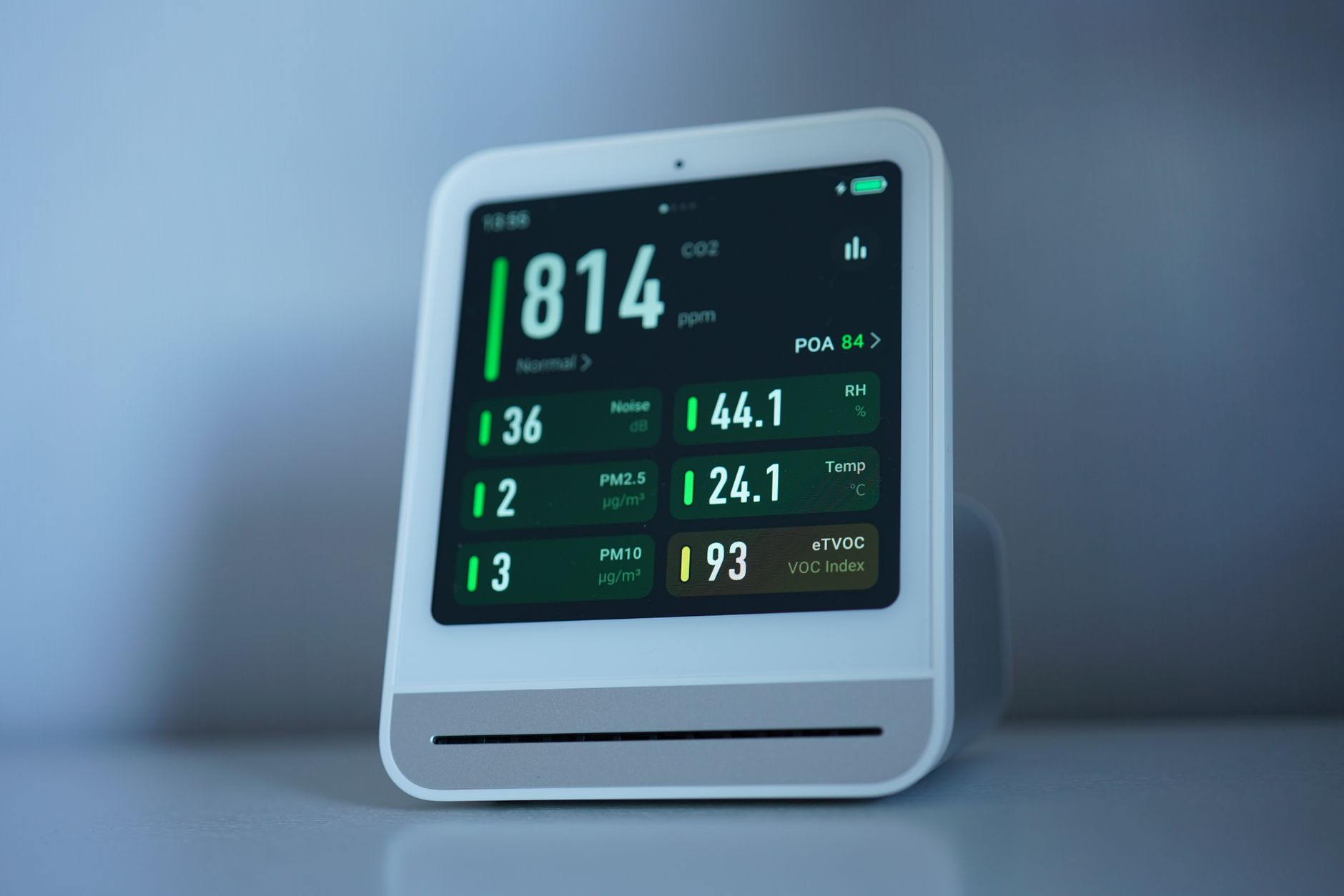
Tech people treat it like infrastructure
Silicon Valley homes have always had server rooms with precision cooling, but that mentality is now bleeding into living spaces. Automated systems adjust humidity based on outdoor conditions and occupancy, with historical data tracking and predictive algorithms. These aren't gadgets—they're building systems, approached with the same seriousness as plumbing or electrical. When Nest-style thermostats added humidity monitoring, it legitimized what a small group already knew: air is infrastructure.
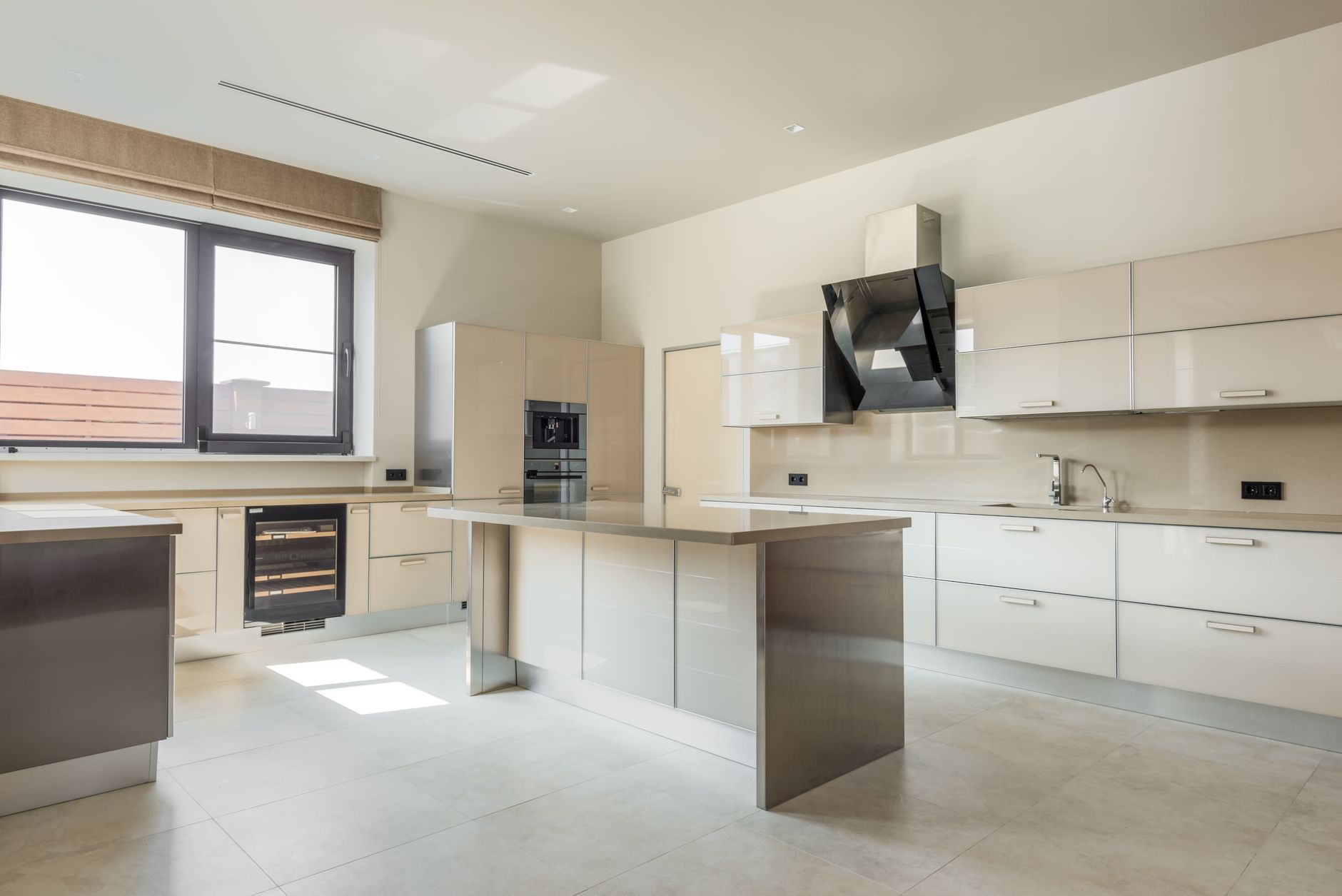
The tell is that you can't tell
Real luxury has always been about systems that work invisibly, and humidity control delivers exactly that. There's no Instagram moment, no texture to photograph, nothing to point at during a dinner party. The only people who notice are other people who've already optimized their own environments—and that recognition, that silent nod between those who know, is the entire point. Status symbols only work when they're legible to the right audience.