A Lisbon restaurateur opens her reservation book to find twelve bookings for tonight. By 8 PM, seven tables sit empty. No calls, no cancellations, just silence where paying customers should be. She'll later discover several of those names belong to mid-tier travel influencers who blocked out prime seating to shoot content at multiple venues across the city, then ghosted the ones that didn't make their Instagram grid.
This isn't isolated rudeness. It's a systemic crisis bankrupting family-run restaurants in Europe's most Instagrammed cities, where the attention economy has convinced a generation of content creators that their theoretical reach excuses actual damage. The math is brutal: a cancelled four-top on a Saturday night doesn't just mean lost revenue from that meal—it means turning away walk-ins, wasted prep, and staff sent home early. When it happens repeatedly, restaurants close.
The Multi-Booking Strategy That Leaves Restaurants Holding Empty Tables
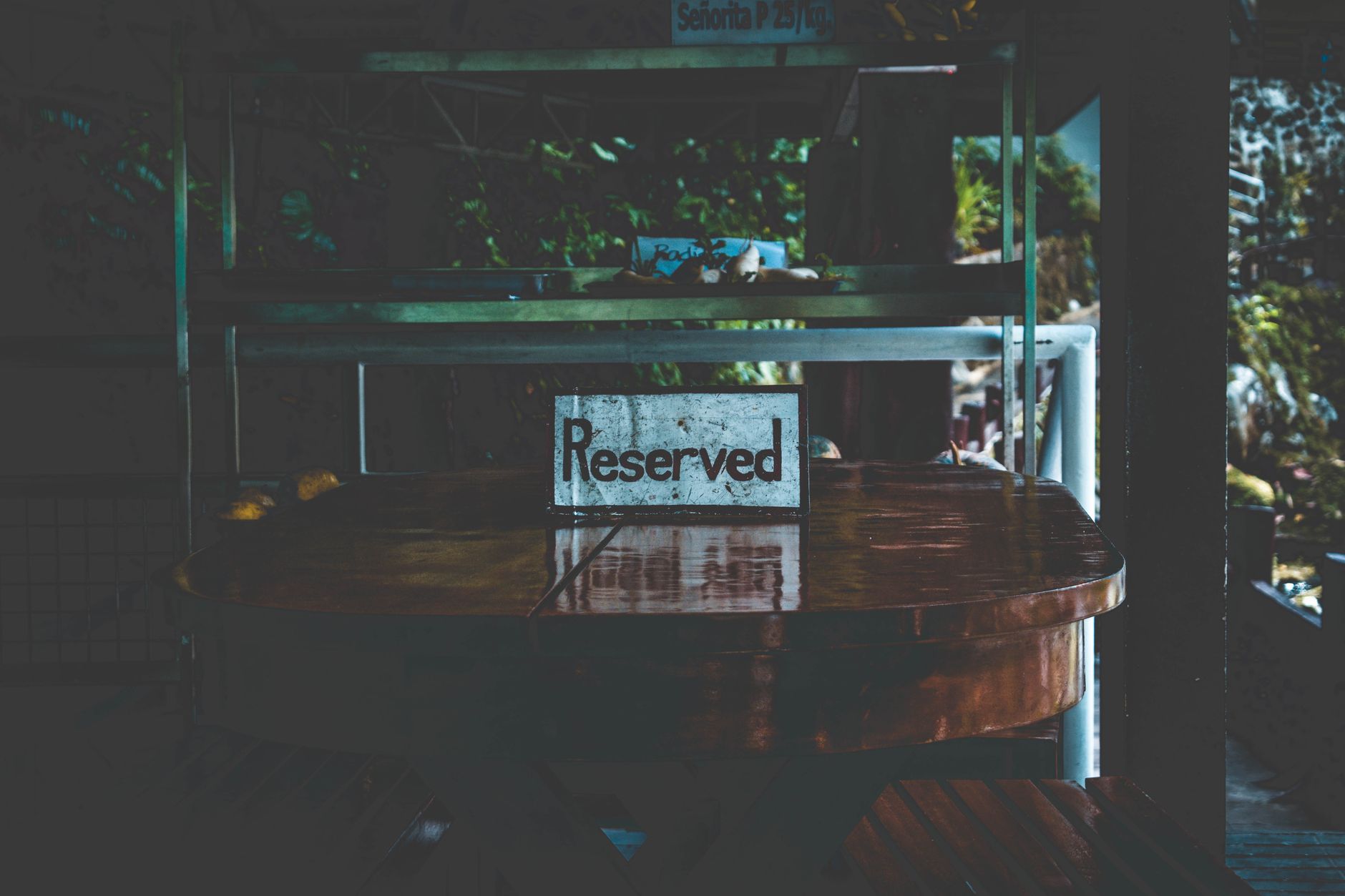
Travel influencers are now routinely booking 4-6 restaurants per evening in cities like Porto, Copenhagen, and Seville, treating reservations like Pinterest boards rather than commitments. They show up to photograph one venue's aesthetic, post it within the golden hour, then abandon the remaining bookings without notice. Restaurant owners report recognizing the same Instagram handles across multiple no-show incidents, yet platforms like Resy and OpenTable have no mechanism to flag serial offenders operating across international markets.

The Death Spiral Economics for Small Restaurants in Viral Neighborhoods
A 30% no-show rate—increasingly common in neighborhoods made famous by travel TikTok—can push a small restaurant from profitable to insolvent within a season. These aren't corporate chains with cushioned margins; they're 20-seat family operations in Alfama or Trastevere where every empty chair compounds fixed costs for rent, ingredients, and staff. Three restaurants in Lisbon's Príncipe Real district closed in 2024 citing influencer no-shows as a primary factor, a pattern repeating across Southern Europe's suddenly-famous side streets.
Why Credit Card Holds and Deposits Can't Solve This
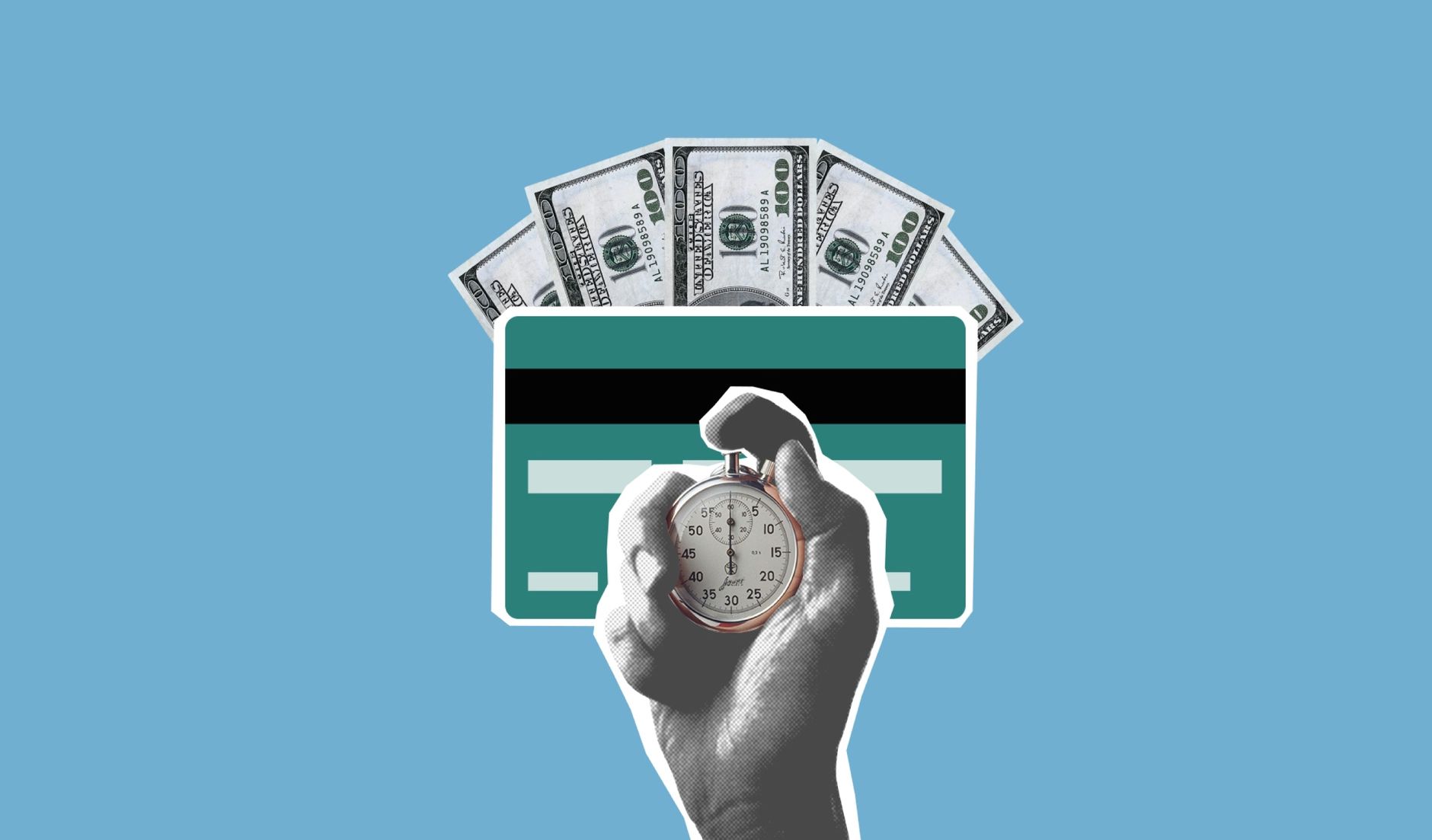
European consumer protection laws make aggressive no-show fees nearly impossible to enforce, and many small restaurants lack the legal resources to pursue international credit card disputes. Influencers booking from US or UK accounts, dining in Portugal, then disputing any charges creates a jurisdictional maze that costs more to navigate than the lost revenue itself. The restaurants most vulnerable to this—the authentic, family-run spots influencers claim to champion—are precisely those without corporate legal teams or automated booking systems with teeth.

The Content Calendar Mindset Colliding with Real-World Consequences
Creators operate on algorithmic urgency—shoot six venues in golden hour, post the one that performs, discard the rest—while restaurants operate on razor-thin margins where a Thursday night's revenue pays Friday's fish order. This fundamental mismatch has created a predatory dynamic where influencers view reservations as free options rather than binding commitments. The entitlement is remarkable: interviews reveal creators genuinely believing their "exposure" justifies the chaos, despite restaurant data showing influencer posts generate negligible actual bookings compared to traditional reviews.

Restaurants Fighting Back with Influencer Blacklists and Detective Work
A quiet network of restaurant owners across Lisbon, Porto, and Barcelona now maintains shared spreadsheets of known no-show influencer accounts, cross-referencing Instagram handles with reservation names. Some have begun requiring video verification calls for international bookings, while others flat-out refuse reservations from accounts with "travel" or "foodie" in their bios. It's an imperfect system built on exhaustion, but the alternative—continuing to absorb losses—isn't viable. One Copenhagen restaurant now charges a non-refundable €50 booking fee specifically for accounts with over 10K followers.
The Locals-Only Reservation Trend Reshaping Europe's Best Dining
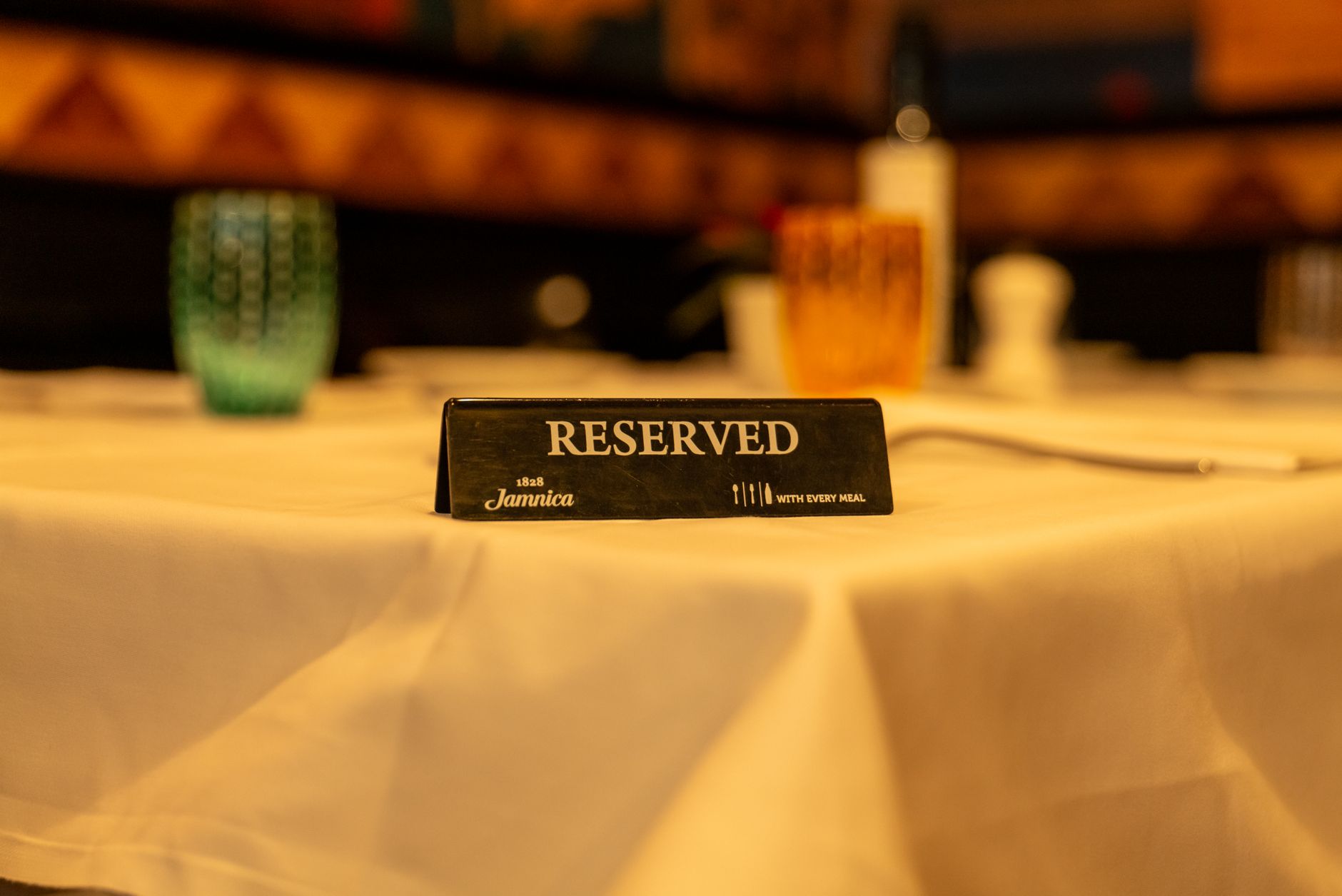
Top restaurants in over-touristed cities are increasingly implementing locals-only reservation policies or requiring proof of address for bookings. What sounds exclusionary is actually self-preservation: these restaurants discovered their most reliable customers—neighborhood regulars—were being crowded out by influencer no-shows and content tourists who monopolize tables for photo shoots then barely touch their food. The tragic irony is that influencers claim to seek "authentic" experiences, then systematically destroy the economic model that makes authenticity possible.
Why Booking Platforms Are Complicit in This Crisis
Resy, OpenTable, and TheFork profit from every reservation made, regardless of whether diners actually show up. Their business model incentivizes volume over accountability, with no penalty for users who rack up dozens of no-shows across different cities. These platforms could implement cross-restaurant reputation scores or require deposits for repeat offenders, but haven't, likely because influencer activity inflates their booking metrics. The restaurants absorb the losses while platforms collect their fees—a perfect externalization of harm that defines platform capitalism.
The Reckoning: Cities Considering Legal Action Against Serial No-Shows
Lisbon's city council is now exploring legislation that would classify serial restaurant no-shows as a fineable offense, similar to parking violations, with special provisions for repeat offenders operating commercial social media accounts. Porto's restaurant association is pushing for a national database that would allow venues to flag problematic accounts across Portugal. Whether these efforts materialize into enforceable policy remains uncertain, but the fact that municipal governments are even considering intervention signals how badly the influencer economy has corroded basic social contracts in viral destinations.
- The Multi-Booking Strategy That Leaves Restaurants Holding Empty Tables
- The Death Spiral Economics for Small Restaurants in Viral Neighborhoods
- Why Credit Card Holds and Deposits Can't Solve This
- The Content Calendar Mindset Colliding with Real-World Consequences
- Restaurants Fighting Back with Influencer Blacklists and Detective Work
- The Locals-Only Reservation Trend Reshaping Europe's Best Dining
- Why Booking Platforms Are Complicit in This Crisis
- The Reckoning: Cities Considering Legal Action Against Serial No-Shows