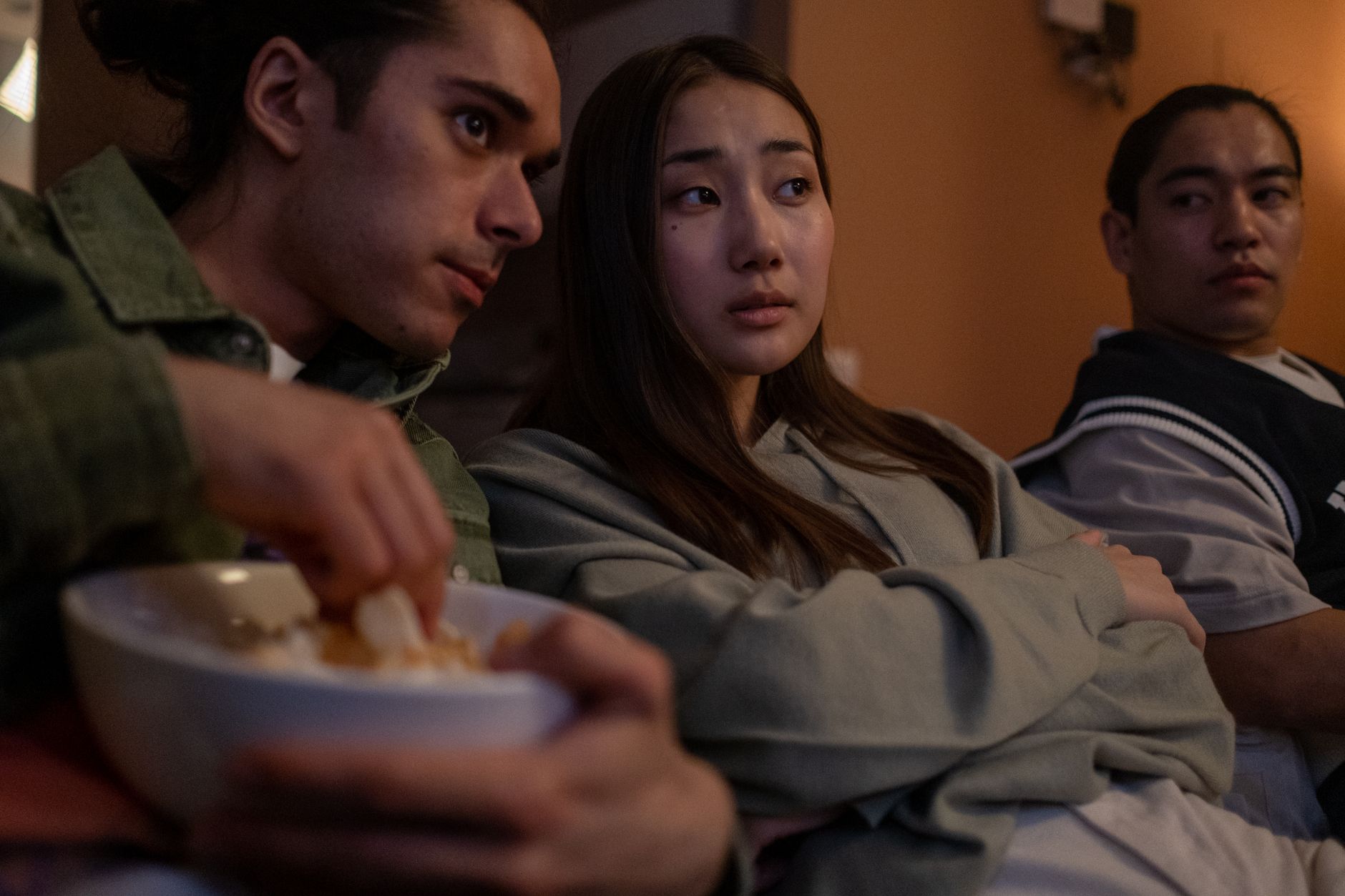
The intermission died somewhere between the iPhone launch and the binge-watch era. Uninterrupted experience became the gold standard—three-hour Scorsese epics without bathroom breaks, back-to-back concert sets, streaming queues designed to eliminate the remote. The pause became obsolete, a relic of analog patience.
Now it's staging a comeback. Theaters are reinstating intervals, streamers are testing chapter breaks, arena tours are embracing the two-act structure. This isn't about accommodating short attention spans. It's about reengineering them—using the break as architecture, not interruption. The intermission is becoming infrastructure.

Broadway's Bathroom Diplomacy
Major productions are adding 15-minute intervals to shows that haven't had them in decades. Merrily We Roll Along split its runtime; The Outsiders followed. This isn't artistic vision—it's audience management. Producers discovered that bladder anxiety kills immersion faster than a poorly timed scene change. The break became a feature, not a flaw, especially for shows courting older subscribers and premium ticket buyers who prefer controlled exits to desperate ones.
Netflix Tests the Chapter System
The platform quietly piloted built-in "natural breaks" for limited series—moments where the interface suggests stopping, complete with recap reminders for when you return. It's the opposite of autoplay's compulsion engine. Early data suggests viewers who pause intentionally are more likely to finish a series and rate it higher. Turns out the binge wasn't creating satisfaction, just completion. The break preserves desire instead of exhausting it.

Taylor Swift Didn't Invent the Two-Set Tour, But She Perfected It
The Eras Tour's set break wasn't controversial—it was strategic. Three-hour stadium shows need structural rhythm, and the 15-minute interval became a merchandise window, a social media moment, a digestive pause before the second act. Now every arena headliner is copying the format. Beyoncé, Coldplay, even younger acts structuring shows like theater. The intermission transforms a concert from endurance test to experience with movements. Stamina isn't the flex anymore; pacing is.
The Seven-Minute Movie Standard
AMC and Regal are lobbying directors to design "natural pause points" into films over 150 minutes. Not enforced intermissions—suggested ones, marked subtly in scripts for international markets where intervals remain standard. Christopher Nolan resists; Denis Villeneuve reportedly accommodates. The tension is real: American auteurs treat continuity as sacred, but global box office increasingly demands the break. The compromise is films architecturally built for optional pauses, even if domestic releases ignore them.

Podcasts Discover the Mid-Roll Moment
Long-form interview shows—Smartless, Armchair Expert—are inserting formal act breaks, complete with musical cues and "we'll be right back" copy. It's not just ad placement. It's narrative structure borrowed from radio drama, giving conversations shape beyond rambling. Listeners report higher completion rates for segmented episodes versus continuous ones. The break signals progression, creates anticipation for the second half. Even digital-native formats are learning what radio knew: the pause makes people lean in.
Museums Install Mandatory Rest Points
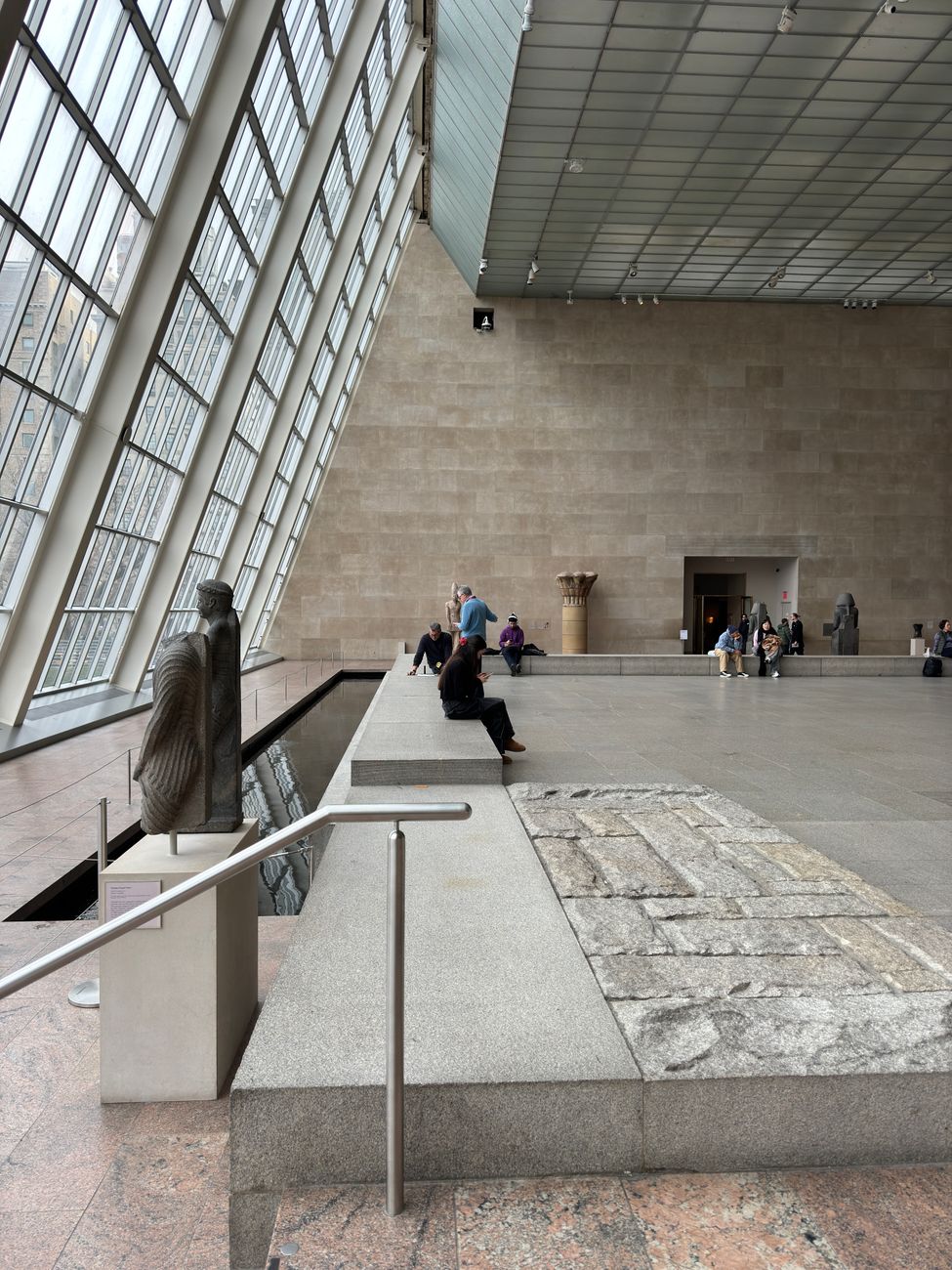
The Louvre and the Met reconfigured gallery flow to include designated pause spaces every 20 minutes of walking. Not cafés—actual designed voids with seating and silence. Museum fatigue is real, and institutions discovered that exhausted visitors retain nothing and rate experiences poorly. The intermission gallery—empty rooms between collections—became curatorial strategy. You absorb more when you're given permission to stop processing. Attention is finite; the break is how you reload it.
Gaming's "Good Stopping Point" Interface
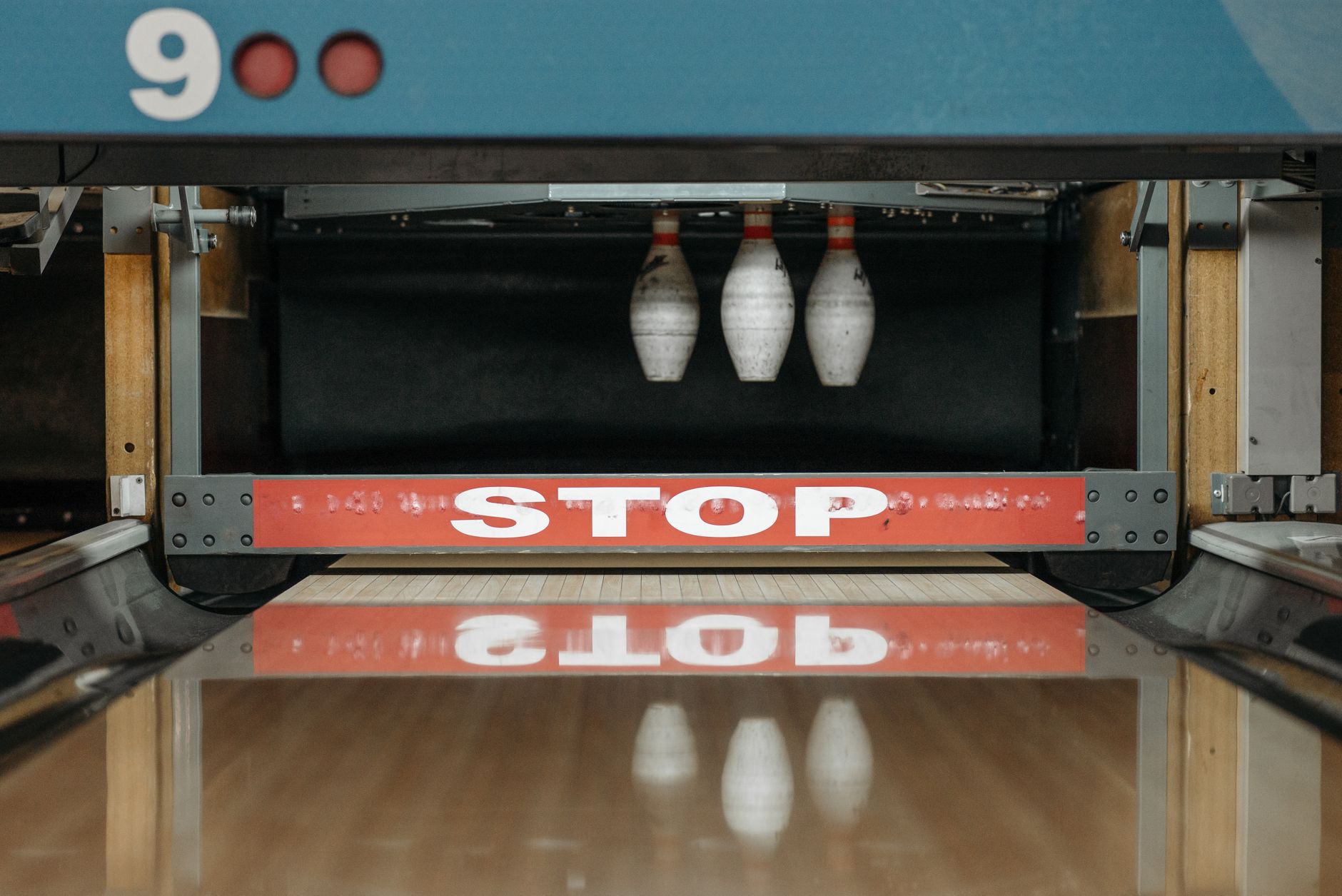
Open-world games now surface notifications suggesting break moments—after quest completions, before major battles. Baldur's Gate 3 and Zelda pioneered gentle exit prompts instead of infinite progression hooks. It's counterintuitive for an industry built on engagement metrics, but player burnout was killing franchises. The designed pause creates sustainable play. You return more often when you left satisfied rather than depleted. Retention through release, not capture.

The Socialite's Intermission Strategy
Interval culture is status culture now. The break isn't dead time—it's when the real event happens. Theater bars sell more champagne during 15-minute intermissions than restaurants do all evening. Concert VIP packages advertise exclusive interval lounges. The pause became the scene, the Instagram moment, the place where you're seen seeing. Continuous experience is democratic; the intermission is where hierarchy reasserts itself. You can't buy a better show, but you can buy a better break.
- Broadway's Bathroom Diplomacy
- Netflix Tests the Chapter System
- Taylor Swift Didn't Invent the Two-Set Tour, But She Perfected It
- The Seven-Minute Movie Standard
- Podcasts Discover the Mid-Roll Moment
- Museums Install Mandatory Rest Points
- Gaming's "Good Stopping Point" Interface
- The Socialite's Intermission Strategy