Somewhere between the prostaglandin panic of 2019 and the clean beauty reckoning, peptide lash serums quietly became the cosmetics industry's most reliable revenue stream. Not because they work miracles—though brands would prefer you believe otherwise—but because they've successfully convinced an entire demographic that their natural lashes require intervention.
The science is real enough. Peptides do signal cellular behavior. But the gap between laboratory potential and your bathroom mirror remains conveniently vast, sustained by strategic before-and-after photography and the kind of testimonials that would make the FTC wince. Here's what's actually happening in the lash-lengthening economy.
The Latisse Hangover Created a Market
When prostaglandin-based lash growth serums started darkening irises and hollowing orbital fat, the beauty industry needed a cleaner narrative. Enter peptides: the ingredients that sound pharmaceutical enough to justify luxury pricing but gentle enough to avoid FDA scrutiny. The messaging pivoted from "prescription-strength" to "clinically inspired," and suddenly every brand had a proprietary peptide complex with a name that sounded like a particle accelerator.

Nobody's Measuring the Same Thing
Brand A claims 34% longer lashes. Brand B promises 52% more volume. The trick is that there's no standardized measurement protocol for lash growth studies. Some measure length, others count density, several focus on "perceived fullness"—which is marketing speak for "we asked people how they felt." The clinical trials that do exist typically involve fewer subjects than your average book club, often funded by the brands themselves.
The Ingredient Lists Are Remarkably Similar
Strip away the proprietary complex names and most peptide lash serums contain the same handful of ingredients: myristoyl pentapeptide-17, biotin, panthenol, hyaluronic acid. The $40 version and the $180 version often differ primarily in packaging design and the celebrity dermatologist quoted in the press release. A few brands add plant extracts or vitamins to justify the "botanical blend" angle, but the active hero ingredients remain stubbornly consistent across price points.
Dermatologists Are Professionally Ambivalent
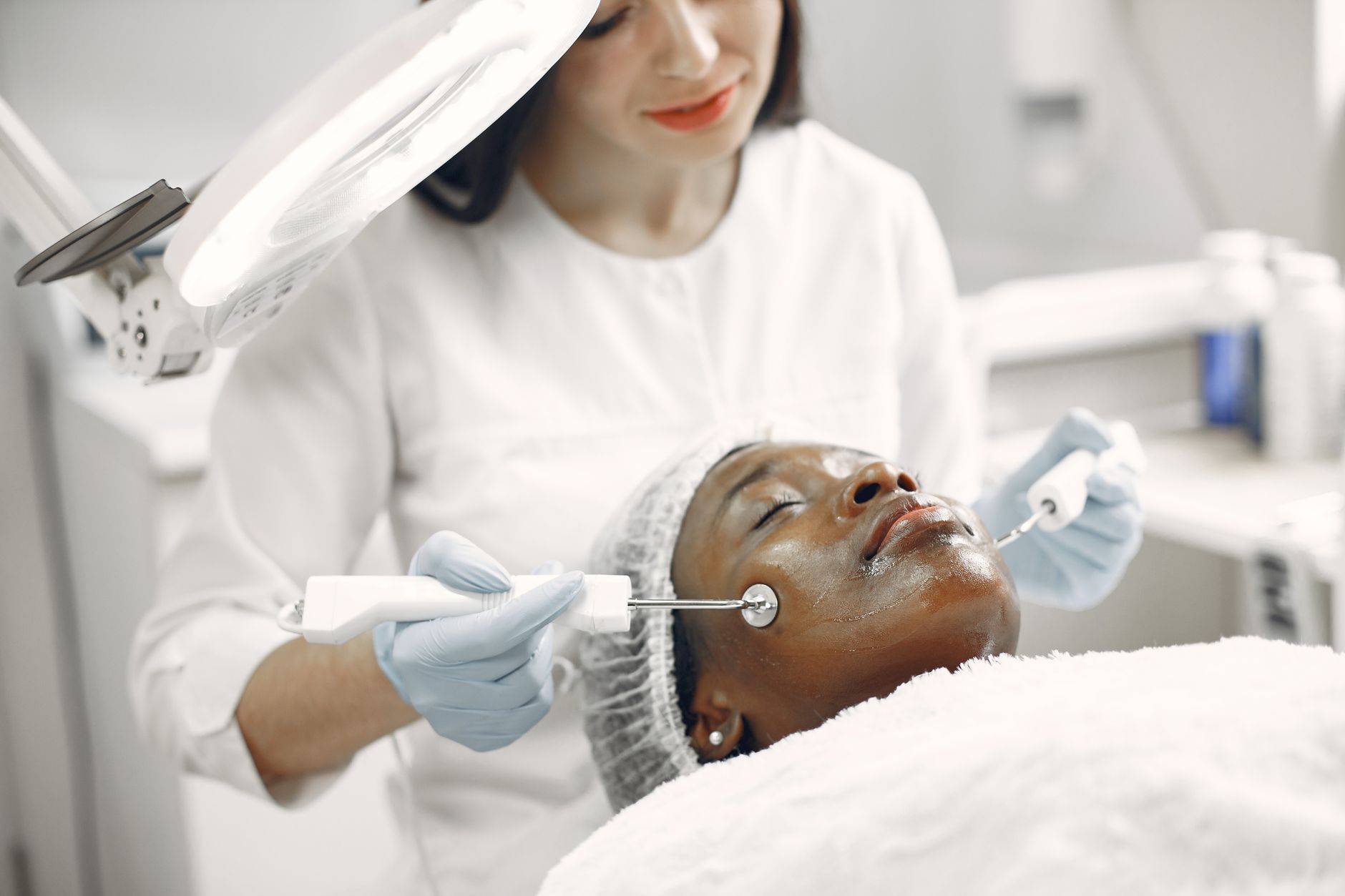
Ask a cosmetic dermatologist about peptide lash serums off the record, and you'll get a carefully calibrated shrug. The science suggests peptides may support keratin production and strengthen existing lashes, which isn't nothing. But "support" and "strengthen" are doing heavy lifting in that sentence—they're not synonyms for "grow." The professional consensus lands somewhere between "probably won't hurt" and "your money could fund something more evidence-based," which is hardly the endorsement fueling those Instagram ads.
The Application Ritual Is the Actual Product
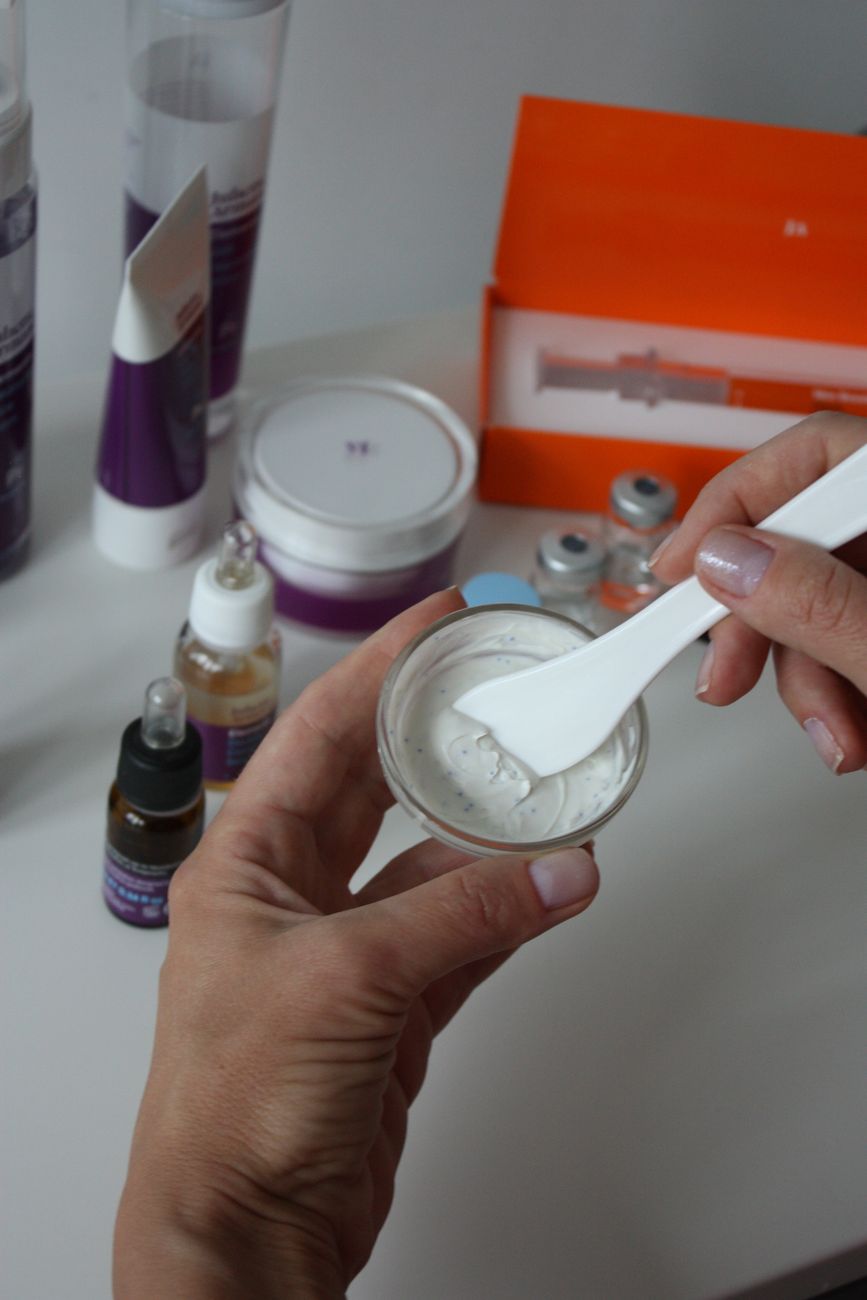
What peptide lash serums actually sell is a nightly ritual of self-improvement, a 30-second meditation on becoming the person who tends to such details. The slim applicator, the precise placement along the lash line, the faint medicinal scent that suggests efficacy—it's theater. And theater works. The placebo effect in cosmetics is well-documented; when you expect results and invest attention, you often perceive change, whether or not your lashes have actually lengthened by a clinically significant margin.
Lash Extensions Created the Problem It Now Solves
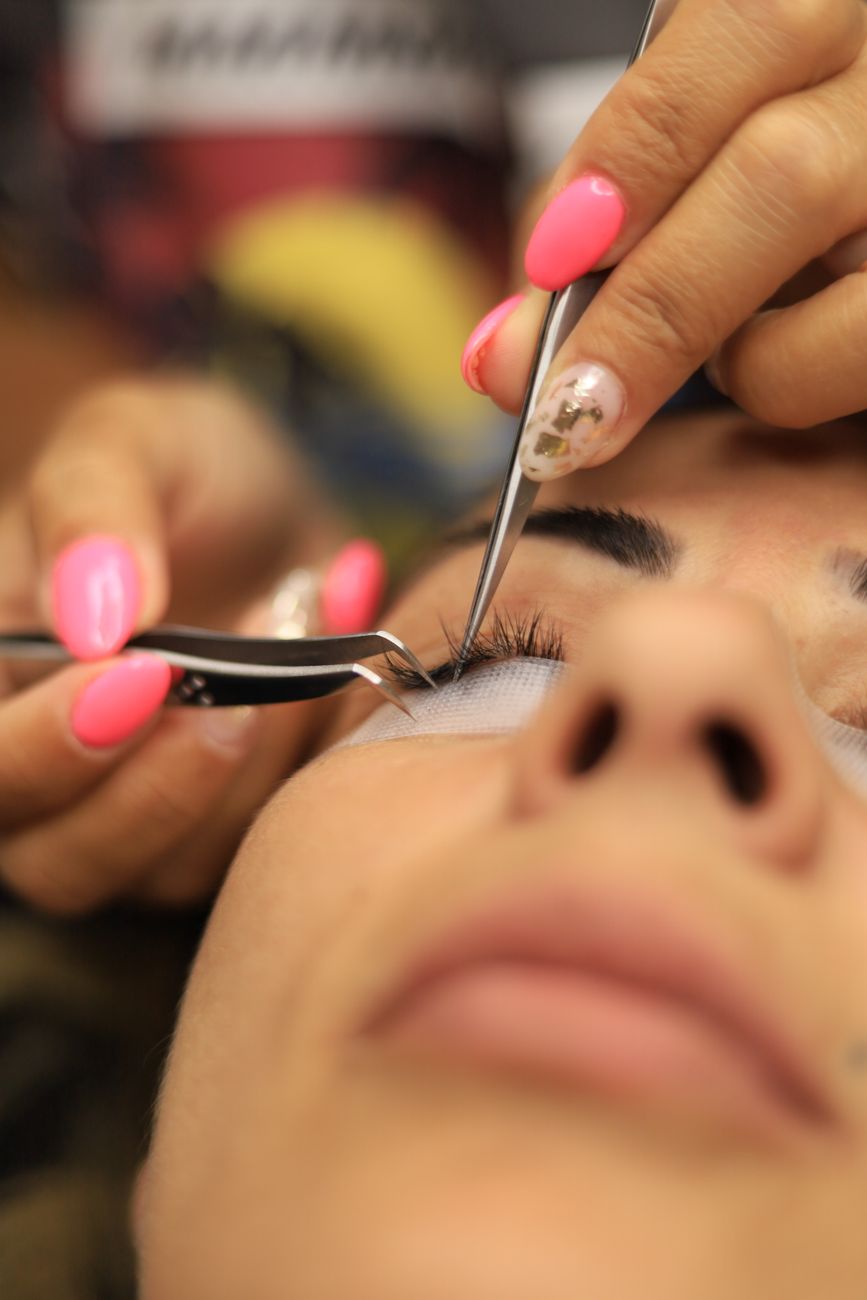
The peptide serum boom conveniently emerged alongside widespread lash extension damage. Years of adhesive and removal trauma left a generation with sparse, brittle natural lashes, creating the perfect conditions for a "recovery" product category. It's a closed loop: extensions damage lashes, serums promise restoration, and in the meantime you're spending $90 every six weeks maintaining both habits. The industry has successfully pathologized normal lashes while offering increasingly expensive solutions.
The Ingredient Sensitivity Nobody Warns About
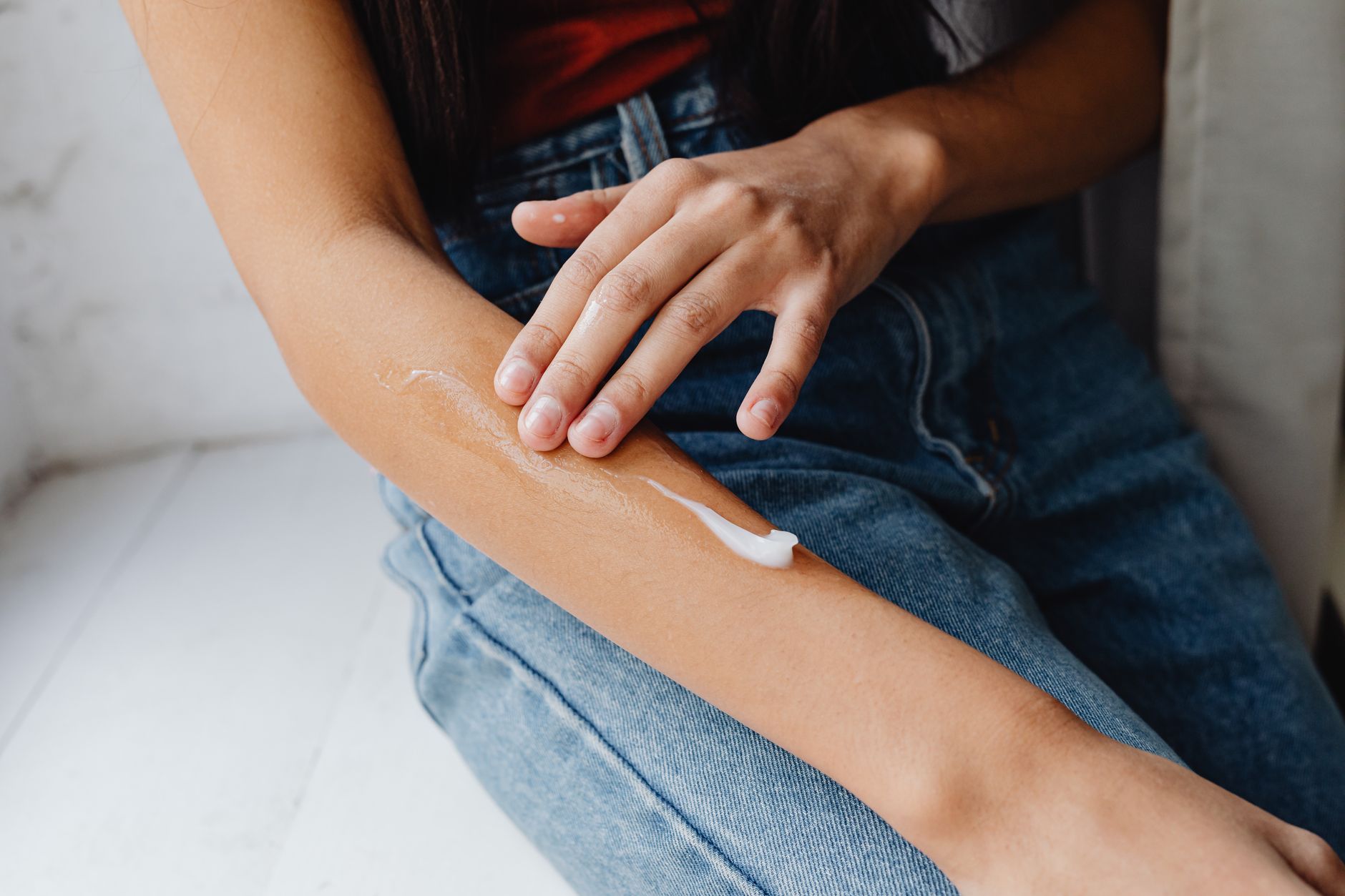
Peptides themselves are generally well-tolerated, but the delivery systems often aren't. Preservatives, penetration enhancers, and fragrance compounds necessary to keep these serums stable and pleasant can trigger contact dermatitis, especially along the delicate lash line. Ophthalmologists report an uptick in patients with chronic eye irritation who've been diligently applying lash serums for months, unaware that their nightly routine is the culprit. The correlation rarely makes it into brand communications.

The Unspoken Truth About Growth Timelines
Lashes have a natural growth cycle of roughly six to eight weeks, which—not coincidentally—aligns perfectly with the timeline most peptide serums recommend before "visible results." Any lash that was going to grow would have cycled through regardless of intervention. The serums may condition and reduce breakage, which can preserve length, but attributing new growth to a peptide formula requires willfully ignoring how hair biology actually works. The brands know this. They're counting on you not doing the math.
- The Latisse Hangover Created a Market
- Nobody's Measuring the Same Thing
- The Ingredient Lists Are Remarkably Similar
- Dermatologists Are Professionally Ambivalent
- The Application Ritual Is the Actual Product
- Lash Extensions Created the Problem It Now Solves
- The Ingredient Sensitivity Nobody Warns About
- The Unspoken Truth About Growth Timelines