The beauty industry has always excelled at selling us things we already own, just wrapped in better packaging and a higher price point. Enter the lip mask: essentially petroleum jelly's glow-up, now occupying prime real estate on nightstands everywhere. What was once a $3 drugstore staple has been reborn as a $25 luxury experience, complete with spatulas, jars that photograph well, and ingredient lists that read like a Sephora employee's fever dream.
The transformation happened quietly, then all at once. One day we were applying Vaseline before bed, the next we were debating whether rose or vanilla lip masks pair better with our silk pillowcases. From Gen Z's obsession with glass skin extending to glass lips, to dermatologists finally admitting that yes, occlusive ingredients actually work, lip masks have become the category nobody asked for but everyone now owns. Here's how a century-old formula became beauty's latest non-negotiable.
K-Beauty Wrote the Playbook, Western Brands Took Notes
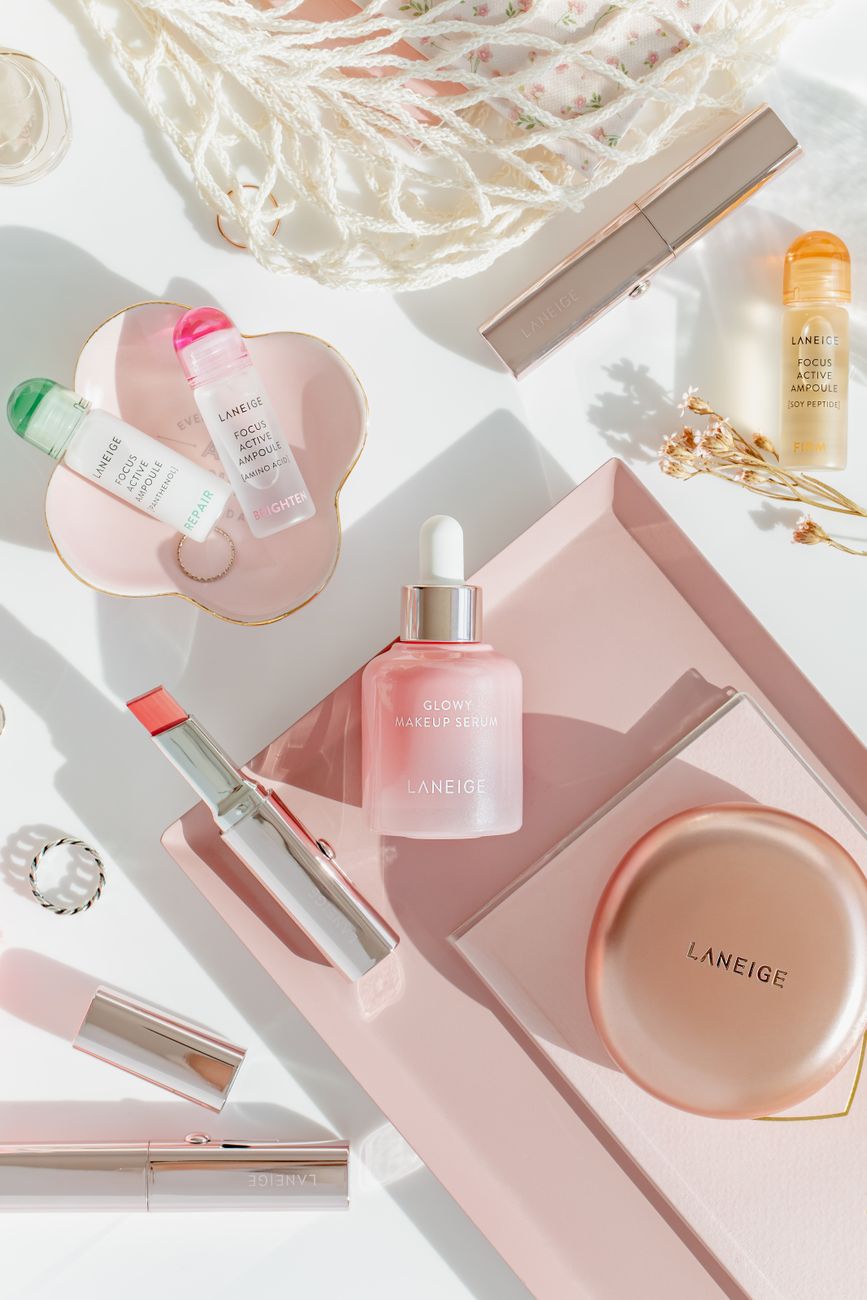
Laneige's Lip Sleeping Mask didn't invent overnight lip treatment, but it did invent the idea that you'd pay $24 for it and feel smart doing so. Korean beauty brands understood something Western companies didn't: ritual matters more than ingredients. They gave petroleum jelly a rebrand complete with berry scents, Instagram-ready jars, and the implication that while you sleep, your lips are working. Now every major beauty retailer has a lip mask section, and brands like Dior and La Mer have entered the chat with versions hovering near $50, because apparently your lips deserve luxury too.
The Spatula Made It Medical, the Marketing Made It Mandatory
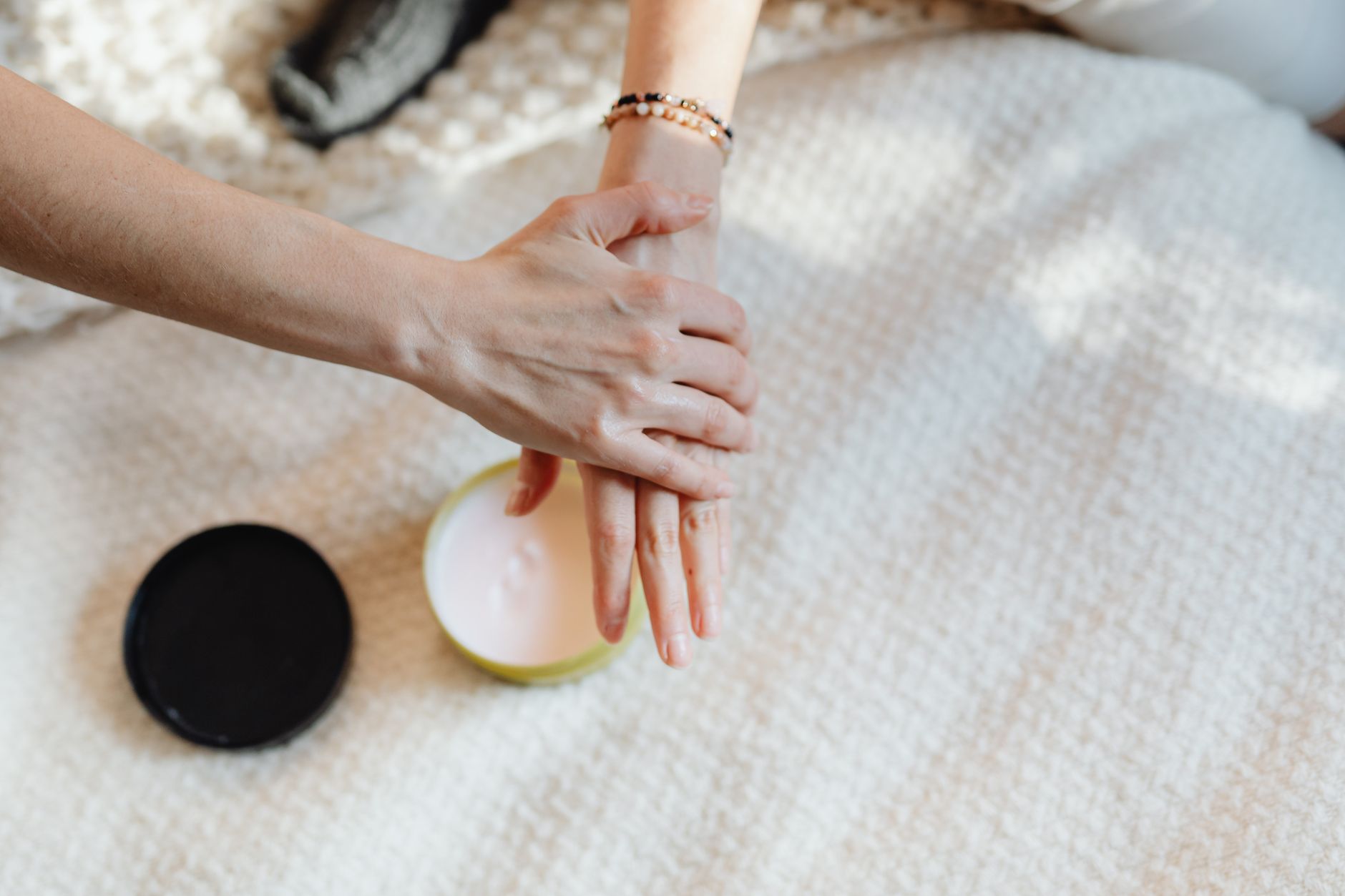
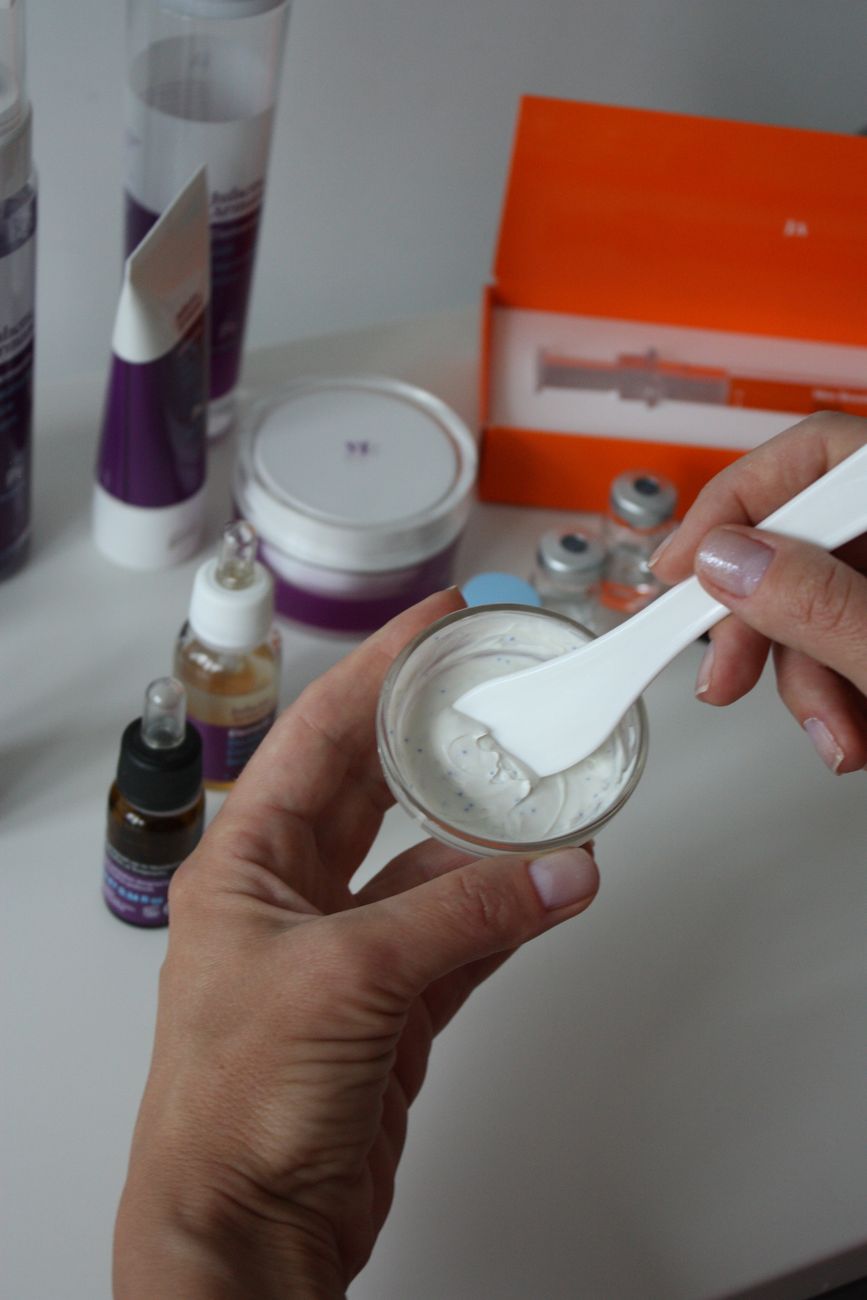
Nothing says "serious skincare" quite like a tiny spatula. The inclusion of an applicator tool transformed lip balm from casual swipe to intentional treatment, lending an air of dermatological legitimacy to what is, let's be honest, fancy Vaseline. The ritual of scooping, applying, and replacing the spatula creates a sense of occasion that a twist-up tube never could. Beauty brands understand that we're not just buying hydration—we're buying the feeling of being someone who uses a designated tool for their lip care, someone who takes nighttime routines seriously enough to warrant specialized equipment.
Glass Lips Required a Gateway Product
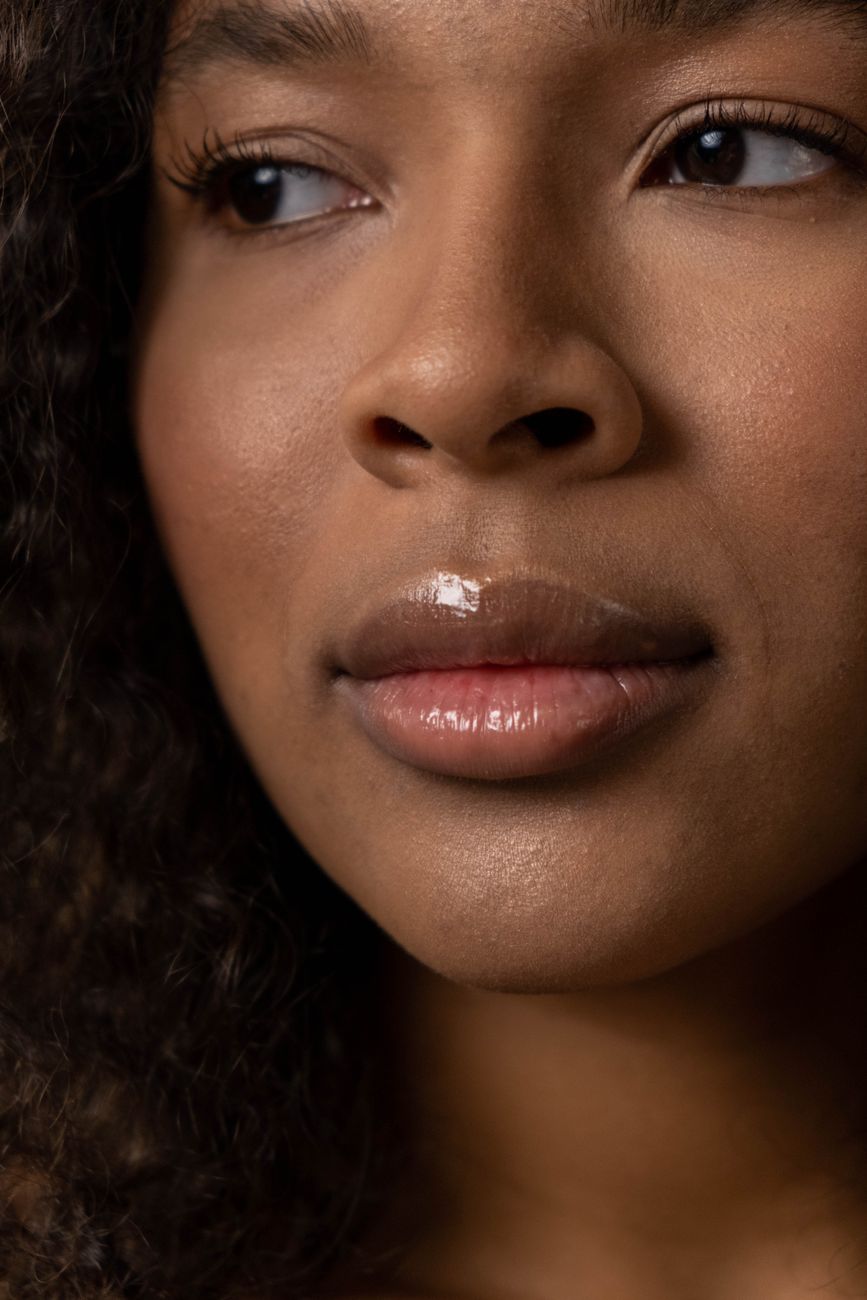
The plump, glossy, almost wet-looking lip has dominated beauty trends for three years running, but achieving that look requires prep work. Lip masks positioned themselves as the foundation for the glass lip aesthetic—you can't get that vinyl shine on dry, flaky lips. The overnight mask became the unsexy prerequisite for daytime glamour, the vegetables you eat so you can have dessert. Influencers started showing their nighttime routines, lips shellacked in product, and suddenly everyone needed to pre-hydrate their way to that K-pop idol sheen.
Dermatologists Gave Permission, TikTok Gave Instructions
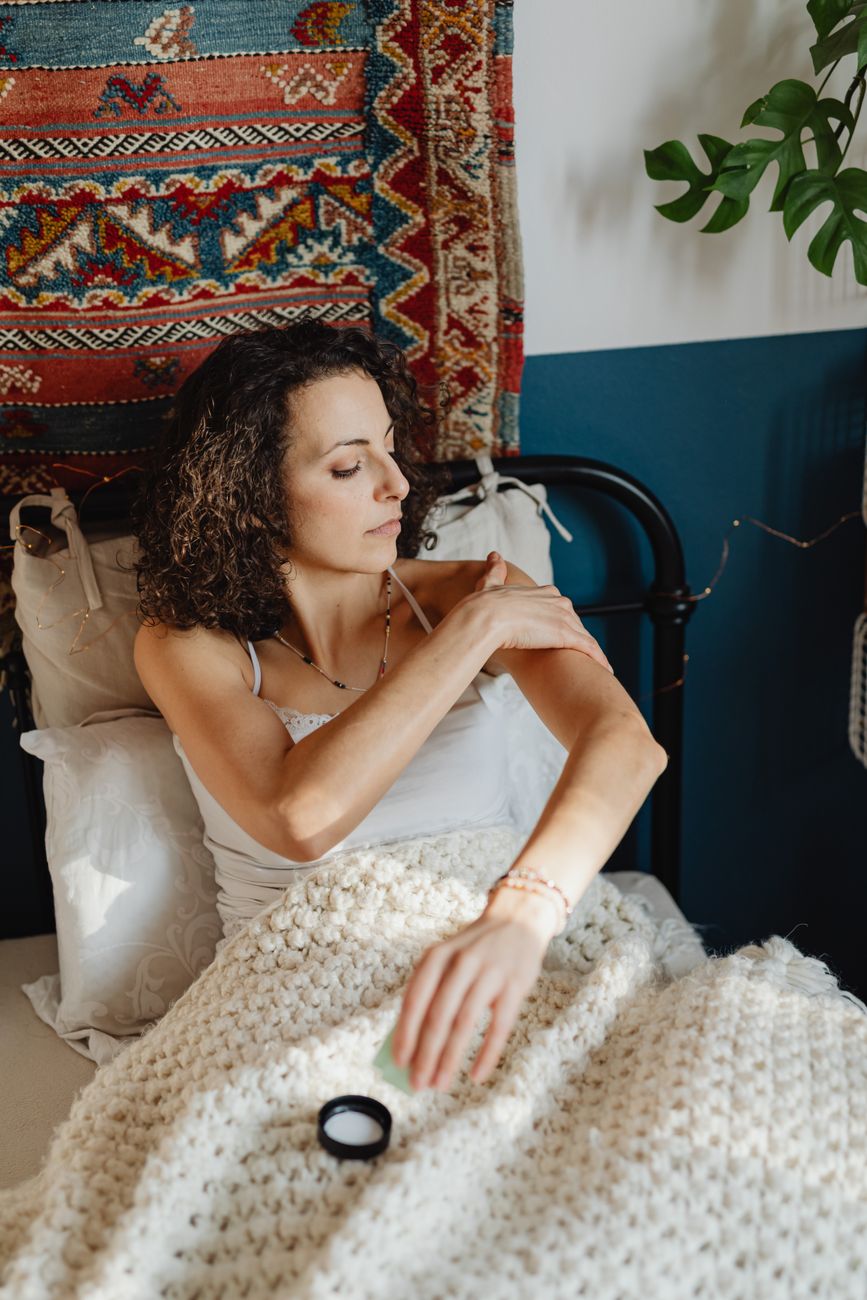
When board-certified dermatologists started appearing on TikTok explaining occlusive ingredients and transepidermal water loss, lip masks got their scientific stamp of approval. The message was clear: this isn't vanity, it's barrier repair. Meanwhile, #lipmaskreview videos accumulated millions of views, with users conducting elaborate before-and-after tests and ranking products by texture, scent, and morning-lip quality. The combination of medical legitimacy and social proof created the perfect conditions for a trend that feels both evidence-based and community-endorsed, the sweet spot for any beauty product trying to justify its existence.
Self-Care Theatre Found a New Prop
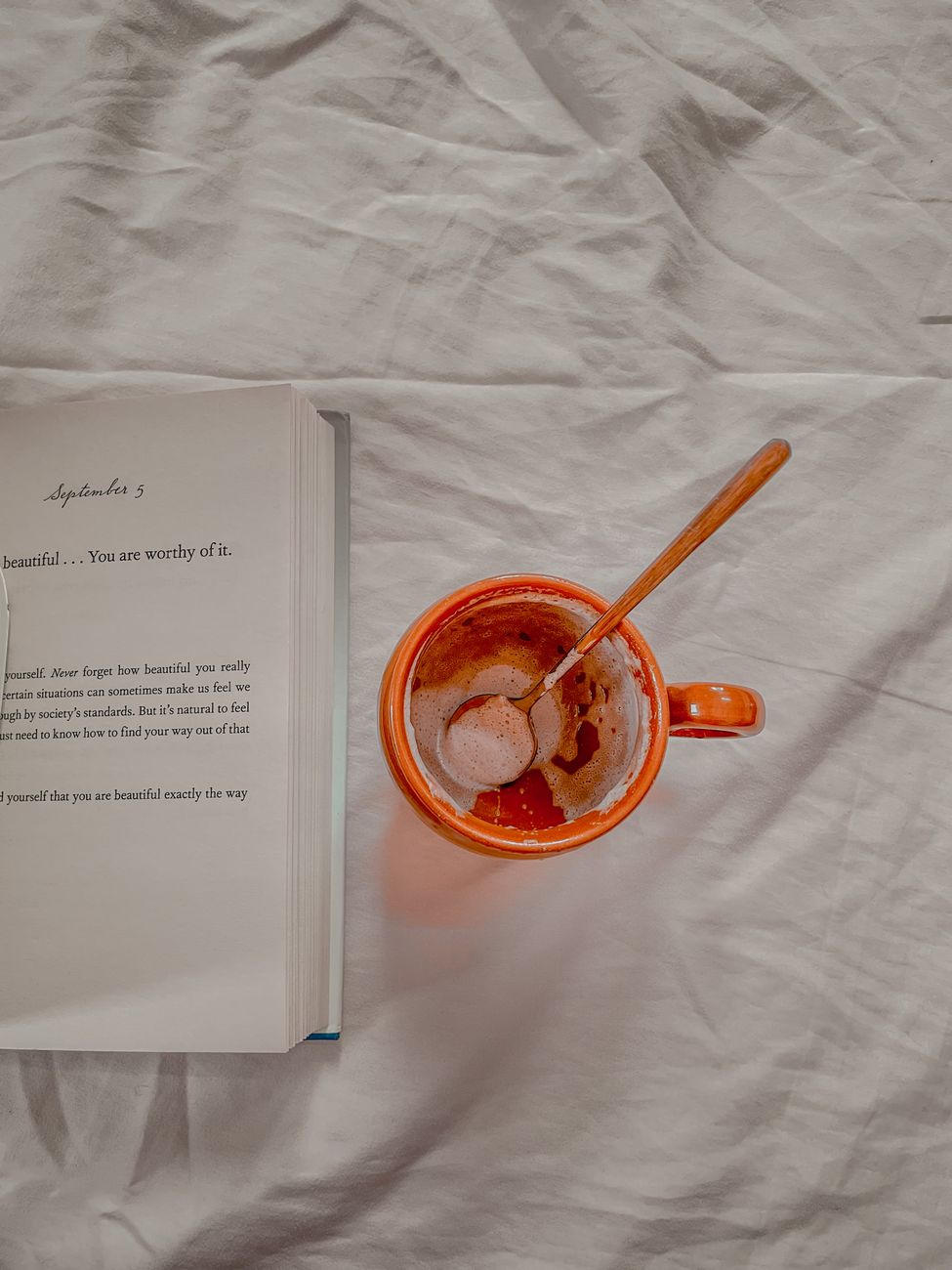
Lip masks photograph exceptionally well, especially when arranged next to candles, silk eye masks, and whatever book everyone's pretending to read. They've become a visual shorthand for "I have my life together enough to maintain a nighttime routine," which is really what we're all trying to project anyway. The products slot perfectly into the aestheticized self-care movement, where the performance of wellness matters as much as the practice. Unlike a face mask that makes you look temporarily insane, a lip mask lets you look serene and intentional, the kind of person who invests in preventative care rather than reactive fixes.
Matte Lipstick's Revenge Required an Antidote
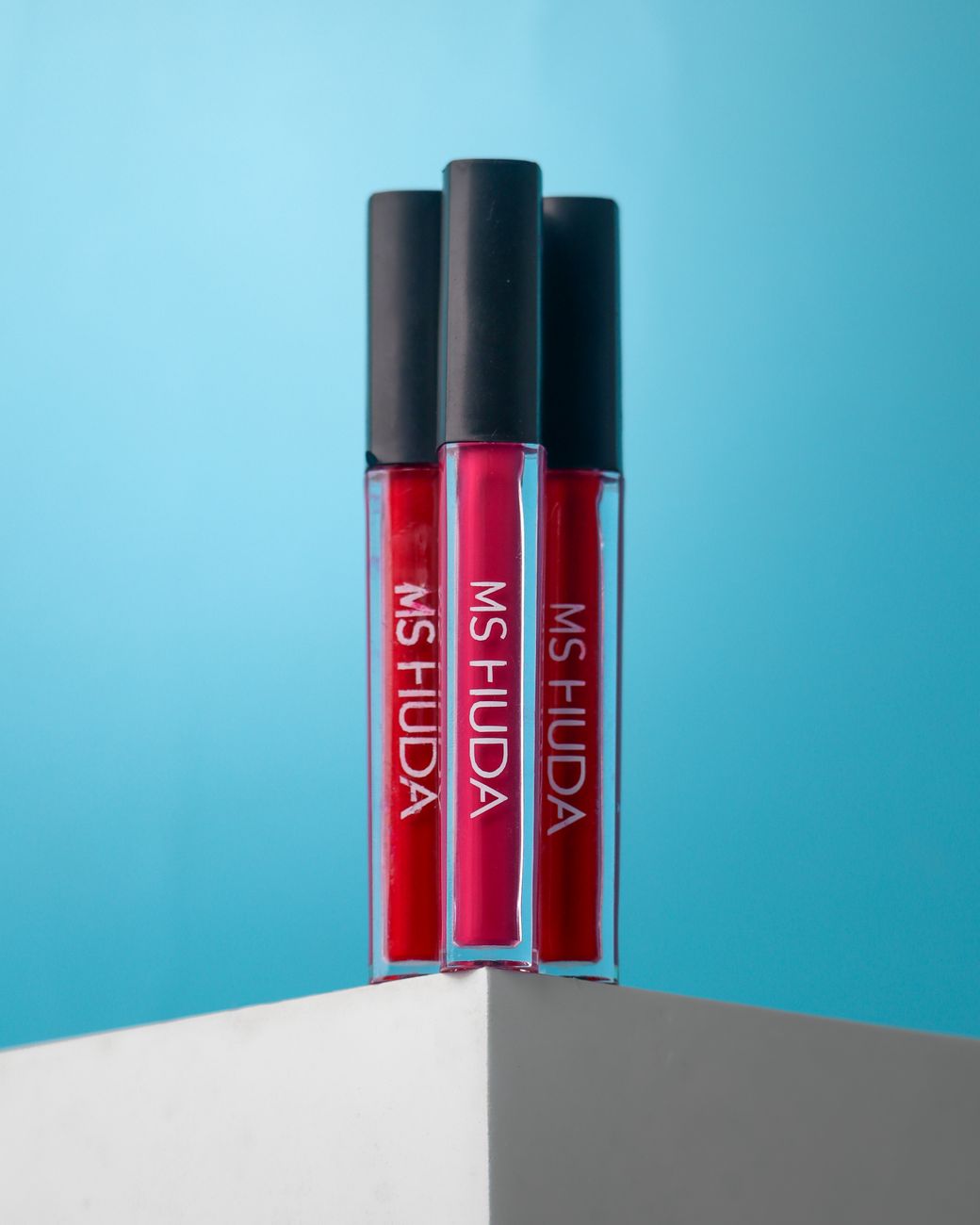
Liquid lipsticks and long-wear matte formulas dominated the 2010s, leaving an entire generation with chronically dehydrated lips. The lip mask emerged as both apology and solution, a way to undo the damage of transfer-proof formulas that lasted through meals but destroyed your lip barrier in the process. Beauty brands created the problem, then sold us the fix, a tale as old as the industry itself. Now the same companies that pushed 24-hour wear are pivoting to lip care, rebranding themselves as champions of lip health while conveniently forgetting they're the reason everyone's lips are wrecked.
The Nighttime Skincare Routine Needed a Finale
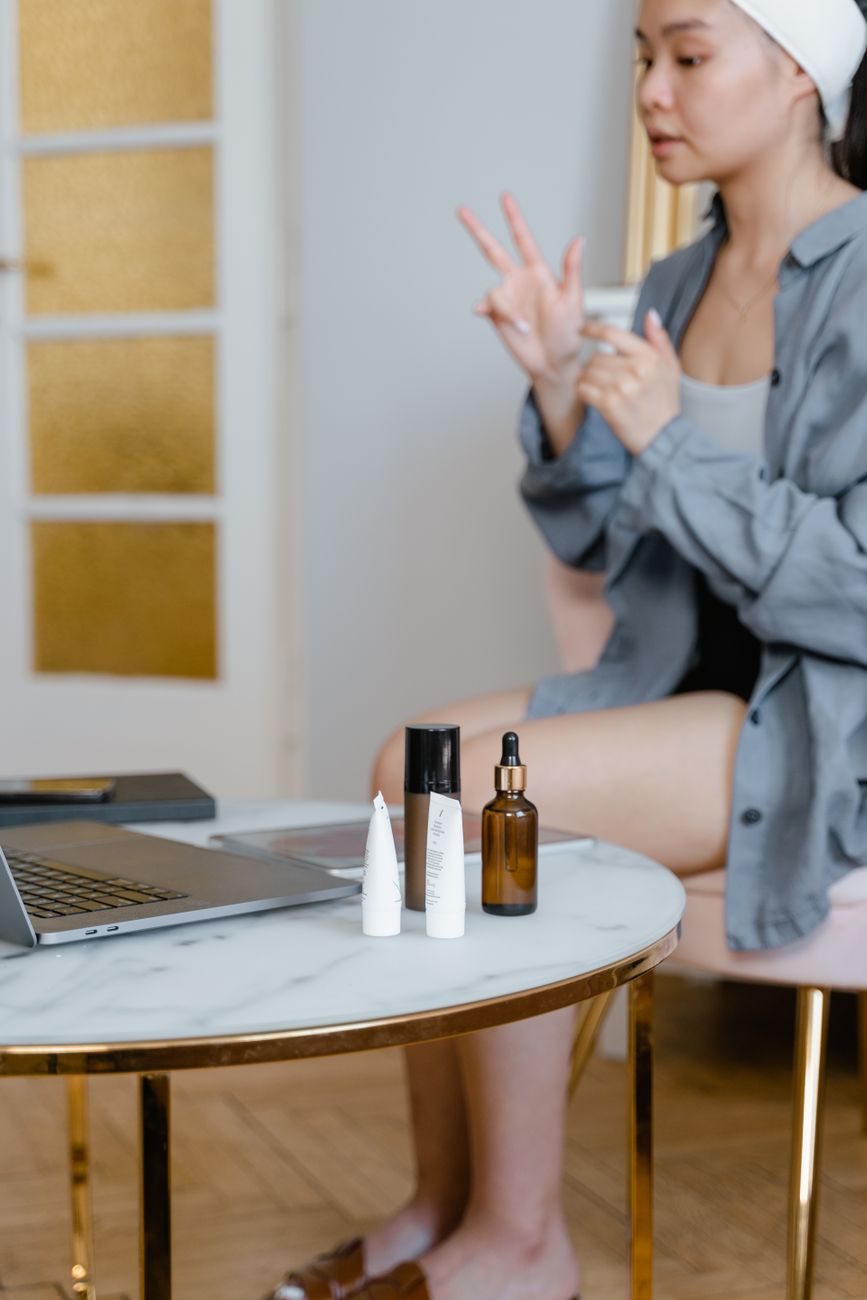
Multi-step skincare routines have trained us to expect a specific order of operations, and lip care was the missing final act. After cleansing, toning, treating, and moisturizing, there was this awkward moment where you'd just... go to bed. Lip masks provided narrative closure, the last thing you apply before sleep, a signal that your routine is complete and you're officially done optimizing your face for the day. The category filled a gap we didn't know existed, which is exactly how the best beauty trends work—by creating a need so specific that once you're aware of it, you can't imagine how you ever managed without it.
- K-Beauty Wrote the Playbook, Western Brands Took Notes
- The Spatula Made It Medical, the Marketing Made It Mandatory
- Glass Lips Required a Gateway Product
- Dermatologists Gave Permission, TikTok Gave Instructions
- Self-Care Theatre Found a New Prop
- Matte Lipstick's Revenge Required an Antidote
- The Nighttime Skincare Routine Needed a Finale