Somewhere between 2019 and now, petroleum jelly got a glow-up. What your grandmother kept in a blue tin for fifty years has been reborn as a "lip mask"—packaged in millennial pink, priced at $24, and deemed essential to your nighttime routine. The category has exploded, with everyone from Laneige to Rhode flooding the market with virtually identical formulas that promise to transform your lips while you sleep.
This isn't innovation. It's repackaging genius. The lip mask takeover reveals how beauty culture turned occlusion therapy—the dermatological term for slathering on a thick barrier—into aspirational self-care. Seven trends explain why we're all buying what we already own.

K-beauty legitimized the overnight lip treatment
Korean skincare introduced Western consumers to the concept of the dedicated lip product beyond balm or gloss. Laneige's Lip Sleeping Mask, launched in 2017, became the category's cult icon not through revolutionary ingredients but through positioning: this wasn't maintenance, it was treatment. The 10-step routine mentality created permission to add another step, another product, another purchase. K-beauty's halo effect made occlusive lip care feel sophisticated rather than redundant.
Slugging normalized looking ridiculous before bed
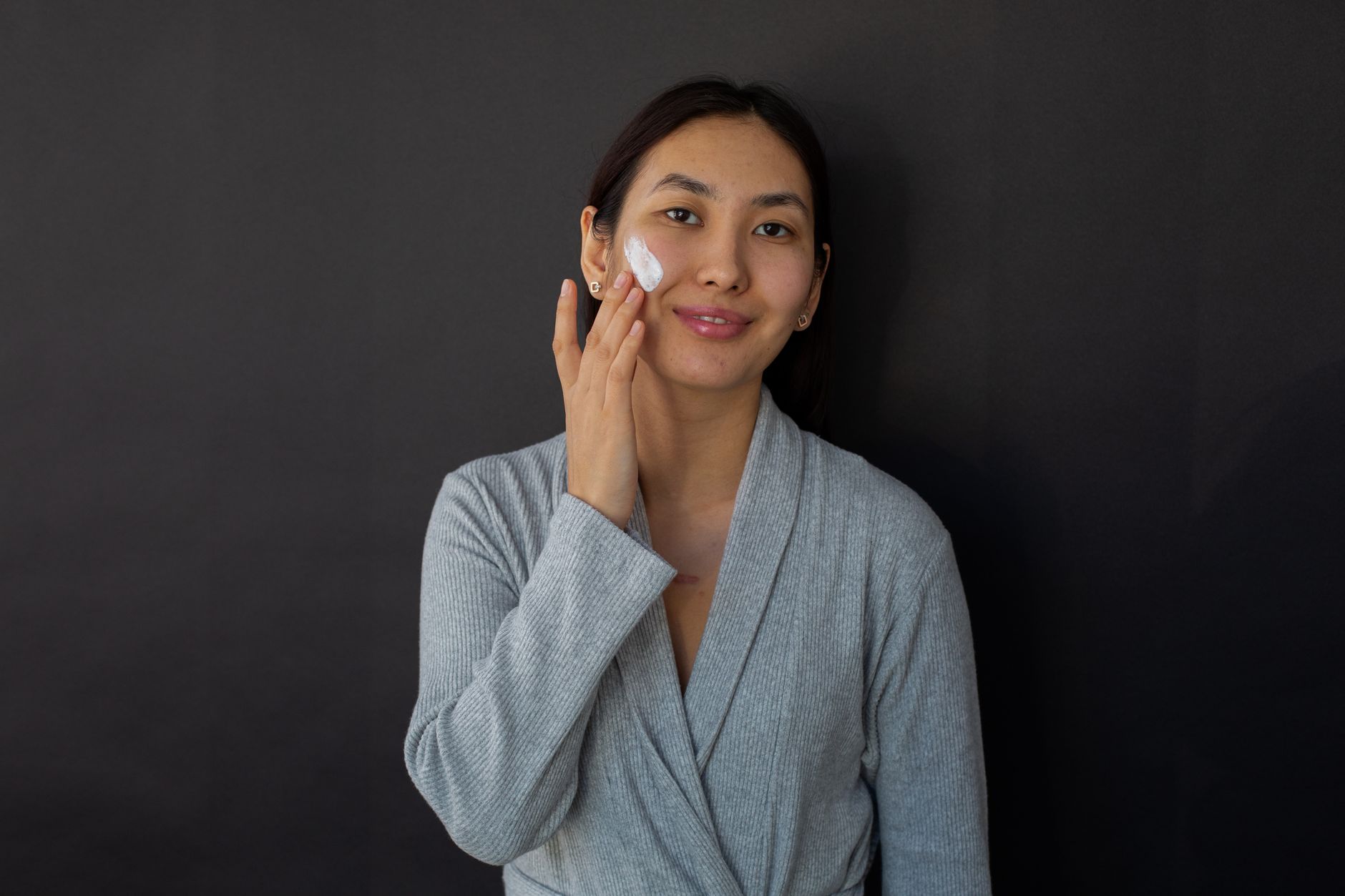
The slugging trend—coating your face in Vaseline overnight—paved the way for category-specific occlusive products. Once TikTok made it acceptable to go to bed looking glazed, brands saw an opening. If consumers would slather their entire face in petroleum jelly, they'd definitely buy a berry-scented version just for lips. Slugging destigmatized the aesthetic of serious nighttime skincare, creating cultural permission for products that prioritize function over immediate gratification.
Clean beauty created anxiety around petrolatum
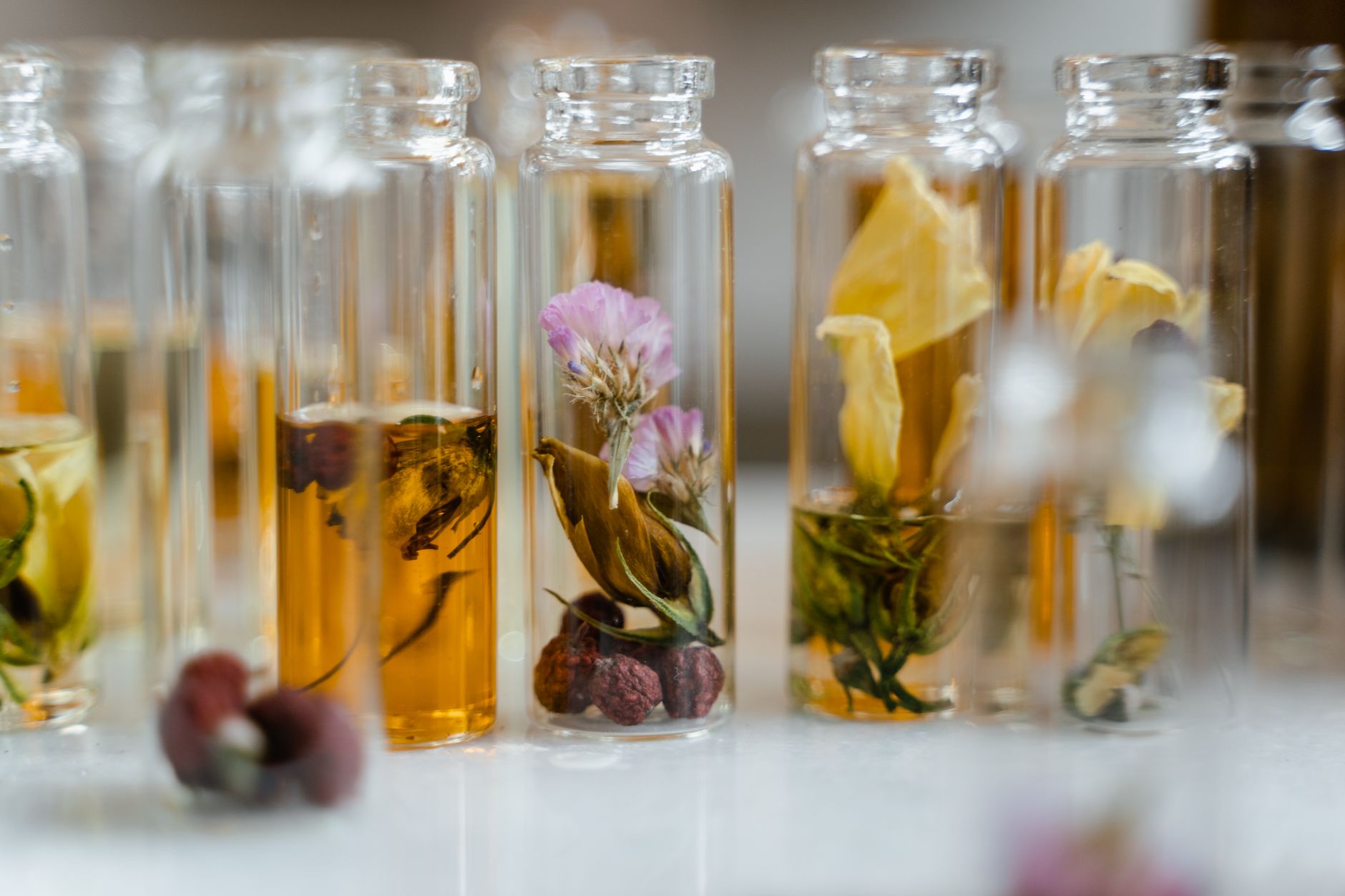
The clean beauty movement vilified petroleum-based ingredients, calling them "toxic" and "pore-clogging" despite dermatological evidence to the contrary. This created demand for alternative occlusives—shea butter, plant waxes, synthetic beeswax substitutes—that brands could charge more for while delivering essentially the same barrier function. Lip masks capitalized on petrolatum anxiety by offering "cleaner" formulations that cost five times more than the drugstore staple they're designed to replace.
Influencer founder brands needed a low-barrier entry product
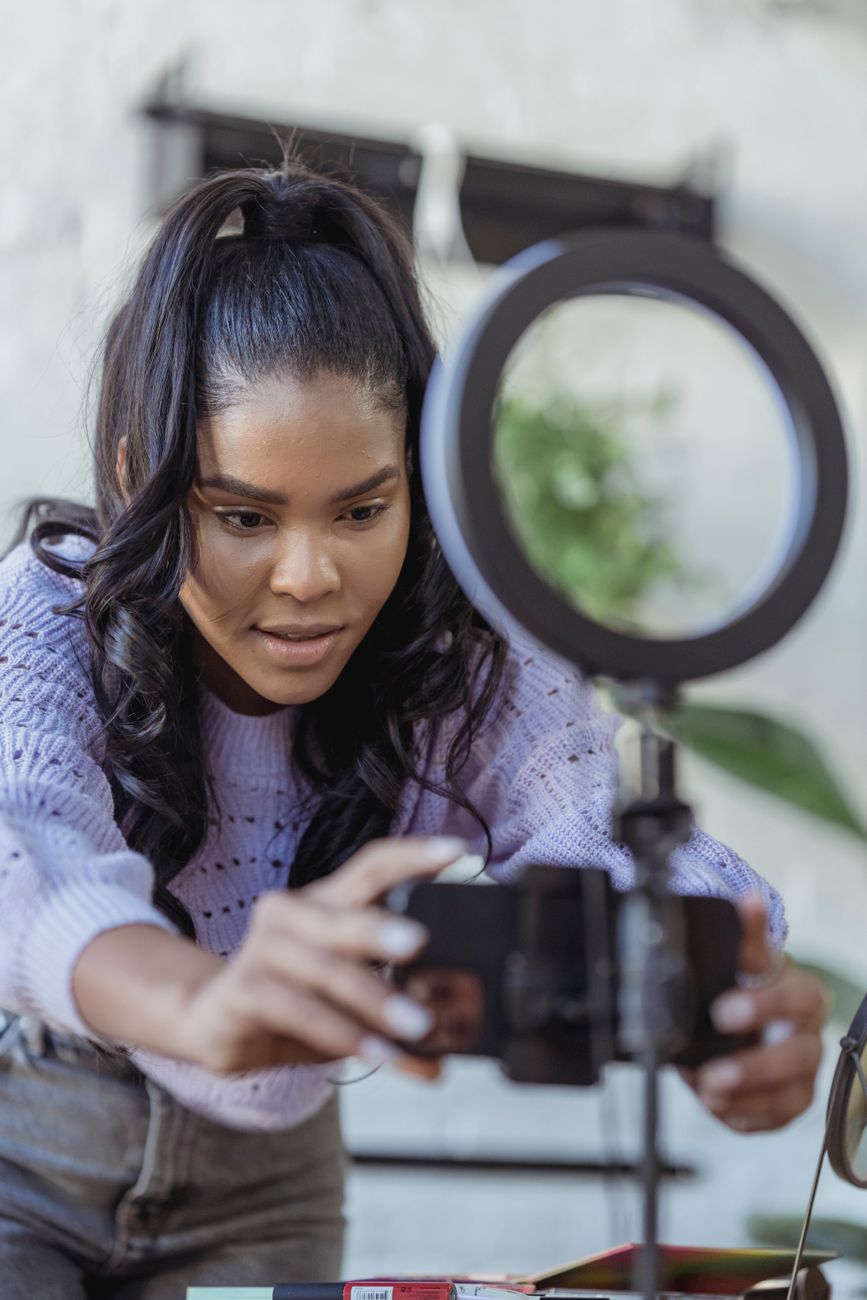
When Hailey Bieber launched Rhode with a lip treatment, she joined a pattern: celebrity and influencer brands consistently debut with lip products because they're low-risk, high-margin, and require minimal R&D. A lip mask doesn't demand the testing infrastructure of skincare or the shade range complexity of color cosmetics. It's the beauty equivalent of a celebrity memoir—a relatively easy first project that trades on name recognition while establishing market presence. The influencer founder boom directly correlates with lip mask proliferation.

Wellness culture reframed petroleum jelly as self-care
The lip mask exists at the intersection of skincare and wellness theater. Applying it becomes a ritual, a moment of intentionality before sleep, a signal that you're someone who invests in themselves. Beauty brands understood that wellness culture would pay premium prices for products positioned as self-care rather than simple maintenance. The $28 lip mask isn't about lips—it's about the identity of being someone who has a curated nighttime routine, who treats herself, who prioritizes wellness. You're not buying moisturizer; you're buying membership.
Mask fatigue expanded the definition beyond sheet masks
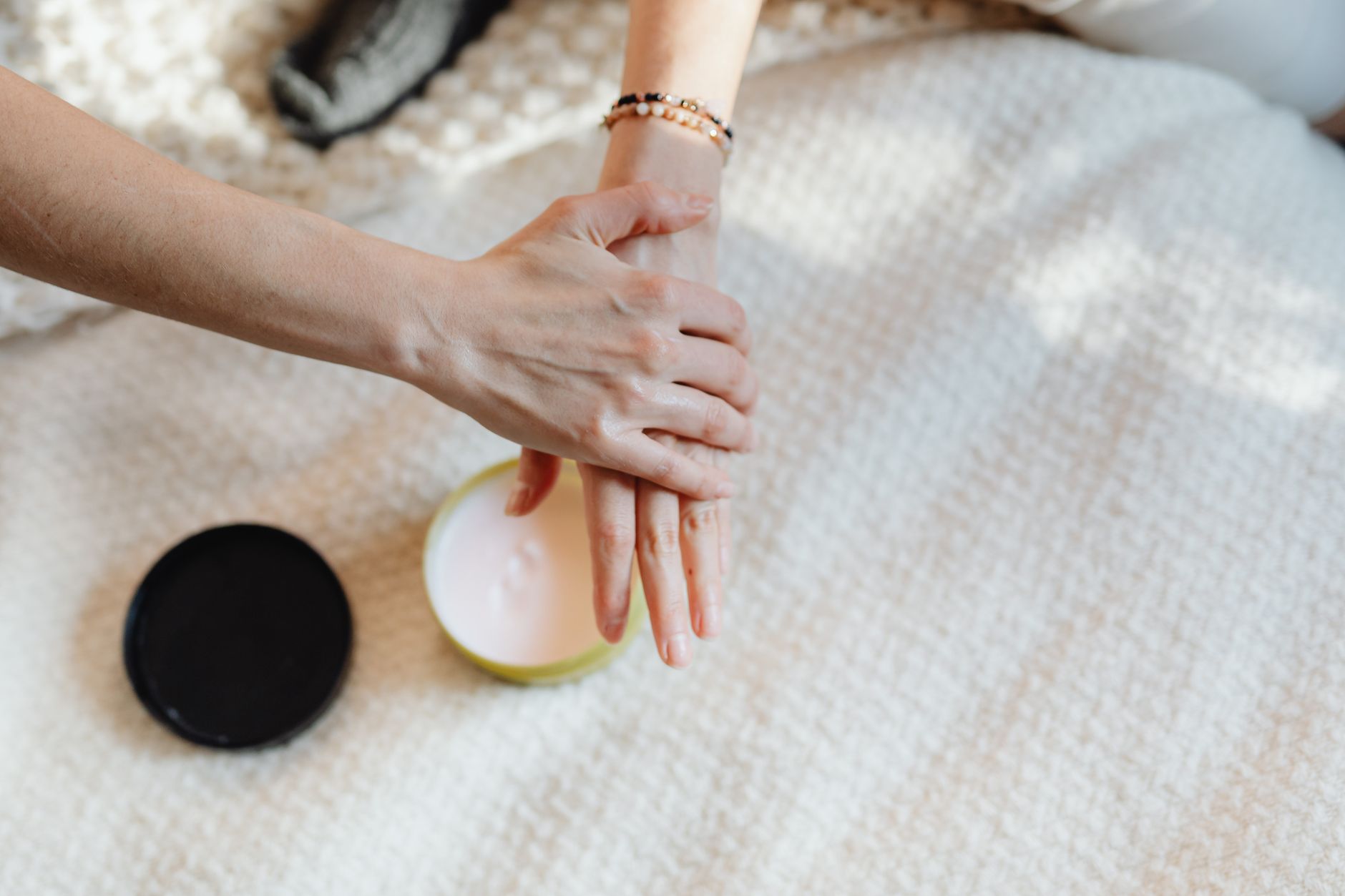
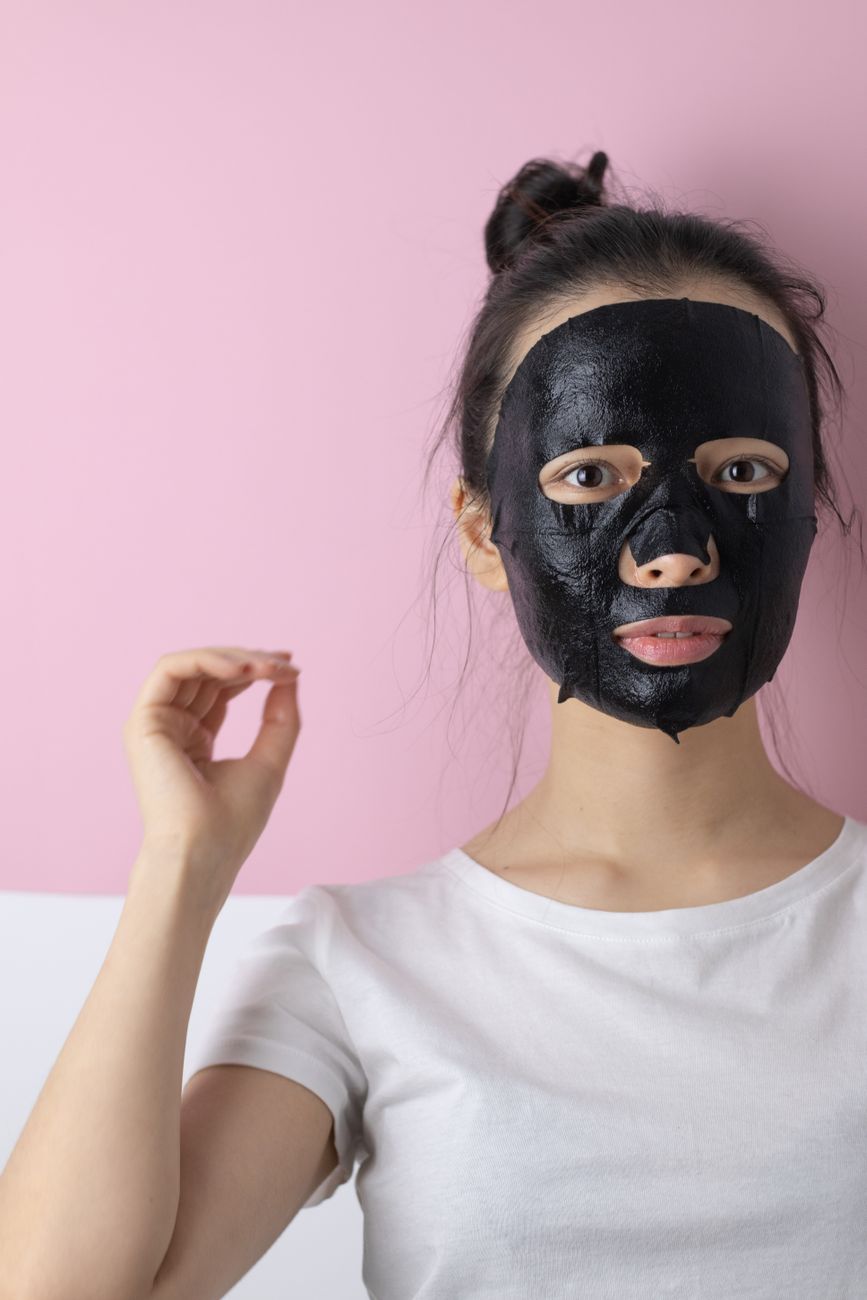
As sheet masks saturated the market and lost novelty, brands needed to extend the "mask" terminology to other categories. Lip masks, eye masks, hand masks—the word itself carries treatment connotations that "balm" or "cream" lack. Calling it a mask implies intensity, efficacy, and occasional use, even when the product is designed for nightly application. The semantic shift justifies higher price points and creates the impression of a specialized treatment rather than basic occlusion you could achieve with Aquaphor.
Retinol routines created collateral lip dryness
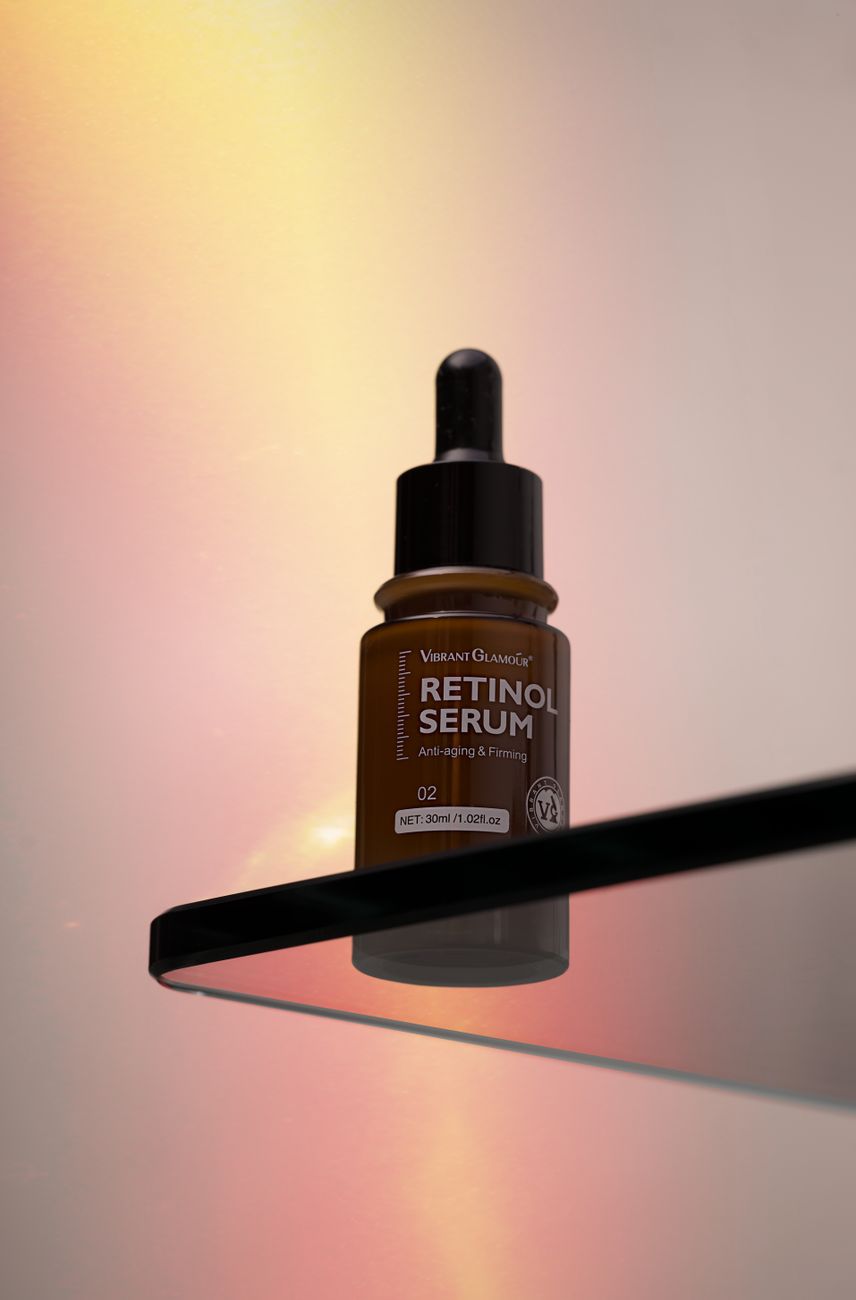
The retinoid boom of the past five years had an unintended consequence: chronically dry lips. As more people incorporated prescription-strength retinoids and acids into their routines, perioral dryness became a common complaint. Lip masks emerged as the solution to a problem the skincare industry created. Brands recognized an opportunity to sell you the antidote to the side effects of products they'd already convinced you to buy. It's vertical integration of your bathroom cabinet—the routine that creates its own need for expansion.
- K-beauty legitimized the overnight lip treatment
- Slugging normalized looking ridiculous before bed
- Clean beauty created anxiety around petrolatum
- Influencer founder brands needed a low-barrier entry product
- Wellness culture reframed petroleum jelly as self-care
- Mask fatigue expanded the definition beyond sheet masks
- Retinol routines created collateral lip dryness