Matte lipstick didn't fade—it was erased. Somewhere between 2019's Instagram maximalism and now, the beauty industry executed a complete reversal, and lip oil became the category that replaced an entire aesthetic philosophy. This isn't cyclical. It's structural.
The Glossier era didn't just sell dewy skin and boy brow—it sold permission to look unfinished, which turned out to be the most radical beauty proposition of the decade. Lip oil is the endpoint of that logic: shine without commitment, care without coverage, beauty that refuses to try too hard. Here's what's actually happening.
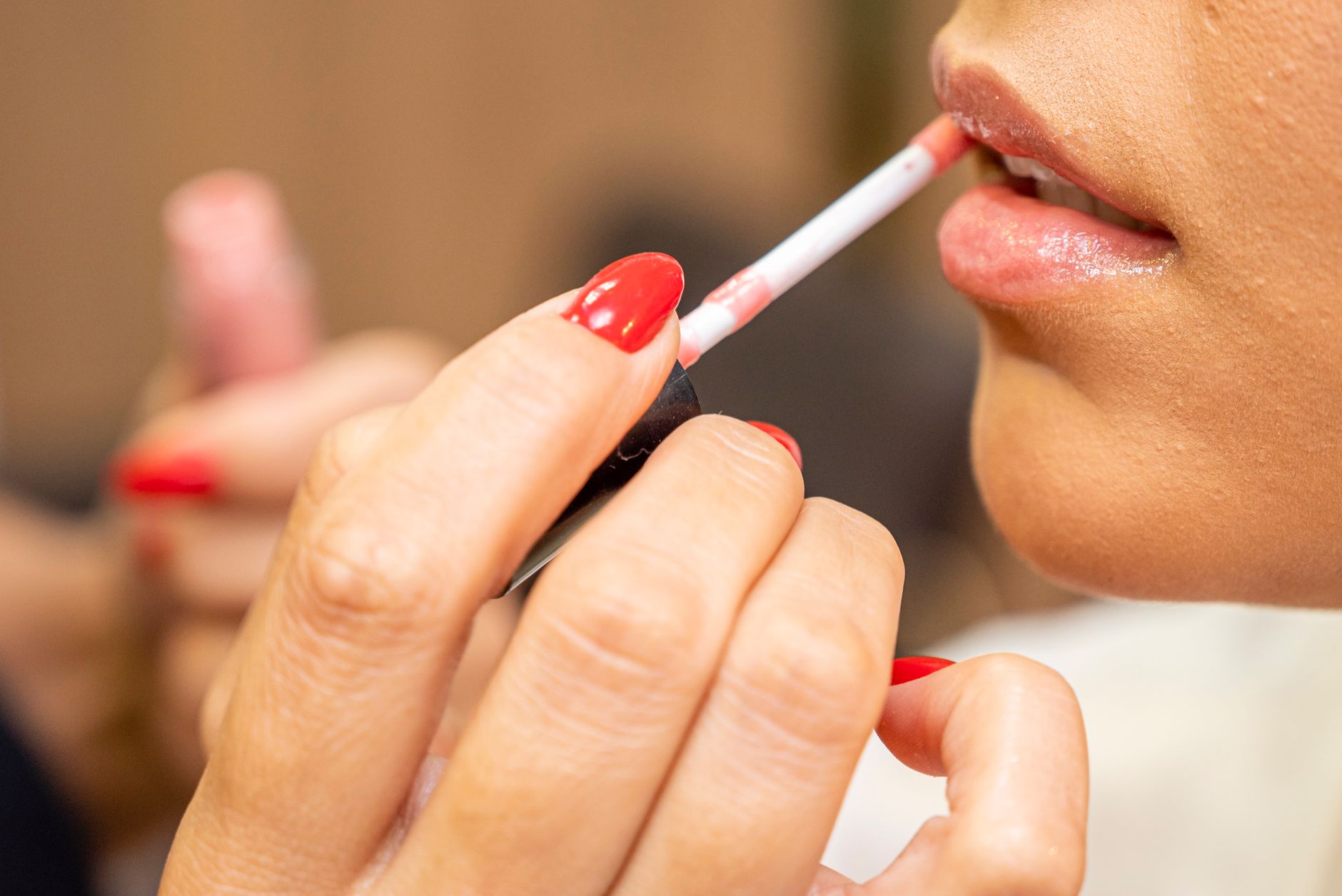
Lip oil outsold lipstick in Q4 2024, and nobody noticed the funeral
The data is stark: lip oils and glosses now represent 37% of lip product sales globally, surpassing traditional lipstick for the first time since modern retail tracking began. This wasn't a trend—it was a replacement event. Matte formulas, once 60% of the lip market in 2016, now hover below 18%. The industry shifted inventory, reformulated hero products, and moved on. The customer had already left.
"Skin that looks like skin" became the luxury signifier matte never could be
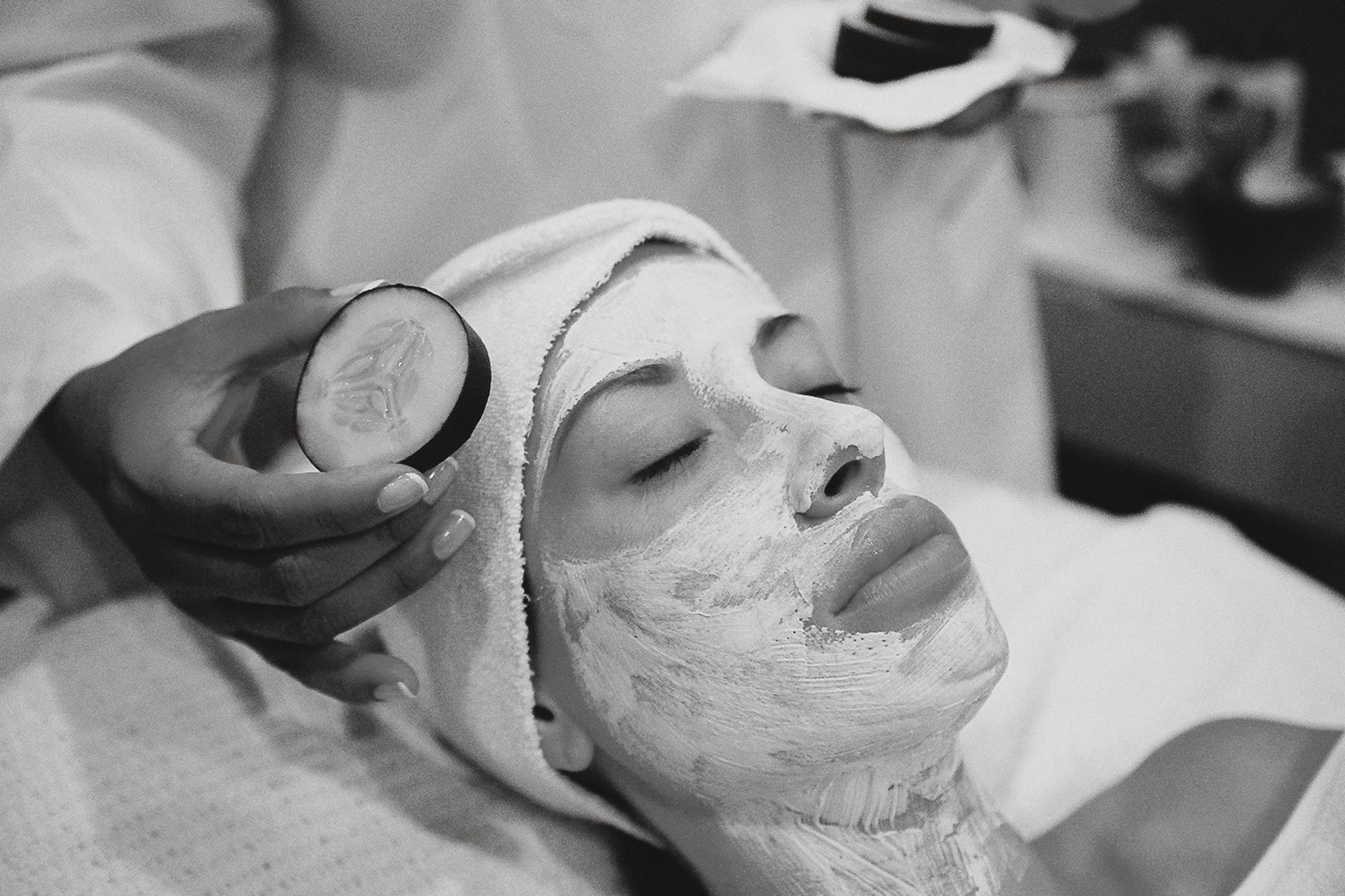
Matte lips telegraphed effort, which became culturally expensive. The rise of treatments-as-makeup flipped the status equation: now, the skin that can afford to look bare is skin that's been professionally maintained. Lip oil occupies the same space—it's hydration theatre, suggesting you've invested in care rather than coverage. The sheen isn't just aesthetic; it's a class marker that matte's velvet finish couldn't access.

TikTok's "lazy girl" aesthetic killed the idea that beauty requires architecture
The lazy girl job became the lazy girl face, and the logic is identical: minimal visible effort, maximum self-preservation. Lip oil fits perfectly into the rejection of Instagram's high-maintenance beauty grammar—no lipliner, no blotting, no reapplication anxiety. It's beauty for people who want to signal they have better things to optimize. Matte lipstick required construction. Lip oil requires only existence.

Heritage brands capitulated: even Chanel and Dior now lead with oil formulas
When legacy houses start chasing the trend rather than setting it, the paradigm has already shifted. Chanel's Comète lip oil and Dior's Addict Lip Glow Oil aren't limited editions—they're core range replacements. These brands spent decades building equity around precision and payoff; now they're selling expensive versions of what Glossier taught the market to want. That's not innovation. That's surrender to a new baseline expectation.

The real win wasn't gloss—it was redefining what "polished" means
Glossier didn't just popularize a product category; it successfully argued that the most sophisticated beauty move is looking like you're not performing beauty at all. Lip oil is the inheritor of that philosophy: it's the final, minimal gesture that replaces an entire routine. Matte died because it demanded too much—too much precision, too much commitment, too much proof of effort. In 2025, that's the opposite of aspirational.
- Lip oil outsold lipstick in Q4 2024, and nobody noticed the funeral
- "Skin that looks like skin" became the luxury signifier matte never could be
- TikTok's "lazy girl" aesthetic killed the idea that beauty requires architecture
- Heritage brands capitulated: even Chanel and Dior now lead with oil formulas
- The real win wasn't gloss—it was redefining what "polished" means