For decades, luxury skincare treated everything below the jawline like terra incognita. Your face got sixteen-step routines and NASA-grade peptides. Your back got whatever was left of the Neutrogena body wash.
That changed abruptly this quarter, when nearly every prestige beauty house launched body acne products within weeks of each other—Augustinus Bader's body serum, La Roche-Posay's reformulated Effaclar Body line, even Hermès testing body care with acne-adjacent messaging. What shifted? The same thing that always shifts: money found a new place to extract itself.
Faces maxed out, bodies remained untapped
The facial skincare market hit saturation approximately three retinol launches ago. Brands watched average order values plateau while acquisition costs climbed, and suddenly remembered that bodies have skin too—roughly 95% more of it than faces. Body acne became the convenient trojan horse: a legitimate concern that justified premium pricing on previously commoditized body care, effectively creating a new category to colonize with familiar actives at familiar margins.
Ozempic face created Ozempic back
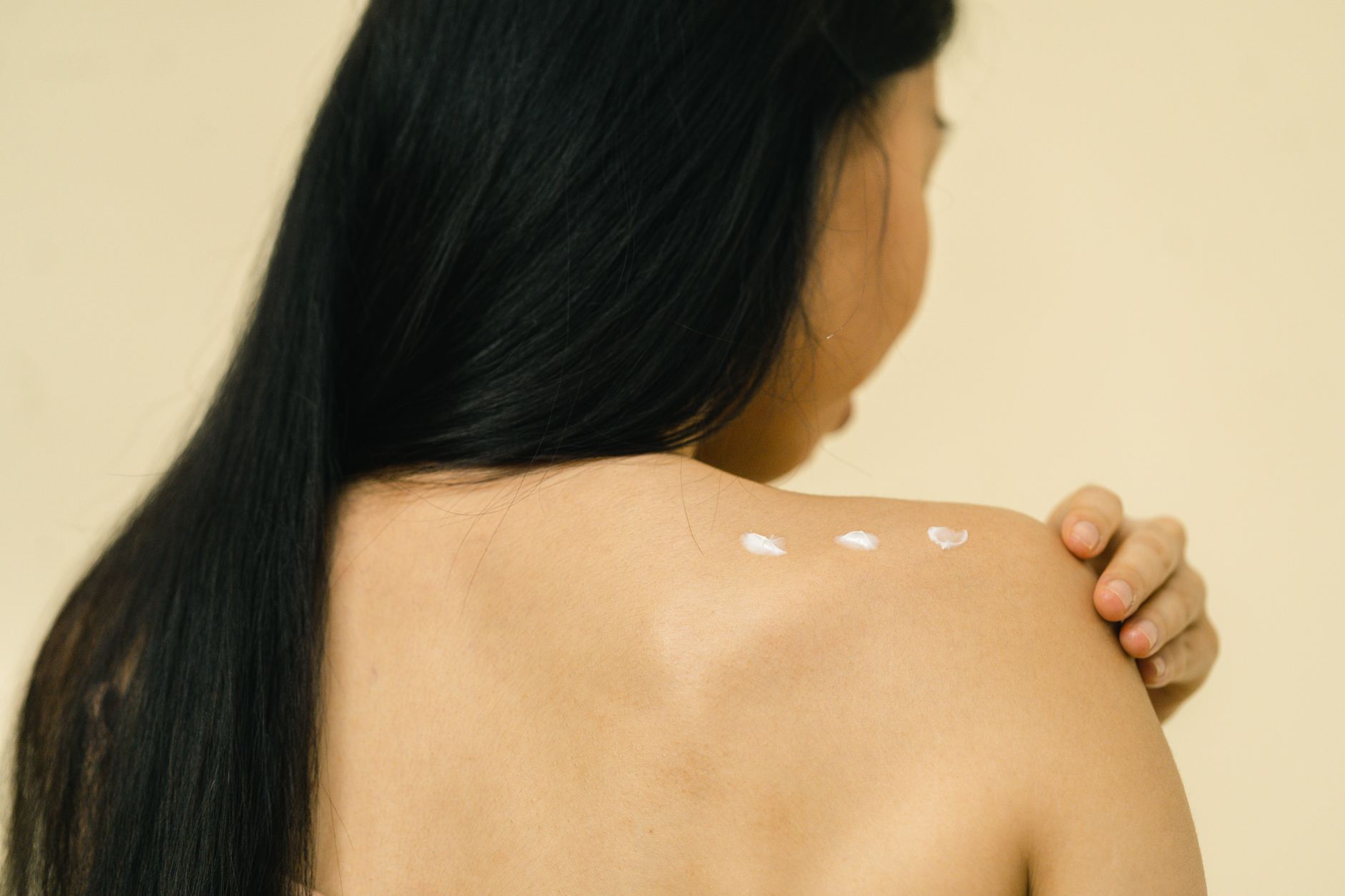
GLP-1 drugs didn't just hollow out faces—they changed how skin behaves everywhere, triggering breakouts in adults who hadn't seen body acne since high school. Dermatologists reported a spike in bacne and "chestne" cases correlating suspiciously well with semaglutide prescription timelines. Luxury brands, already tracking Ozempic's impact on facial volume loss, recognized another lucrative side effect to medicalize and monetize with bespoke solutions that whisper the problem without naming it.

Backless everything made backs newly visible
This year's runways declared the back the new décolletage—Loewe's inverted silhouettes, Ferragamo's entirely backless tailoring, The Row's austere back exposure. When fashion makes a body part a focal point, beauty follows with products to optimize it. The proliferation of open-back formal wear at weddings, galas, and offices-trying-to-be-cool created genuine consumer anxiety that brands translated into texture-smoothing body serums priced like facial investments, complete with before-after photography mimicking clinical trials.

Maskne rhetoric already trained the customer
Brands spent 2020-2022 teaching customers that external factors cause acne in previously clear areas, prepping the ground for body acne messaging that blamed everything except genetics: your workout clothes, your WFH chairs, stress-sweating through Zooms. This conveniently positioned body breakouts as solvable with the right products rather than inevitable or hormonal. The "maskne" playbook—identify new acne trigger, create corresponding product line, make it sound urgent—transferred seamlessly to selling salicylic acid body washes for $48.
Derm-fluencers needed new material
The dermatology influencer complex exhausted facial skincare discourse years ago—how many ways can you explain tretinoin? Body acne offered fresh content terrain for derm-fluencers whose engagement rates were declining on the fourteenth "slugging" explainer. They pivoted to body skincare with the same authoritative cadence, creating educational demand that luxury brands happily supplied with products to recommend. The symbiosis was immediate: derms got new sponsored content angles, brands got credible validators, consumers got permission to spend $85 on body exfoliants.