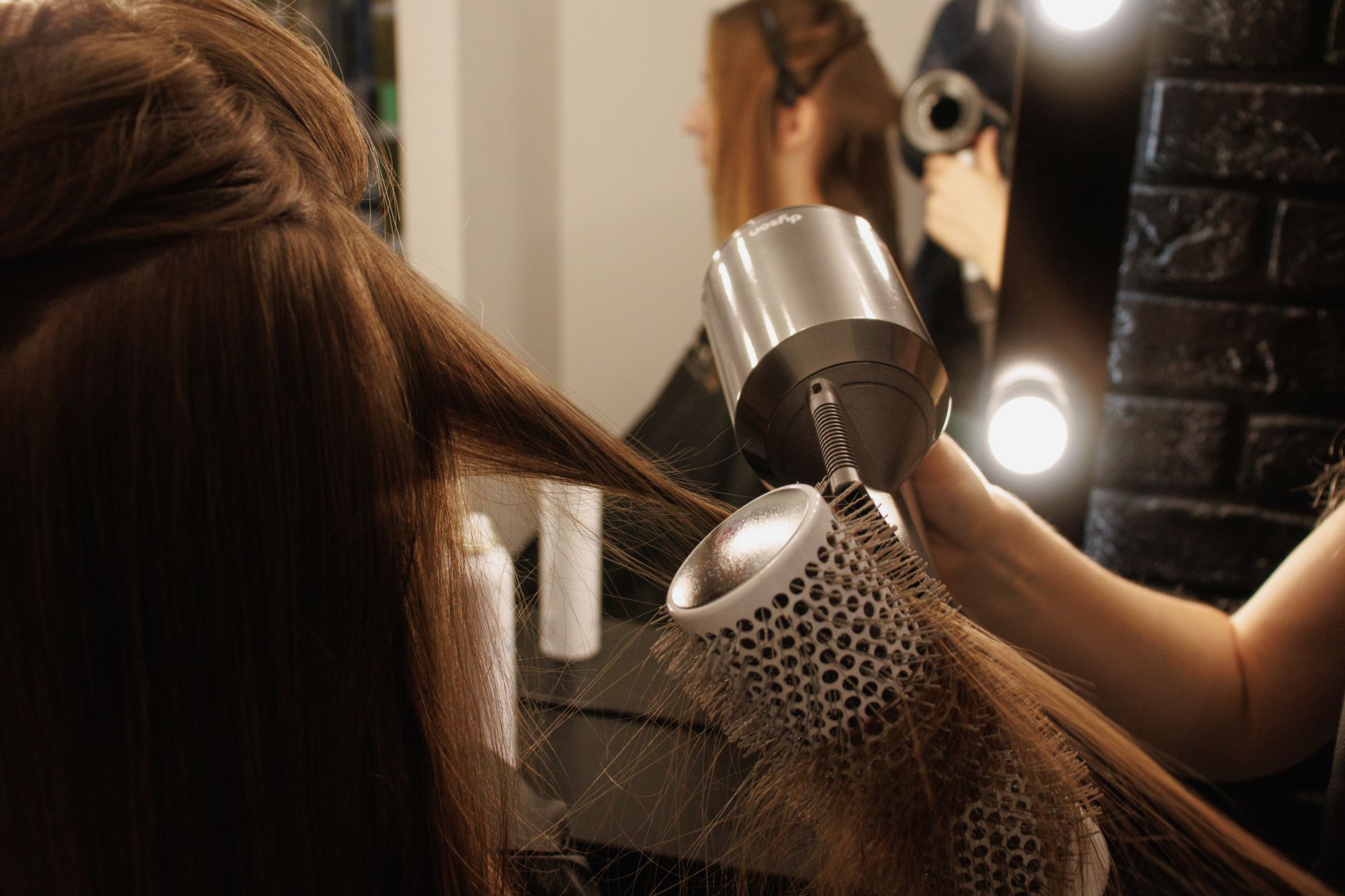
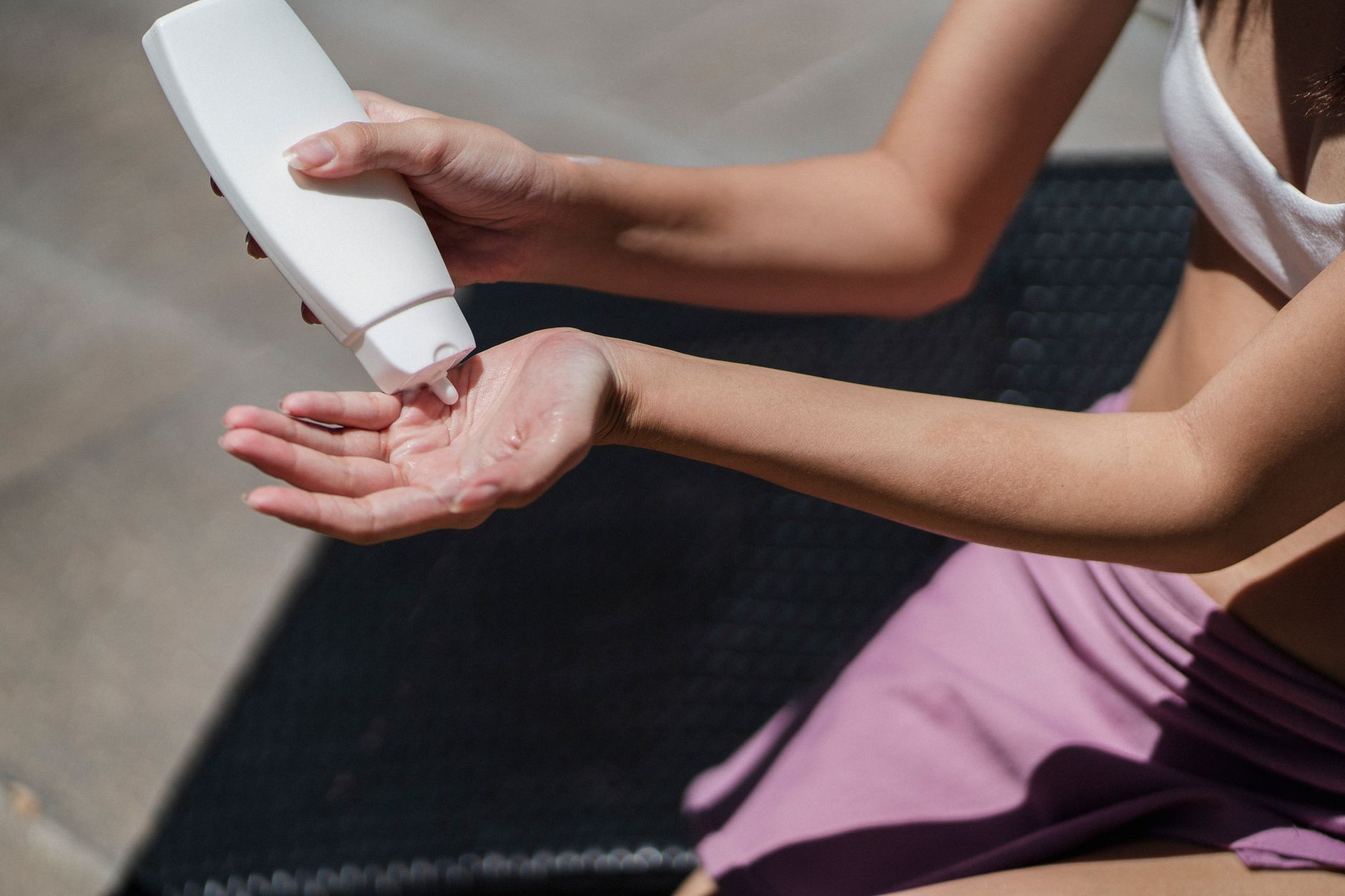
The undereye patch has left the bathroom. What was once a private five-minute ritual—a small act of maintenance hidden behind locked doors—now happens in full view of colleagues, clients, and the CEO. Gold-flecked crescents cling to faces during video calls, staff meetings, even presentations. This isn't about looking better. It's about being seen caring.
The boundary between personal grooming and professional performance has dissolved entirely. Appearing on camera with skincare actively attached to your face sends a message: I'm so busy optimizing myself that I can't spare ten minutes off-screen. It's conspicuous self-improvement as workplace credential, wellness as spectacle. The bathroom door stayed open, and everyone walked through it.
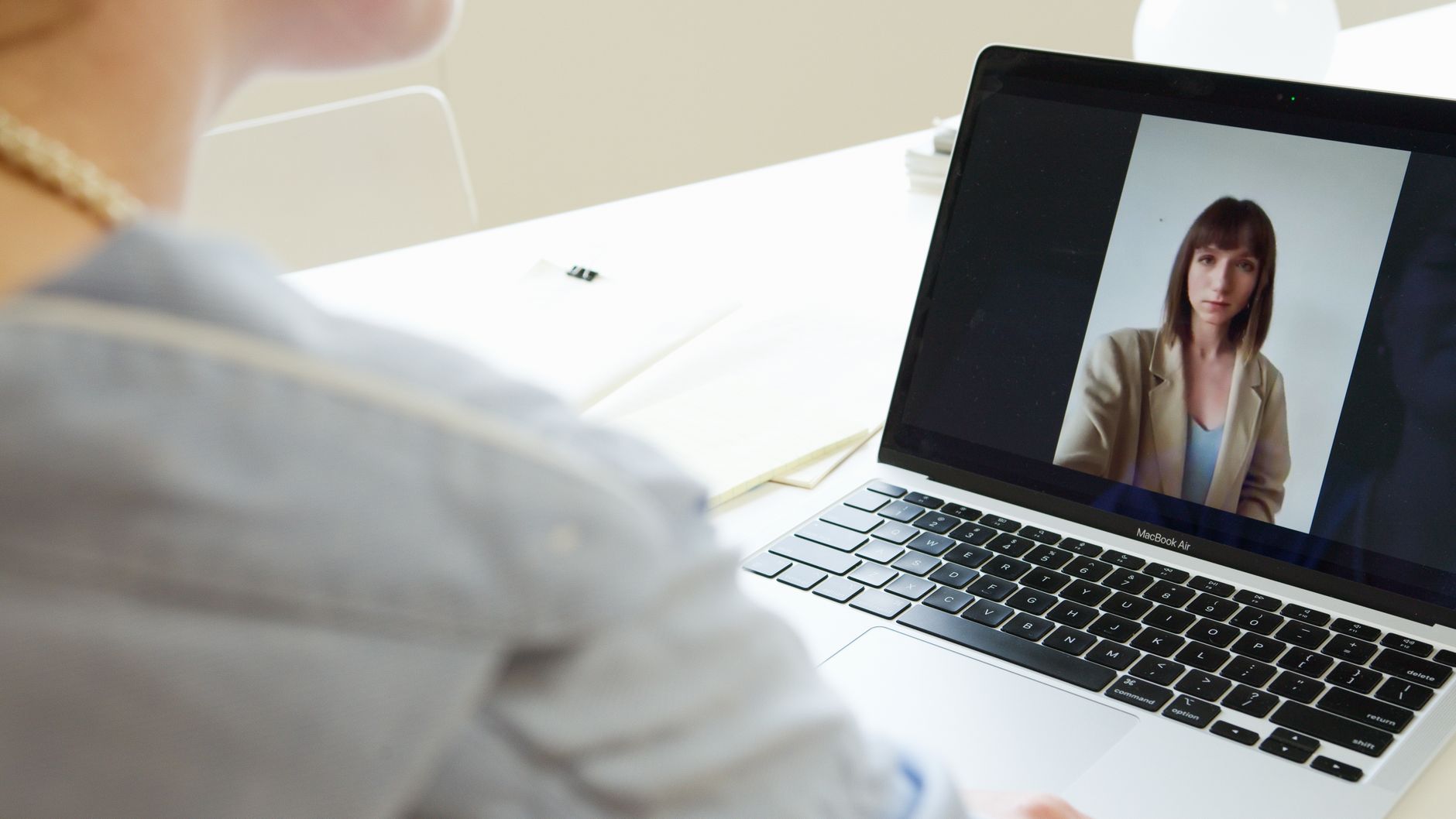
The Zoom Rectangle Turned Skincare Into Performance
Remote work made our faces into permanent displays, and the undereye patch became the perfect prop. Wearing one on camera signals busyness, self-investment, and a casual disregard for traditional professionalism—all at once. It's a humble-brag made physical: I'm so committed to this meeting that I'm multitasking my face. The patch isn't hidden anymore because hiding it would defeat the purpose entirely.
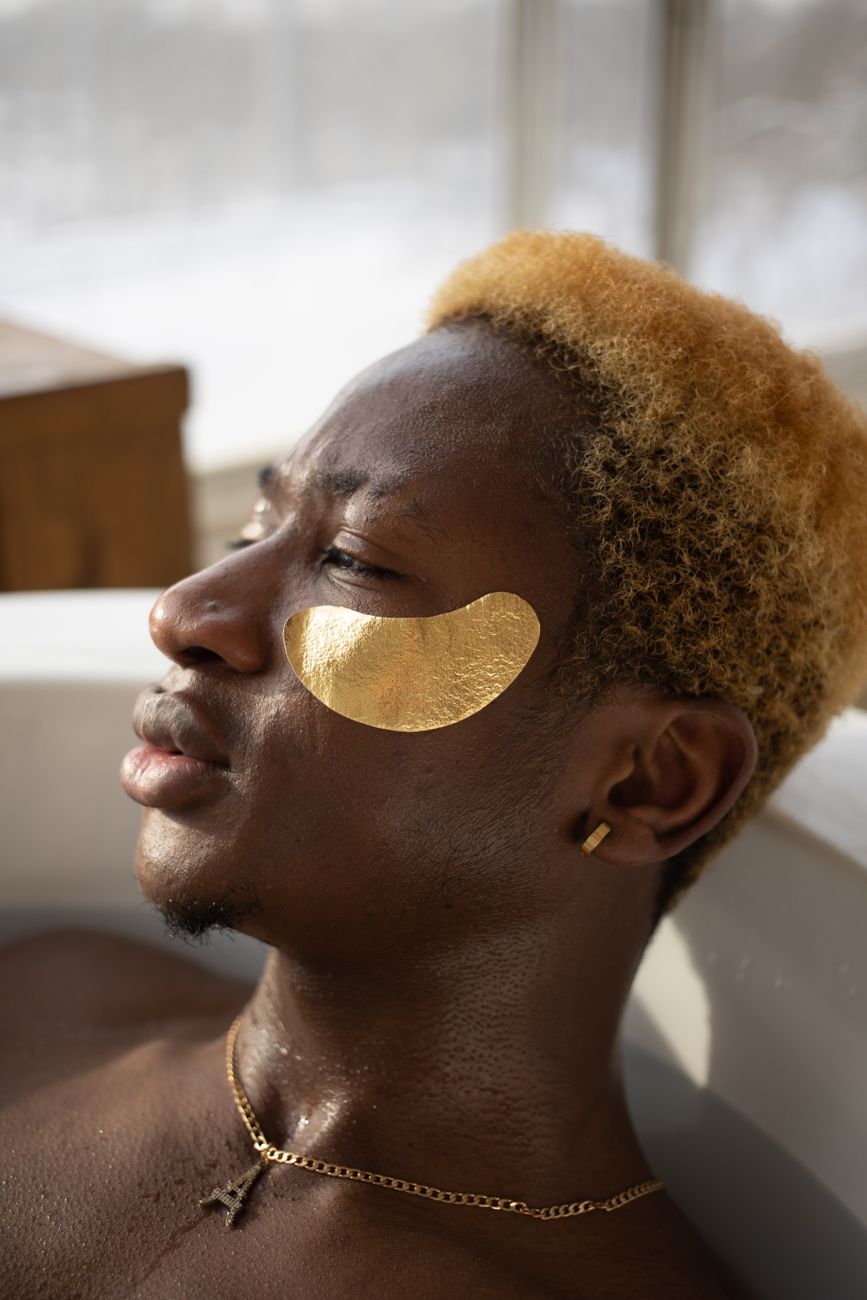
Expensive Patches Are the New Status Handbag
A $8 drugstore pack won't do. The patches that show up in boardrooms cost $80 for a month's supply, arrive in minimalist packaging, and contain ingredients you need a chemistry degree to pronounce. Colleagues can't see your car or your watch on Zoom, but they can absolutely see the brand gleaming under your eyes. It's luxury signaling adapted for a world where the status symbol has to fit in a webcam frame.

HR Approved 'Self-Care' Instead of Shorter Hours
Companies that won't address workload or burnout love a beauty ritual they can applaud. Undereye patches in meetings get framed as "normalizing wellness" and "destigmatizing self-care," which conveniently costs the organization nothing. It's cheaper to celebrate someone treating exhaustion symptoms on camera than to eliminate the exhaustion itself. The patch becomes policy: visible proof that self-care is your responsibility, not your employer's.

The Aesthetic of Trying Replaced the Aesthetic of Arrival
Finished makeup is boring; the process of improvement is the point now. Showing up with patches on says you're in a constant state of optimization, never quite complete, always working on yourself. It's aspirational incompleteness as a workplace virtue. The old standard was looking polished; the new standard is looking like you're becoming polished, perpetually, in real-time, where everyone can witness your effort.

Private Grooming Became Public Spectacle by Accident
No one decided bathrooms were obsolete—remote work just made privacy irrelevant, and offices absorbed the habit when people returned. Applying a face mask at your desk used to be unthinkable; now it barely registers. The line between backstage and performance vanished because the camera never turns off, metaphorically or literally. We're not more comfortable with vulnerability. We've just rebranded maintenance as content, and the office became another room in the house where we perform being well.