The merch table used to be simple: $25 for a tee, $40 if you wanted the hoodie. A transaction between artist and devotee, a wearable receipt of who you saw and when. Now it's a six-hour queue for a Balenciaga collaboration that costs three figures and sells out before the encore.
What happened wasn't accidental. As streaming revenue flatlined artist income, merchandise became the new economics of fandom. But when Virgil Abloh started designing tour drops and resale markets treated concert tees like limited sneakers, something fundamental shifted. The souvenir became the investment piece. The fan became the collector. And the actual concertgoer? Increasingly priced out of their own cultural moment.

Designer collaborations replaced screen-printed basics
Travis Scott's Cactus Jack hoodie retails for $150. Bad Bunny's partnership with Adidas sold out in minutes. When artists enlist actual fashion houses to design tour merchandise, the pricing structure follows luxury logic, not souvenir economics. The $30 tee is now a relic, replaced by pieces that command secondary market premiums before fans even leave the venue. This isn't merchandising—it's product drops disguised as memorabilia.

Resale culture turned fans into flippers
StockX and Grailed created a secondary economy where concert merchandise appreciates faster than the memories it's supposed to commemorate. Limited quantities drive artificial scarcity, and suddenly you're competing with bots and resellers who have zero intention of attending the show. The kid who saved for months to see Taylor Swift now faces a choice: buy the shirt or eat that week. Meanwhile, someone in a different timezone lists it for triple the price before the opener finishes their set.
Exclusive pre-show drops exclude actual attendees
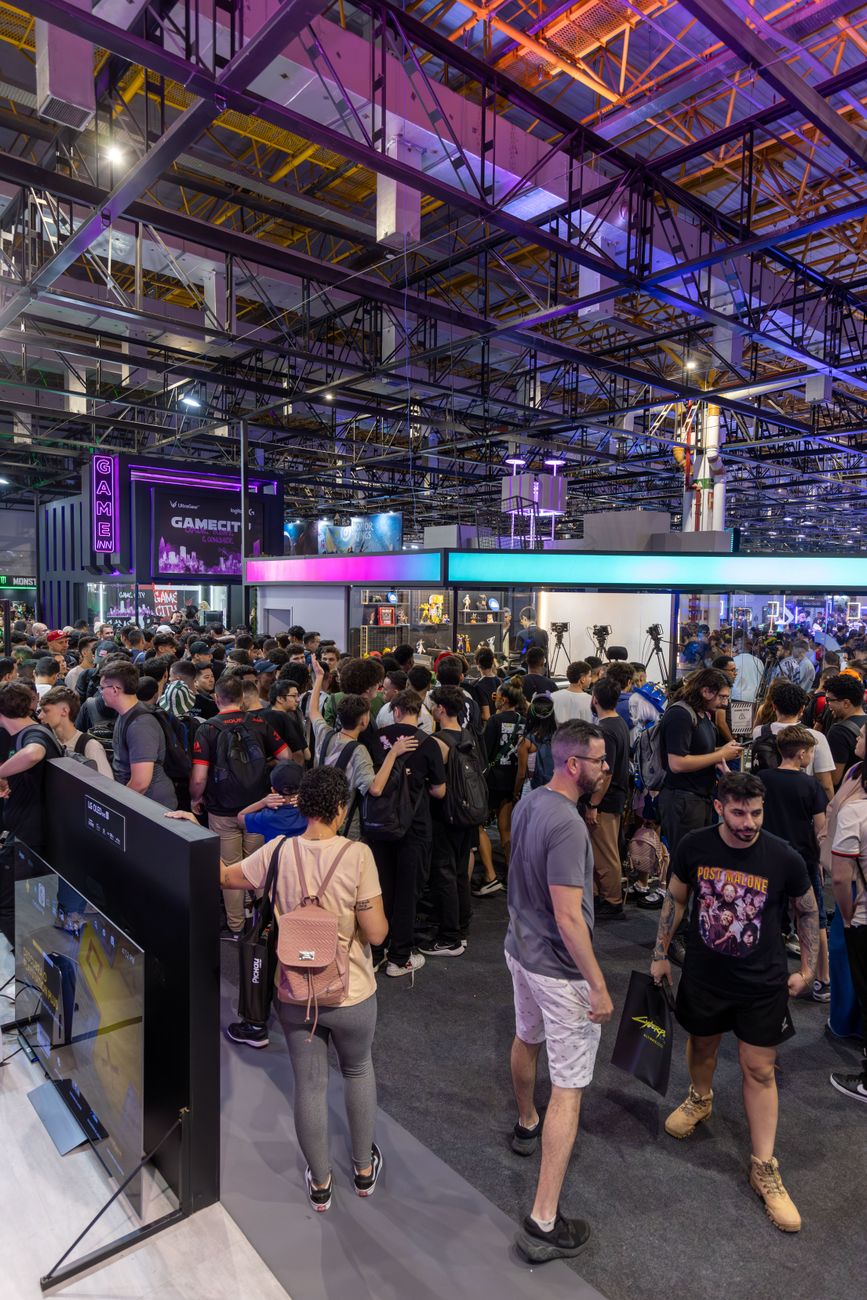
The cruelest irony: merchandise selling out before the concert begins. Pop-up shops open days before tour dates, online stores crash from demand, and by the time you're in your seat, the only items left are XS and XXXL in a color nobody wanted. Artists justify it as 'giving fans more access,' but it's actually prioritizing whoever has time to camp a website at 10 AM on a Tuesday. The person who bought the ticket last is the person who gets nothing to remember it by.
Archive culture made old merch more valuable than new music
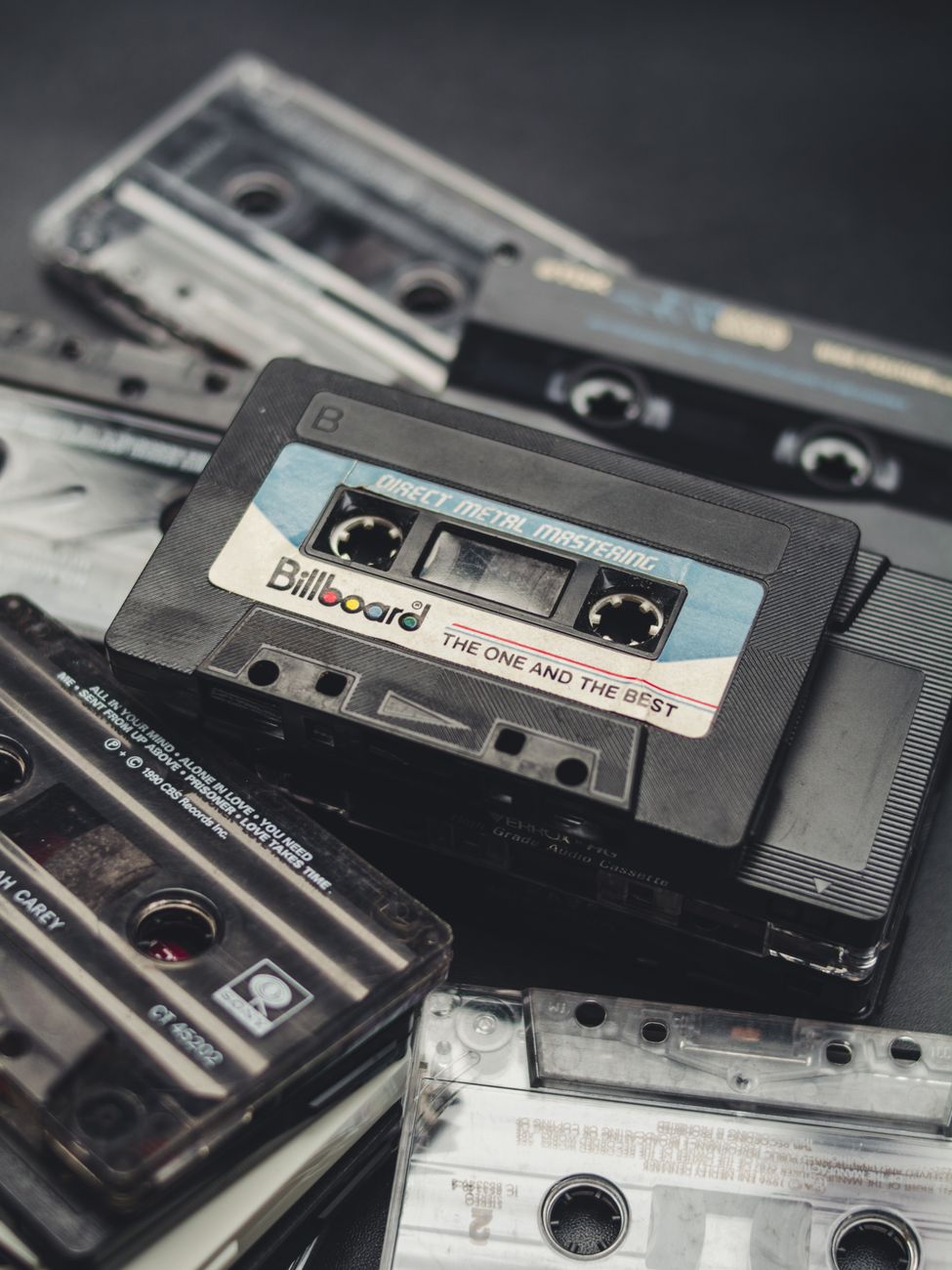
A 1994 Nirvana tour tee sells for $2,000. Original Kanye Pablo merch commands four figures. Vintage band shirts have become genuine collectibles, authenticated and archived like art. This retrospective fetish doesn't just inflate old prices—it sets expectations for new releases, creating a market where scarcity is engineered from day one. Brands learned that if you make fewer shirts, each one becomes inherently more valuable. Fans learned that buying merch is less about expression and more about speculation.

The actual music became secondary to the merchandise drop
At some stadium shows, the merch line is longer than security. Fans arrive early not for good spots but for first access to clothing. The inversion is complete: the concert is now the excuse to buy the product, rather than the product commemorating the concert. Artists who once sold shirts to fund the tour now design tours to sell the shirts. The economics make sense until you remember that music was supposed to be the point, and everything else was just a way to take the feeling home.