The people who understand money have stopped wearing it. Instead, they've redirected that energy toward what sits folded beside their dinner plates. Cloth napkins—proper ones, not the sad poly-blend squares from wedding registries—have become the quietest, most devastating wealth tell in modern domesticity.
This isn't about entertaining. It's about living like every meal matters, even when no one's watching. The kind of people who use proper linens for Tuesday night pasta aren't trying to impress guests. They're signaling something more fundamental: time, care, standards. While the rest of the world reaches for paper towels, a specific cohort has made the cloth napkin their entire aesthetic position.
The Belgian Linen Arms Race
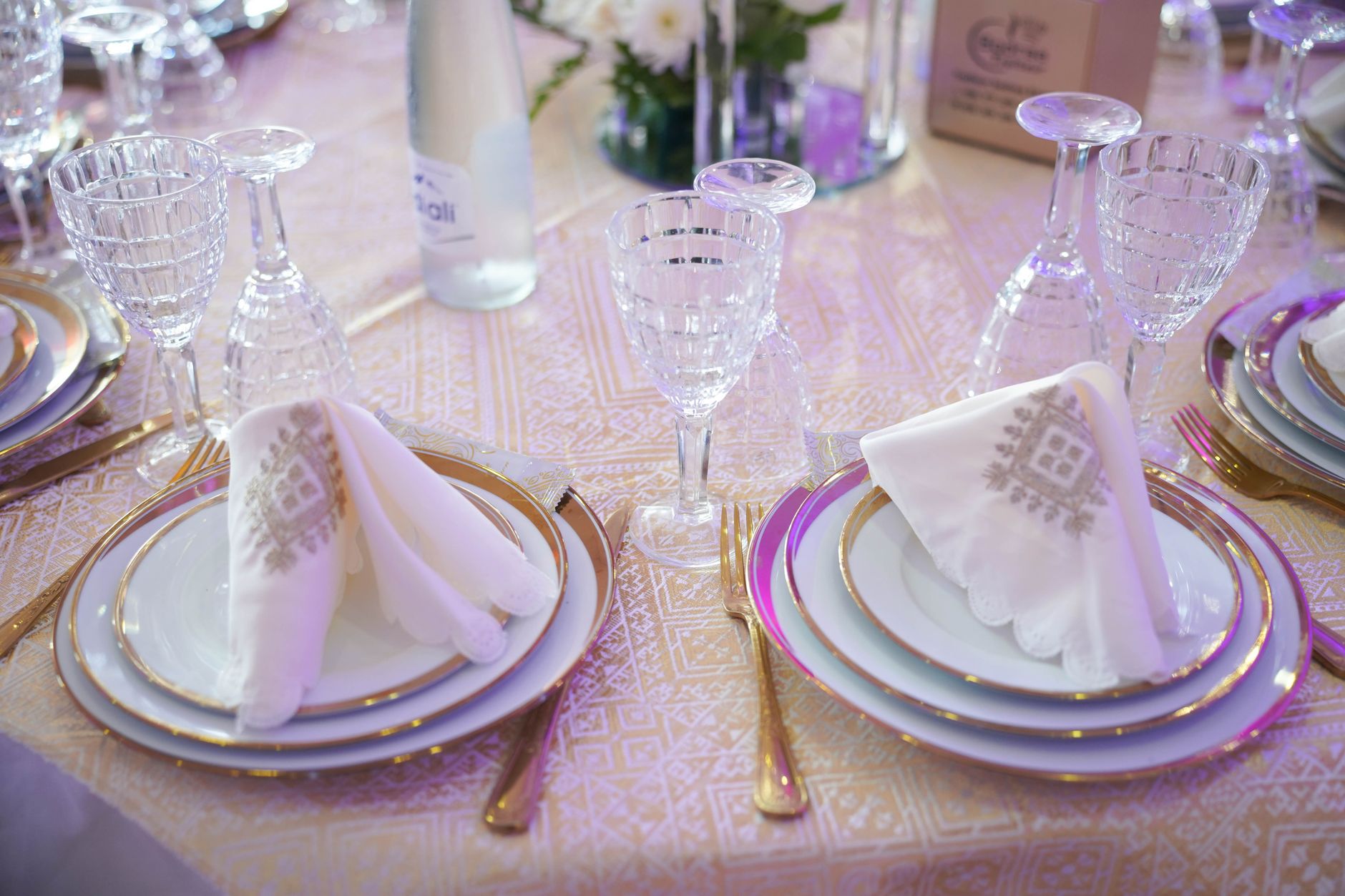
European linen, especially Belgian, has become the new Hermès bag—except you need twelve. The texture does something that cotton can't: it looks better wrinkled, which means it looks expensively unbothered. Mills like Libeco and Once Milano have waiting lists, and the people who know are quietly hoarding inventory before everyone else figures it out.
Monograms Aren't Tacky Anymore
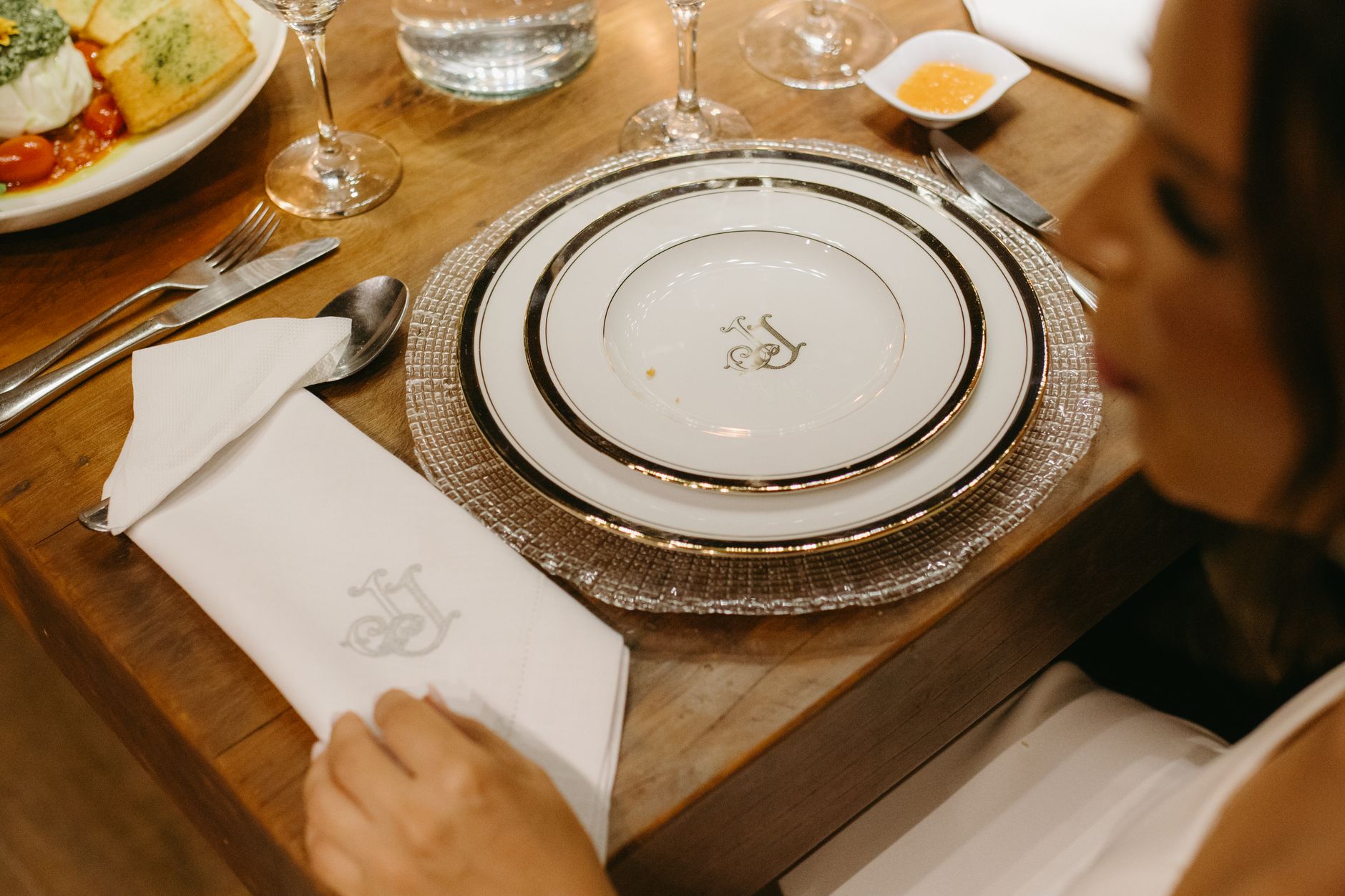
Personalization used to read as gauche. Now it reads as legacy. Having your initials embroidered on napkins suggests permanence, the kind of thinking that extends beyond trend cycles. The new codes are subtle—tone-on-tone stitching, lowercase letters, off-center placement. It's proof you're not renting your aesthetic from Instagram.

Laundry as Lifestyle Position
Using cloth napkins daily means committing to laundry, which means either having time or hiring someone who does. That's the point. It's visible labor made invisible through routine—the same logic as fresh flowers or ironed sheets. The friction is the flex. People who optimize everything suddenly aren't optimizing this, and that choice is loud.
The Vintage Market Knows
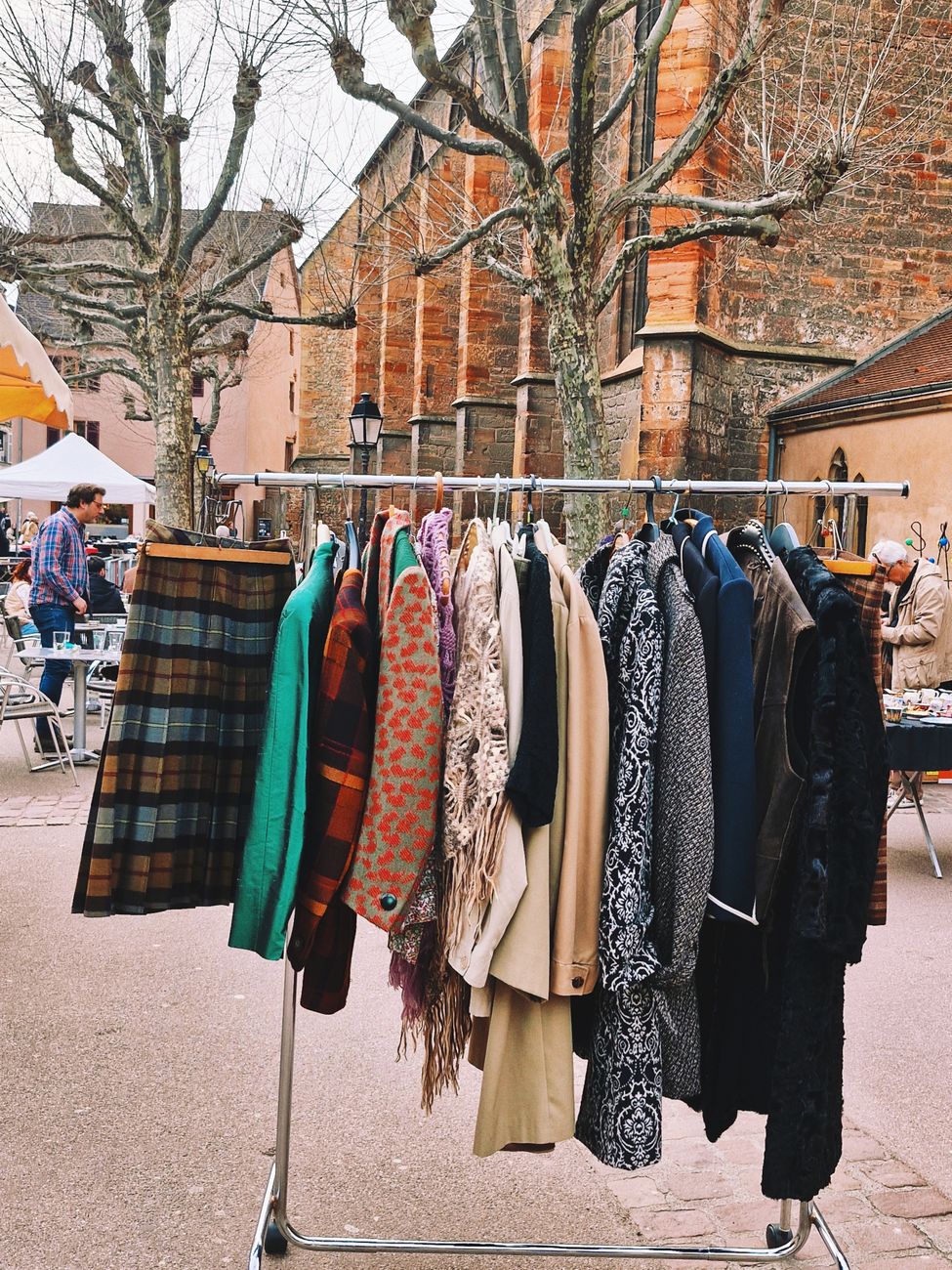
French brocante dealers have watched linen napkins go from filler items to destination purchases. Antique damask sets, especially mismatched ones with provenance, now command prices that rival contemporary designer versions. Collectors aren't buying them for weddings—they're using them daily, letting decades-old fabric absorb the wine stains of 2025. Patina is currency.

Dinner Parties Died, Standards Didn't
The formal dinner party collapsed under its own performance anxiety, but the people who actually enjoyed that world didn't lower their standards—they privatized them. Proper linens at a Tuesday dinner for two is more radical than a twelve-person seated event. It separates those who perform taste from those who live it, audience or not.
Colorways as Class Markers
White and cream still dominate, but the cognoscenti have moved into muddied earth tones—clay, stone, that specific shade of greige that photographs like wealth. Bright colors signal trying. Neutrals signal confidence. The spectrum from ecru to mushroom has become as coded as knowing which arrondissement someone means when they just say "Paris."

Napkin Rings Are Having a Moment (If You Know)
Napkin rings disappeared for a reason—they looked like your grandmother's formal china routine. But minimal brass or ceramic versions have quietly returned, stripped of any Victorian fussiness. The new ones are sculptural objects that happen to hold fabric. It's another layer of intentionality, another small decision that separates considered living from convenience.
The Paper Towel as Moral Failure
Somewhere between zero-waste discourse and aesthetic obsession, paper towels became indefensible. Not for environmental reasons—though that provides cover—but because they represent a specific kind of giving up. Cloth napkins signal the opposite: that you haven't surrendered to disposability, that your daily life merits objects designed to last. It's virtue and vanity in perfect equilibrium.