Southeast Asia has always attracted Western wanderers—backpackers, digital nomads, expats seeking reinvention. But the latest wave isn't here for enlightenment or career opportunities. They're here because they've decided Western women are the problem, and a favorable exchange rate is the solution.
The 'Passport Bros' movement—men who relocate abroad explicitly to find more 'traditional' partners and cheaper lifestyles—has transformed from Reddit thread to full-blown migration pattern. What started as disgruntled forum posts has become a cottage industry of YouTube channels, coaching programs, and Facebook groups coordinating mass relocations to Chiang Mai, Manila, and Ho Chi Minh City. The implications for local communities, tourism infrastructure, and cross-cultural dynamics are just beginning to surface, and they're more complicated than the bros themselves care to admit.
The Economics Are Quietly Grotesque
These men aren't moving for opportunity—they're relocating for purchasing power. The pitch is always the same: $1,500 monthly goes further in Pattaya than Pittsburgh, and local women supposedly appreciate 'real men.' What they're actually describing is economic arbitrage applied to relationships, where financial imbalance becomes the foundation of intimacy. It's colonial dynamics dressed in digital nomad aesthetics, and the men involved seem genuinely baffled when locals don't appreciate their presence as the economic blessing they imagine it to be.

Local Women Have Clocked the Pattern
Women in these destination cities aren't naive about what's happening. They've developed sophisticated vetting systems, warning networks on local social platforms, and increasingly public disdain for the specific type of Western man who arrives with a backpack and a manifesto about feminism ruining America. The irony: the men seeking 'traditional' partners are encountering increasingly media-savvy women who can spot a Passport Bro's red flags from across a coworking space. The fantasy was always built on information asymmetry that no longer exists.

Tourism Infrastructure Is Morphing Around Them
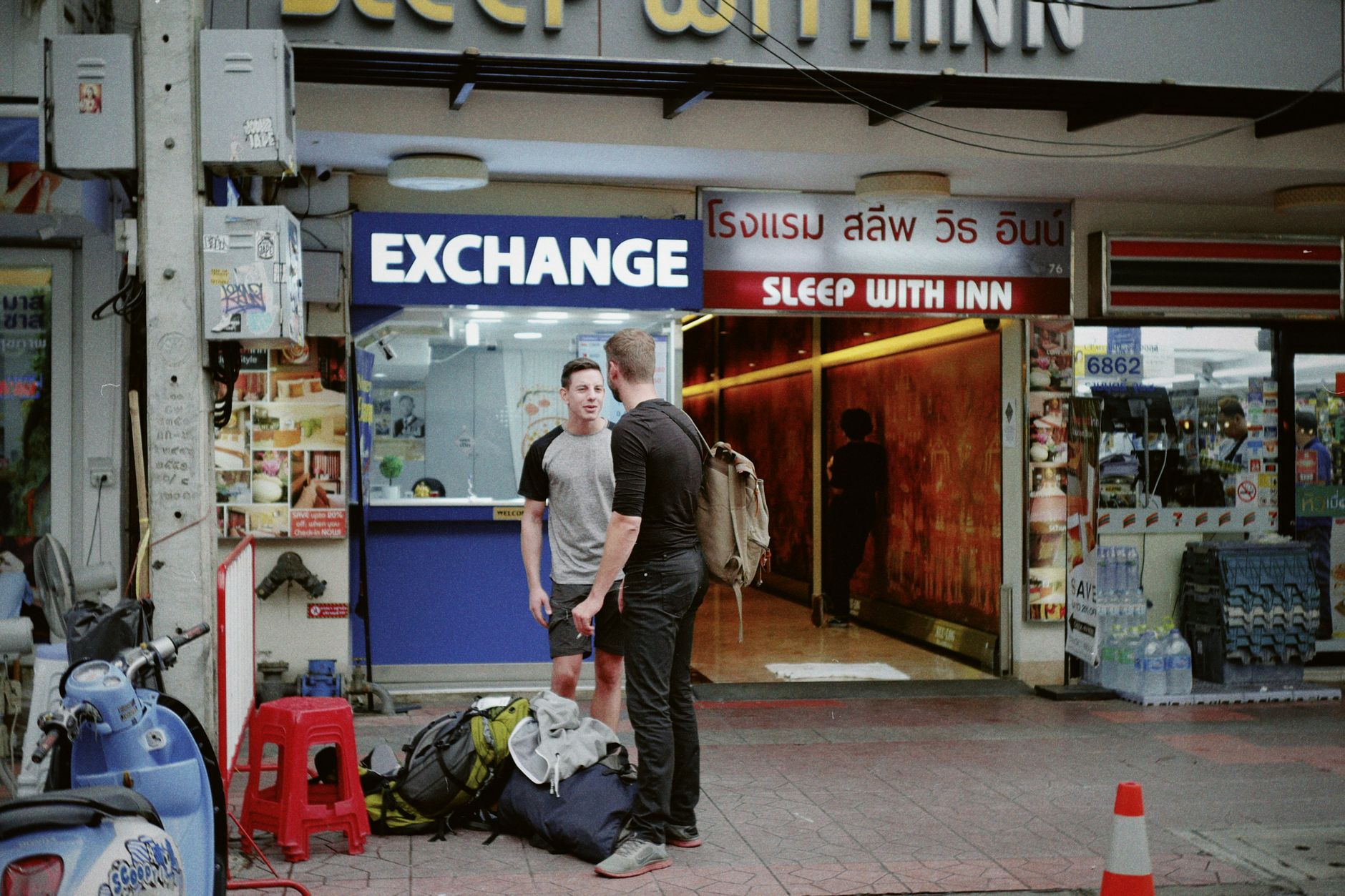
Entire neighborhoods in Chiang Mai, Angeles City, and Phnom Penh are now optimized for this demographic—Western-style gyms advertising on passport bro Facebook groups, restaurants with deliberately Americanized menus, bars hosting meet-ups for 'freedom-minded men.' It's creating parallel tourism ecosystems that local residents increasingly avoid, turning certain districts into expat bubbles that contribute economically while eroding the cultural texture that made these cities appealing in the first place. The result is a strange provincialism: men who traveled thousands of miles to live in a cheaper version of the place they left.

Governments Are Starting to Notice
Thailand and the Philippines are quietly tightening visa requirements and increasing scrutiny on long-term tourists with no clear employment. It's not official policy—yet—but immigration officers are asking more pointed questions, and visa runs are becoming less reliably approved. The calculation is delicate: these men bring foreign currency, but they also bring reputational risk and social friction. Several Southeast Asian influencers and politicians have begun publicly questioning whether this particular tourist segment is worth the economic trade-off, especially as digital infrastructure makes other forms of remote revenue increasingly accessible.

The Content Is the Cautionary Tale
The real documentation of this phenomenon lives on YouTube channels and TikTok accounts where Passport Bros record their 'journey'—and inadvertently create archives of their own dysfunction. Videos intended to sell the lifestyle often reveal profound loneliness, cultural disconnection, and relationships that function more like service arrangements than partnerships. The comments sections have become anthropological studies in self-deception, where men congratulate each other on 'escaping the Matrix' while describing lives of profound isolation. It's performing freedom while constructing a prison of grievance, just with better weather and lower rent.