Passport rankings used to be a curiosity. Now they're gospel. The Henley Passport Index, Arton Capital's Global Passport Power Rank—these quarterly scorecards measuring visa-free access have evolved from niche reports into foreign policy obsessions. Countries are restructuring entire diplomatic strategies to move up a few spots, treating travel freedom like Olympic medals.
What began as a data exercise has become a geopolitical competition. Citizenship-by-investment programs proliferate. Bilateral visa waiver agreements multiply. Tax structures shift to attract the globally mobile. The passport in your pocket isn't just identification—it's a tradable asset in a new kind of international status game.
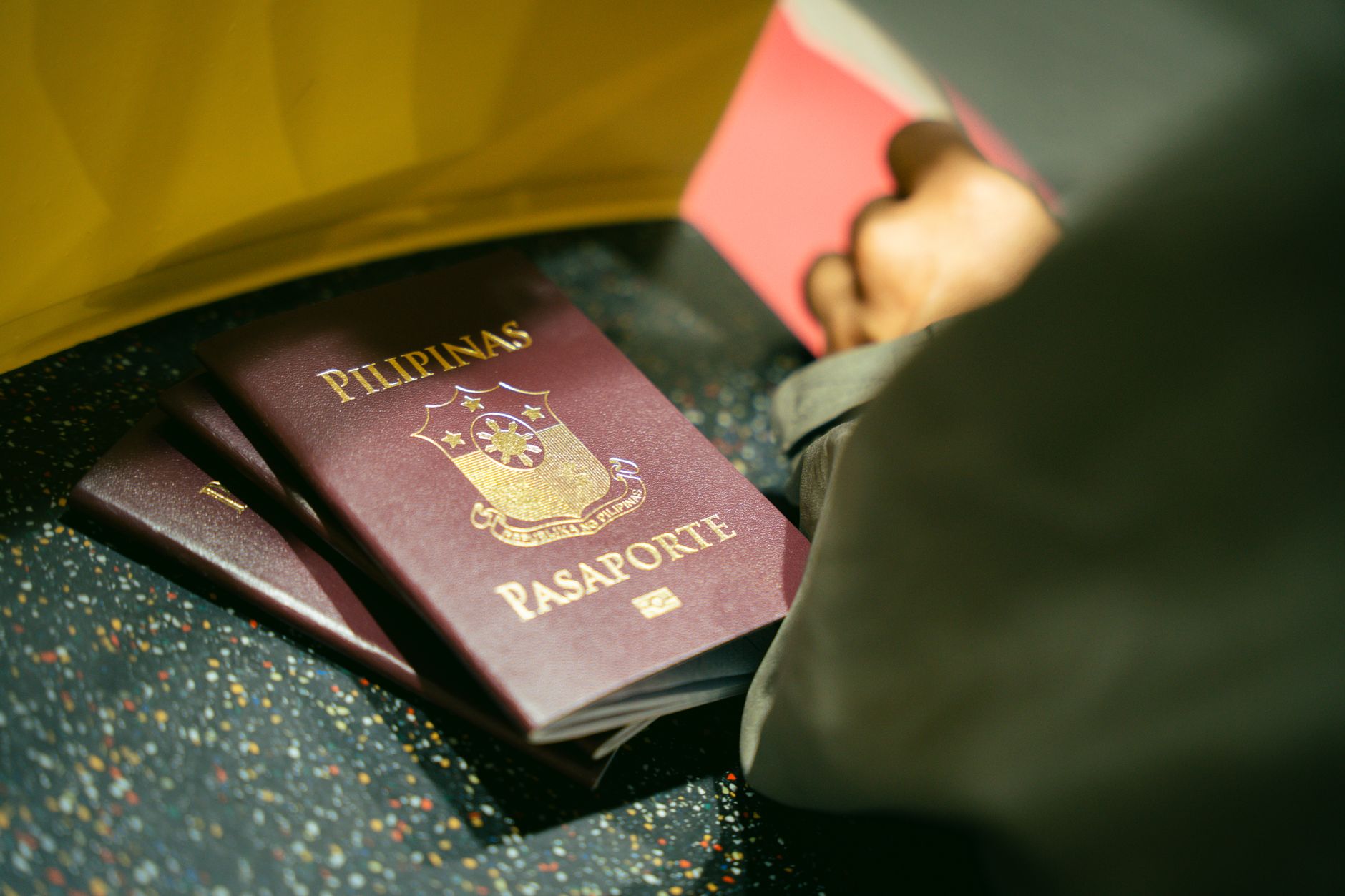
Singapore and Japan are locked in a visa-free access arms race
The top spot on the Henley Index flips between Singapore and Japan with each quarterly update, both currently offering access to 190+ countries without advance visas. What looks like a tie is actually intense competition—each nation monitors the other's diplomatic negotiations, racing to sign reciprocal agreements with smaller nations that barely move the tourism needle but add crucial ranking points. It's geopolitical one-upmanship disguised as travel convenience.
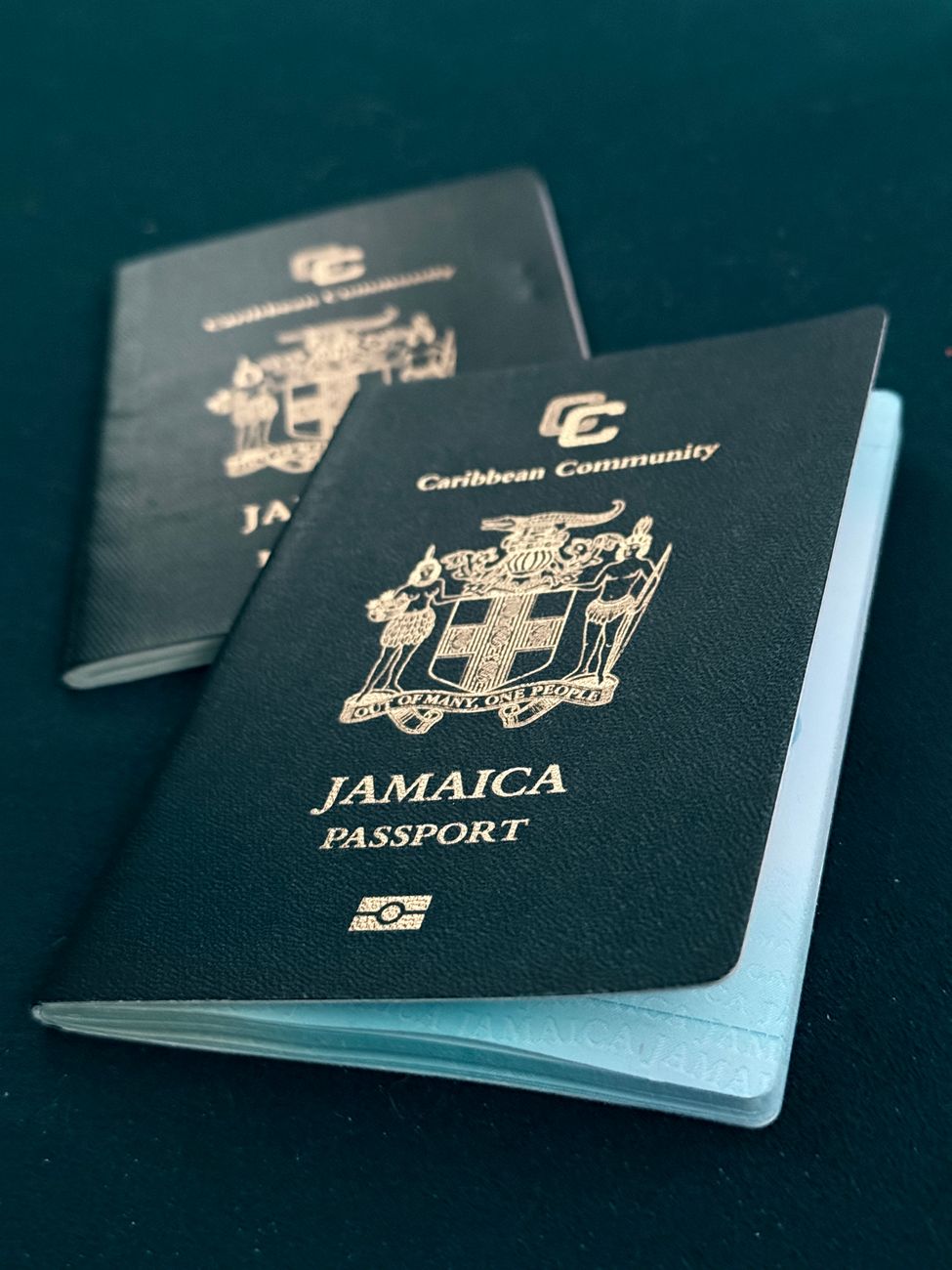
Caribbean nations turned citizenship into a tech startup exit strategy
Antigua, St. Kitts, Dominica—small island nations discovered their sovereignty is valuable to the globally mobile wealthy. For $100,000 to $200,000, you can acquire a second passport that grants visa-free access to the EU and UK. These programs now constitute 25-30% of some Caribbean nations' GDP. The product being sold isn't tropical paradise—it's a higher passport ranking score that unlocks frictionless global movement.

The UAE engineered a 20-year climb from ranked 62nd to 11th
In 2000, UAE passports accessed 35 countries visa-free. Today: 185. This wasn't accidental. The Emirates deployed systematic diplomatic engineering—offering visa waivers to countries strategically, investing in African and Asian infrastructure projects tied to mobility agreements, positioning itself as a neutral diplomatic broker. The passport became a nation-branding tool, transforming perception from regional oil state to global connector hub.
"Passport portfolios" are the new offshore bank accounts
The ultra-wealthy now collect citizenships like hedge fund positions—diversifying geopolitical risk across three or four passports from different continents. Advisories like Henley & Partners report clients requesting specific combinations: a top-tier European passport for access, a Caribbean for tax optimization, an Asian for business mobility. Each passport serves a function in a larger strategy of sovereignty arbitrage, treating nationality as modular rather than singular.

Brexit dropped the UK from 1st to 6th and triggered a citizenship surge
Losing EU freedom of movement cost the British passport tangible ranking points and triggered a rush for Irish citizenship among eligible Brits—applications increased 850% post-referendum. The rankings made abstract political consequences concrete: your passport literally unlocks fewer doors now. It converted a constitutional debate into a personal mobility calculation, with people voting retroactively with citizenship applications.
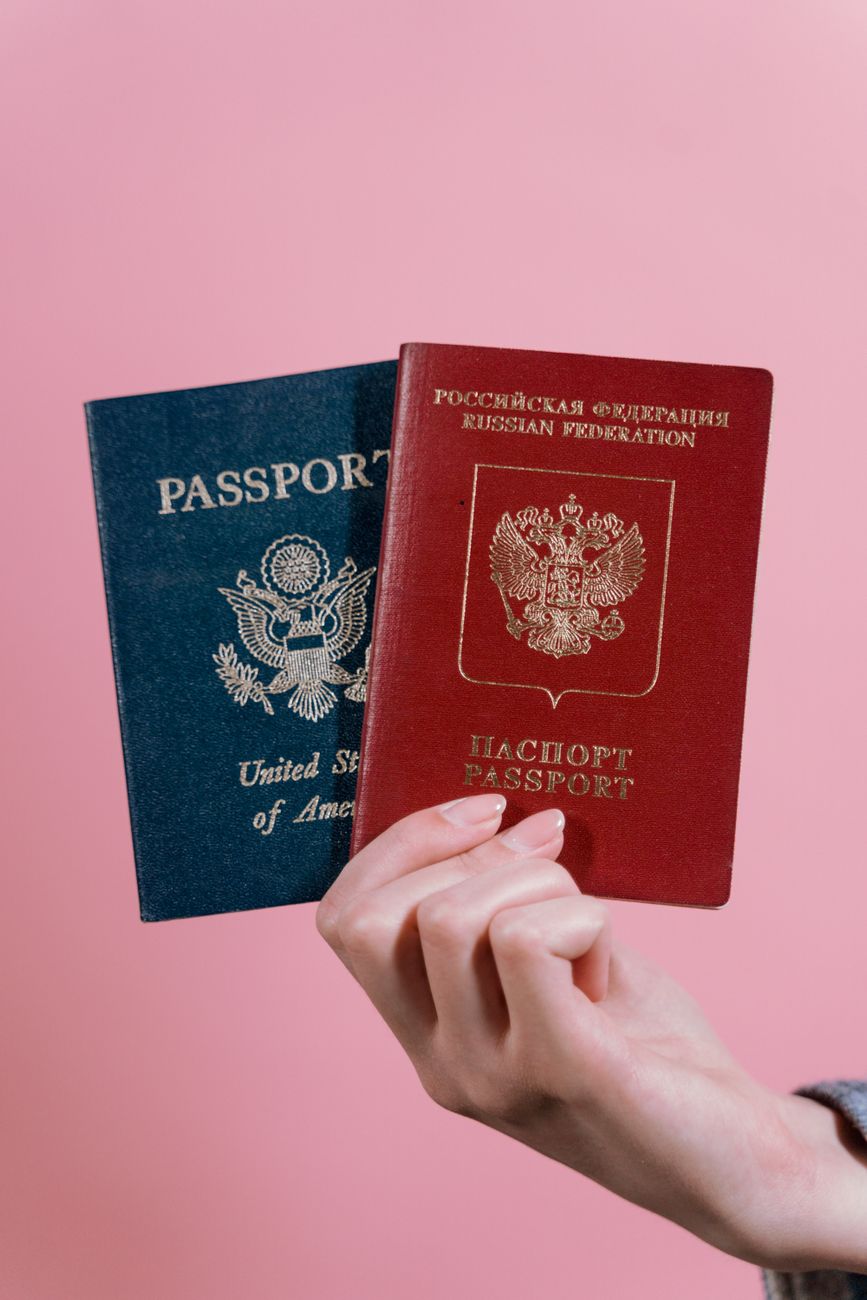
China is using visa policy as a soft power lever
Chinese passports ranked 85th offer access to only 85 countries—but China itself grants visa-free access strategically, not reciprocally. It offers 30-day visa waivers to tourists from countries it wants to influence while keeping its own citizens' mobility restricted. The asymmetry is the point: controlling outbound travel while using inbound access as diplomatic currency. Passport power flows one direction, and that's geopolitical design.

Digital nomad visas are the new ranking battleground
Over 50 countries launched digital nomad visa programs since 2020, but these don't count toward traditional passport rankings—yet. Portugal, Estonia, Croatia compete on visa-length generosity and tax incentives, creating a parallel ranking system for location-independent workers. Traditional passport indexes measure tourist access; this new category measures permission to work remotely anywhere. It's a ranking arms race for a different kind of mobility.

Ranking methodology is itself becoming contested territory
Competing indexes use different methodologies—counting visa-on-arrival separately, weighing temporary vs. tourist access differently—and countries now cite whichever ranking flatters them most in diplomatic communications. There's no neutral scorecard; the metrics themselves are political. Some nations argue rankings should weight GDP of accessible countries, not just quantity. What gets measured determines what gets pursued, and nobody agrees on the measurement.
- Singapore and Japan are locked in a visa-free access arms race
- Caribbean nations turned citizenship into a tech startup exit strategy
- The UAE engineered a 20-year climb from ranked 62nd to 11th
- "Passport portfolios" are the new offshore bank accounts
- Brexit dropped the UK from 1st to 6th and triggered a citizenship surge
- China is using visa policy as a soft power lever
- Digital nomad visas are the new ranking battleground
- Ranking methodology is itself becoming contested territory