The Loro Piana tote bags are gathering dust. The beige cashmere, the barely-there makeup, the whispered wealth—it's all feeling stale. What began as an antidote to logomania became its own kind of uniform, and fashion abhors nothing more than predictability.
Enter maximalism, not as a trend but as a revolt. We're talking clashing patterns, dopamine-inducing color, jewelry that jangles, and interiors that actually look like someone lives in them. The pendulum has swung hard, and quiet luxury's reign is officially over.
Dopamine Dressing Became the Antidote to Beige Fatigue
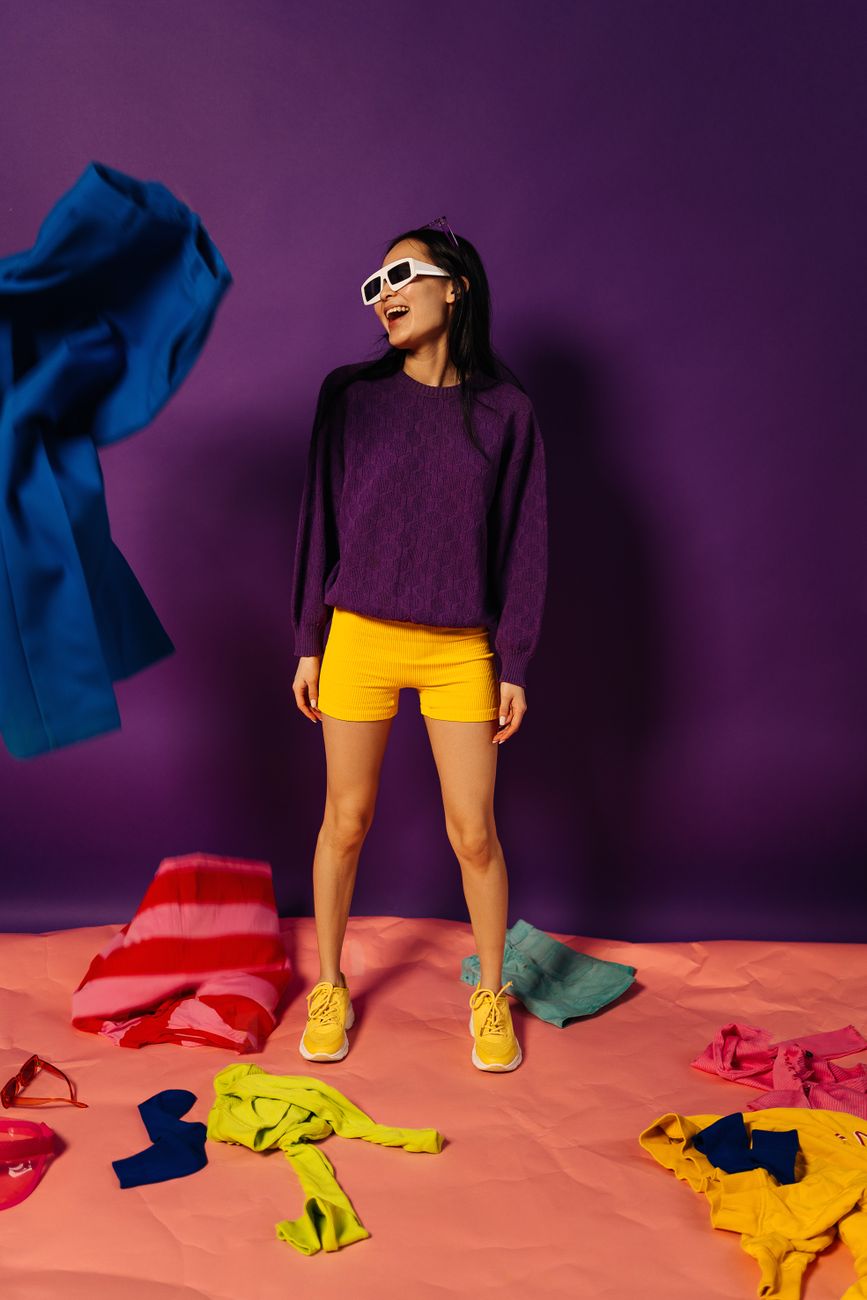
After years of monochrome minimalism, people want to feel something when they get dressed. Dopamine dressing—the practice of wearing colors and patterns that spark joy—exploded as a direct rejection of quiet luxury's muted palette. Hot pink, electric yellow, clashing prints: it's fashion as mood enhancer, and it's resonating because neutral dressing started feeling like self-erasure. The logic is simple—if your clothes make you happy, why would you hide that?
Designers Are Putting Pattern-on-Pattern Chaos Back on the Runway
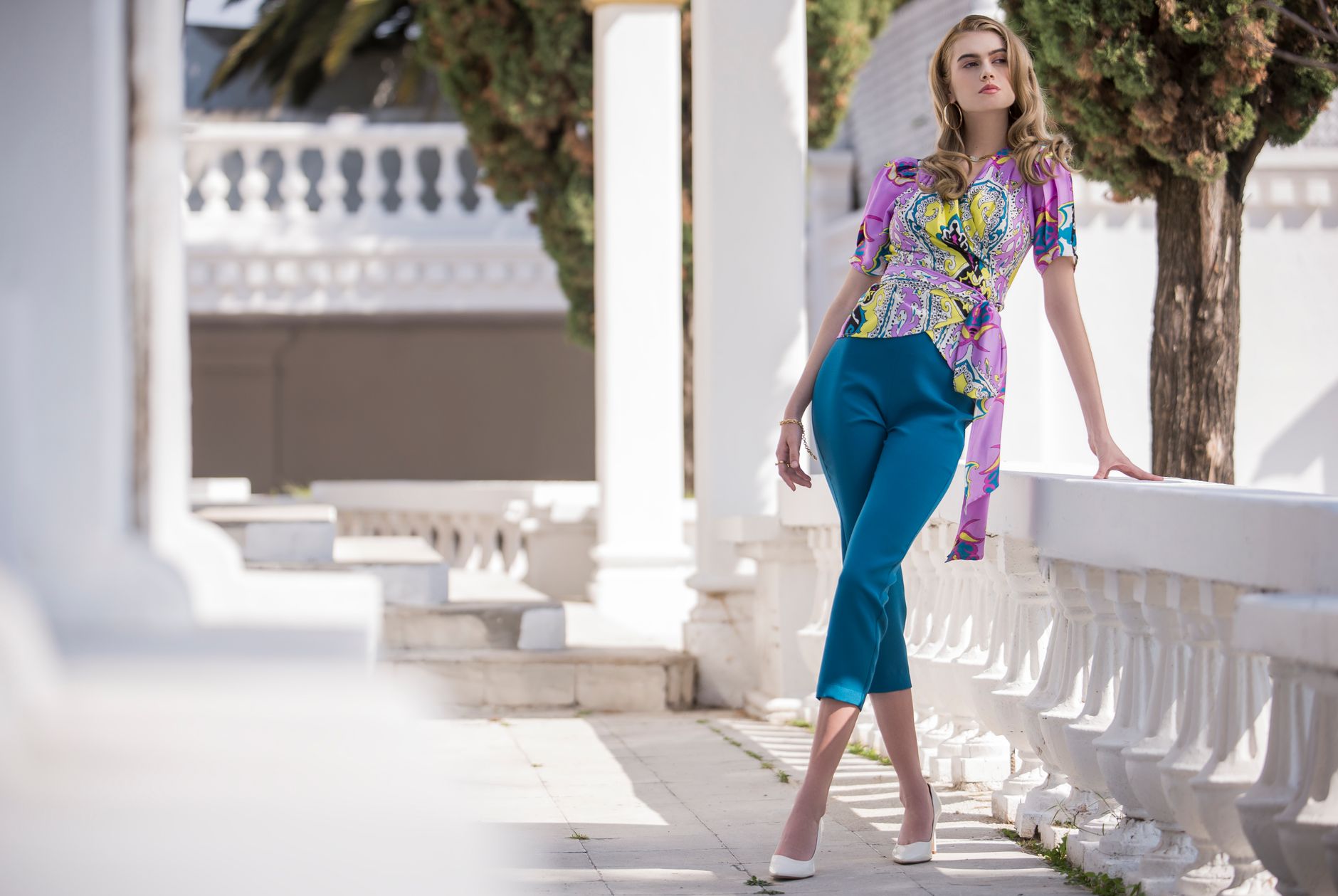
Spring 2024 collections read like a direct rebuke to The Row. Valentino showed florals clashing with geometrics, Marni layered prints until they screamed, and Gucci went full eccentric grandmother. Designers seem collectively exhausted by the mandate to whisper, and runways now celebrate abundance over restraint. It's not just a seasonal shift—it's a philosophical one. Fashion is rediscovering that excess can be joyful, not vulgar.
Interiors Are Rejecting the All-White Aesthetic for Personality
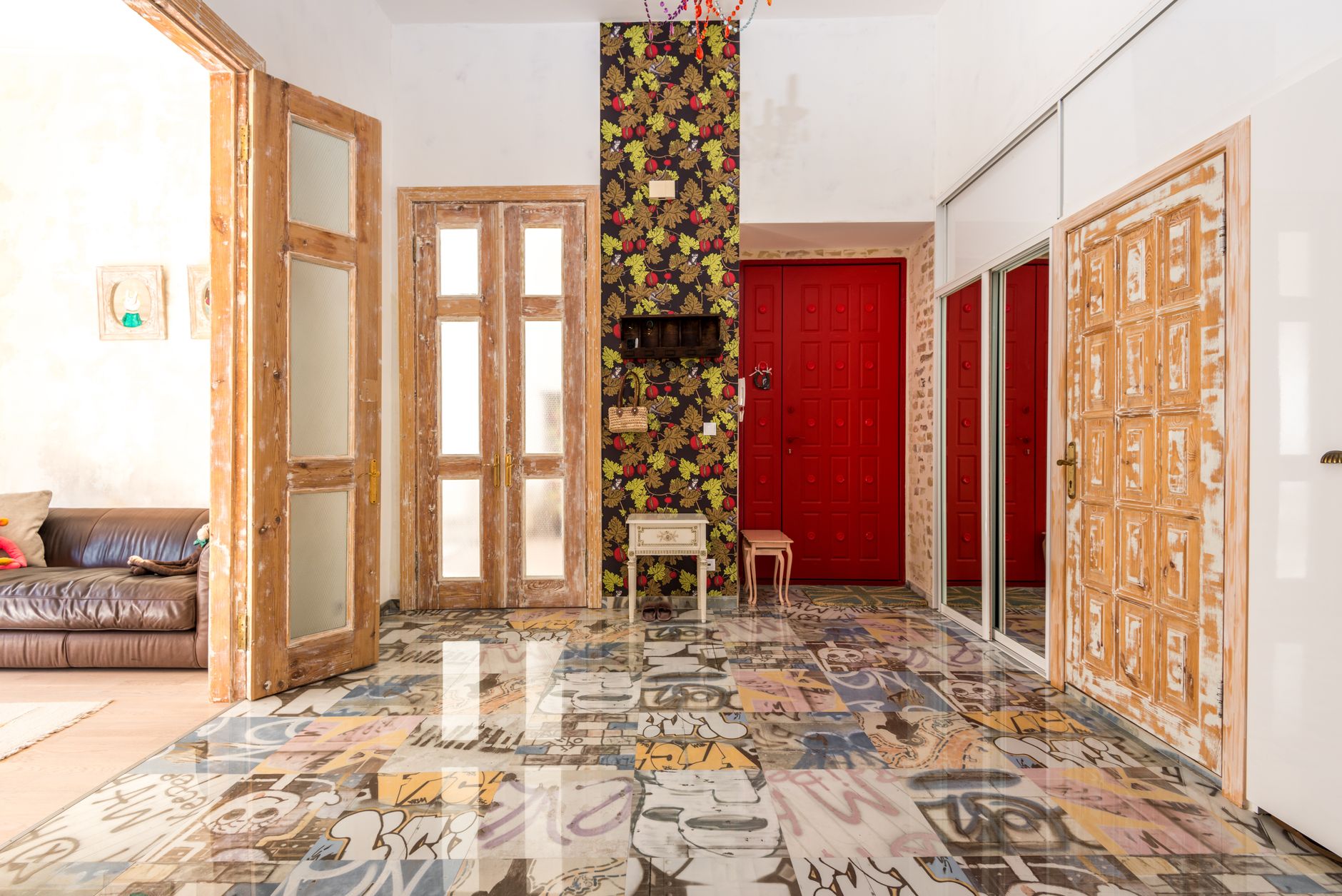
Pinterest searches for "maximalist decor" are up 180% year-over-year, while "minimalist white interior" is declining. People are tired of homes that look like Scandinavian waiting rooms. The new aspirational space is layered, collected, deeply personal—gallery walls, vintage finds, jewel tones, and yes, clutter that tells a story. Maximalism in interiors isn't about buying more; it's about showing that you've lived. Quiet luxury's sterile perfection never allowed for that.
Gen Z Is Driving the Shift With Anti-Algorithm Aesthetics
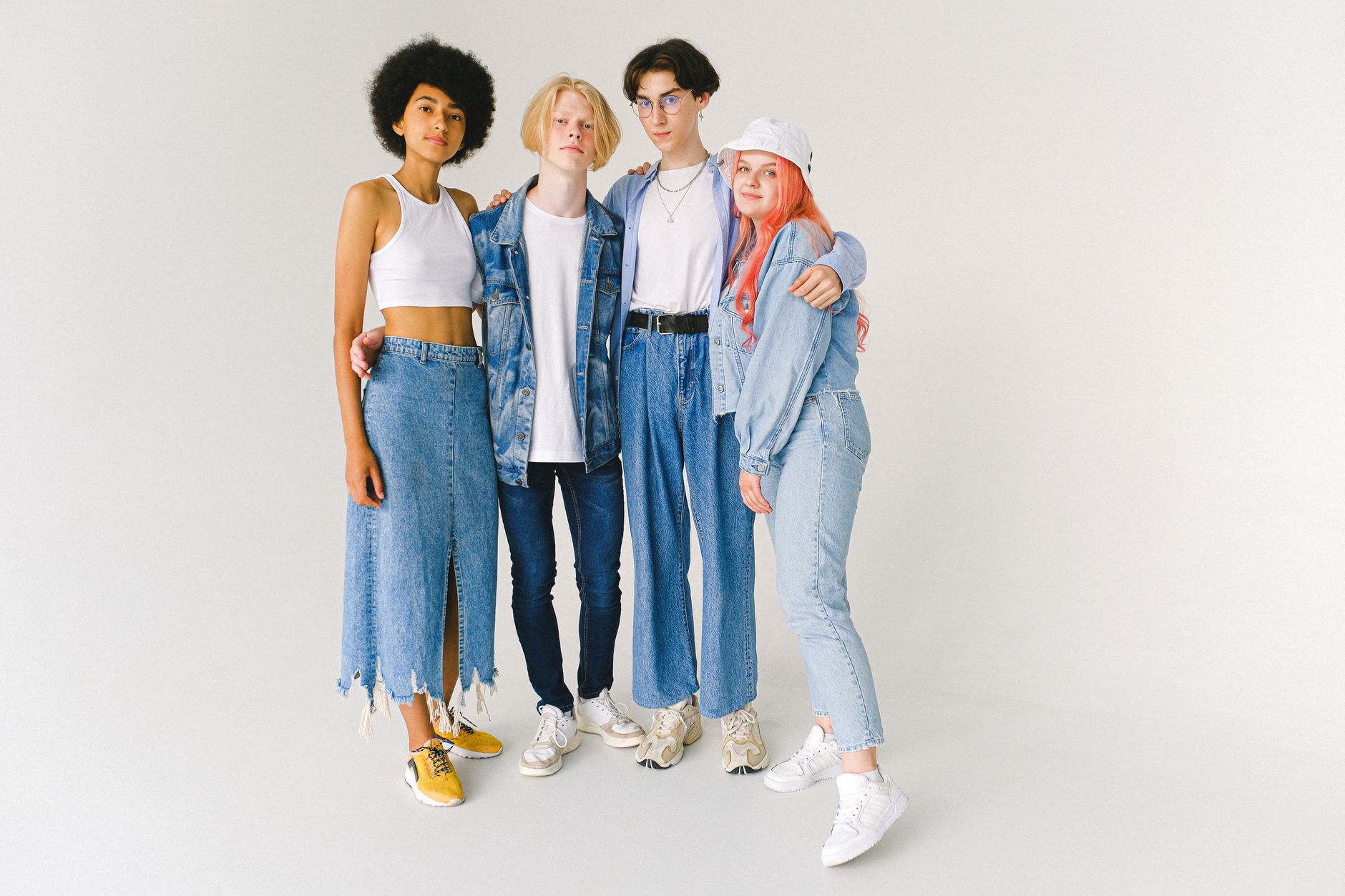
Younger consumers watched quiet luxury dominate and decided it was boring. They're mixing thrift store finds with designer pieces, embracing visible logos again, and treating fashion as self-expression rather than social signaling. The algorithm tried to flatten everyone into the same beige mold, and Gen Z is pushing back with intentional messiness. They understand that true style has always been about personality, not conformity—and quiet luxury, for all its exclusivity, became incredibly conformist.
The Wealth Class Is Bored of Looking Poor
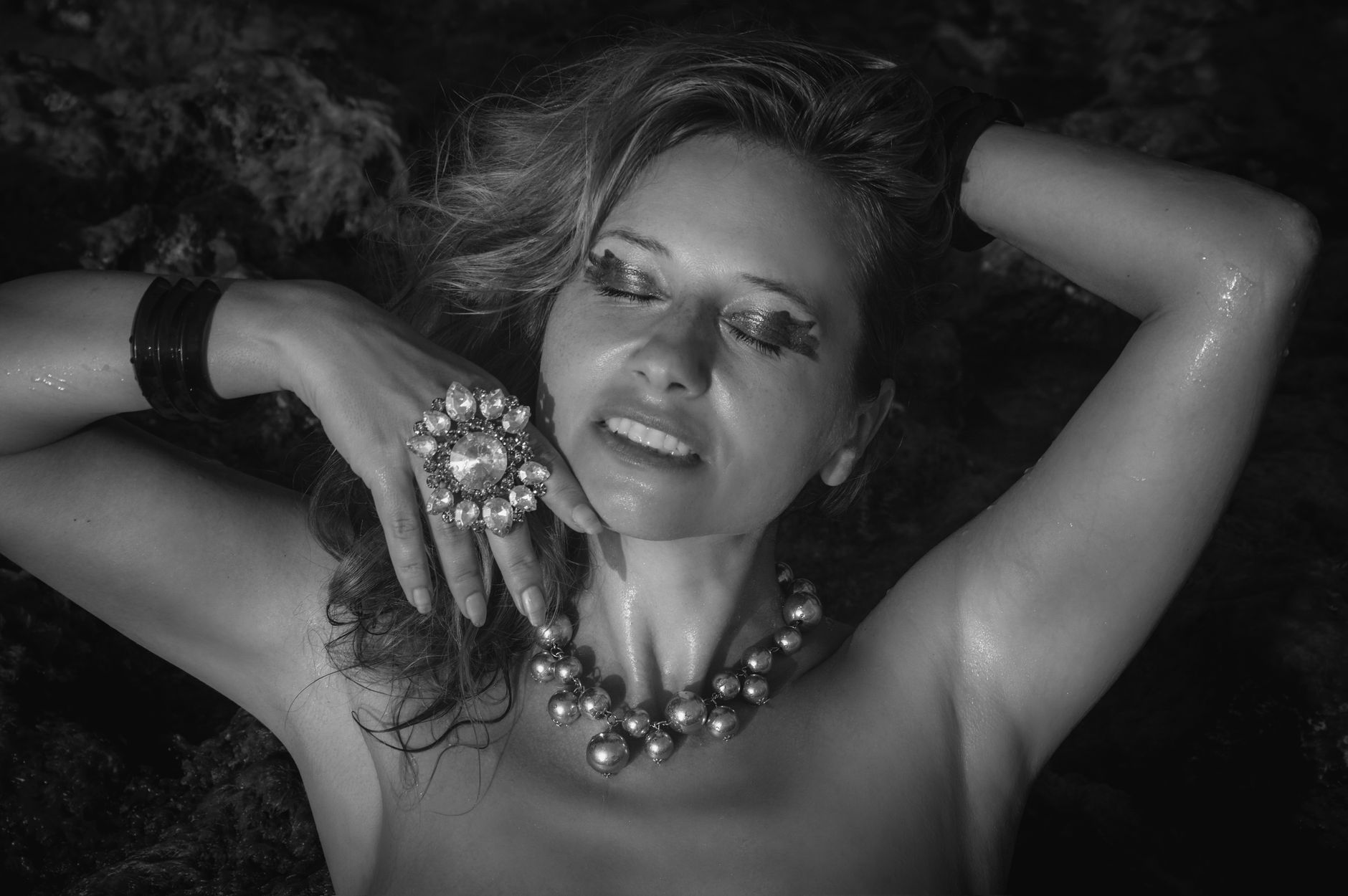
Even the people who could afford infinite Brunello Cucinelli are over it. Stealth wealth was interesting when everyone else was loud, but now it just feels like cosplay. The truly wealthy are rediscovering the pleasure of statement jewelry, bold silhouettes, and clothes that actually have a point of view. Quiet luxury became a viral trend, and once everyone knows the code, the code stops working. The next evolution of exclusivity isn't hiding wealth—it's having taste interesting enough that wealth becomes irrelevant.