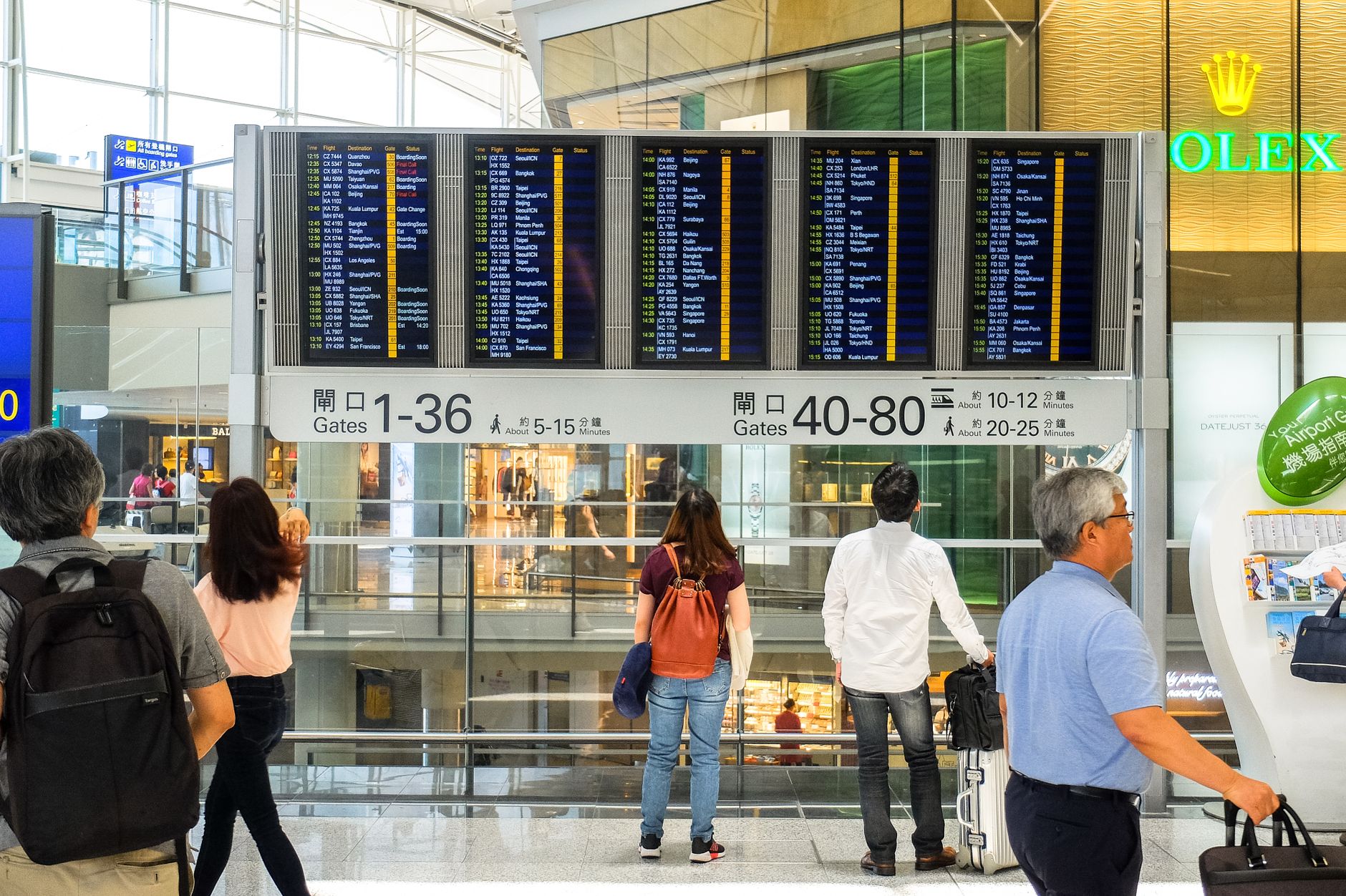
Gate C17 at JFK, 6:47 AM: a woman in Lululemon reclines with a glowing red mask strapped to her face, AirPods Max securing the edges. Two seats over, another passenger unfolds a similar contraption. Nobody looks up from their phones. The LED face mask—once a bathroom-counter commitment—has become airport infrastructure.
This isn't about skincare anymore. It's about what happens when every idle moment becomes real estate for self-improvement, when the boundary between private ritual and public performance dissolves entirely. The red light mask on a plane is this decade's green juice—virtue you can see.
Dead Time Is Now Growth Opportunity
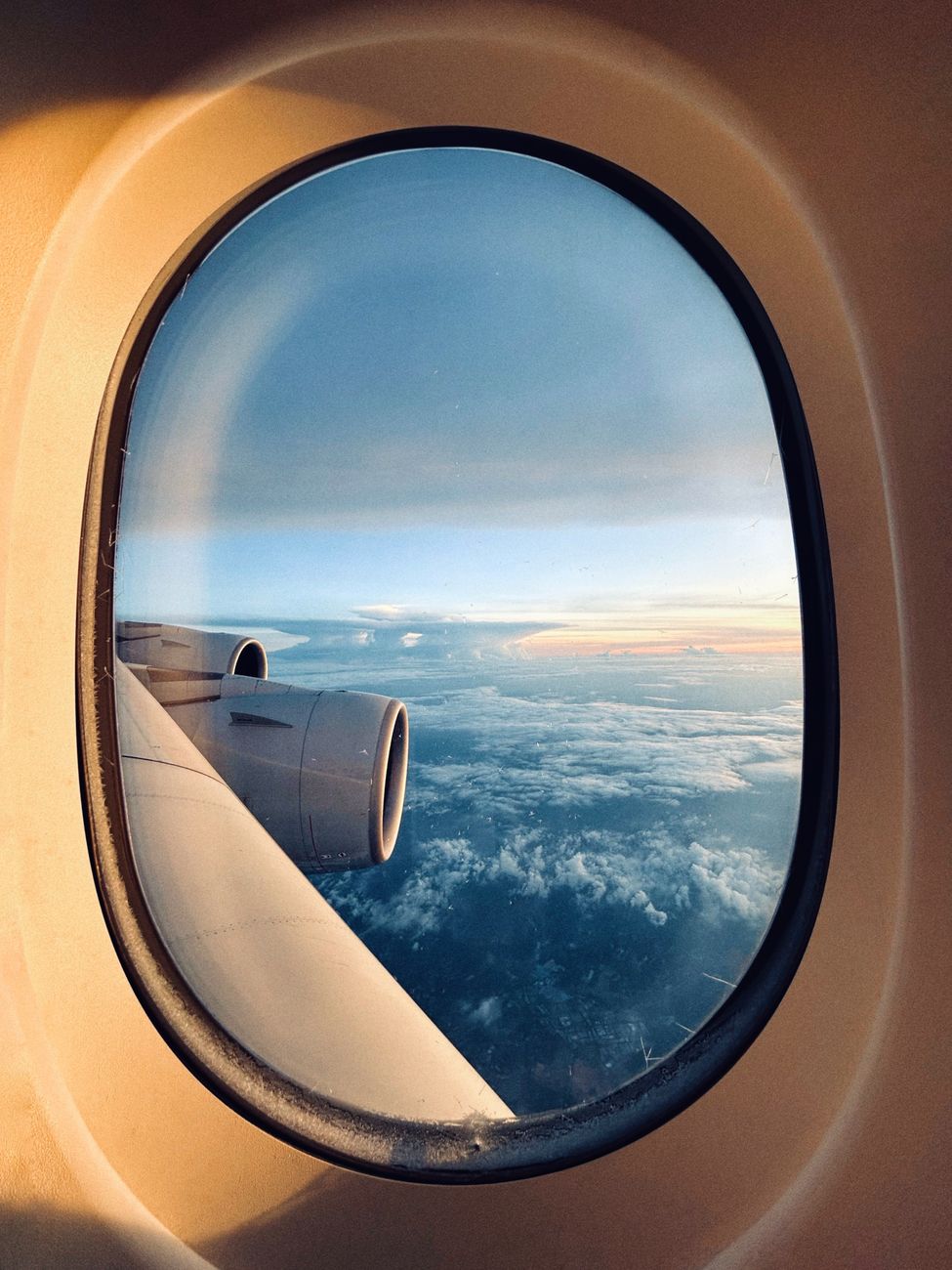
The eight-hour flight to London was already colonized by meditation apps and language lessons, but LED masks represent something sharper: visible productivity. You're not just sitting there; you're stimulating collagen synthesis at 35,000 feet. The mask announces that you've rejected rest as a neutral state. Even your face is working when you're not.
Privacy Became Negotiable
A device that looked clinical—vaguely surgical—in your bathroom now reads as luxury equipment in public. The shift happened quietly: what was once intimate (your skincare routine) is now performance (your commitment to optimization). Wearing a light therapy mask in economy doesn't invite stares anymore; it invites a specific kind of recognition. You're fluent in the same language of incremental improvement.
The Gadget Became the Credential
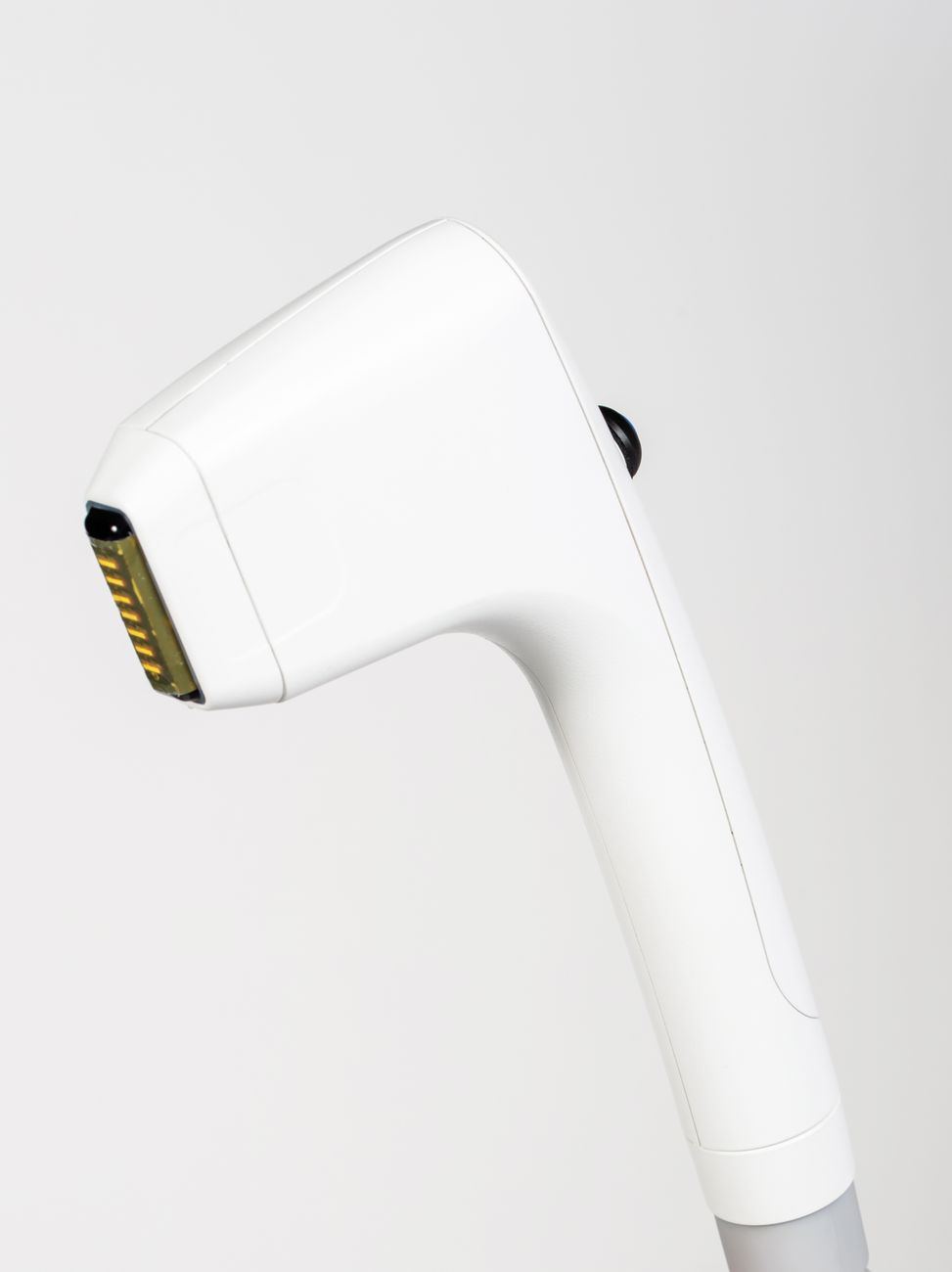
Designer carry-ons signal one kind of capital. LED masks signal another: you've read the studies, absorbed the Reddit threads, calculated the cost-per-treatment against clinical visits. The device itself is the CV. It doesn't matter if red light therapy's benefits remain debated in dermatological circles—the mask proves you're the kind of person who would know either way.
Airline Skincare Panic Reached Critical Mass
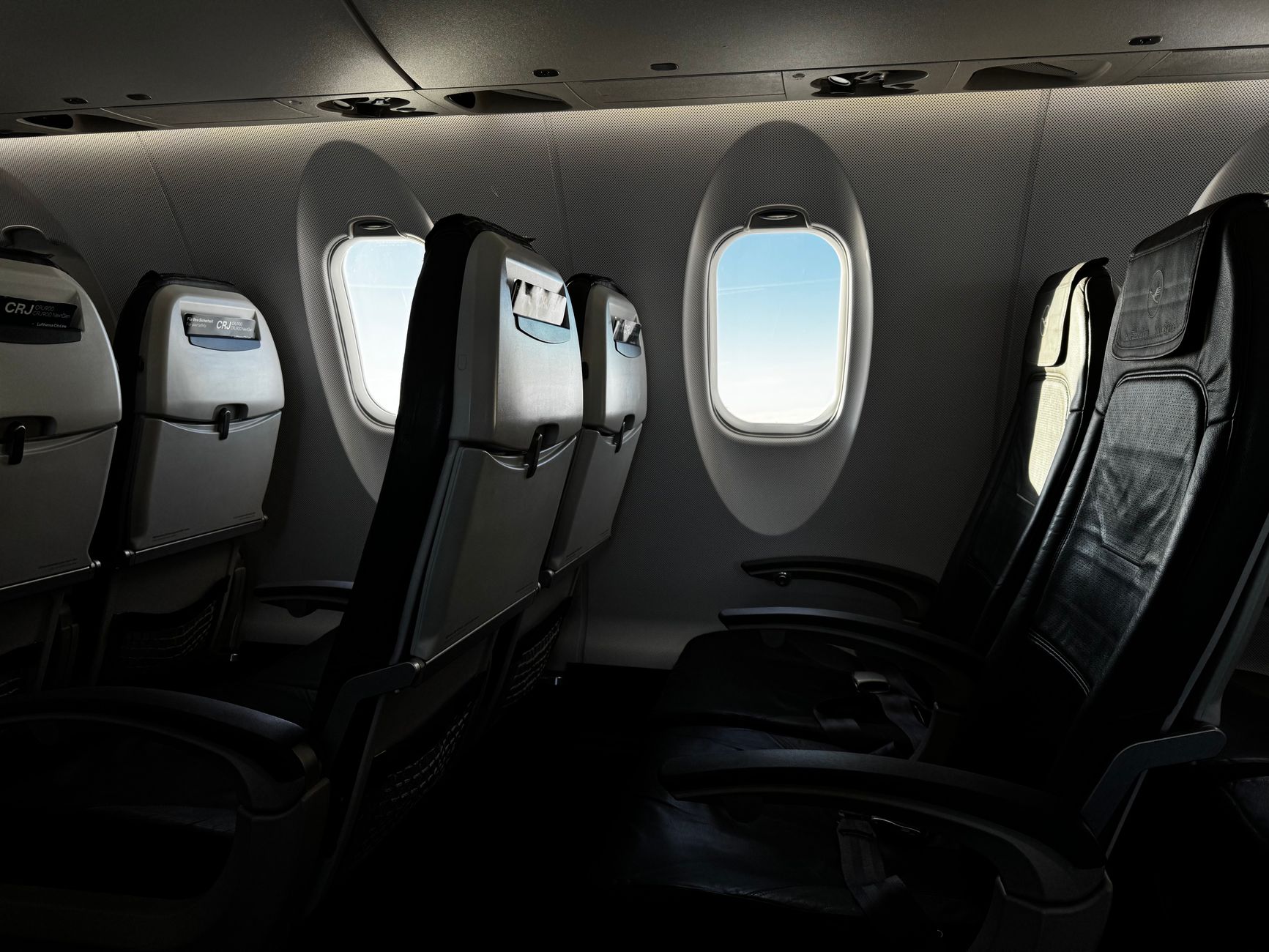
Pressurized cabins strip humidity. Everyone knows this. But knowledge metastasized into an entire category of pre-flight, mid-flight, post-flight protocols—sheet masks, facial mists, now light therapy. The mask addresses a problem (dehydrated skin) that exists but didn't used to require a rechargeable solution. It's insurance against an outcome (looking tired) that used to be called being human.
The Device Won Over the Serum
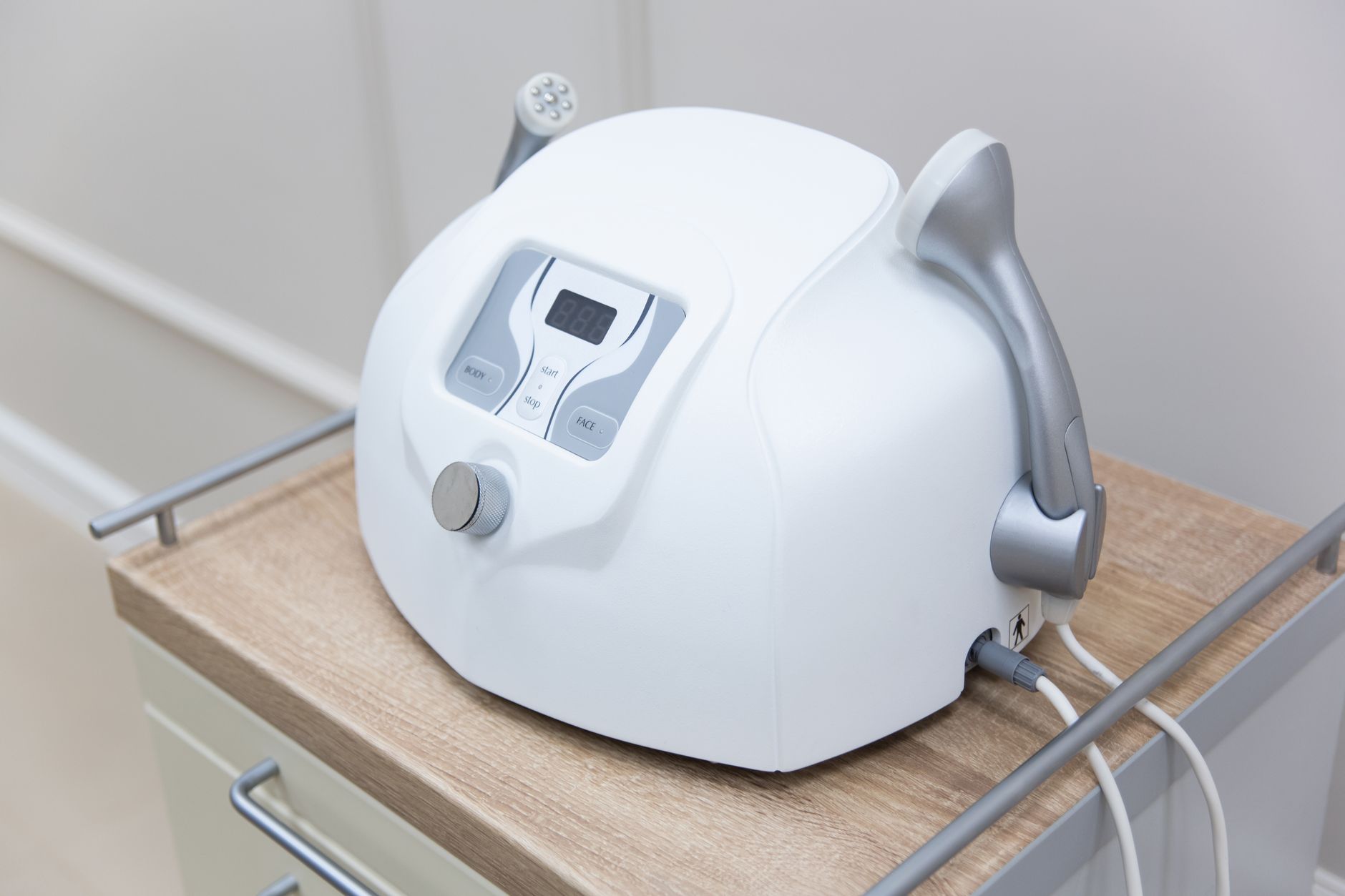
Tech always promised to replace effort. The LED mask delivers: strap it on, let the wavelengths do their work, feel like you've deployed a solution rather than just applied a product. There's no blending, no technique, no room for user error. It's skincare for people who think like engineers—input, process, output. Beauty became something you don't do anymore; it's something you run.