The refrigerator—once a white box shoved into a corner—has completed its transformation into a status object worthy of its own design discourse. At $15,000 and climbing, these aren't appliances. They're furniture with cooling functions, designed to be seen, discussed, and envied.
This shift marks more than aesthetic evolution. It signals a deeper recalibration of domestic priorities, where the kitchen has overtaken the living room as the primary theater of wealth display. Five things happening right now.
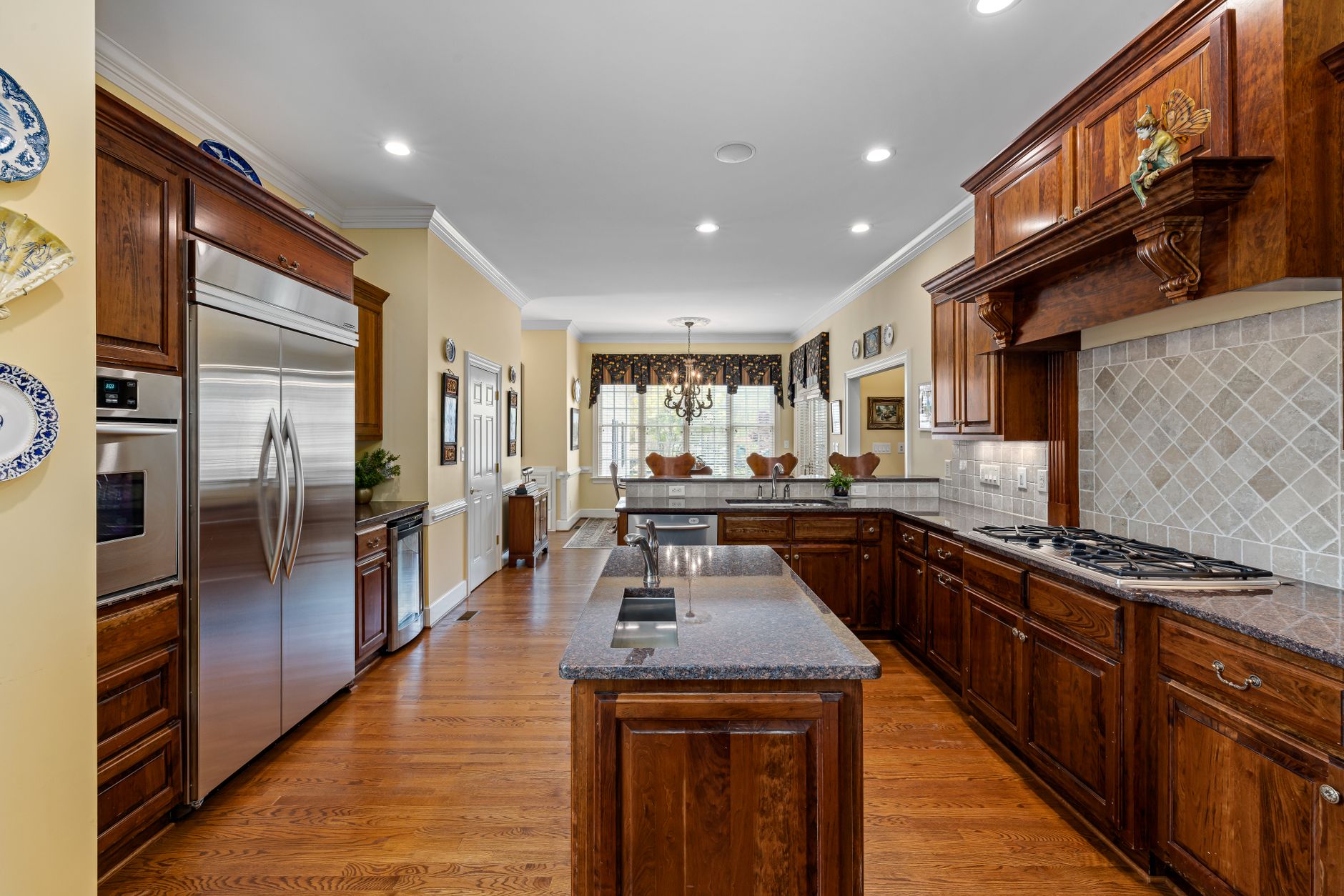
Panel-ready is the new panic buy
Integrated refrigerators that disappear behind custom cabinetry have become non-negotiable in high-end renovations. The visible refrigerator now reads as unfinished, a design oversight rather than a functional choice. This isn't about minimalism—it's about control. Every surface must submit to a unified aesthetic vision, and the fridge, once exempt from such scrutiny, is now the ultimate test of commitment to seamlessness.
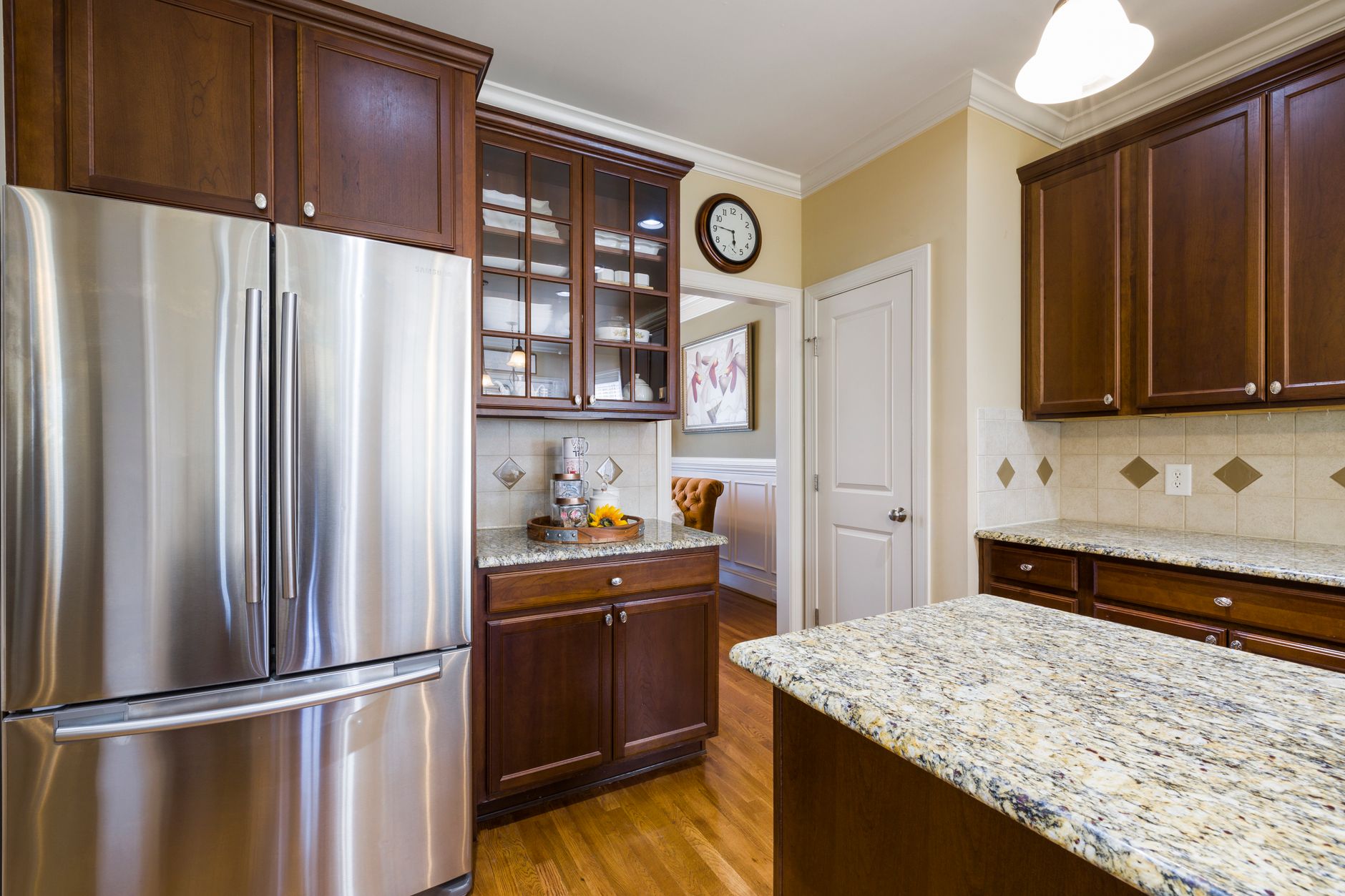
Glass doors say you have nothing to hide
Transparent refrigerators force a level of curation previously reserved for bookshelves and bar carts. Rows of matching glass bottles, perfectly stacked produce, symmetrical arrangements—these aren't storage solutions, they're lifestyle performances. The glass door broadcasts discipline and abundance simultaneously, suggesting you're both organized enough to maintain visual order and wealthy enough to keep it stocked with photogenic provisions.
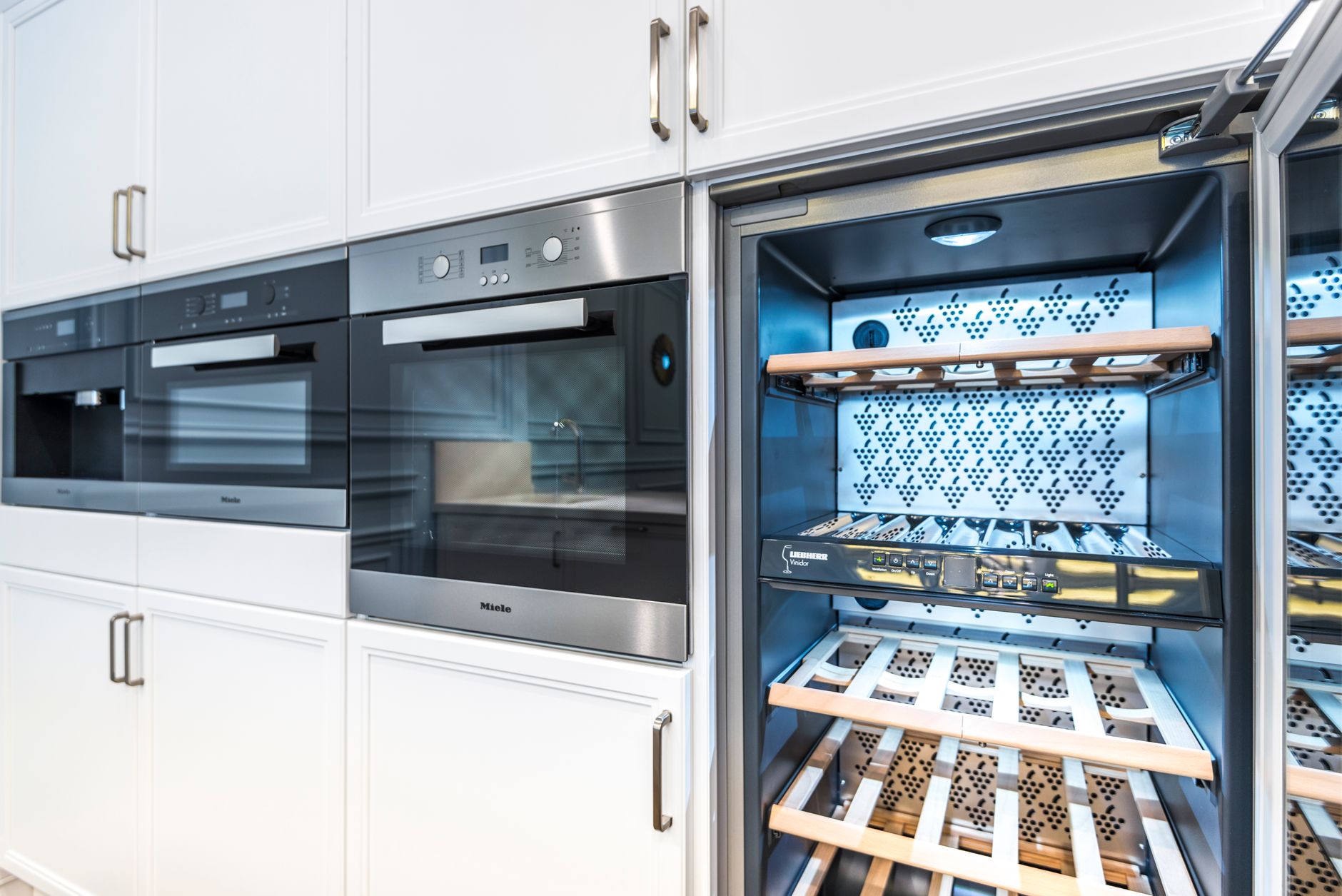
European brands are the new German sedans
Miele, Sub-Zero, La Cornue—these names carry the same cachet luxury cars once monopolized. Owning a European refrigerator signals global taste literacy and willingness to pay premiums for engineering heritage. The brands advertise barely at all, relying instead on architect recommendations and showroom pilgrimages. This scarcity of visibility makes ownership feel like insider knowledge rather than consumption.
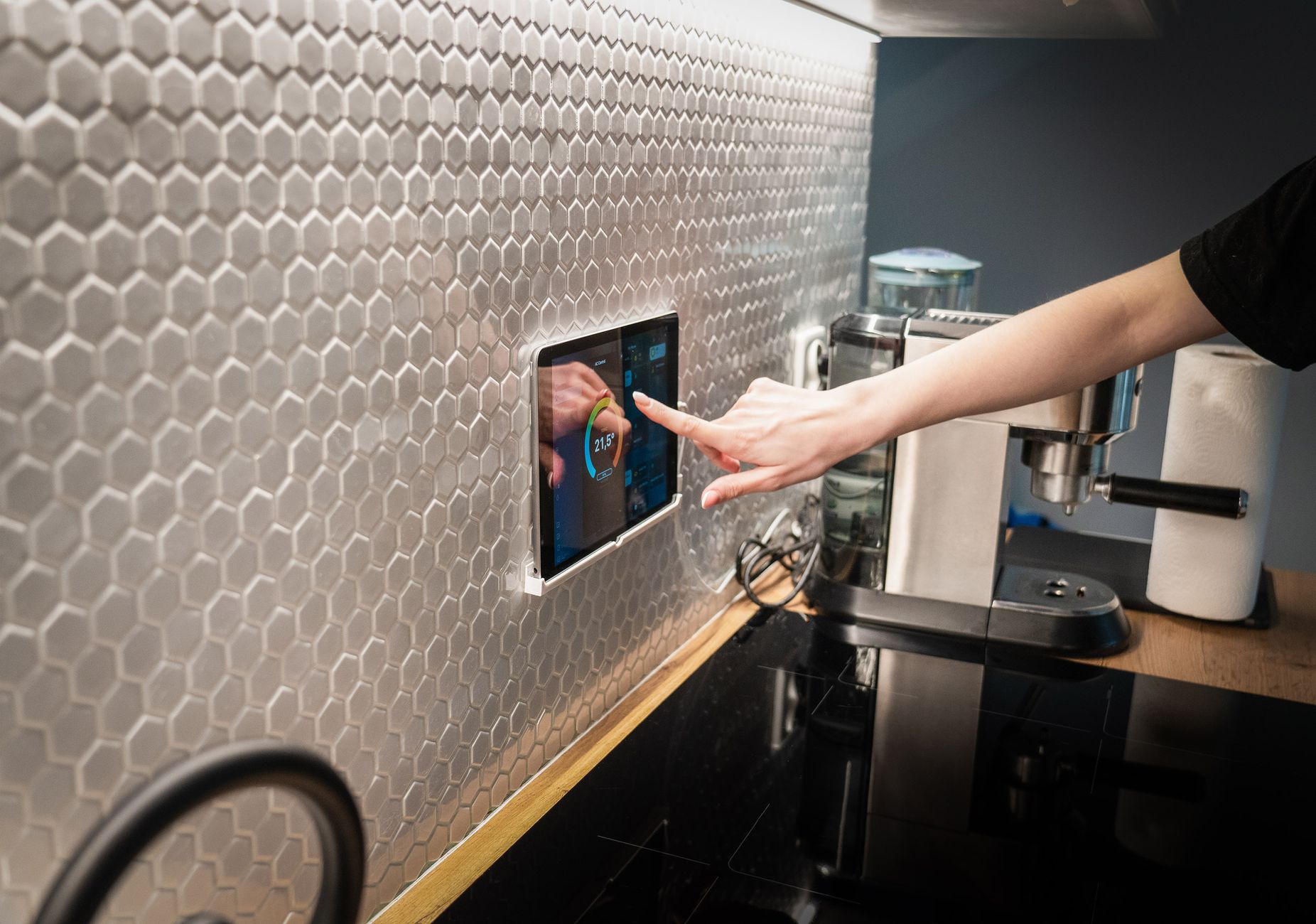
Smart features no one uses justify luxury pricing
Interior cameras, touchscreens, WiFi connectivity—the technological bells matter less than their existence. These features provide rational cover for emotional purchases, a way to justify spending furniture money on refrigeration. That you'll never actually use the recipe suggestions or door-mounted tablet is irrelevant. The technology legitimizes the expense, transforming indulgence into investment in domestic optimization.
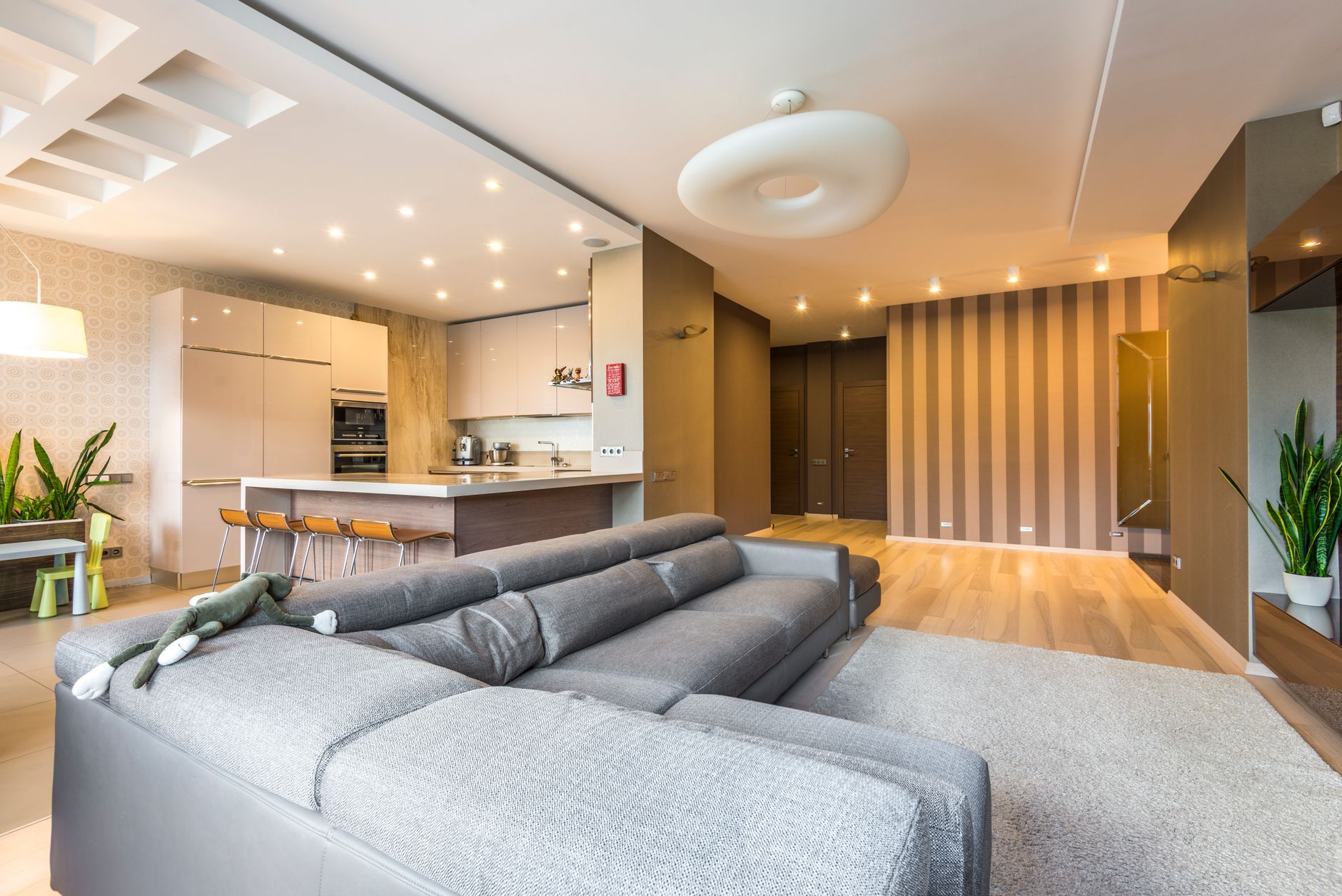
The kitchen-as-living-room requires refrigerators that perform
Open floor plans eliminated walls and with them, the refrigerator's ability to hide. Now perpetually on display from the sofa, it must function as architectural element rather than appliance. This visibility demands the same design consideration as a credenza or sideboard. The $15,000 price point makes sense when the refrigerator becomes furniture—a sculptural presence that anchors the room rather than serving it.