Remember 2022? When everyone you knew was suddenly in Lisbon, posting sunset content from Santorini, or hiking Patagonia like they'd discovered personal enlightenment at altitude? Revenge travel was the rallying cry—a middle finger to lockdowns, a frantic reclaiming of experiences denied. We emptied savings accounts, maxed out credit cards, and convinced ourselves that *living* meant being anywhere but home.
That era is definitively over. The bill has come due, and it turns out that relentless movement doesn't actually cure existential dread. Between inflation making a croissant in Paris cost what a dinner used to, flight chaos that's somehow gotten worse, and a creeping exhaustion with the performance of travel itself, people are staying put. Not because they're scared—because they're tired, broke, and finally asking if all that motion was actually going anywhere.

The Credit Card Reckoning Is Real
Post-pandemic travel was funded by magical thinking and deferred payments. Now those bills are landing with interest rates that would make loan sharks blush, and suddenly that week in Tulum doesn't feel like self-care—it feels like financial self-sabotage. Combine that with inflation eating into disposable income and wages that haven't kept pace, and you have an entire generation of travelers realizing that Instagram memories don't pay rent. The YOLO economy has entered its consequence phase, and it's not photogenic.
Airport Anxiety Has Reached Clinical Levels
Flying has always been tedious, but post-pandemic airports have achieved a special circle of hell: understaffed security lines, canceled flights with zero accountability, luggage vanishing into the void, and the creeping dread that your entire trip might collapse before you leave the ground. The infrastructure hasn't recovered while demand exploded, creating a perfect storm of disappointment. What used to be an inconvenience now feels like tempting fate, and people are increasingly deciding that the juice isn't worth the squeeze.
Overtourism Killed the Magic
Every "hidden gem" has been strip-mined by TikTok location tags and algorithmic travel guides. That charming neighborhood? Now a themed backdrop for influencer content. That secluded beach? Packed with people who saw the same viral reel you did. The revenge travel surge turned even remote destinations into crowded simulacra of themselves, and travelers are waking up to the fact that they've been participating in the destruction of the very authenticity they were seeking. The disillusionment is setting in hard.
The Cult of Productivity Came for Vacation
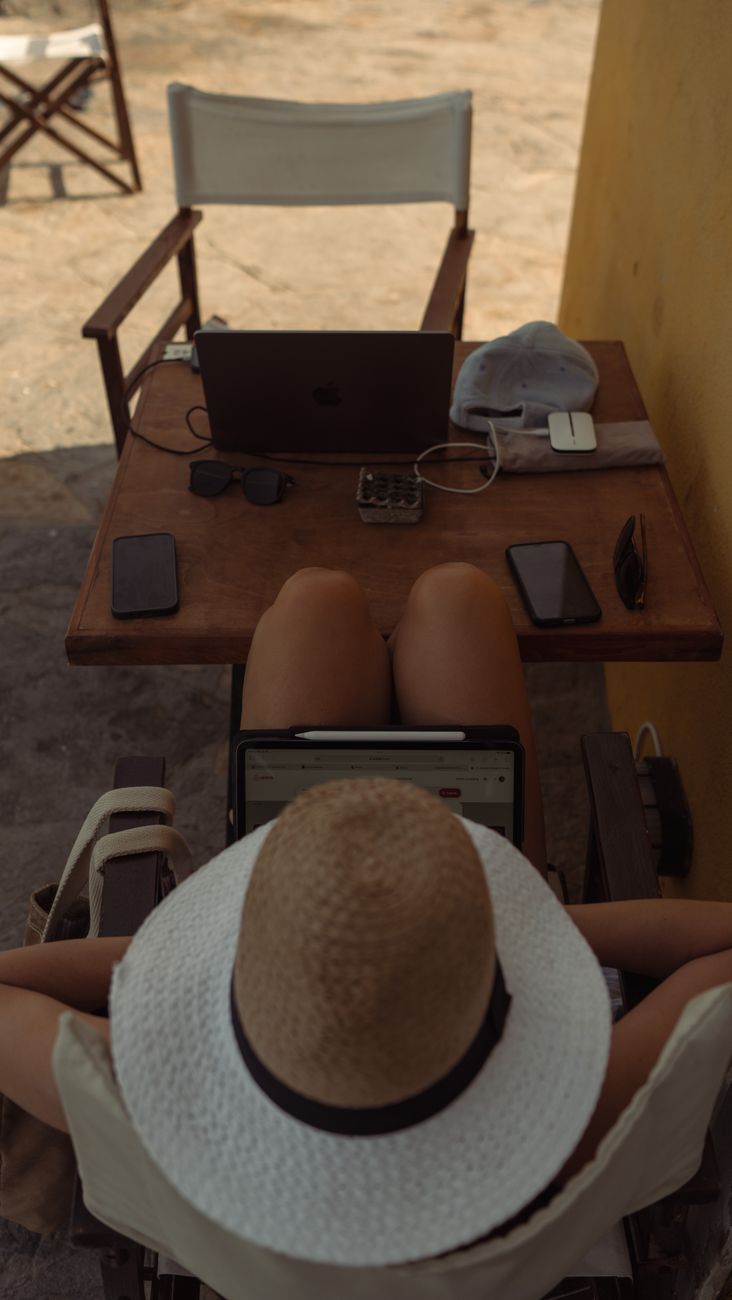
Remote work was supposed to unlock freedom, but instead it created the tyranny of the "workcation"—where you're technically in Bali but actually just staring at Slack from a different time zone. The boundary between work and travel dissolved, and people are realizing that bringing your laptop to paradise doesn't make spreadsheets feel like leisure. There's a growing rejection of the idea that vacation needs to be productive, optimized, or justify itself through content creation. Sometimes you just need to be offline and horizontal, preferably without Wi-Fi shaming you into logging on.
Staying Home Became the Actual Flex
Somewhere between economic pressure and cultural exhaustion, staying put became the quiet luxury move. Not traveling isn't failure—it's boundary-setting, financial prudence, and an admission that maybe your life at home isn't something you need to constantly escape from. People are investing in their immediate environments instead: better furniture, local haunts they actually explore, communities they engage with beyond transactional weekend visits. The status signal has shifted from passport stamps to rootedness, from exotic backdrops to simply being content where you are.