The baggage claim carousel has become an unexpected stage for wealth signaling. Whilelogo mania fades and stealth wealth reigns, a curious inversion has occurred: the humble suitcase—once purely utilitarian—now commands price tags that rival designer handbags. Rimowa, Away's premium lines, and cult brands like Globe-Trotter aren't selling luggage. They're selling proof you travel enough to justify the investment.
This isn't about function. A $1,200 aluminum shell doesn't protect your belongings better than a $300 alternative. It protects something else entirely: your perceived place in the social hierarchy of frequent travelers. The logic is perfectly circular and completely effective—only people who travel constantly need luggage this durable, therefore expensive luggage signals constant travel, therefore status.
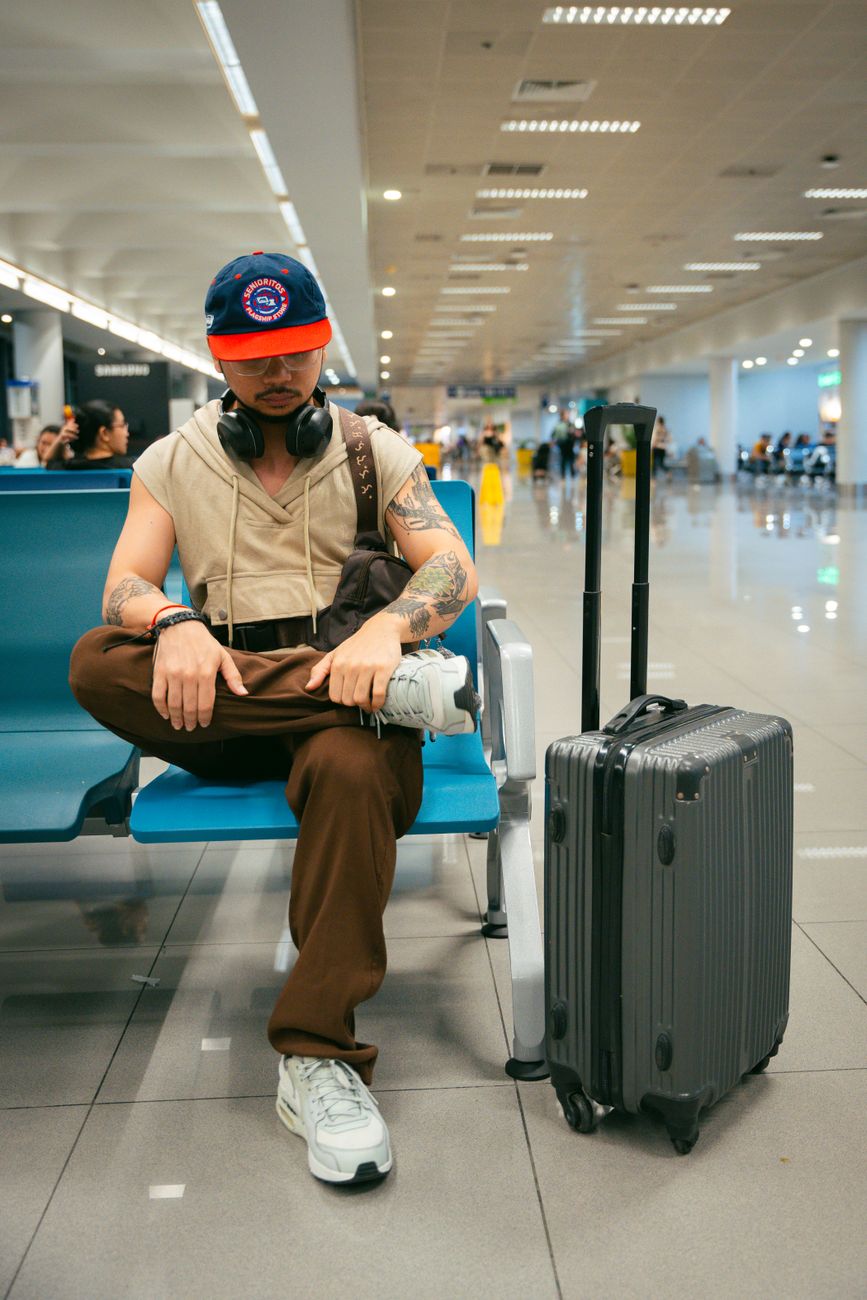
The Aluminum Suitcase Became the New Birkin
Rimowa's grooved aluminum cases—immortalized in Instagram travel content and paparazzi shots of models in terminal lounges—transformed luggage into a legitimate status symbol around 2018. When LVMH acquired the German brand in 2016, they understood something the rest of us were slow to realize: in an increasingly mobile elite class, the objects that accompany constant travel matter as much as the destinations themselves. The suitcase you pull through Heathrow or Haneda is now as significant as the handbag on your arm, visible proof of a jet-setting lifestyle that most people will never attain.
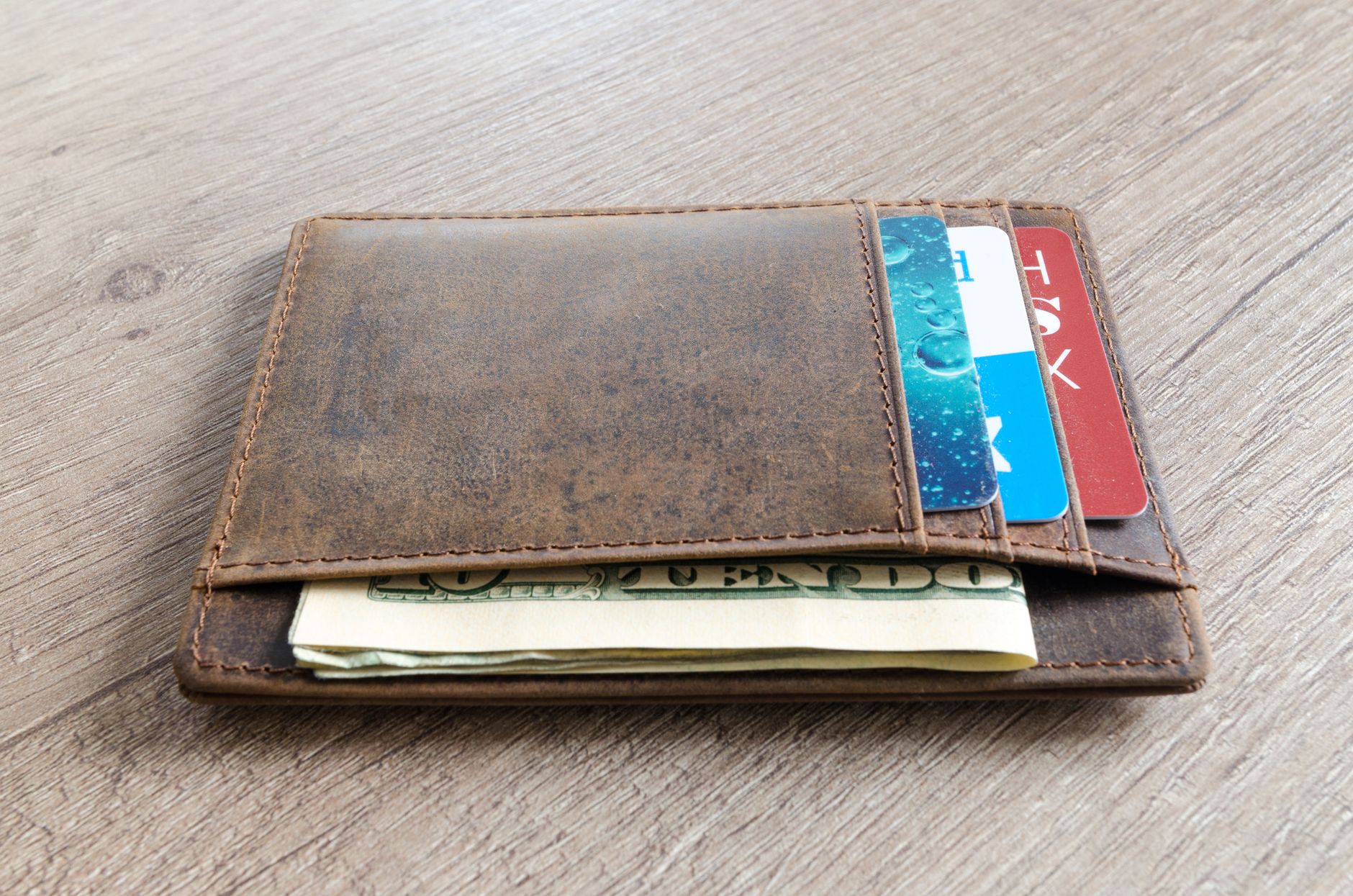
Durability as Wealth Signal (Not Practicality)
The pitch is always about lifetime guarantees and indestructible construction, but nobody's buying a $1,200 carry-on because they're worried about durability. They're buying it because expensive luggage communicates frequent travel, which communicates disposable income, which communicates status. The reasoning: if you travel twice a year, you buy cheap luggage; if you travel twice a month, you invest in something built to last. The suitcase becomes a proxy for the life it implies—one of business class flights, boutique hotels, and the kind of global mobility that most people only scroll past on their feeds.
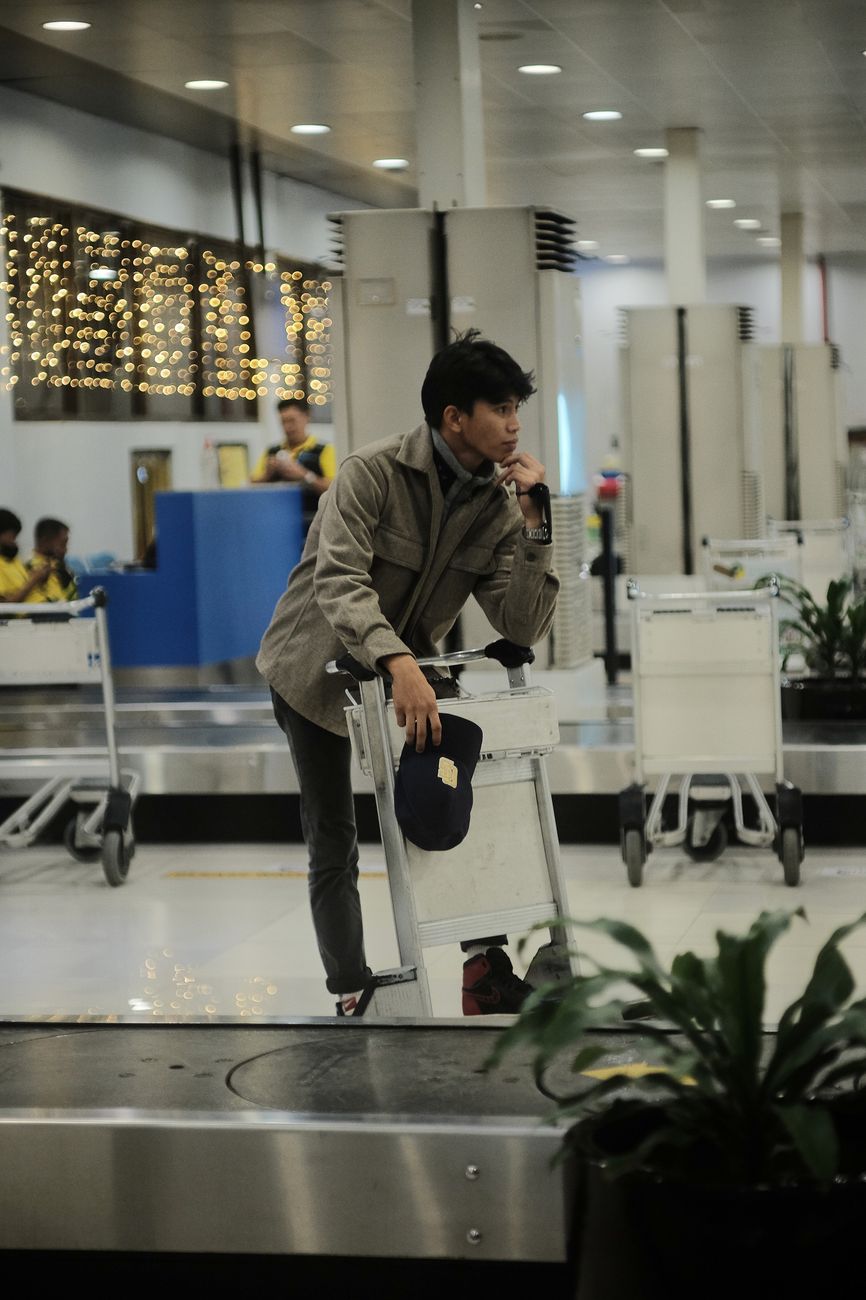
Airport Fashion Finally Has a Hero Piece
For years, airport style meant oversized sunglasses and expensive athleisure, but those signal leisure travel—decidedly less impressive than implying you're en route to close a deal or attend a private event. Premium luggage solves this. It's the rare accessory that suggests purpose and privilege simultaneously, a visual shorthand for "I do this all the time." The rise of airport fashion content on TikTok and Instagram hasn't hurt—luxury suitcases photograph beautifully, their clean lines and metallic finishes lending an editorial quality to even the most mundane terminal selfie.
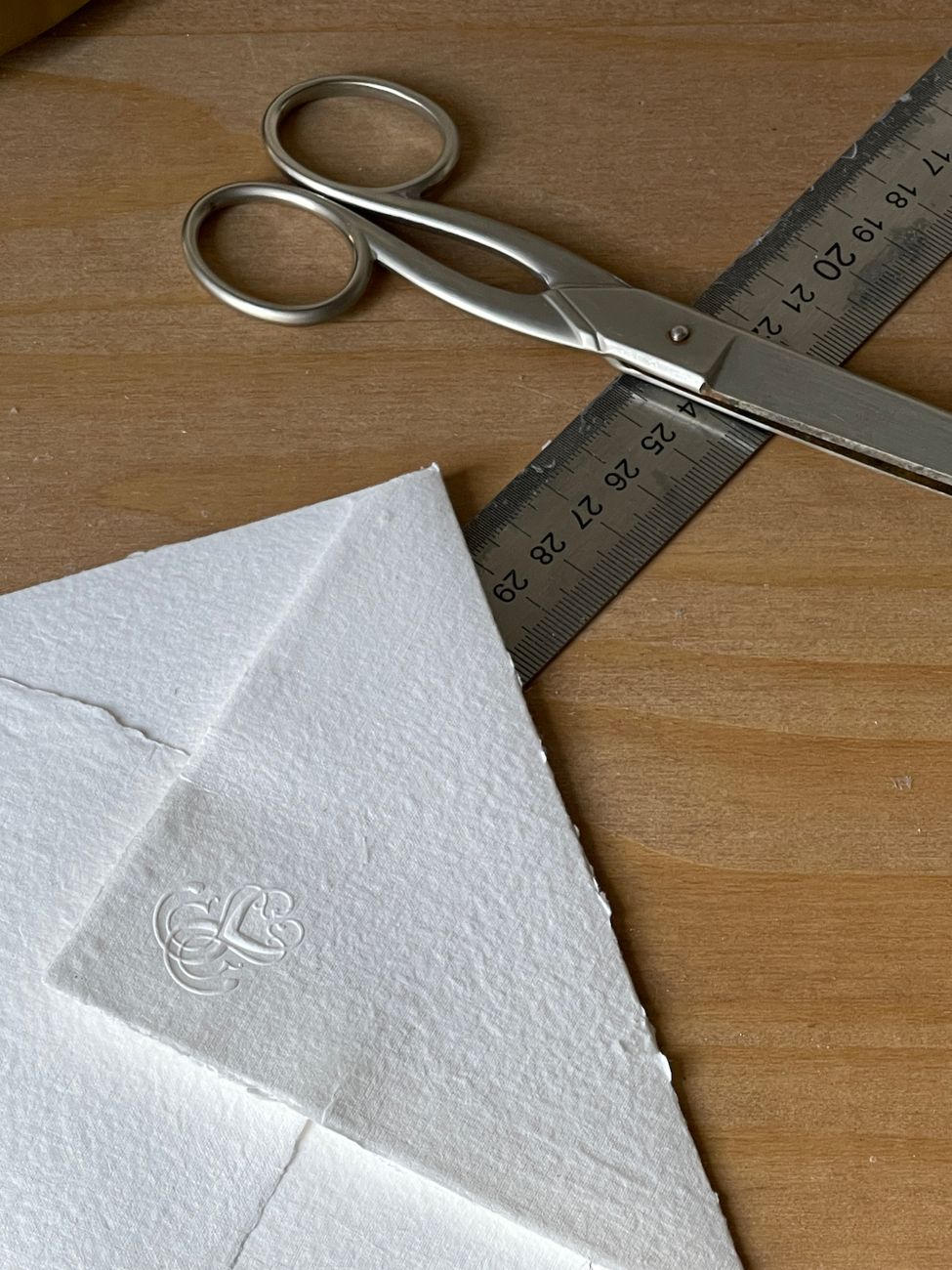
The Monogram Returned (But Make It Subtle)
Personalization services—leather luggage tags, engraved nameplates, custom color combinations—have become standard offerings from premium luggage brands, a clever evolution of logo culture for the quiet luxury era. Where a giant Louis Vuitton print screams desperation, a subtly embossed monogram on a $950 carry-on whispers confidence. It's personalization as power move, the implication being that you travel enough to need your luggage distinguished from others', that you exist in spaces where everyone has expensive bags and differentiation matters. The customization itself becomes another layer of investment, further proof you're committed to this object and the lifestyle it represents.
Aspiration Meets Accessible Entry Point (Sort Of)
Here's why this trend has legs: a $1,200 suitcase is attainable in ways a $12,000 handbag isn't, making it the perfect aspirational purchase for the upwardly mobile. It's luxury you can justify to yourself—practical, long-lasting, tax-deductible if you travel for work. Brands understand this perfectly, offering payment plans and positioning their products as investments rather than indulgences. The genius is that once you've bought in, you become a walking advertisement every time you travel, your expensive luggage visible to hundreds of people in terminals, on trains, in hotel lobbies. You've purchased both the object and the opportunity to display it constantly, a combination that makes the price tag feel almost reasonable.