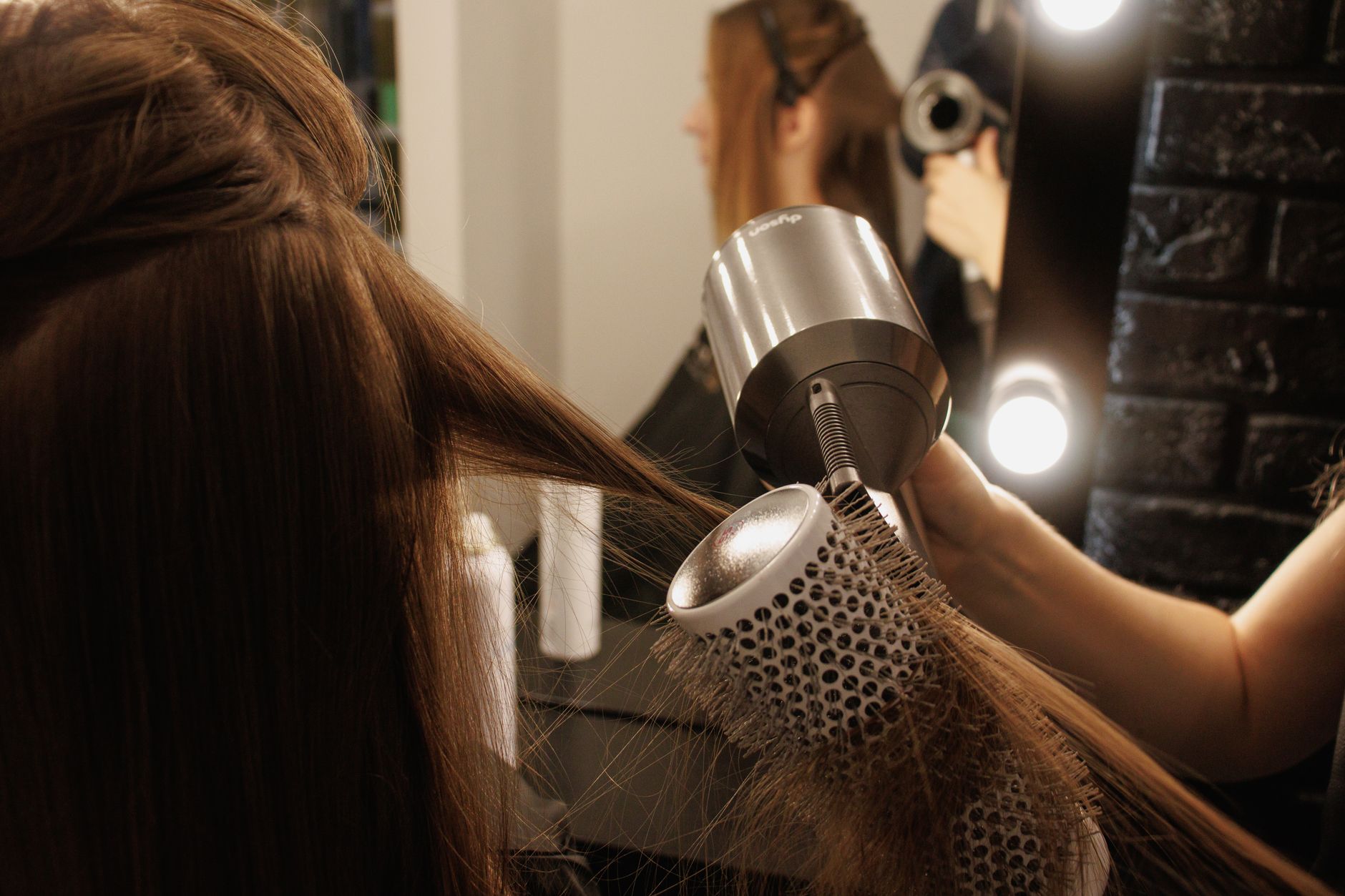
The beauty industry has run out of face real estate to sell you products for, so it looked up. Literally. Scalp care transformed from a dandruff afterthought into a legitimate ritual category worth billions, complete with its own devices, actives vocabulary, and influencer subspecialty. What used to be solved with a clarifying shampoo now requires a pre-wash exfoliant, a peptide serum, a scalp massage tool, and presumably a second mortgage.
This isn't innovation—it's skillful IP theft. Hair care brands systematically lifted skincare's entire business model, terminology, and margin structure, then applied it six inches higher. The same hyaluronic acid that plumped your face now hydrates your follicles. The same niacinamide that calmed your complexion now balances your sebum production at the root. We've entered the era of scalp pH levels, scalp microbiomes, and people using dermaplaning blades on their hairlines. The extraction has begun.
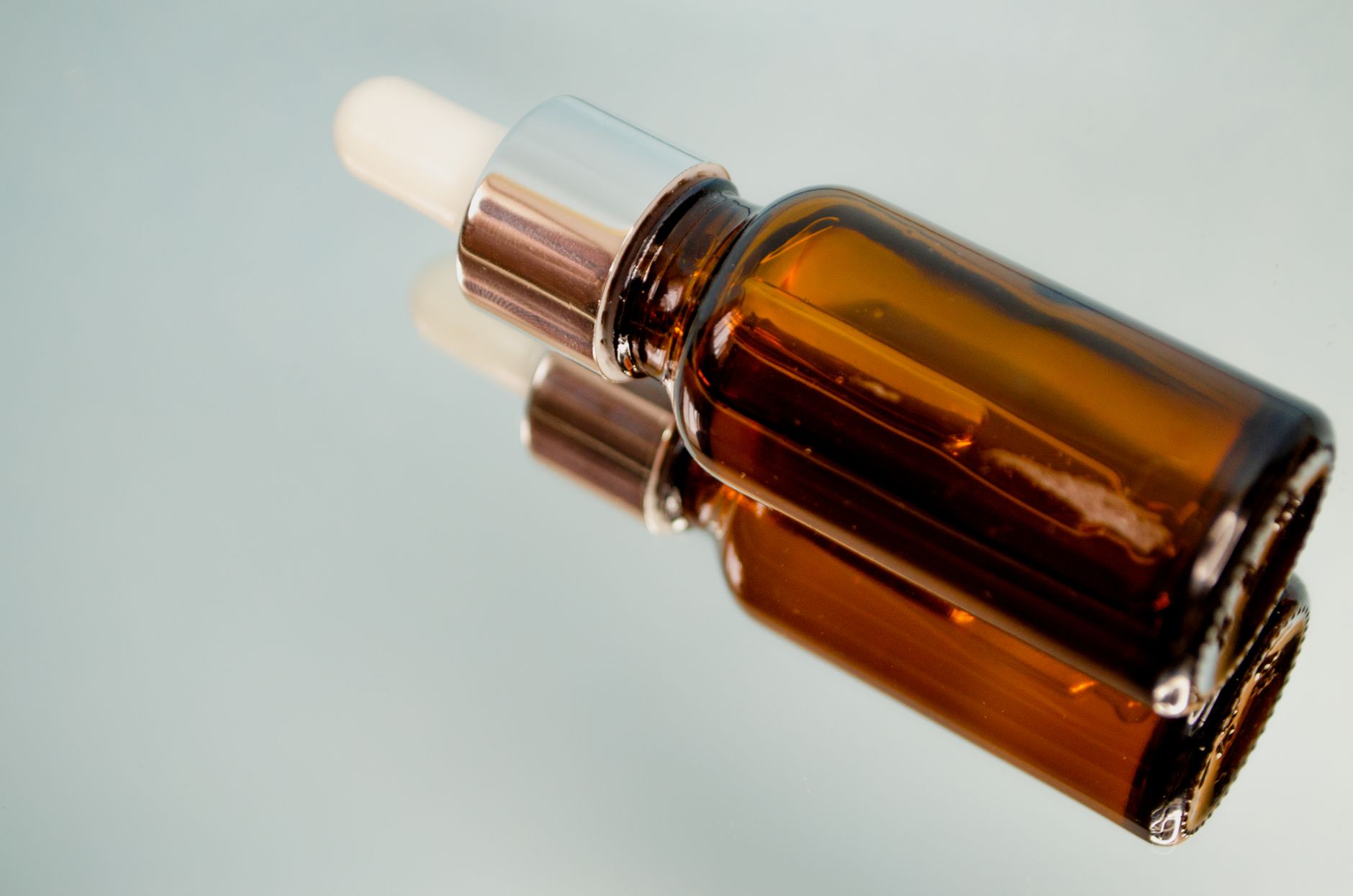
Scalp serums cost more than their face equivalents
A decent face serum will cost you $70. A scalp serum? Try $98 for half the volume. Brands like Kerastase, Olaplex, and Act+Acre positioned scalp treatments at prestige skincare pricing, banking on the idea that consumers who accepted $200 face creams won't blink at similar costs for follicle maintenance. The margin math is identical: commodity actives, clinical-sounding copy, sleek packaging, and the implication that you're investing in long-term infrastructure rather than buying shampoo.
The device category expanded vertically
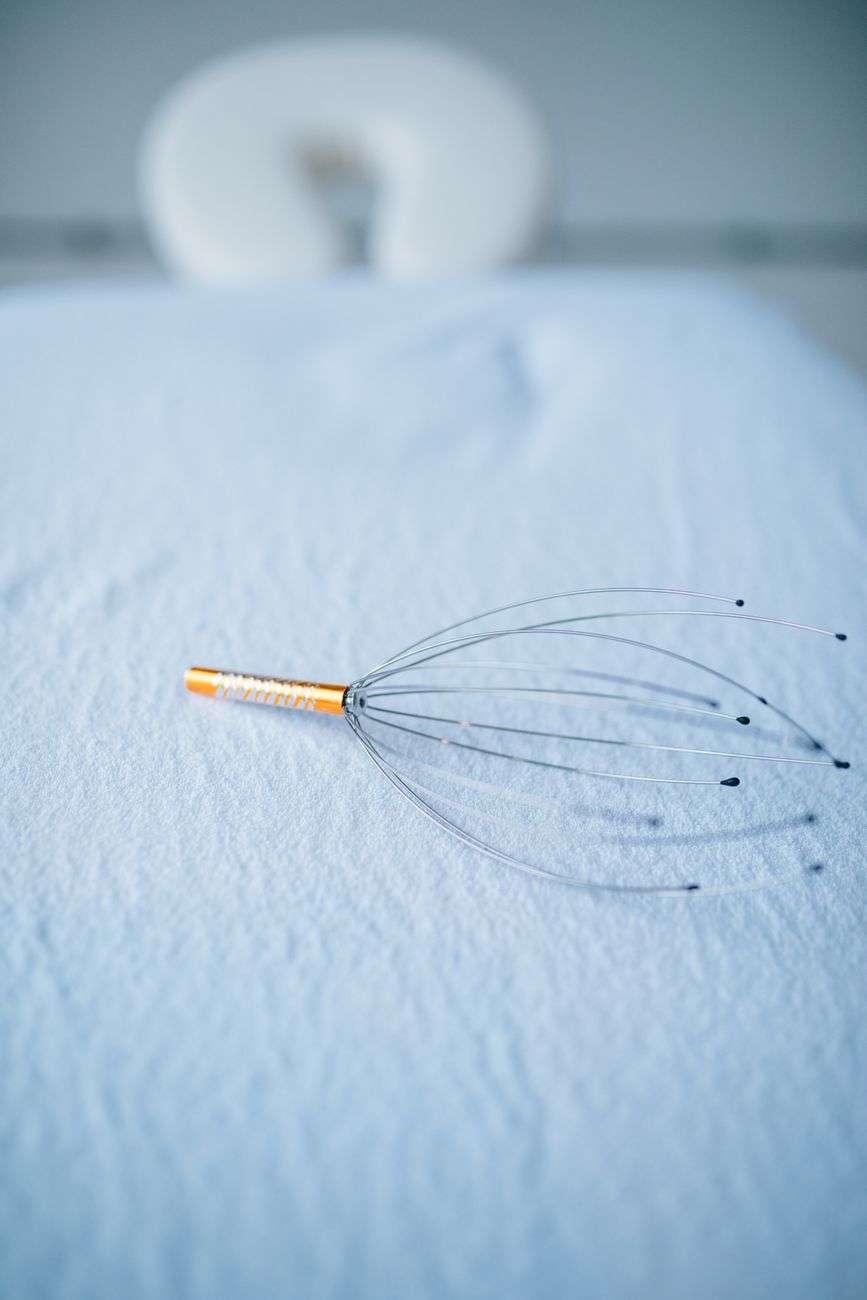
Skincare normalized the idea of at-home devices—LED masks, gua sha tools, microcurrent wands. Hair care simply migrated the strategy. Now we have scalp massagers with silicone bristles engineered for "optimal stimulation," scalp brushes with specific exfoliation patterns, and even scalp-scanning devices that photograph your follicle health like a Ring camera for your head. Dyson and Shark didn't create new technology; they repackaged existing massage principles with better industrial design and charged accordingly.
"Scalp facials" became a service menu staple
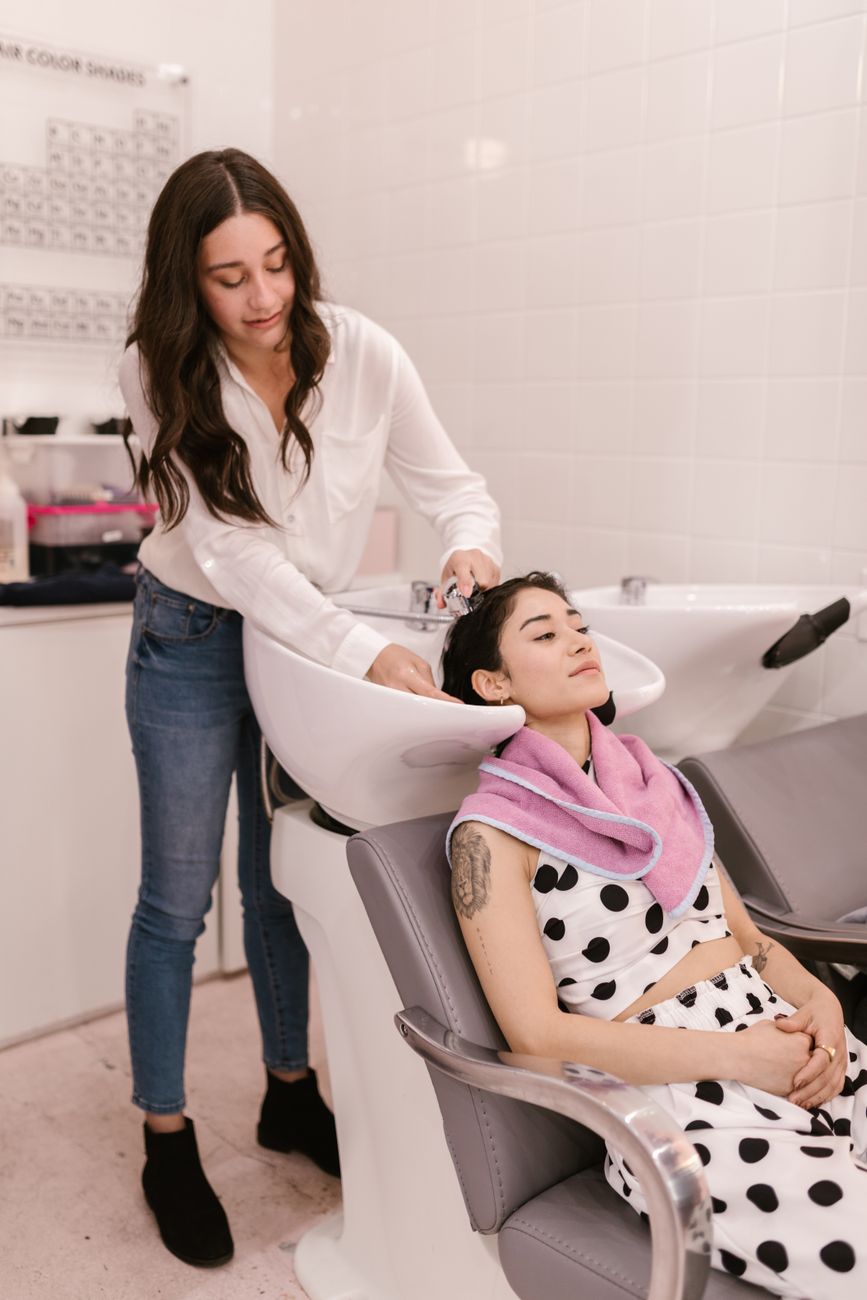
High-end salons rebranded deep conditioning treatments as "scalp facials," complete with multi-step protocols and 45-minute time blocks that justify $150+ price points. The treatment itself—exfoliation, massage, mask, serum—directly mirrors facial protocol. Salons like Whittemore House and IGK built entire business lines around scalp analysis and customized treatment plans, transforming what used to be a free head massage during your blowout into a standalone revenue category with its own booking codes.
Skincare actives migrated to scalp formulas verbatim
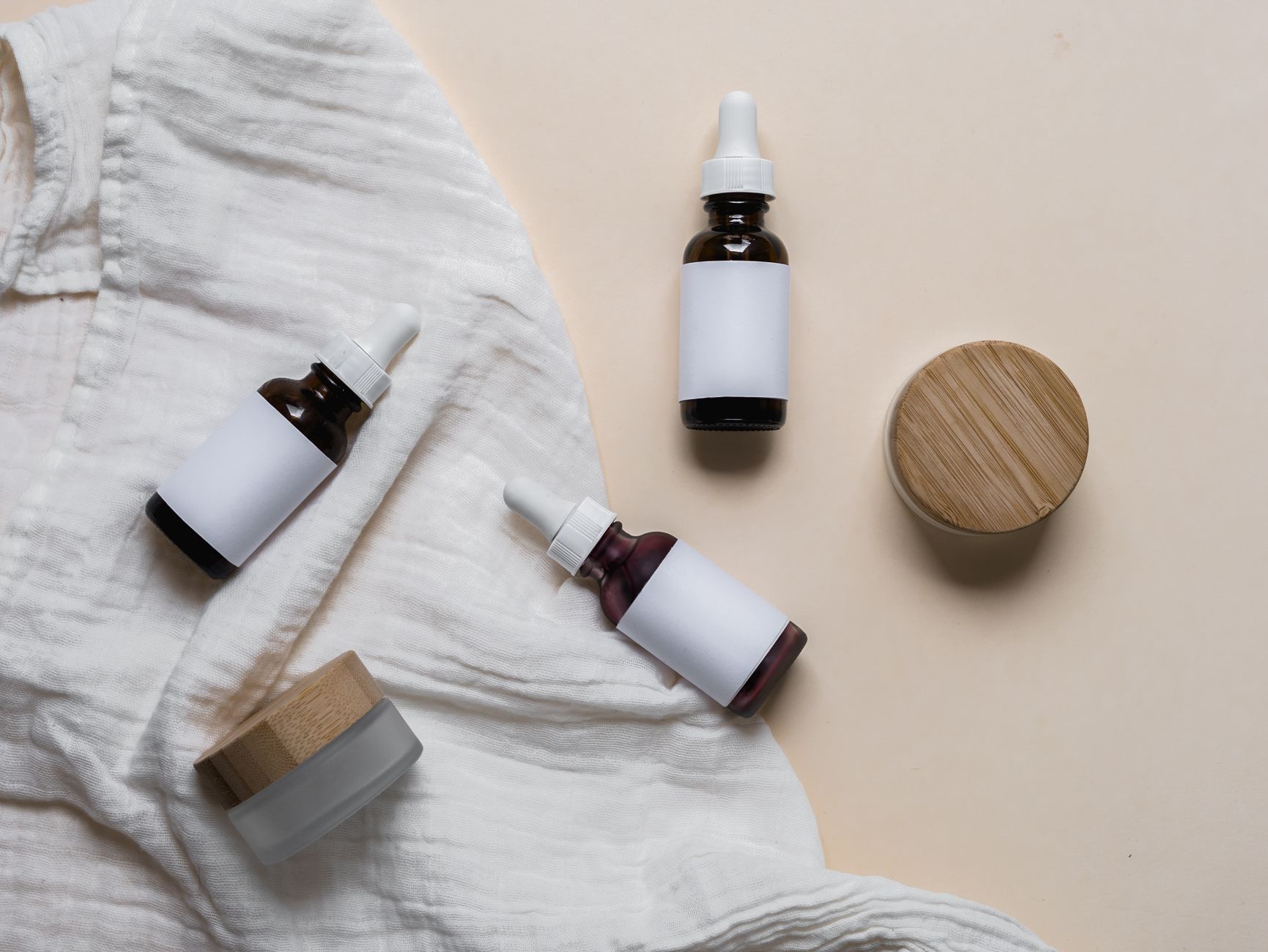
Hyaluronic acid for hydration. Niacinamide for oil control. Salicylic acid for exfoliation. Peptides for strengthening. The entire actives glossary that took skincare a decade to educate consumers about was simply copy-pasted into scalp products. Brands didn't need to build new ingredient stories or fund new clinical studies—they just needed to change the application site. The Ordinary's success proved consumers would buy separated actives; scalp care brands took notes and launched single-ingredient treatments for a body part that previously made do with all-in-one shampoo.
The microbiome conversation found new territory
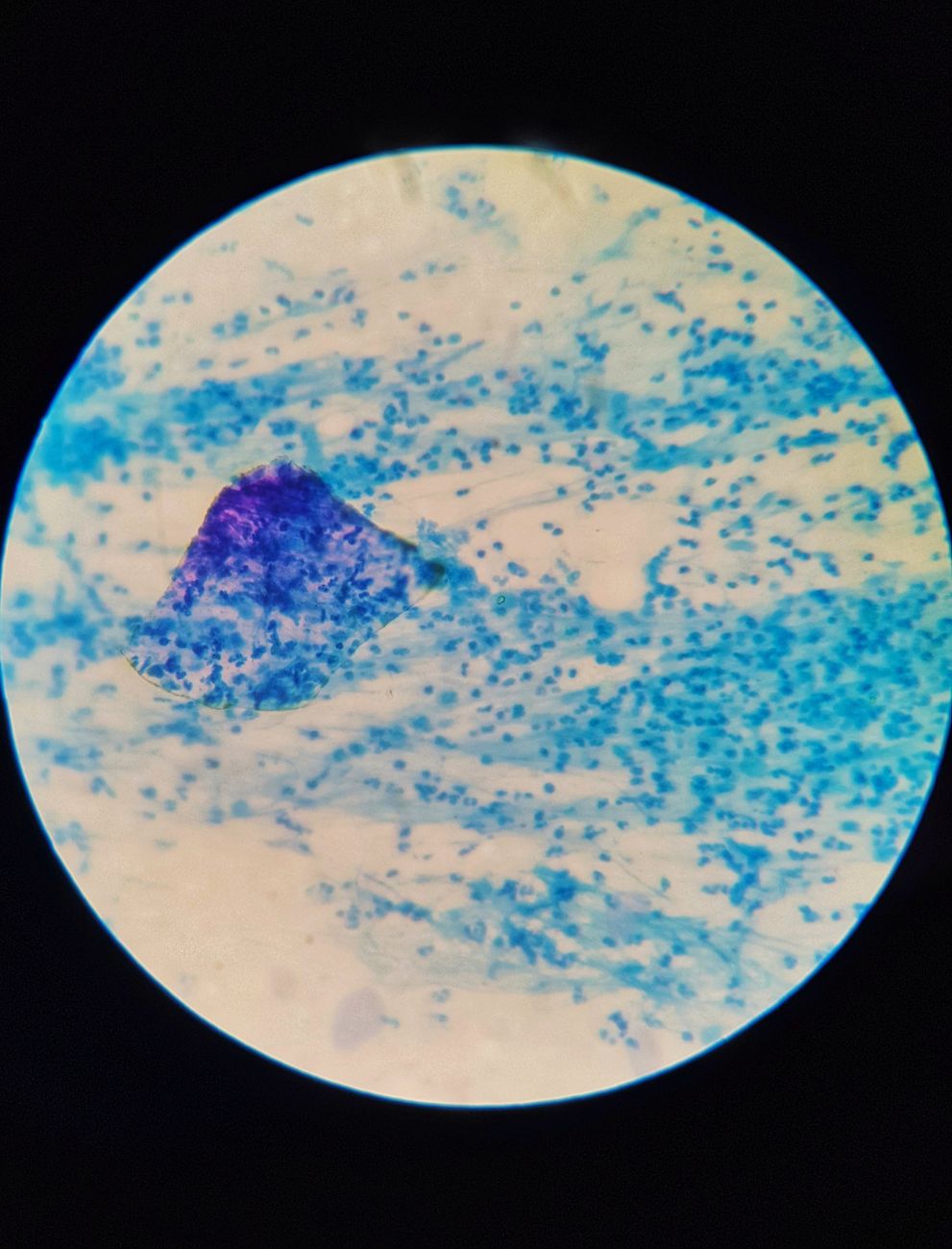
Once skincare exhausted the skin microbiome narrative, scalp care adopted it wholesale. Brands like Prose, Jupiter, and Crown Affair now talk about scalp microbiome balance with the same clinical authority that skincare brands discuss facial flora. The pitch is identical: harsh products destroy your natural ecosystem, premium products restore it. Prebiotics and probiotics that were trending in serums now appear in shampoos. The science is legitimate, but the commercial application is pure template replication—find a biological system, claim existing products damage it, sell expensive alternatives that promise restoration.