For nearly a decade, the beauty industrial complex convinced us that hydrated skin only came in one finish: wet-looking, glazed, perpetually dewey. Glass skin, dolphin skin, glazed donut—the metaphors multiplied, but the directive stayed the same. Shine or be shamed.
That era just ended. Compact foundations are having their first significant sales surge since 2015, and it's not nostalgia driving it. A generation raised on cream everything is discovering that powder does things liquid can't: it travels, it doesn't oxidize in your bag, and it looks like actual skin instead of a filter attempting to pass as skin. The pendulum always swings.
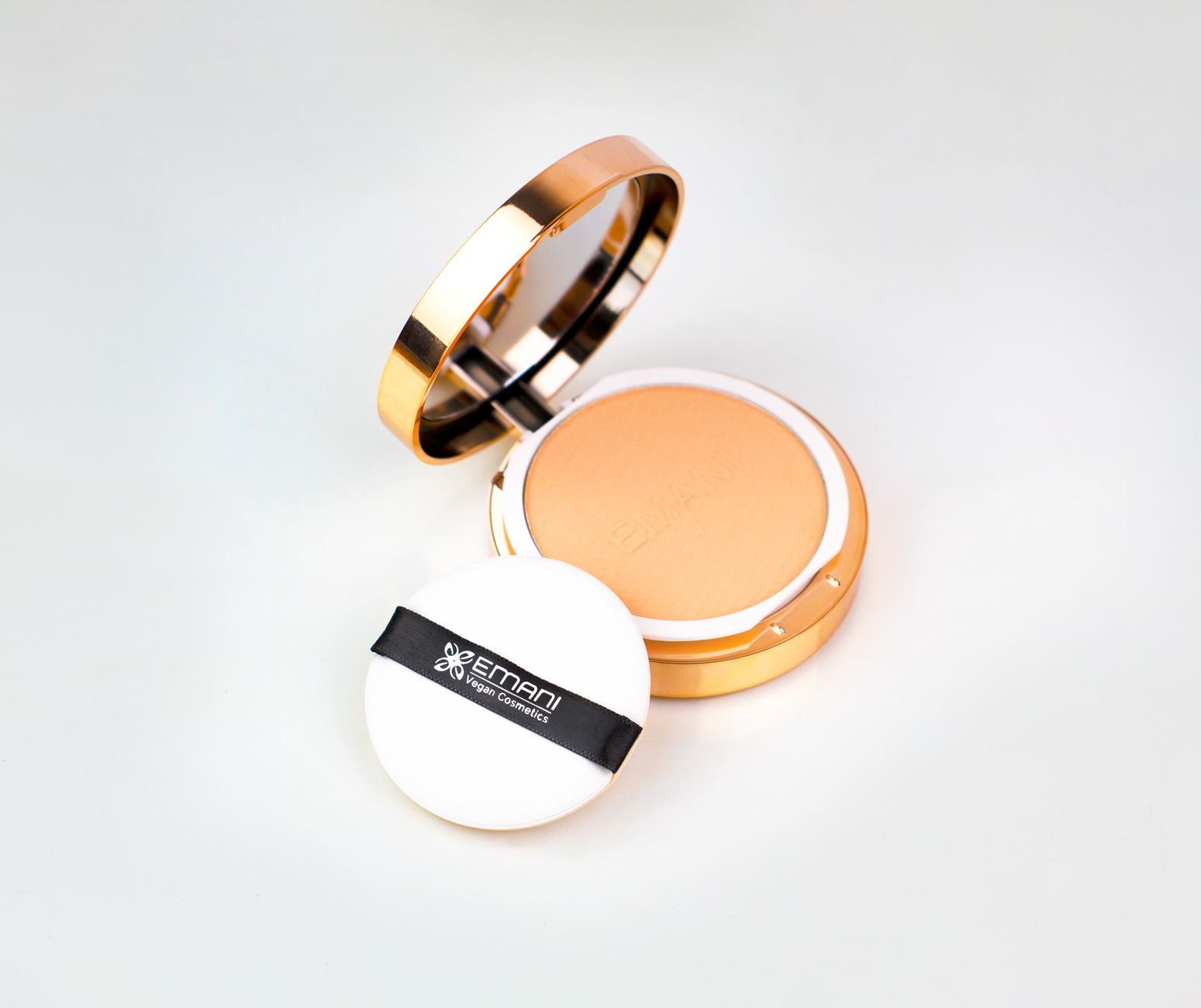
Gen Z discovered the refillable compact their mothers abandoned
Twenty-somethings scrolling through vintage Chanel campaigns suddenly understood what their predecessors knew instinctively: a compact fits in an actual pocket. The same demographic that championed sustainability is now realizing that refillable pressed powder generates less waste than pumping through bottle after bottle of liquid. Function, not nostalgia, is fueling the comeback. When your beauty routine involves four time zones in a week, portability isn't retro—it's essential.
Humidity won the war dewy skin started
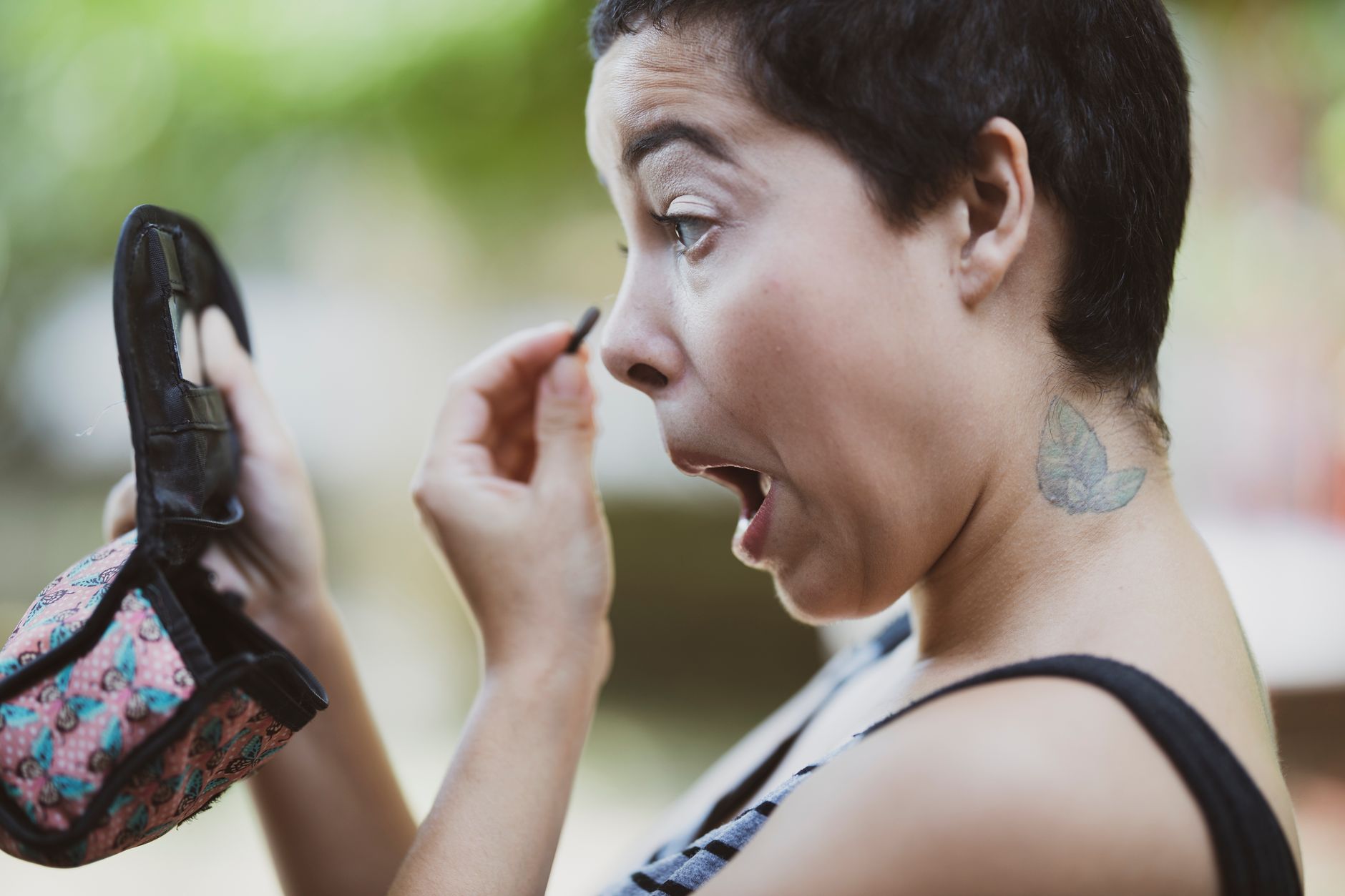
The honest truth no one wanted to say out loud: dewy formulas only work in climate-controlled environments. Step into actual weather—a subway platform in August, a walk between meetings—and that glow becomes a slick. Powder absorbs reality instead of fighting it. The tablet foundation resurgence isn't about hating moisture; it's about accepting that shine and sweat read identically on human skin, and only one is intentional.
Makeup artists stopped pretending filters are achievable IRL
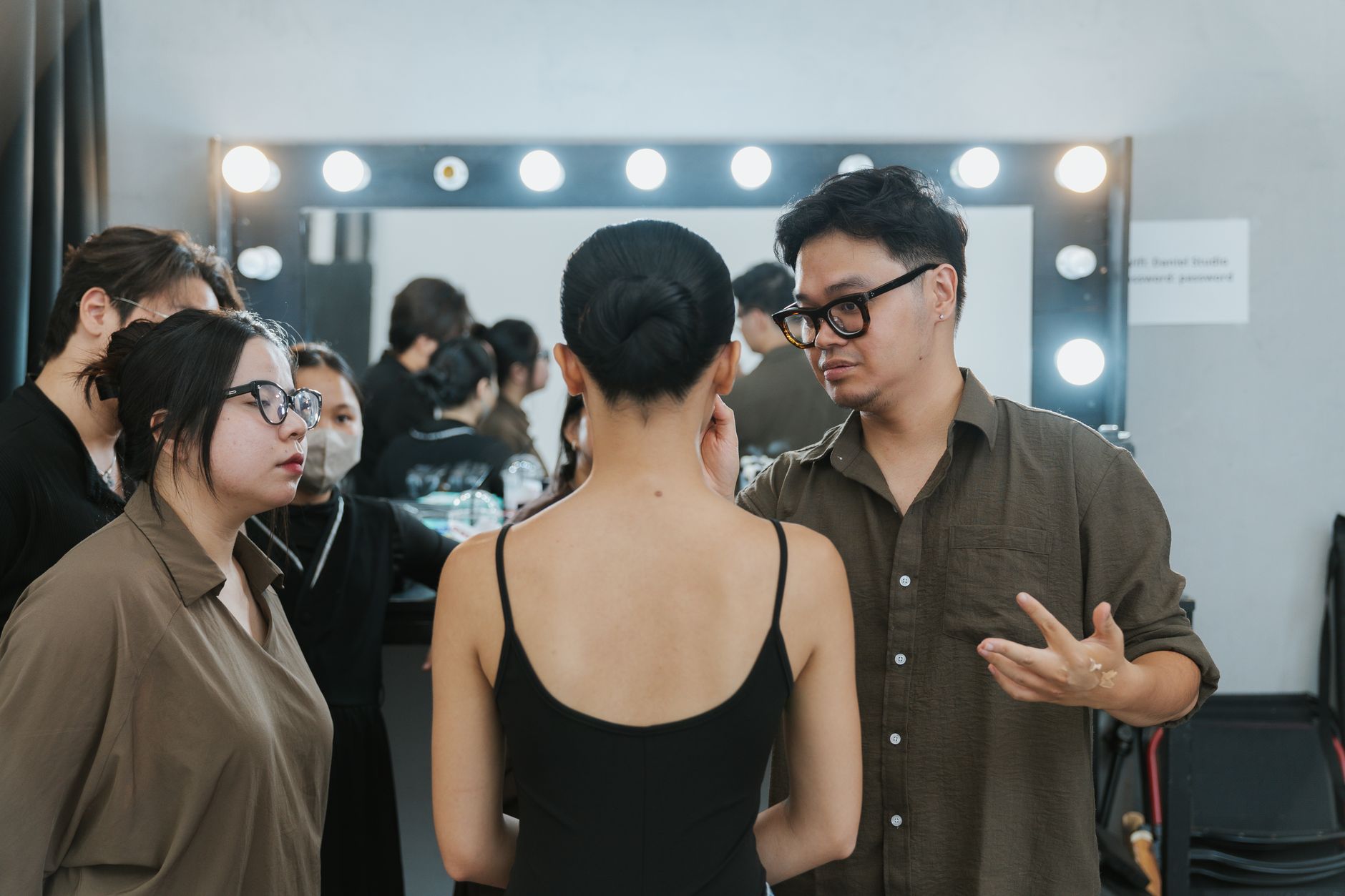
Backstage at the spring shows, a quiet revolution: more pressed powder, fewer glossy balms. After years of creating looks engineered to photograph well on Instagram, professionals are rebuilding techniques for faces that exist in three dimensions. Matte doesn't mean flat—it means you can see actual bone structure instead of strategic light reflection. The pendulum swung so far toward glow that we forgot definition requires shadow, and shadow requires something that isn't perpetually reflective.
The luxury brands admitted powder never actually left their labs
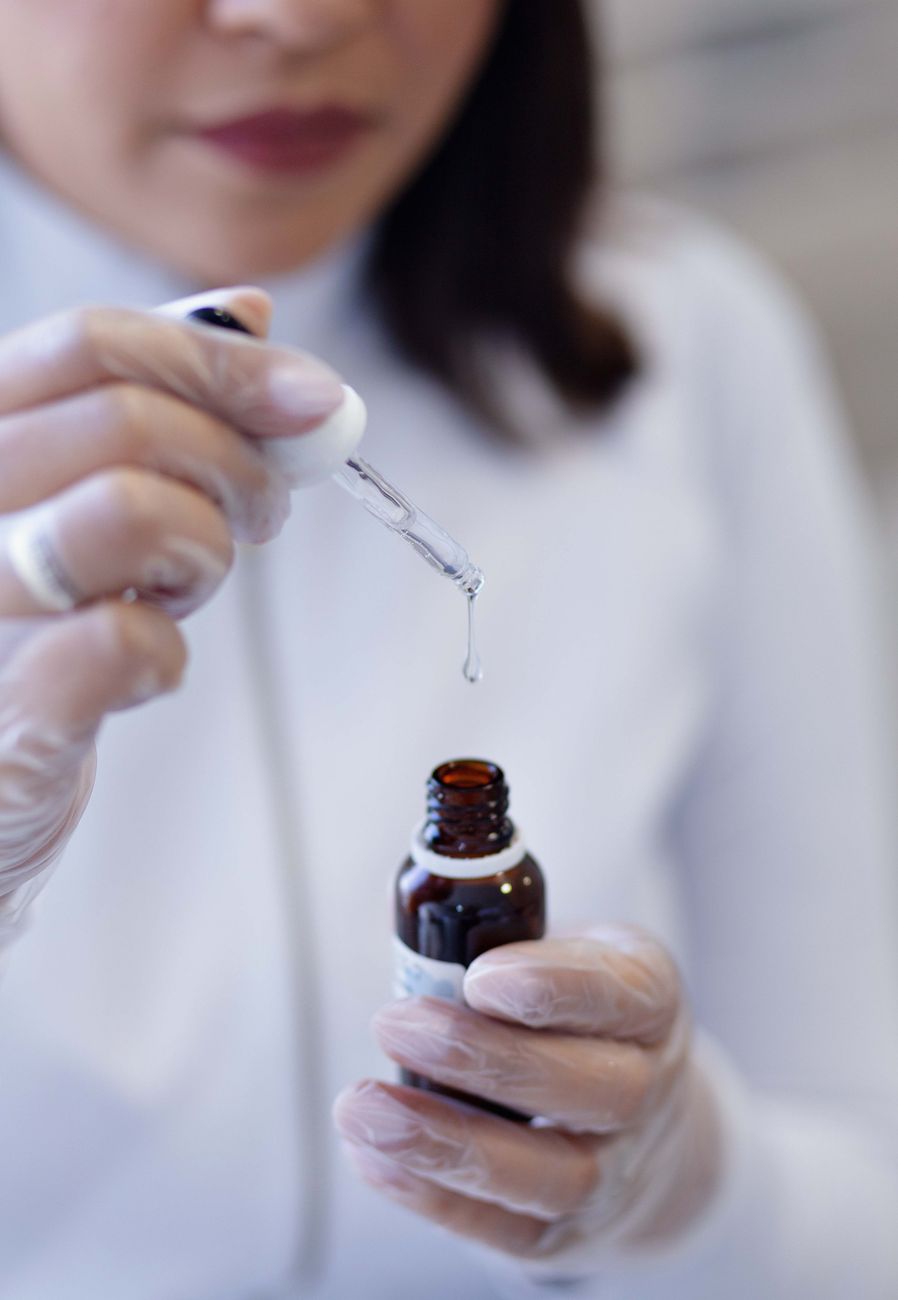
While brands spent the 2010s pushing cushion compacts and skin tints, their R&D teams never stopped refining pressed powder technology. The new formulas bear no resemblance to the chalky compacts that gave powder its bad reputation. Microsphere technology, light-diffusing particles, hydrating powder—the innovations were always happening, just quietly. Now they're launching with the marketing muscle previously reserved for serums, because the money finally sees what the chemists always knew: powder is technology, not a relic.
Your skin doesn't actually want to look wet all day
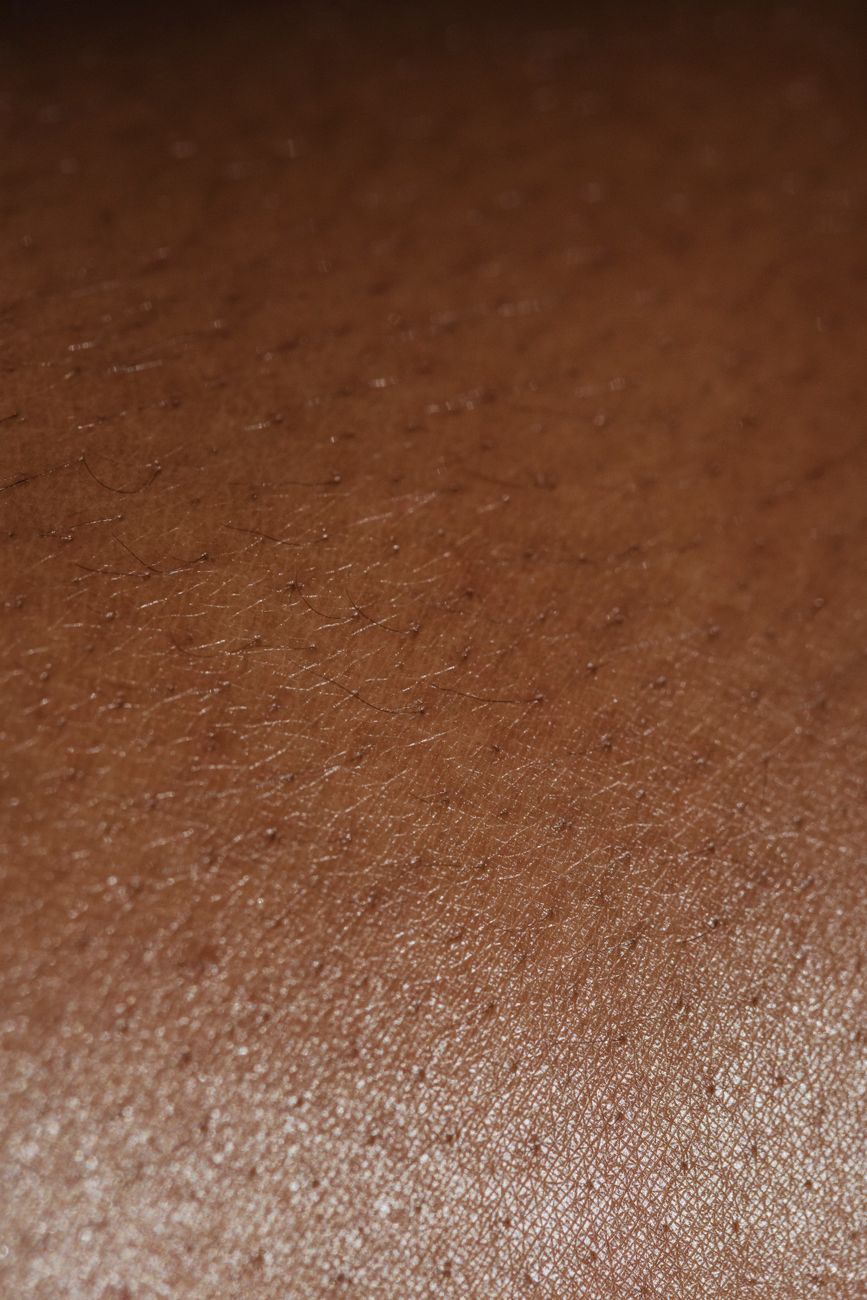
The dewy movement conflated moisture with appearance in ways that never made physiological sense. Hydrated skin doesn't shine—properly functioning skin has a natural matte-to-satin finish that varies by zone. The tablet foundation comeback represents something larger than a product category revival: it's permission to let skin look like skin again, texture and all. The most radical thing you can do in beauty right now is embrace a finish that doesn't require explanation or a ring light.