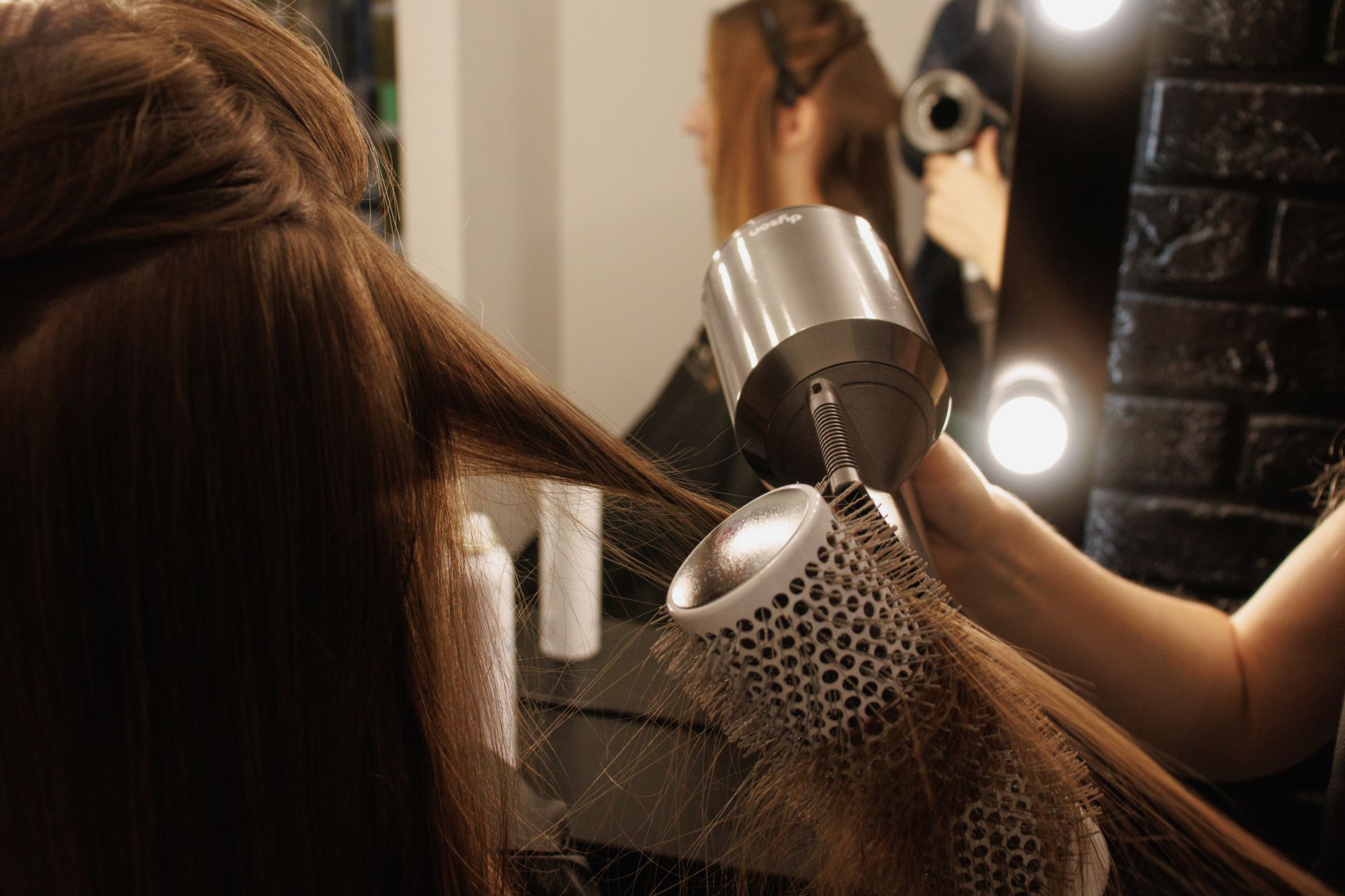
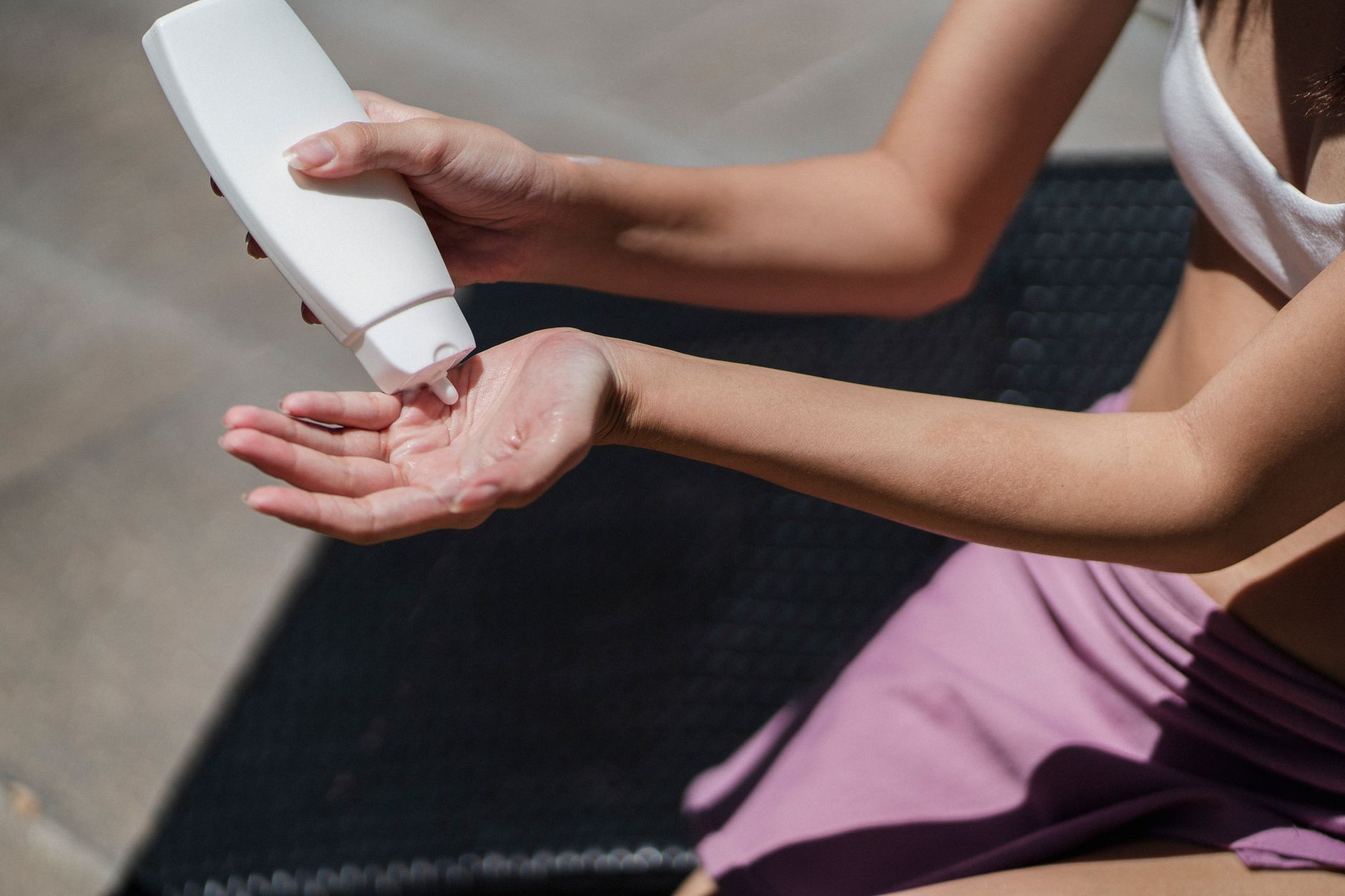
Slugging started as a K-beauty secret for plump, dewy skin: slather petroleum jelly on your face before bed, wake up glazed. Then it leaked. First to lips, where everyone suddenly needed barrier repair. Then hair, where high-shine grease became "gloss treatment." Now cuticles, because apparently no surface can escape occlusion.
This isn't evolution—it's occupation. One technique now dominates the entire beauty routine, proof that we've stopped asking whether a trend makes sense and started asking where else we can apply it. The real story isn't slugging's versatility. It's how desperately we need the next application to keep the conversation alive.
Facial Slugging Hits Market Saturation, Needs New Territory
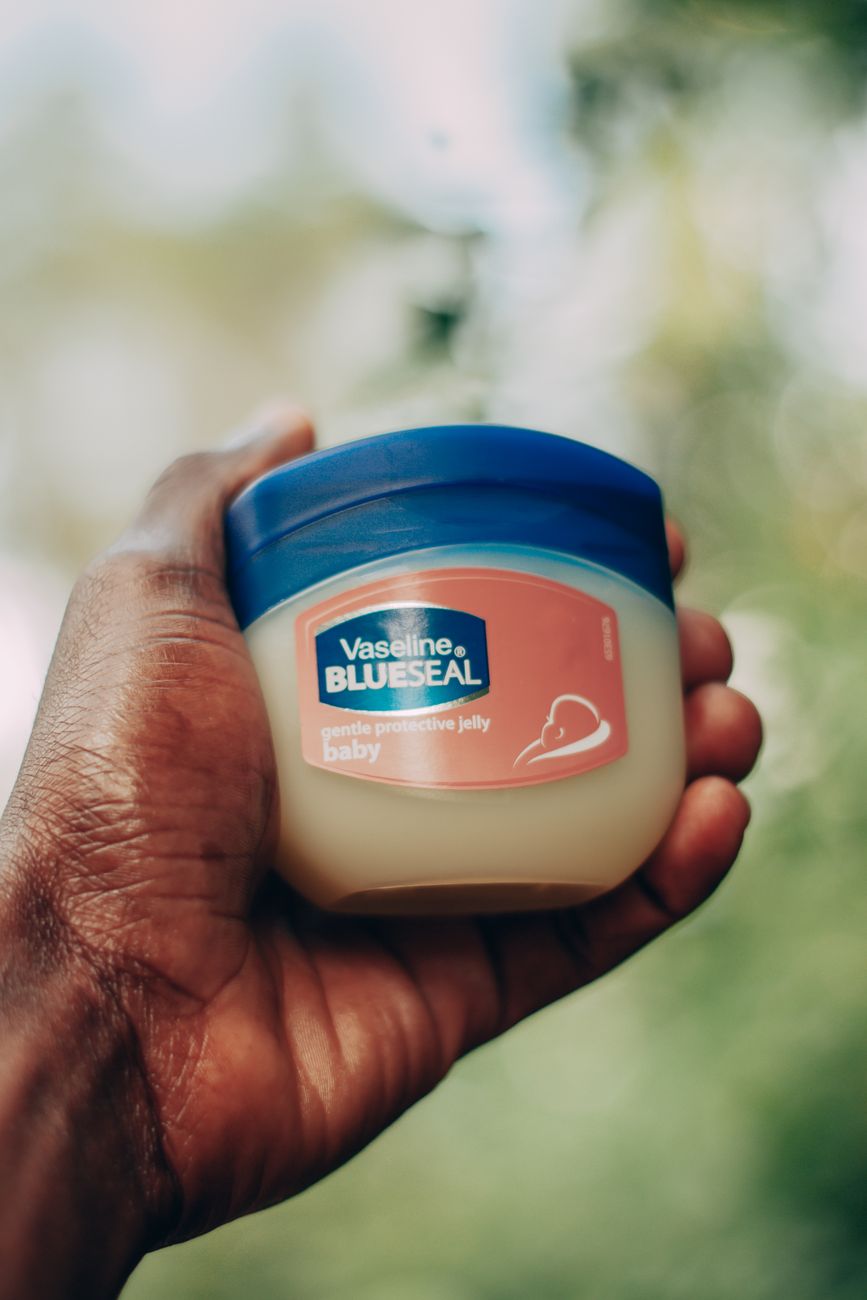
Every dermatologist has weighed in. Every brand launched an occlusive. The original trend peaked eighteen months ago, but the beauty industry can't let a good technique die quietly. So slugging metastasized—not because faces stopped benefiting, but because content creators exhausted every possible angle. When you've filmed "I slugged for 30 days" and "dermatologist reacts to slugging," the only move left is finding new real estate.

Lip Slugging Rebrands Chapstick as Skincare
Calling it "lip slugging" transforms a $3 drugstore habit into a $28 ritual. Same petroleum jelly, different marketing. The appeal isn't efficacy—people have been using Vaseline on lips since 1870—it's the borrowed authority of skincare. Lips get the clinical language of barrier function and transepidermal water loss, as if your mouth requires the same protocol as your moisture barrier. It doesn't, but charging more requires pretending it does.

Hair Slugging Sells Grease as Glazed Donut Aesthetic
Hair oiling predates K-beauty by centuries, but "slugging" makes it feel new. The technique—coating strands in heavy oils or petroleum-based products—isn't revolutionary, it's repackaged. What changed is the aesthetic reference point: "glazed," "glossy," "glass hair." These terms link hair care to the dewy skin ideal, creating a false equivalence. Your hair shaft doesn't have a moisture barrier to repair. This is just conditioning with better branding and a viral hashtag.

Cuticle Slugging Reveals We've Run Out of Body Parts
When you're slugging cuticles, you're not optimizing—you're scraping the bottom of the content barrel. Cuticle oil has existed forever; renaming it "cuticle slugging" adds nothing but algorithmic relevance. This is where trend migration becomes absurd: applying a facial technique to a completely different tissue type with different needs, simply because the word still gets clicks. It's not about whether it works. It's about whether it sustains the conversation for another quarter.
The Copycat Economy Favors Application Over Innovation
Developing a new ingredient or technique takes years and millions. Finding a new place to apply an existing trend takes one Instagram post. That's why slugging spread—it's cheap innovation. Brands and creators can participate without R&D, just by identifying the next untapped surface. The result is an industry that prizes lateral thinking over actual advancement, where "have you tried slugging your elbows?" counts as a product launch strategy.

Trend Migration Signals Short Attention Spans, Not Versatility
If slugging actually worked everywhere, we'd have figured that out decades ago. The rapid migration from face to lips to hair to cuticles isn't proof of a miracle method—it's proof we need constant novelty to stay engaged. Each new application buys another few months of relevance before fatigue sets in. We're not discovering slugging's hidden potential. We're stretching one idea across as many surfaces as possible before admitting we're bored and moving on to the next thing.

What Comes After You've Slugged Everything
Eventually you run out of body parts, and then what? The lifecycle of stretched trends always ends the same way: oversaturation, backlash, quiet abandonment. Slugging's migration pattern shows how beauty content cannibalizes itself, exhausting every possible variation until nothing feels fresh. The next move isn't another application—it's a completely different trend that lets everyone reset. By the time we're debating whether to slug our earlobes, we're already halfway out the door.
- Facial Slugging Hits Market Saturation, Needs New Territory
- Lip Slugging Rebrands Chapstick as Skincare
- Hair Slugging Sells Grease as Glazed Donut Aesthetic
- Cuticle Slugging Reveals We've Run Out of Body Parts
- The Copycat Economy Favors Application Over Innovation
- Trend Migration Signals Short Attention Spans, Not Versatility
- What Comes After You've Slugged Everything