Something shifted in pop music's DNA, and it happened when no one was watching TikTok closely enough. The vocal affectations that once marked you as "too theater"—the runs, the vibrato, the breath control that could sustain a note through an entire subway platform—are now the standard. Sabrina Carpenter belts like she's Elphaba. Chappell Roan performs like every stage is the Winter Garden Theatre. Even indie darlings who once mumbled through reverb are suddenly enunciating.
This isn't nostalgia for Glee or a Hamilton hangover. It's a complete recalibration of what sounds current, what reads as skilled, what commands a room. The theater kids didn't just arrive. They rewrote the rules, and now everyone else is learning the choreography.
Melisma became the new autotune
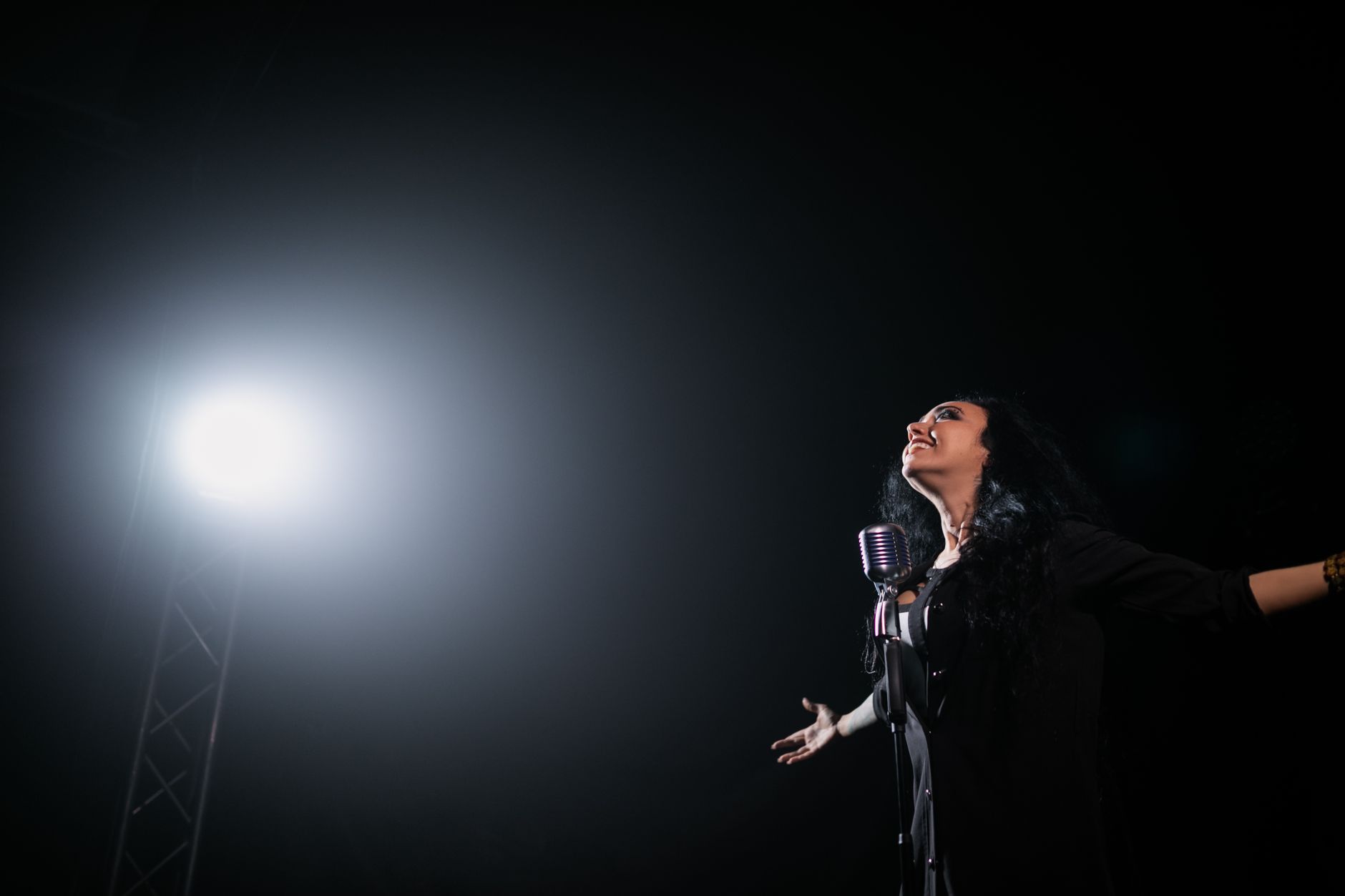
Pop production spent a decade smoothing every vocal into glossy uniformity, but listeners got bored of perfect. Now the runs—those multi-note flourishes on a single syllable—signal technical mastery and emotional commitment simultaneously. It's not enough to sing the melody anymore. You have to demonstrate that you could take it somewhere else entirely if you wanted to, that you're holding back power rather than maxing out your range.
TikTok made Broadway technique legible to everyone
A generation raised on bootleg Spotify recordings of original Broadway casts and TikTok vocal coaches breaking down Cynthia Erivo's breath support doesn't hear theater singing as niche. They hear it as aspirational technique. When your for-you page serves up daily tutorials on belt vs. mix voice, musical theater stops being a subculture and starts being a skill tree everyone's trying to unlock.
Indie musicians stopped pretending they can't sing
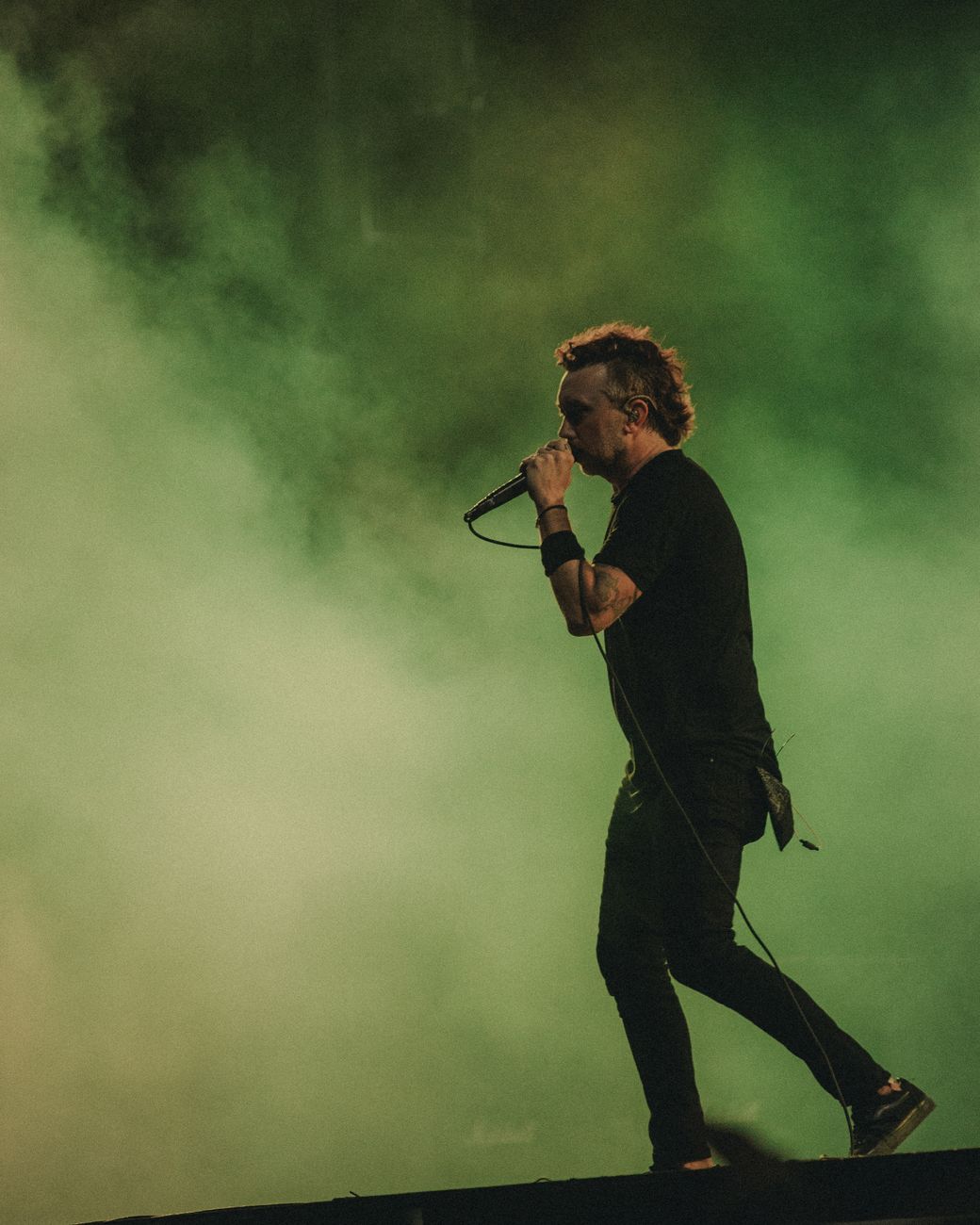
The indie sleepwear era—all whispered vocals and intentional fragility—feels suddenly dated. Artists like Ethel Cain and Faye Webster still traffic in vulnerability, but they're doing it with trained voices that can fill a room. The affectation now is competence. Sounding like you never took a lesson reads as either lazy or insecure, and neither has currency in a moment that values visible effort.

Ariana Grande made the pipeline explicit
Grande's trajectory from Nickelodeon theater kid to pop fixture to literal Glinda made the path undeniable. But more importantly, her vocal runs—always theatrical, never apologetic—proved that Broadway technique doesn't soften pop appeal. It intensifies it. She didn't code-switch between theater and pop. She made pop accommodate theater, and now that's just what vocals sound like at the top of the charts.
Live performance standards changed overnight
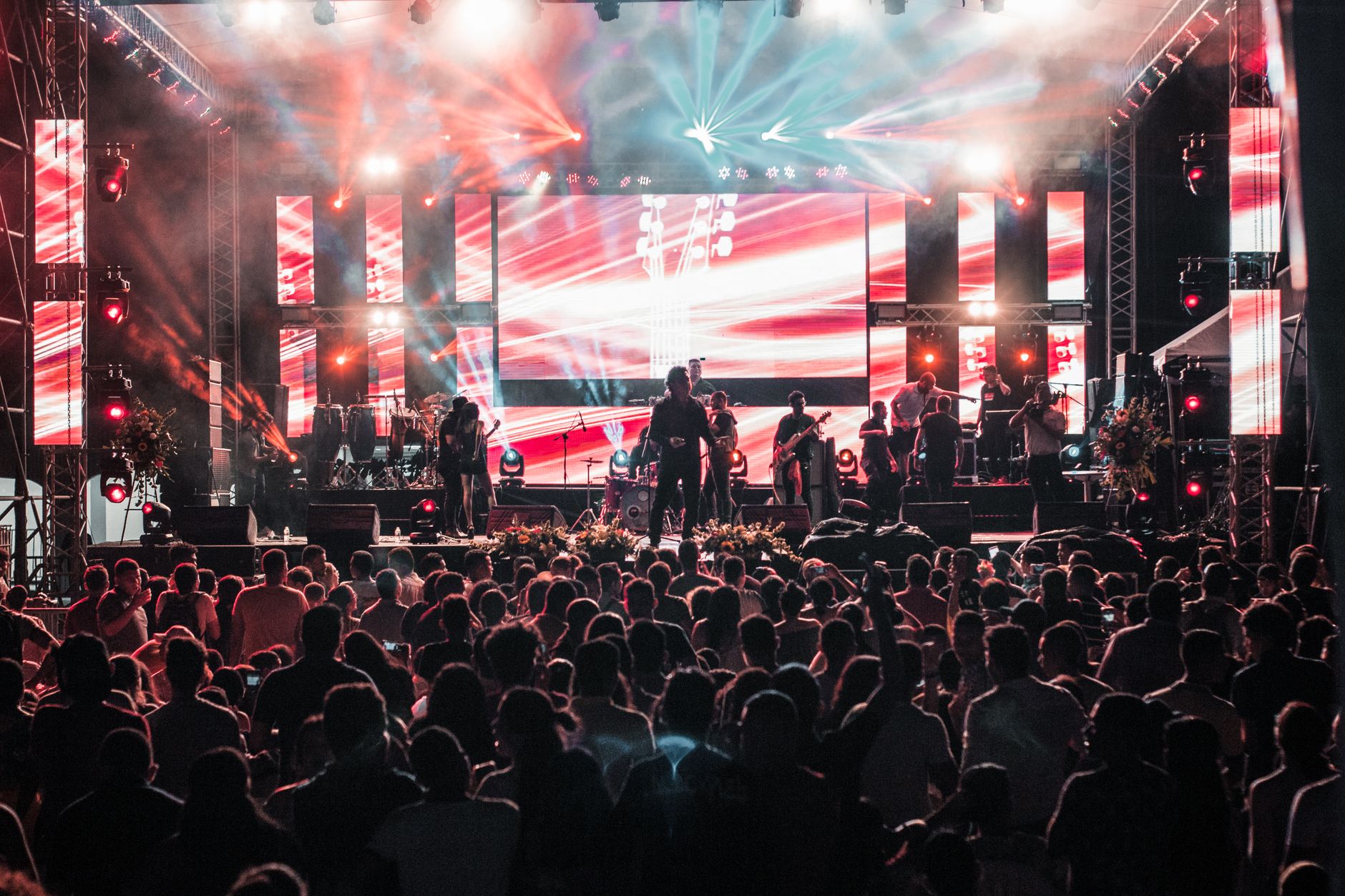
Post-pandemic touring created a reckoning: audiences who'd watched years of recorded content now expected vocal precision and theatrical staging in person. The bar moved. Artists who can't deliver vocal acrobatics while executing choreography suddenly look under-rehearsed. Theater training—which literally prepares performers for eight shows a week—became the competitive baseline, not the exception.
Chappell Roan turned camp into chart dominance
Roan's entire presentation—the costumes, the staging, the unabashed commitment to drama—is pure musical theater logic applied to pop structures. She doesn't wink at the theatricality. She doubles down, and Gen Z, raised on unapologetic self-presentation, doesn't cringe. They recognize it as a coherent artistic vision, the kind of total-package performance that theater has always demanded and pop is only now catching up to.
Vocal runs became emotional shorthand
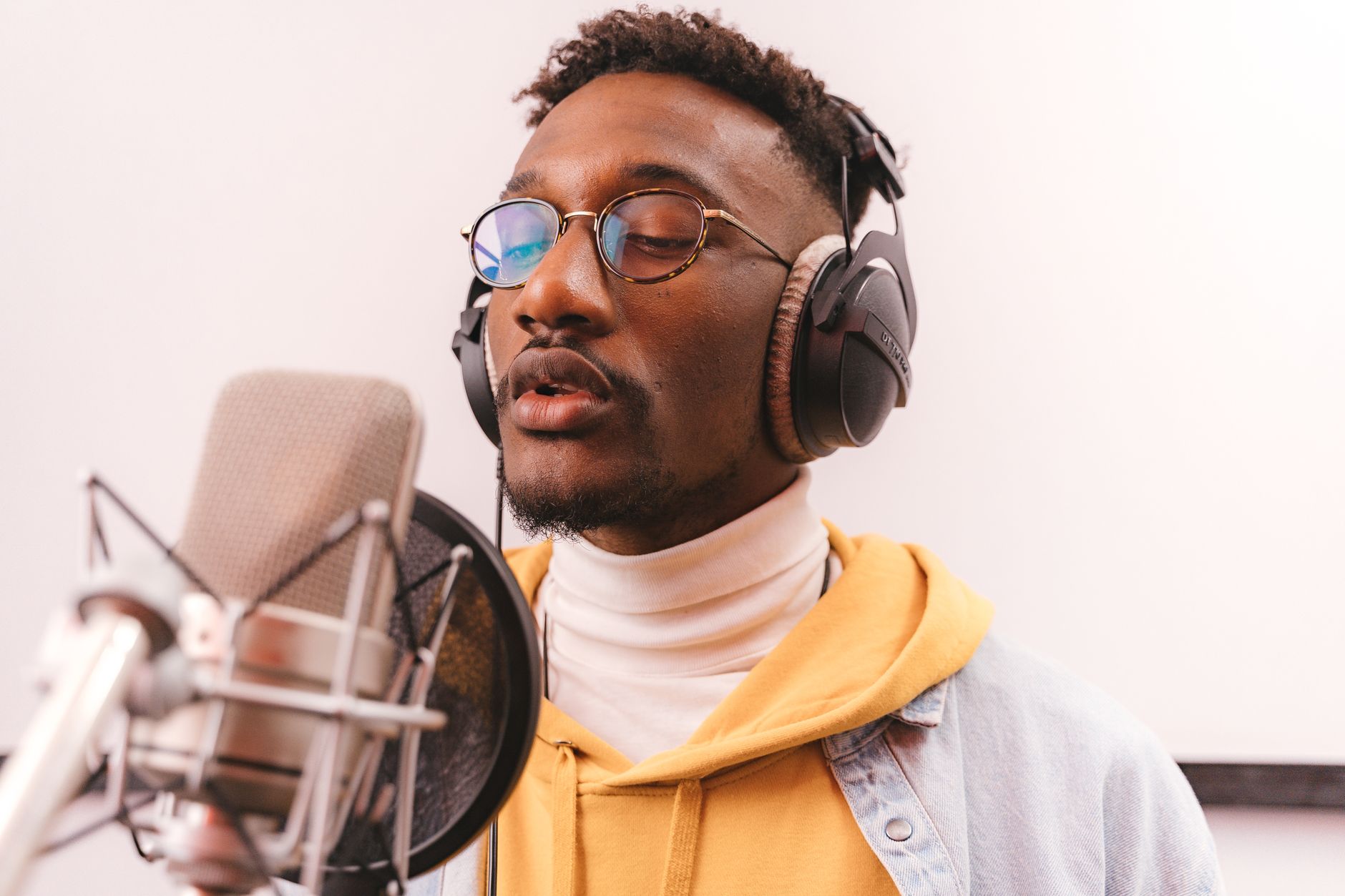
Where previous generations used distortion or rawness to signify feeling, this one uses technical flourish. A well-placed run communicates control and abandon simultaneously—the musical equivalent of crying with perfect eyeliner. It's vulnerability that's been workshopped, emotion that's been directed. In an era skeptical of unmediated anything, that combination of genuine feeling and visible craft feels more honest than raw spontaneity ever did.

The Great White Way became the ultimate A&R department
Labels aren't scouting SoundCloud anymore. They're watching who's understudying on Broadway, who's got the vocal stamina and stage presence already built in. The pipeline from Hamilton to headlining Coachella isn't theoretical—it's the new normal. Theater training became the most reliable predictor of who can handle modern pop's demands: vocal athletics, constant touring, total aesthetic commitment. The kids who spent high school in rehearsal rooms already know everything the industry is just now learning to value.
- Melisma became the new autotune
- TikTok made Broadway technique legible to everyone
- Indie musicians stopped pretending they can't sing
- Ariana Grande made the pipeline explicit
- Live performance standards changed overnight
- Chappell Roan turned camp into chart dominance
- Vocal runs became emotional shorthand
- The Great White Way became the ultimate A&R department