Travel insurance was supposed to be the safety net—the thing you bought for peace of mind when booking that non-refundable trip to Bali or flying to see family across continents. Now it's the industry that takes your money and runs when you actually need them.
AI-powered claim denial systems, Byzantine exclusion clauses, and bad-faith processing have turned travel insurance into a glorified scam. The companies bank on you never filing a claim, and when you do, they've engineered the fine print to ensure rejection. This isn't protection. It's extraction.

AI Rejection Bots Deny 70% of Valid Claims Within Seconds
Insurance companies quietly deployed machine learning systems that auto-reject claims based on keyword triggers in your submission. Mention a pre-existing condition, even tangentially? Instant denial. Your flight was cancelled due to weather but the algorithm flagged it as "foreseeable"? Denied. These systems are trained on profitability metrics, not fairness, and they're filtering out legitimate claims at rates that would make a human adjuster blush. By the time you appeal, you've missed your trip and the company's already moved your money into their investment portfolio.

The 'Pre-Existing Condition' Loophole Now Includes Your Anxiety Medication
Insurers have weaponized the pre-existing condition exclusion to absurd extremes. That anxiety medication you've taken for years? They'll use it to deny your claim for a broken ankle on a hike. COVID-19 created precedent for companies to comb through your medical history and connect imaginary dots between unrelated conditions. The fine print now contains exclusion lists so extensive that virtually anyone with a prescription, therapy appointment, or doctor's visit in the past five years can be rejected. They're not insuring you—they're building a case file for future denial.

Policies Changed Mid-Pandemic While Your Money Stayed Locked In
When COVID hit, travel insurance companies unilaterally amended policies to exclude pandemic-related cancellations—even for people who'd already purchased coverage expecting that protection. They kept your premiums but retroactively removed the coverage you paid for, arguing that global health emergencies now fall under "foreseeable events." Customers discovered this only when filing claims, finding out their $400 comprehensive policy now covered essentially nothing. The industry showed its hand: terms mean nothing when honoring them cuts into profit.
Credit Card Coverage Became the Last Reliable Option (And They Know It)
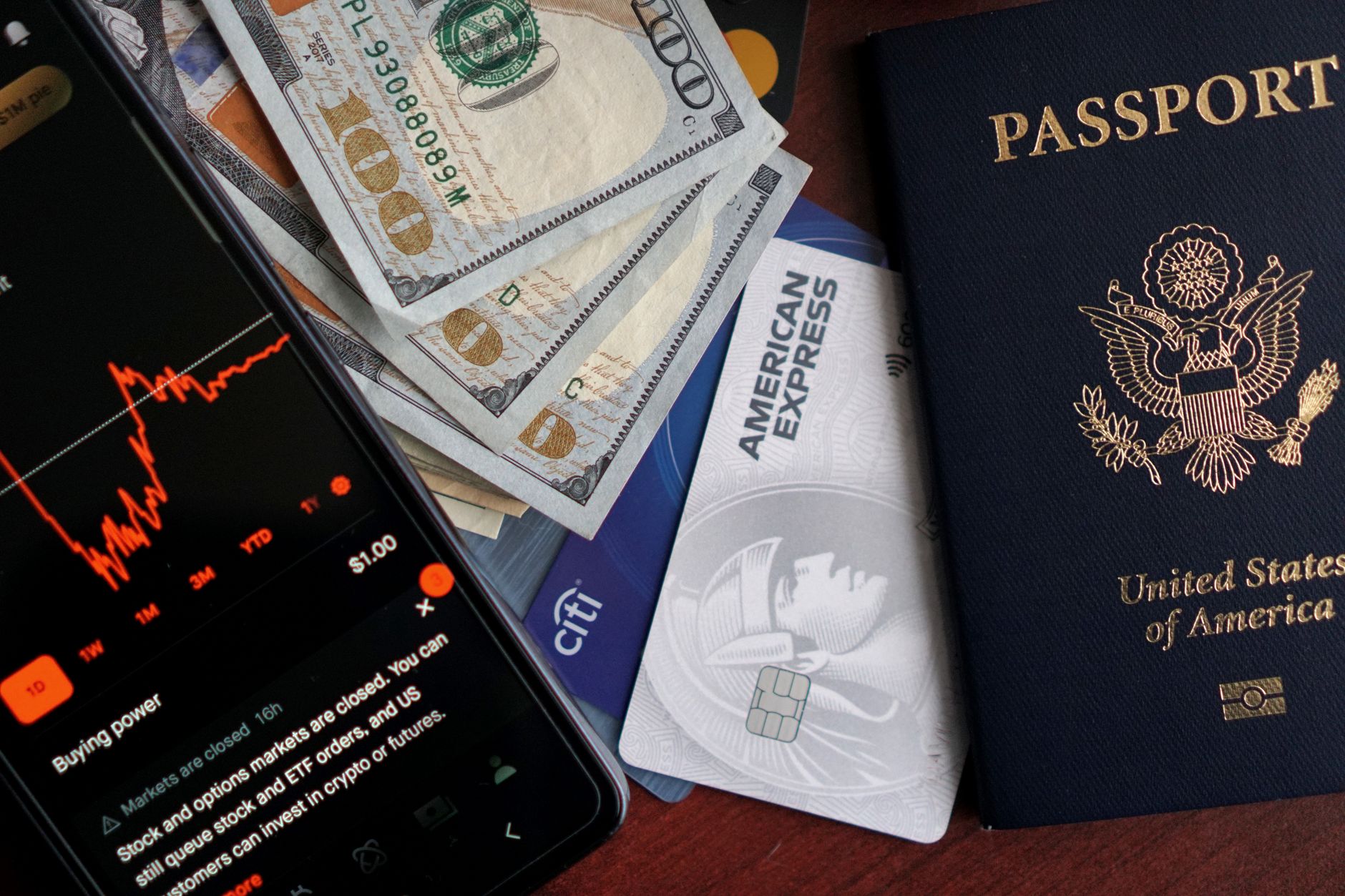
The irony is thick: the travel insurance included with premium credit cards now outperforms standalone policies you pay hundreds for. Card issuers honor trip cancellation and delay claims without the Kafkaesque denial process, making your Chase Sapphire or Amex Platinum a better bet than Allianz or World Nomads. Standalone insurers are losing market share to financial institutions that treat insurance as a customer service feature rather than a profit center. When credit card companies are more trustworthy than insurance specialists, the entire industry model has failed.

Class Action Lawsuits Are Piling Up, But Arbitration Clauses Keep You Out
Thousands of travelers have filed complaints with state insurance commissioners and attempted class actions against major insurers for systematic claim denial and bad-faith practices. The problem? Nearly every policy contains a forced arbitration clause that prevents you from suing or joining group litigation. You're stuck in a private dispute resolution system where the arbitrator is paid by the insurance company and has financial incentive to rule in their favor. Regulatory bodies are overwhelmed and underfunded, and insurers know they can operate in this legal gray zone indefinitely while individual customers lack the resources to fight back.
- AI Rejection Bots Deny 70% of Valid Claims Within Seconds
- The 'Pre-Existing Condition' Loophole Now Includes Your Anxiety Medication
- Policies Changed Mid-Pandemic While Your Money Stayed Locked In
- Credit Card Coverage Became the Last Reliable Option (And They Know It)
- Class Action Lawsuits Are Piling Up, But Arbitration Clauses Keep You Out