Surprise drops had their moment. Beyoncé made them canonical, every artist tried to replicate the shock, and then the shock wore off. What's more surprising than no warning? Actual strategy. The album rollout—once dismissed as outdated label machinery—is back, but not the way your parents knew it.
Today's artists aren't just releasing music; they're building narrative architectures where the wait itself becomes content. Teasers, cryptic billboards, orchestrated leaks, multi-week campaigns that treat albums like limited series. It's not nostalgia for the old industry playbook. It's a recognition that in an age of infinite content, scarcity is the luxury.
Multi-week campaigns replace the midnight shock
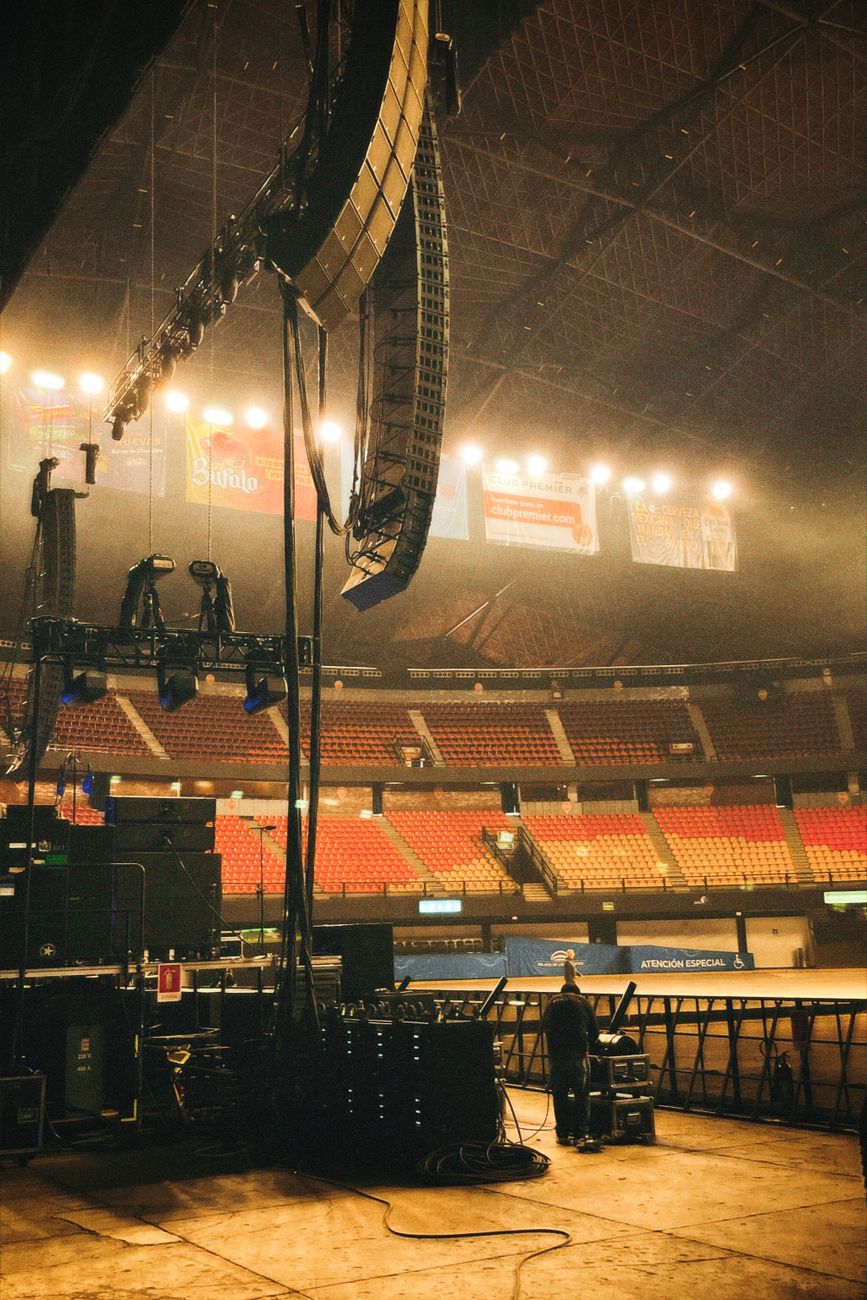
The surprise album is a sugar rush—thrilling for 48 hours, then absorbed into the algorithmic void. Artists like Olivia Rodrigo and Bad Bunny now unfold releases over weeks, each single a chapter, each visual a breadcrumb. This isn't the label-mandated radio cycle of the 2000s; it's controlled serialization. The rollout creates a narrative spine that streaming's shuffle culture can't provide, giving fans something albums alone no longer guarantee: a reason to pay attention sequentially.
Physical scarcity drives digital demand
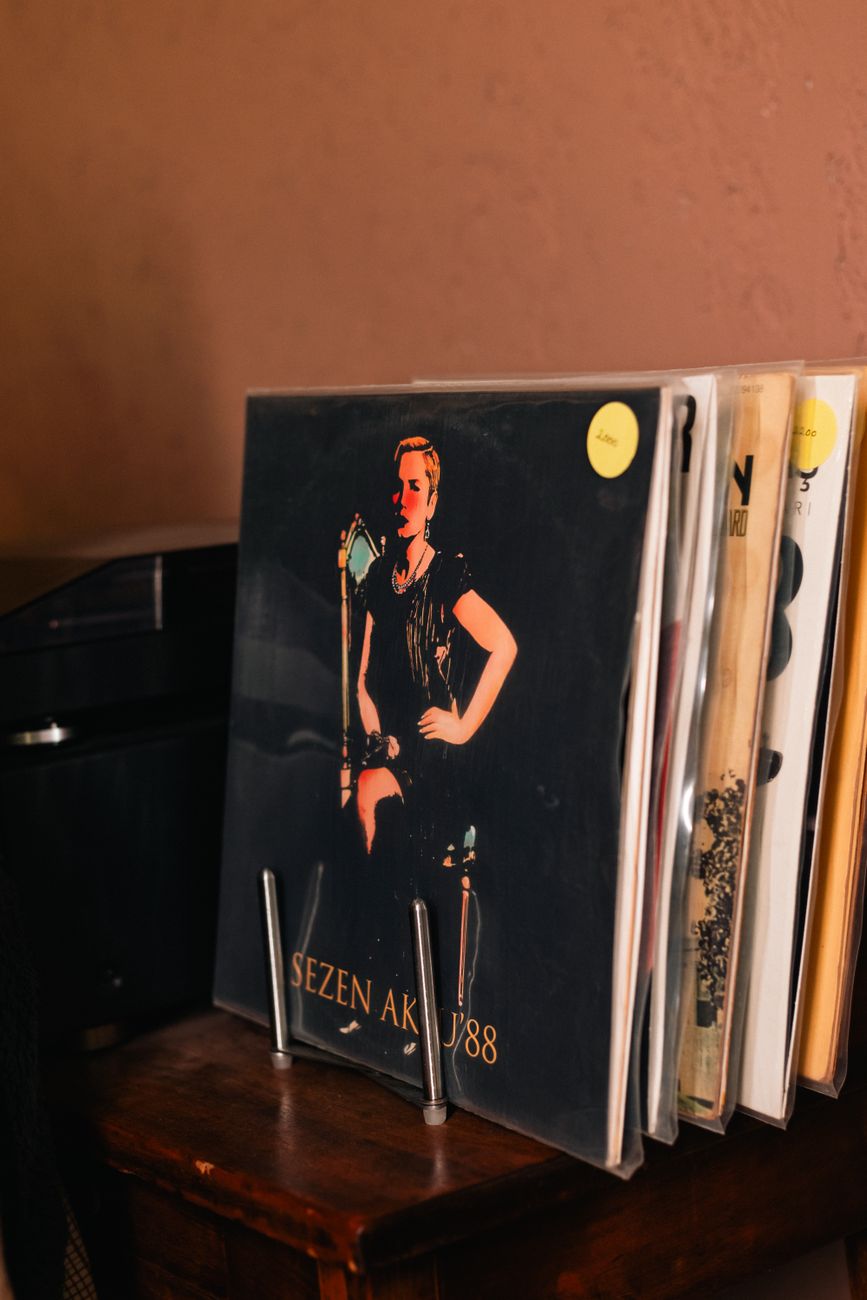
Taylor Swift turned her Eras Tour into a masterclass in manufactured urgency, but the real lesson is in the variants—the deluxe editions, the Target exclusives, the cassettes no one will play. By creating physical scarcity around digital abundance, artists reverse-engineer demand. You can stream the album instantly, but owning it, collecting it, completing it? That requires commitment. The rollout now extends beyond release day into an ongoing treasure hunt that keeps the album alive for months.
TikTok teases replace radio singles
Radio programmers used to dictate rollout timelines; now it's whoever controls the snippet. Artists preview 15-second clips weeks before release, letting TikTok's algorithm test which songs have main-character energy. SZA previewed "Kill Bill" in fragments; by the time it officially dropped, demand was guaranteed. This isn't passive promotion—it's active co-creation, where fan anticipation and platform virality determine which tracks become singles. The rollout is now a dialogue, not a broadcast.
Album-as-event requires a thesis statement
Streaming rewarded quantity; rollouts reward concept. Artists like Janelle Monáe and Lana Del Rey treat albums as exhibitions that need curatorial framing—a manifesto, a mood, a world you enter rather than shuffle through. The extended rollout gives them time to articulate what the album means before anyone hears it, transforming releases into cultural moments with preset narratives. In a landscape where attention is fractured, the rollout is how artists say: this isn't just music, it's a position.

Anticipation becomes the product itself
The genius of the modern rollout is that the waiting is no longer dead time—it's the experience. Cryptic Instagram countdowns, fan theory forums, Reddit detectives analyzing billboards. Artists learned from luxury brands: desire intensifies with delay. By the time Kendrick or Frank Ocean actually release, the album arrives pre-mythologized. We're not just consuming music; we're participating in its creation story. The rollout makes fans feel like insiders, and that feeling is worth more than any Spotify stream.