Remember when television had a rhythm? Fall premieres. Spring finales. Summer reruns. That predictable cadence shaped not just our viewing habits but our entire cultural conversation. Now, Netflix drops a series on a Wednesday in March, Apple releases three episodes on a Friday in October, and HBO scatters its prestige dramas across the calendar like confetti.
We've entered the era of the micro-season. Content arrives in unpredictable bursts, burns bright for a week or two, then vanishes from the discourse entirely. The result isn't just a change in how we watch—it's a fundamental shift in how culture moves, how communities form around entertainment, and how quickly we're expected to consume and forget.

The water cooler is now a group chat that expires in 72 hours
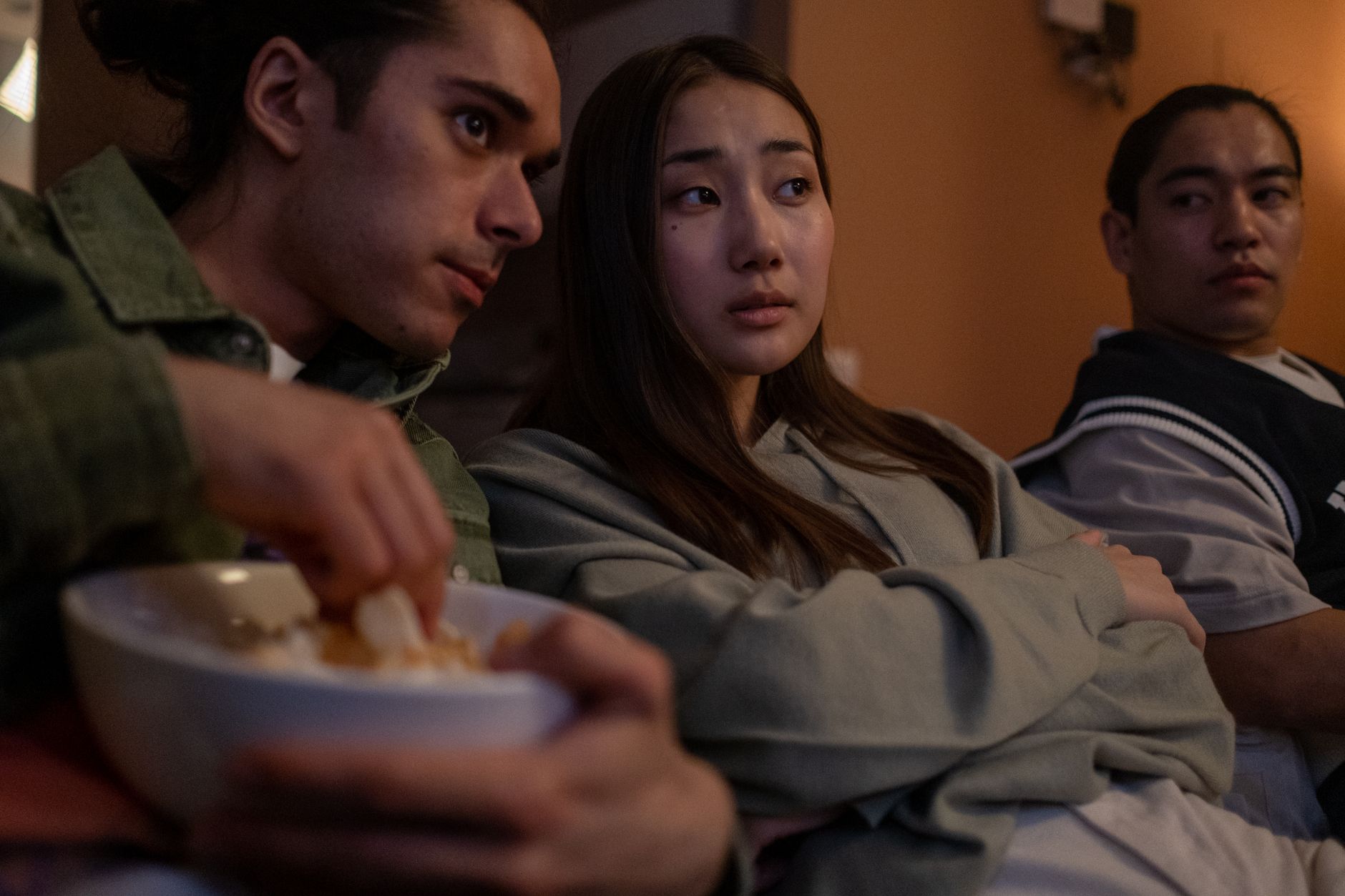
A show drops on Friday. By Monday morning, your group chat is filled with spoiler-heavy reactions. By the following Friday, the conversation has moved on entirely. The old model gave us weeks to catch up, to discuss, to let a show marinate in the culture. Micro-seasons demand immediate engagement or permanent exclusion. You're either in the discourse the weekend it drops, or you've missed the moment entirely. This isn't appointment television—it's appointment cultural participation, and the window is ruthlessly narrow.

Fandoms are forming and dissolving at unprecedented speed
Traditional TV seasons built fandoms slowly, brick by brick, over years of consistent programming. Micro-seasons create flash mob fandoms—intense, passionate, and breathtakingly short-lived. A limited series can dominate TikTok for ten days, spawn a thousand think pieces, inspire Halloween costumes, and be completely forgotten by Christmas. What we're losing isn't just sustained engagement; it's the institutional memory of culture itself. When everything is fleeting, nothing accumulates weight.
Streaming platforms are optimizing for virality, not longevity
The strategy is obvious once you see it: platforms aren't trying to create shows you'll watch for years. They're engineering cultural moments that spike social engagement and drive subscriptions in concentrated bursts. Drop an entire season at once, let it trend for a week, then move on to the next micro-season. The goal isn't a devoted audience returning weekly for a decade—it's new subscribers reacting to FOMO. Quality still matters, but only insofar as it generates immediate conversation. The long tail is dead; the algorithm favors the spike.
We're developing cultural amnesia in real time
Try to remember what show everyone was talking about four months ago. Struggling? That's the point. Micro-seasons have trained us to consume and forget at an accelerated pace. What once would have been a defining show of a year now barely registers as a blip in a quarterly content glut. This isn't just about entertainment—it's about our collective ability to maintain shared cultural reference points. When everything is designed to trend and disappear, we lose the scaffolding that holds cultural conversation together. We're not building a canon anymore; we're building a content landfill.
The winners are whoever can weaponize urgency
Scarcity creates value, and micro-seasons have made cultural relevance the scarcest resource of all. Platforms that master the art of manufactured urgency—the surprise drop, the limited episode release, the finale that "everyone" will be discussing Monday morning—aren't just competing for attention. They're competing for the fear of missing out on a cultural moment that will evaporate before you can catch up. This is entertainment as anxiety engine, and it's working. We're not watching because we want to anymore. We're watching because we're terrified of being left out of a conversation that will be over before we finish the season.