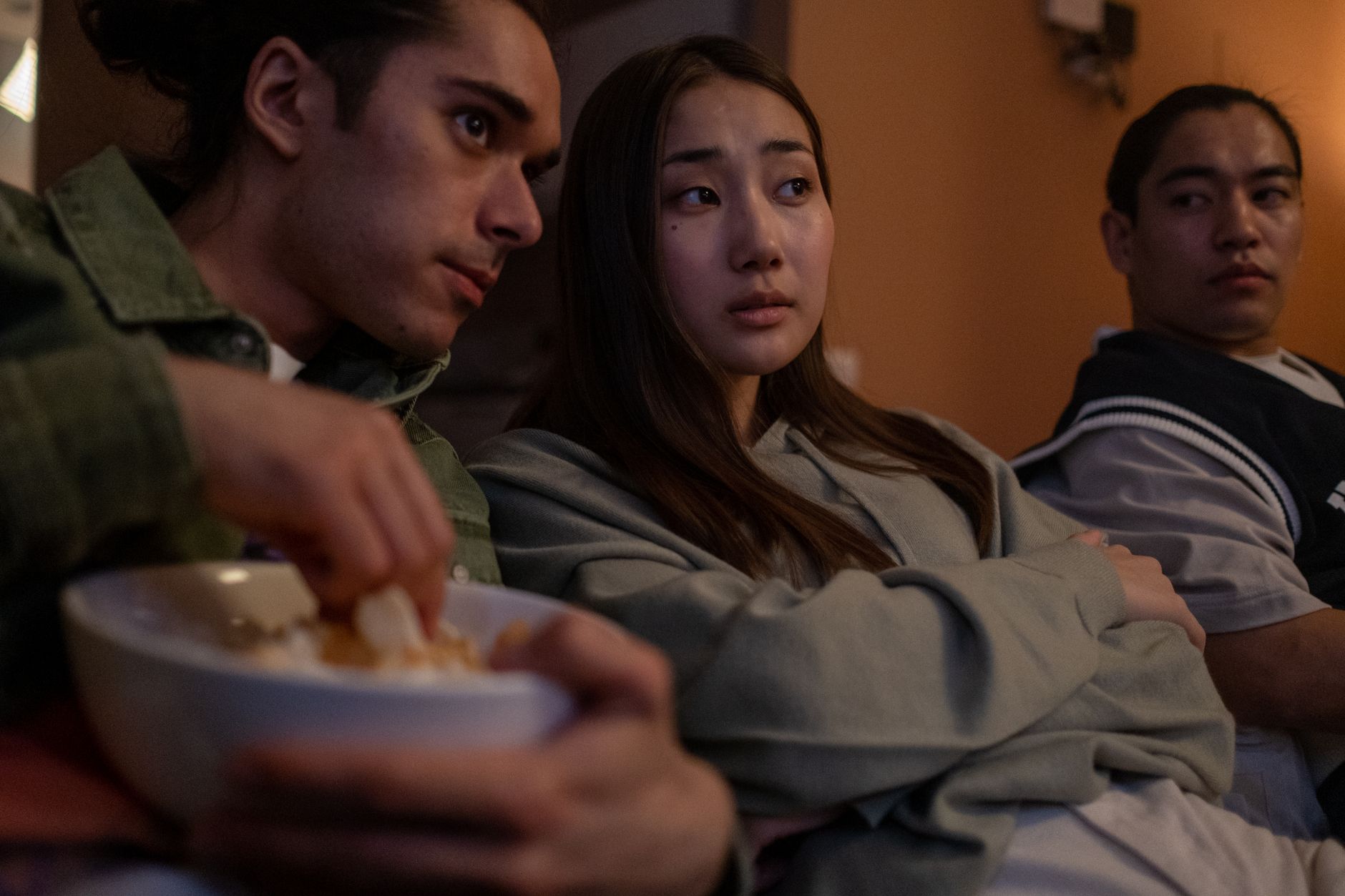
The television is on, but no one is watching. Across millions of households, streaming services flicker in the background—not as entertainment, but as ambient texture. Episodes play while people cook, work, sleep, exist. This isn't distraction. It's a deliberate choice.
Welcome to ambient watching, where content becomes atmosphere and viewing metrics become meaningless. The behaviour reveals something more interesting than our shortened attention spans: it exposes how we're redesigning media to serve emotional needs television was never built to address.
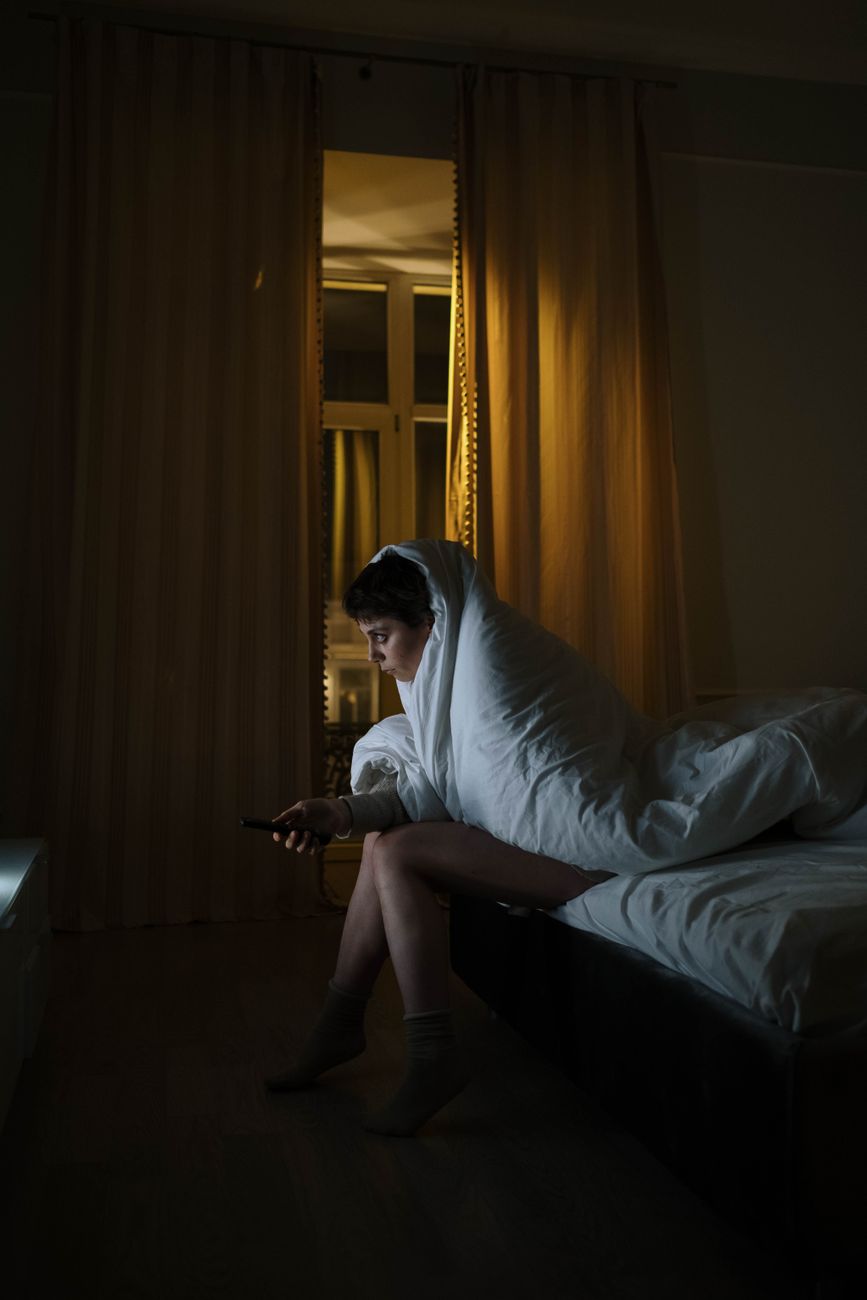
Sleep streams are the new white noise machines
Futurama, The Office, Bob's Burgers—these shows have become digital Ambien for a generation that can't sleep in silence. Their appeal isn't narrative but sonic: familiar voices, predictable rhythms, zero surprises. Streaming platforms have noticed, with some shows earning higher completion rates between midnight and 5am than during waking hours. The content isn't being watched; it's being prescribed.
Productivity theatre demands a soundtrack
Remote work killed the office hum, and people are filling the void with fictional offices instead. Gilmore Girls and Friends provide the social ambient noise that open-plan workspaces used to deliver—the illusion of company without the demand of interaction. It's not multitasking. It's environment design for the isolated knowledge worker who needs to simulate being less alone.

Comfort viewing is emotional regulation, not entertainment
When the world feels unstable, people don't want plot twists—they want the emotional equivalent of a weighted blanket. Rewatching familiar shows on repeat serves a therapeutic function: it creates a controlled environment where you know what happens next. The third rewatch of Parks and Recreation isn't about seeing the show. It's about borrowing the mood of a world where problems resolve in 22 minutes.
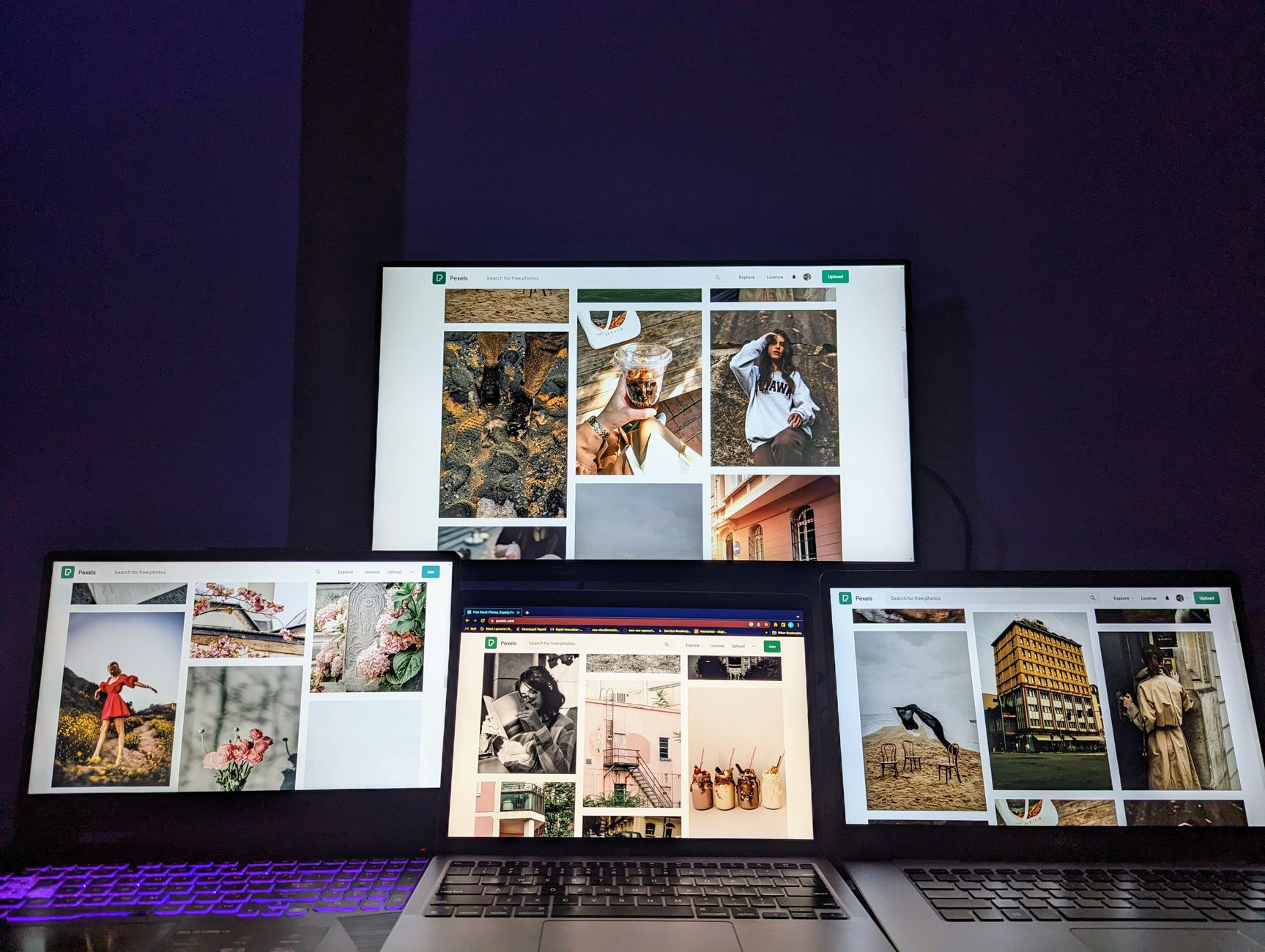
The second screen made the first screen optional
Phones won the attention war, and television accepted defeat by becoming the opening act. Most streaming now happens with a second screen in hand—the TV provides vague narrative scaffolding while the phone delivers the actual stimulus. This isn't scattered focus; it's layered media consumption where television functions as contextual backdrop to the main event happening in your palm.

Streaming metrics are measuring presence, not attention
Netflix counts a "view" if you watch for two minutes. Platforms track completion rates but can't measure actual attention, creating a data landscape built on ghost viewers. Shows are being renewed based on how long they stay on, not whether anyone's actually looking at the screen. The industry is optimizing for presence the way hotels optimize for occupancy—it doesn't matter what you do in the room.

Visual silence is the new luxury
The countertrend is already here. Screen-free spaces, digital sunset routines, the return of print—silence is being repositioned as premium. When ambient watching becomes default, the absence of screens becomes the actual indulgence. The cultural split is forming: those who need constant media presence to function, and those who can afford the psychological space to turn everything off.
Reality TV perfected the ambient format
Love Island and The Great British Bake Off weren't designed to be watched—they were designed to be on. Low narrative stakes, repetitive formats, soothing predictability. Reality television accidentally created the template for ambient content decades before streaming made it a behaviour. These shows don't demand your eyes; they reward your peripheral awareness, which is exactly what makes them perfect for not watching.

Content is becoming infrastructure
We used to choose what to watch. Now we choose what to have on. The shift repositions content as utility rather than art—less like cinema, more like lighting. Streaming services are becoming infrastructure providers, delivering the media equivalent of running water: always available, rarely considered, fundamentally expected. The question isn't what's good anymore. It's what fills the space.
- Sleep streams are the new white noise machines
- Productivity theatre demands a soundtrack
- Comfort viewing is emotional regulation, not entertainment
- The second screen made the first screen optional
- Streaming metrics are measuring presence, not attention
- Visual silence is the new luxury
- Reality TV perfected the ambient format
- Content is becoming infrastructure