Remember when a collaboration actually meant something? When Daft Punk working with Pharrell felt like a seismic cultural event, not just another content drop? That era is over. We've entered the collaboration singularity—a state where every artist is perpetually working with every other artist, and the constant cross-pollination has diluted the entire concept into irrelevance.
The streaming economy demands infinite content, and collaborations are the fastest path to algorithmic favor. The result: your favorite musician's discography now reads like a networking event guest list. What we're witnessing isn't creative synergy—it's cultural inflation, where the currency of collaboration has been devalued to zero.

The Feature Industrial Complex
Pop albums now average six featured artists per project, turning solo records into compilation albums. Artists stack features like insurance policies—hedging against algorithmic obscurity by borrowing someone else's audience for three minutes. The creative rationale has been replaced by streaming mathematics. When everyone is a guest on everyone else's track, the concept of artistic identity becomes functionally meaningless.
Brand Collabs as Content Filler
The artist-brand collab pipeline has become so efficient it's boring. Every musician now has a streetwear drop, every streetwear brand has an artist capsule, every capsule has a Spotify playlist. These partnerships were supposed to represent cultural alignment—now they're just quarterly revenue targets dressed up as creative expression. The press release language is always identical: "organic," "authentic," "long-time fans."
Playlist Bait as Creative Strategy
Collaborations are engineered for playlist inclusion, not artistic merit. Pair a rapper with a pop vocalist, add a producer with editorial playlist connections, and you've manufactured cross-genre appeal. Spotify's algorithm rewards these Frankenstein creations with prime placement, incentivizing artists to treat collaboration as formula rather than inspiration. The music isn't bad—it's just calculated into blandness.
The Social Capital Pyramid Scheme
Collaborations now function as social proof more than creative output. Announcing you're working with someone relevant is worth more than the actual work. Artists tease studio sessions that never materialize, post cryptic Instagram stories with other musicians, and drop single-word comments on each other's posts—all to maintain the appearance of being plugged into the right networks. It's networking theater disguised as art.

Nostalgia Collabs as Risk Mitigation
When innovation feels too risky, resurrect the past. Labels are pairing current artists with legacy acts, banking on generational crossover appeal. These collaborations rarely produce memorable work—they produce headlines and streaming bump-ups from two separate demographics. It's actuarial science applied to A&R: calculated to minimize loss, engineered to maximize safety, guaranteed to produce nothing that lasts.

The Death of Artistic Mystique
Mystique requires scarcity. When artists are constantly appearing on each other's projects, posting studio sessions, and pre-announcing every collaboration months in advance, there's nothing left to discover. The magic of unexpected creative partnerships has been replaced by the tedium of watching artists treat collaboration like content marketing. We're not excited anymore—we're just keeping up.
Genre Collapse by Consensus
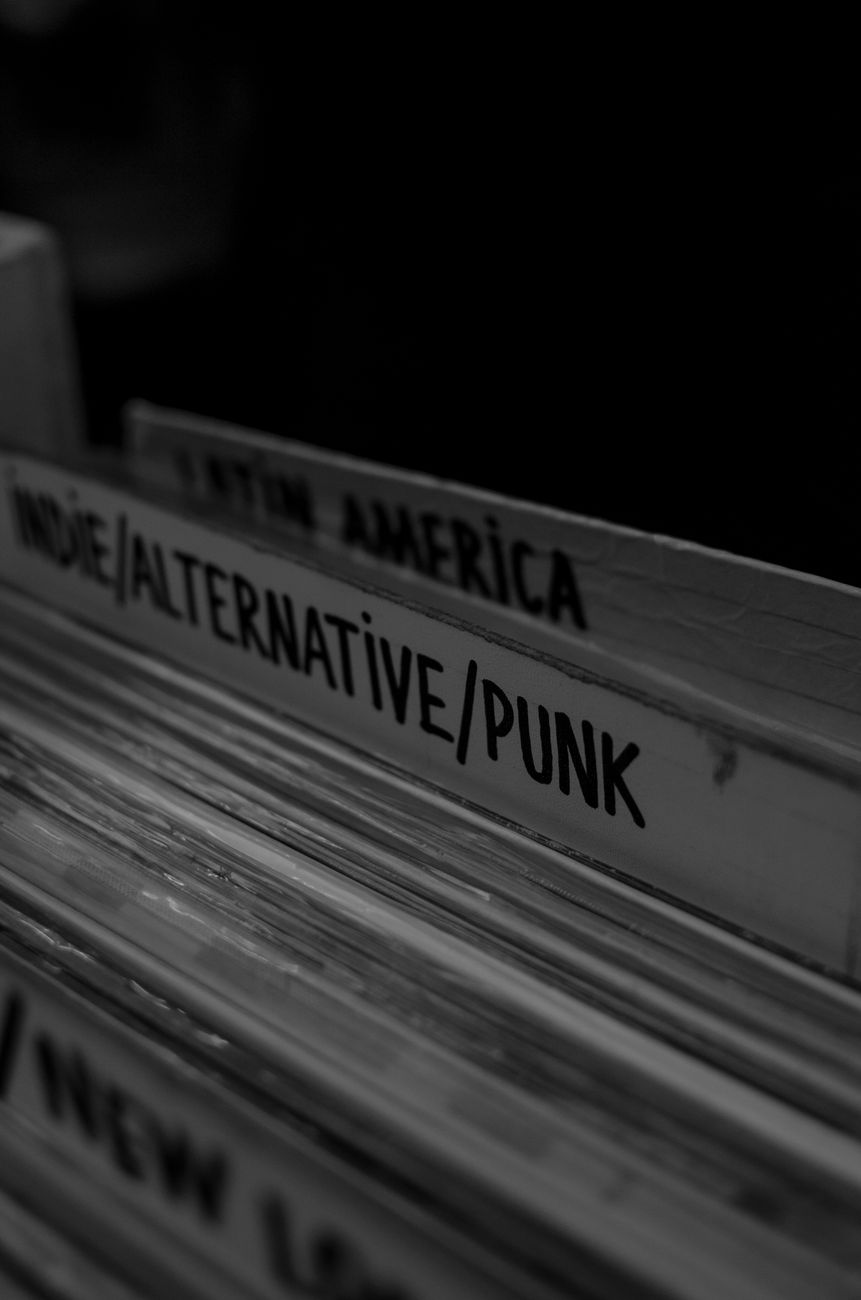
Endless collaboration has smoothed music into a genreless slurry. When country artists feature rappers who feature pop singers who feature electronic producers, everything starts sounding like everything else. This isn't fusion—it's homogenization. The boundaries that once defined artistic identity have been dissolved in pursuit of maximum market reach. What we've gained in accessibility, we've lost in distinction.
The Solo Artist as Endangered Species
Making something alone has become almost countercultural. Artists who refuse the collaboration treadmill risk being seen as difficult or irrelevant. But scarcity creates value—and the rarest commodity in music right now is an artist with a singular vision who doesn't need to borrow credibility from others. The next wave of interesting work won't come from more collaborations. It'll come from someone brave enough to work alone.