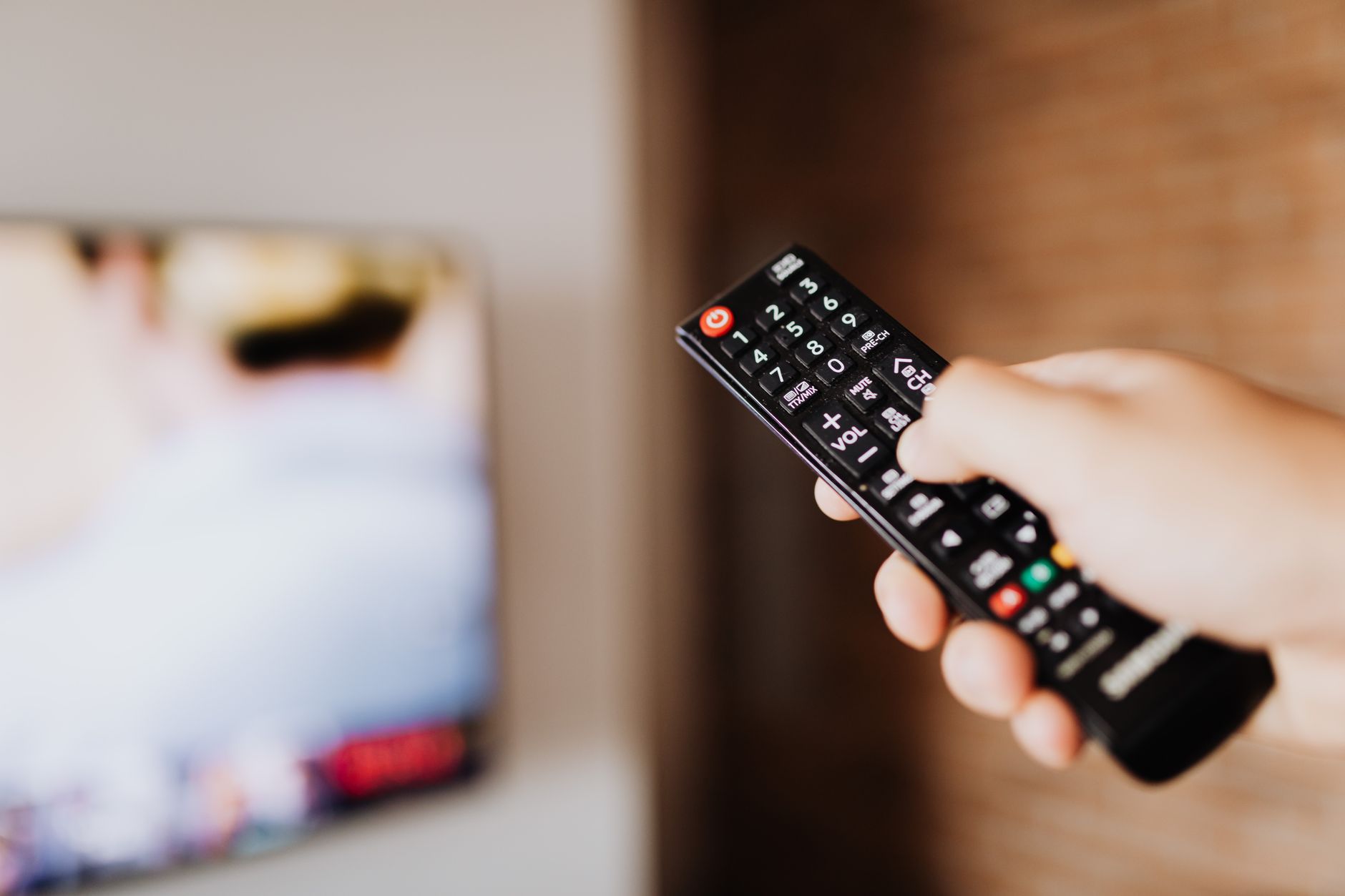
The remote's volume button has become a workout device. Up for dialogue, down for explosions, up again when actors whisper their plot-critical lines into the void. If you've spent the last few years toggling sound levels like a deranged DJ, you're not losing your hearing—you're losing your patience with an industry that's decided mixing audio for actual human listening environments is optional.
From Christopher Nolan's militant approach to incomprehensible dialogue to streaming services optimizing for cinema systems nobody owns, the way we consume scripted content has changed while the way it's produced hasn't. The result: soundtracks that drown out words, viewers who've surrendered to subtitles, and an entire ecosystem pretending this is fine.
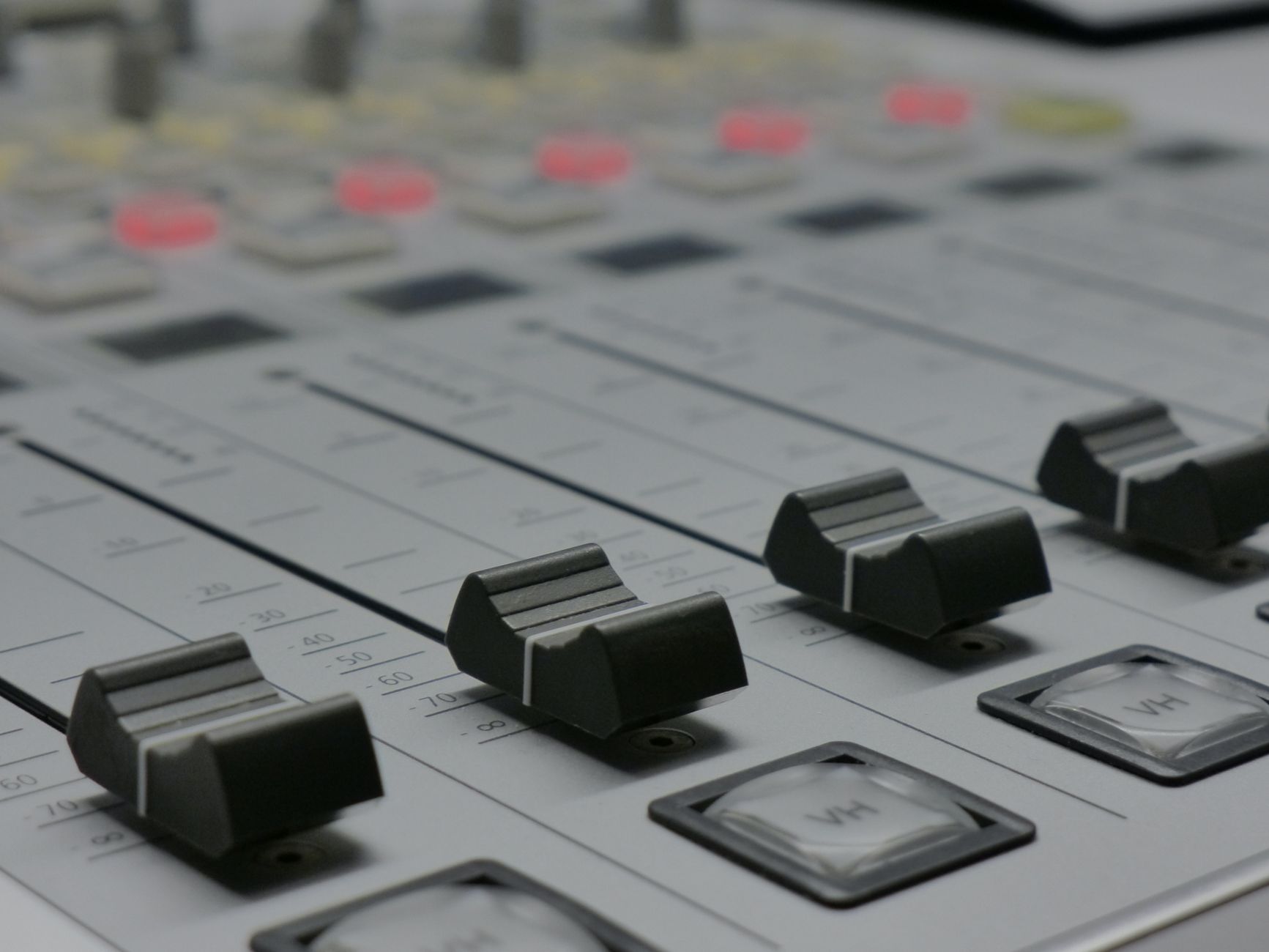
The Christopher Nolan Effect Made Inaudible Dialogue Aspirational
When Tenet arrived with dialogue buried beneath Ludwig Göransson's score, Nolan defended it as intentional—not every word needs to be heard, apparently. His prestige gave cover to a generation of filmmakers and sound mixers who now treat intelligible speech as pedestrian. The problem isn't artistic vision; it's that this approach, designed for Dolby Atmos theatrical systems, gets dumped onto streaming platforms where viewers watch on laptops with built-in speakers. What plays as immersive in an IMAX theater becomes actively hostile at home, yet the industry treats theatrical mixing as the only mix that matters.
Streaming Services Compress Everything Except the Music
Netflix, Prime, and their competitors compress audio to save bandwidth, which theoretically flattens the dynamic range between whispers and explosions. Except the compression algorithms preserve score and effects while dialogue—already mixed lower than previous decades—gets further buried. Studios deliver mixes optimized for 5.1 surround systems, but most viewers stream through TV speakers or soundbars that can't properly separate center channel dialogue from stereo music. Rather than create platform-specific mixes for how people actually watch, services ship the same theatrical audio and call it good enough.

Actors Mumble Now, and Directors Let Them
Method acting evolved into method muttering. The naturalistic performance style that prizes authenticity over projection has actors delivering lines at conversational volume—which means barely audible once you add score, ambient sound, and effects. Directors who lived through the decline of stage-trained actors now work with performers who've never had to reach a back row, and ADR (automated dialogue replacement) sessions that could fix muddy audio get skipped to preserve the "authentic" on-set take. It's a choice that prioritizes one kind of realism while sacrificing another: the realism of actually knowing what characters are saying.

Subtitle Dependency Is the Accommodation Nobody Asked For
Fifty percent of viewers now watch with subtitles on by default, according to recent surveys, and not because they're language learners or hard of hearing. Captions have become a workaround for broken audio, a collective surrender to the idea that hearing dialogue is now optional. Younger viewers who grew up with subtitled TikToks don't see this as a bug—they see it as a feature. But accommodating poor mixing by making text mandatory means we've normalized inaccessibility. The hearing-impaired community fought for subtitles; the rest of us just needed someone to fix the sound.

The Industry Knows and Has Decided It's Your Problem
Sound mixers and directors are aware viewers struggle with dialogue intelligibility—it comes up in every post-release interview cycle. Their response: buy better equipment, adjust your TV settings, or accept that you're not the intended audience. This isn't ignorance; it's indifference robed in artistic justification. The theatrical experience remains the priority, and home viewing is treated as a degraded version that doesn't warrant separate consideration. Until streaming revenue matters more than box office prestige, expect more films mixed for rooms you don't have with systems you won't buy.