Walk into any architect-designed home built in the last three years and you'll notice something: the primary bathroom is larger than most studio apartments, with seating areas, statement art, and windows that don't apologize for being there. This isn't about luxury for luxury's sake—it's a fundamental shift in how we conceive of private space.
The bathroom has evolved from a purely utilitarian room into a place where people actually want to spend time. Not just for the obvious reasons, but for reading, working, thinking, existing. Designers spotted this years ago. The rest of us are just catching up.

Seating That Has Nothing to Do With Plumbing
Chaise lounges, upholstered benches, velvet ottomans—furniture you'd expect to see near a fireplace is now standard in high-end bathroom design. It's not performative; people are actually using these spaces to decompress before the rest of the household wakes up. The bathroom has become the only room with a lock on the door, which in the era of open-plan living and always-on connectivity, turns out to matter more than architects initially predicted.

The Return of the Dressing Room (Inside the Bathroom)
Closets are migrating into bathrooms, or more accurately, bathrooms are expanding to absorb dressing areas entirely. The logic is airtight: you shower, you dress, you leave. No wet footprints through the bedroom, no robe required. What's notable is how this mirrors the layout of luxury hotels, spaces specifically designed for efficient personal care rituals—a format we're now importing into domestic architecture because it simply works better.
Windows Where Walls Used to Be
Privacy paranoia is fading in proportion to lot sizes and landscape design. Floor-to-ceiling windows in bathrooms aren't just appearing in rural estates—urban architects are using strategic placement, frosted lower panels, and greenery buffers to bring natural light into spaces that were dark by default for decades. The shift acknowledges what hotels have known forever: a bathroom with a view changes the entire experience of being in that room.
Fireplaces, But Make Them Wet Rooms
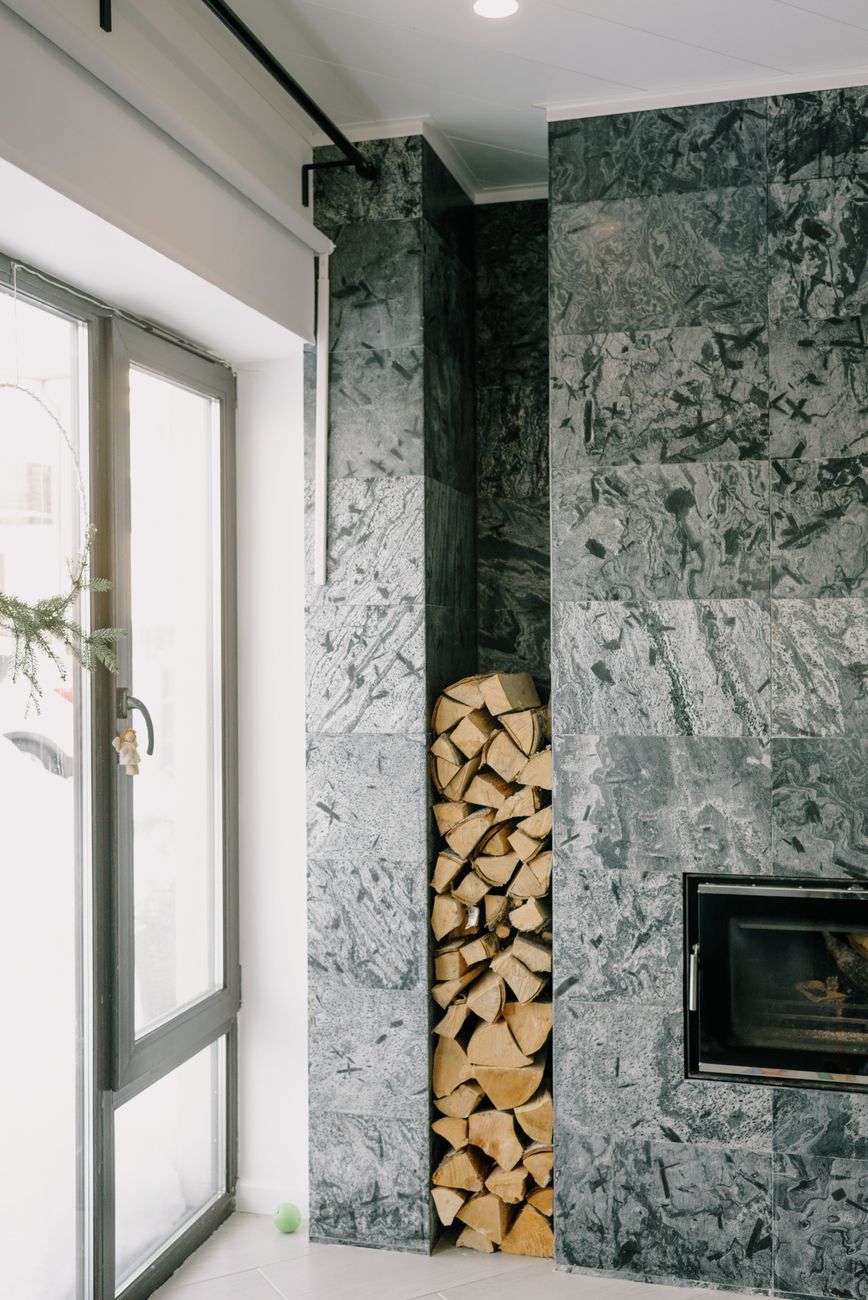
Gas fireplaces are showing up between freestanding tubs and seating areas with enough frequency that they've moved beyond novelty into legitimate design pattern. It's a direct rejection of the bathroom as cold, clinical space. The message is clear: this is a room for lingering, for warmth, for the same kind of comfort you'd expect in spaces traditionally deemed more important.

The Vanity Has Become a Desk
Countertop depth is increasing, outlets are multiplying, and task lighting rivals home office setups. People are taking calls from their bathrooms—not because they're hiding, but because the acoustics are good, the door locks, and the light is flattering. Designers are responding with integrated charging stations and counter space that extends beyond what two sinks require, acknowledging that this surface has uses beyond morning routines.

Art That Costs More Than the Fixtures
Collectors are hanging serious work in bathrooms now—photography, paintings, sculpture that would be equally at home in a living room. It's both a status signal and a practical admission: if you're spending an hour a day in this room, it should have the same visual interest as any other space you inhabit. The white-box gallery aesthetic translates particularly well to modern bathroom design, which has made this transition easier than it might have been a decade ago.

Soundproofing as Standard, Not Luxury
Acoustic insulation in bathroom walls and solid-core doors are appearing in mid-range renovations, not just custom builds. The bathroom's evolution into a genuine retreat space requires actual isolation—visual privacy was never enough. This is architecture catching up to behavior, acknowledging that people use this room for phone calls, meditation apps, and stolen moments of silence that require real sound barriers to be effective.
The Bathtub Moved to the Center (Where Sofas Used to Go)
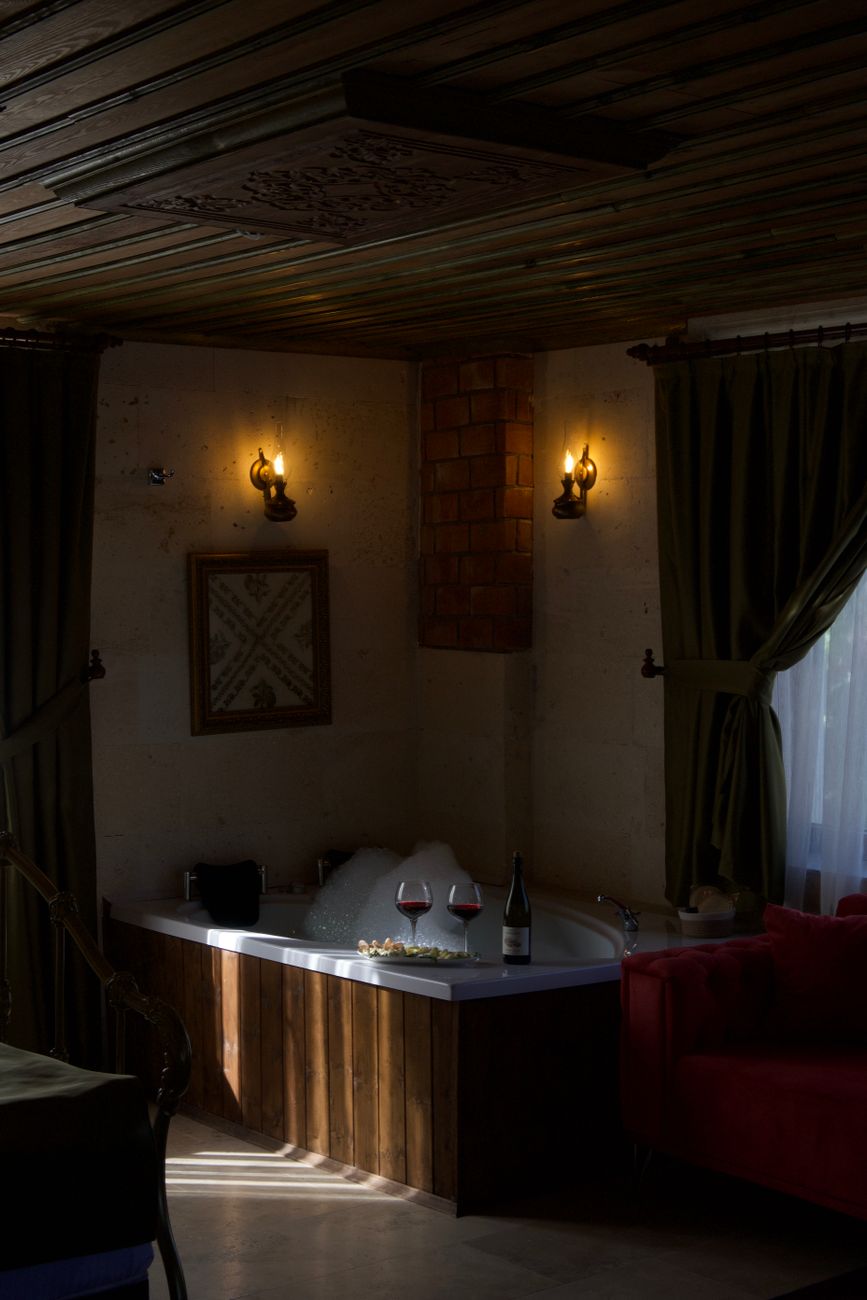
Freestanding tubs positioned in the middle of the room—not against a wall, not in a corner—have become the spatial anchor in high-end bathroom design. It's a furniture arrangement borrowed directly from living room logic, where the sofa floats in space rather than hugging the perimeter. This only works when you're thinking of the bathroom as a destination room, a place composed rather than merely equipped.
- Seating That Has Nothing to Do With Plumbing
- The Return of the Dressing Room (Inside the Bathroom)
- Windows Where Walls Used to Be
- Fireplaces, But Make Them Wet Rooms
- The Vanity Has Become a Desk
- Art That Costs More Than the Fixtures
- Soundproofing as Standard, Not Luxury
- The Bathtub Moved to the Center (Where Sofas Used to Go)