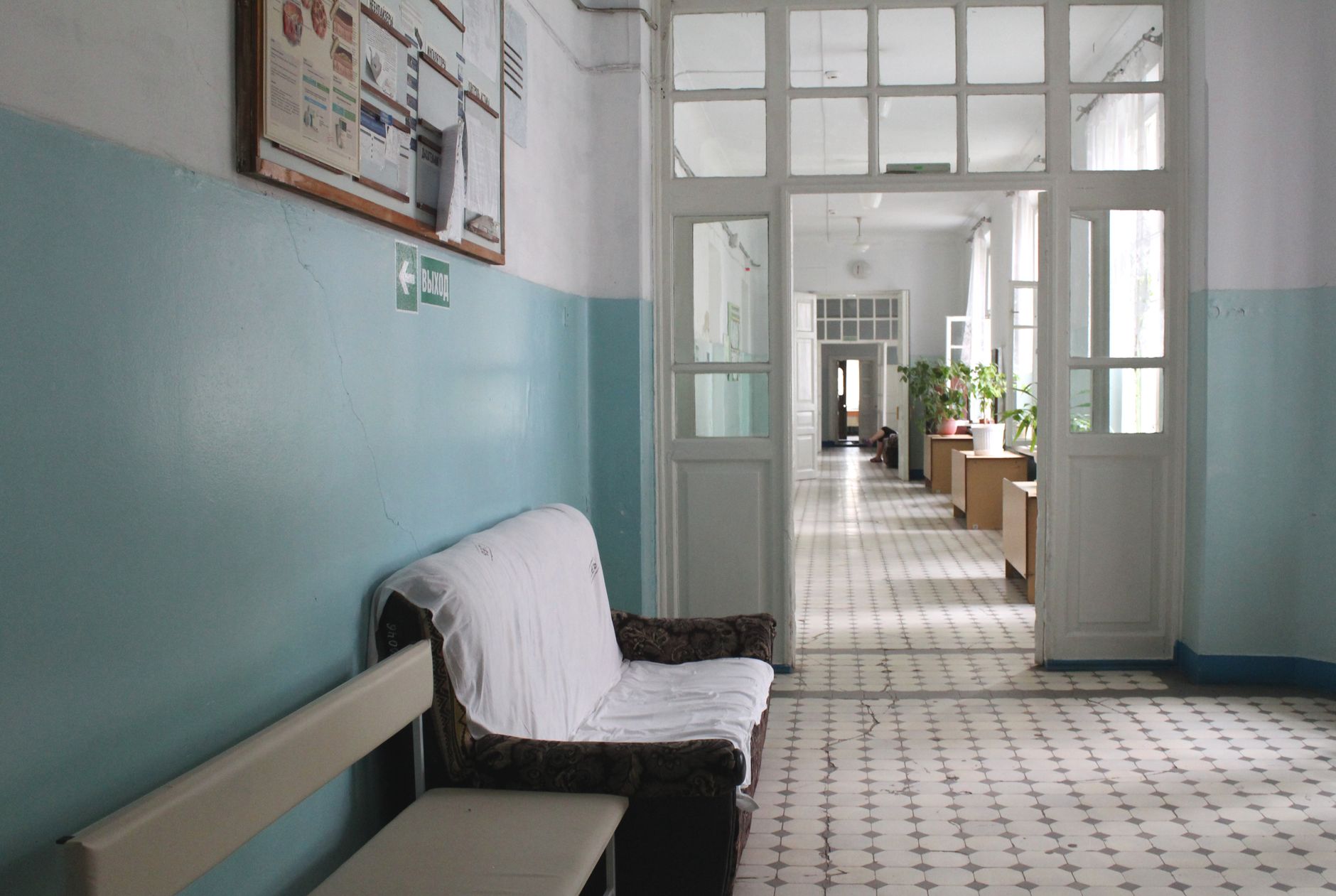
Walk through any affluent neighborhood at noon and you'll notice something unusual: homes worth millions sitting behind closed blinds, shuttered against the day. It's not paranoia. It's intentional.
High achievers are rejecting the open-concept, light-flooded aesthetic that dominated the past decade. Instead, they're embracing darkness as a lifestyle choice—one that signals control, focus, and a rejection of constant visibility. Here's what's actually driving the shift.
Privacy has become the ultimate luxury commodity
When your calendar, location, and purchasing habits are already tracked across seventeen platforms, controlling what strangers can see into your living room becomes an assertion of power. Ring doorbells and neighborhood Facebook groups have turned suburbs into surveillance networks. Closed blinds are the analog response—a physical boundary that no software update can penetrate.
Natural light was always overrated propaganda from real estate agents
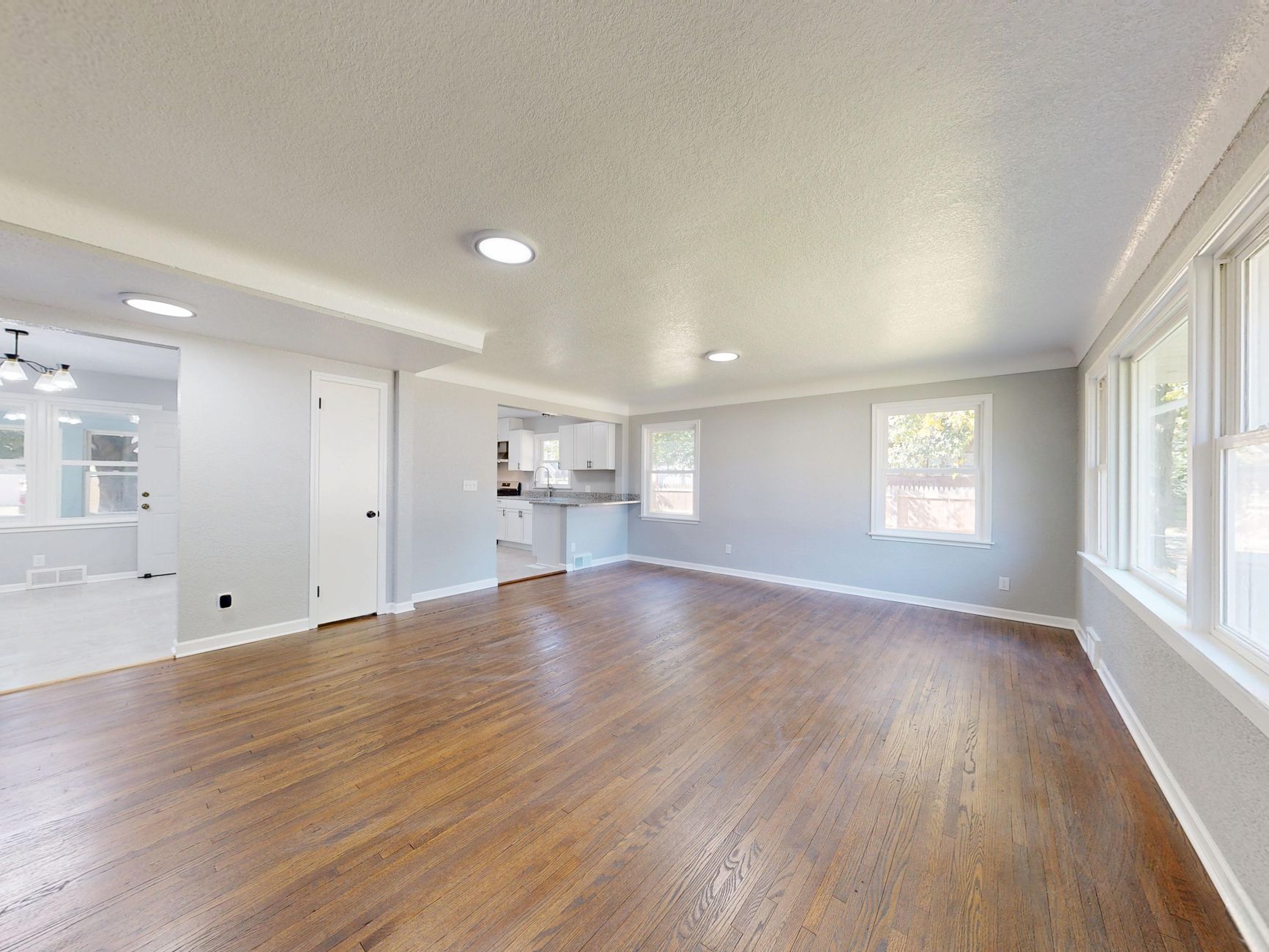
The obsession with floor-to-ceiling windows and "sun-drenched" rooms served one purpose: making small spaces look bigger in listing photos. In reality, natural light creates glare on screens, fades furniture, and makes temperature control expensive. People who actually work from home—not just stage it for Instagram—learned this quickly. Controlled lighting beats chaotic sunshine.

Darkness is the new productivity hack
Open blinds mean distractions: delivery trucks, neighbors, shifting shadows that pull attention. High performers are engineering their environments like recording studios—eliminating variables that fragment focus. When your cognitive capacity determines your income, visual noise isn't charming. It's expensive. Blackout isn't about sleeping anymore; it's about thinking.
Climate control costs real money now
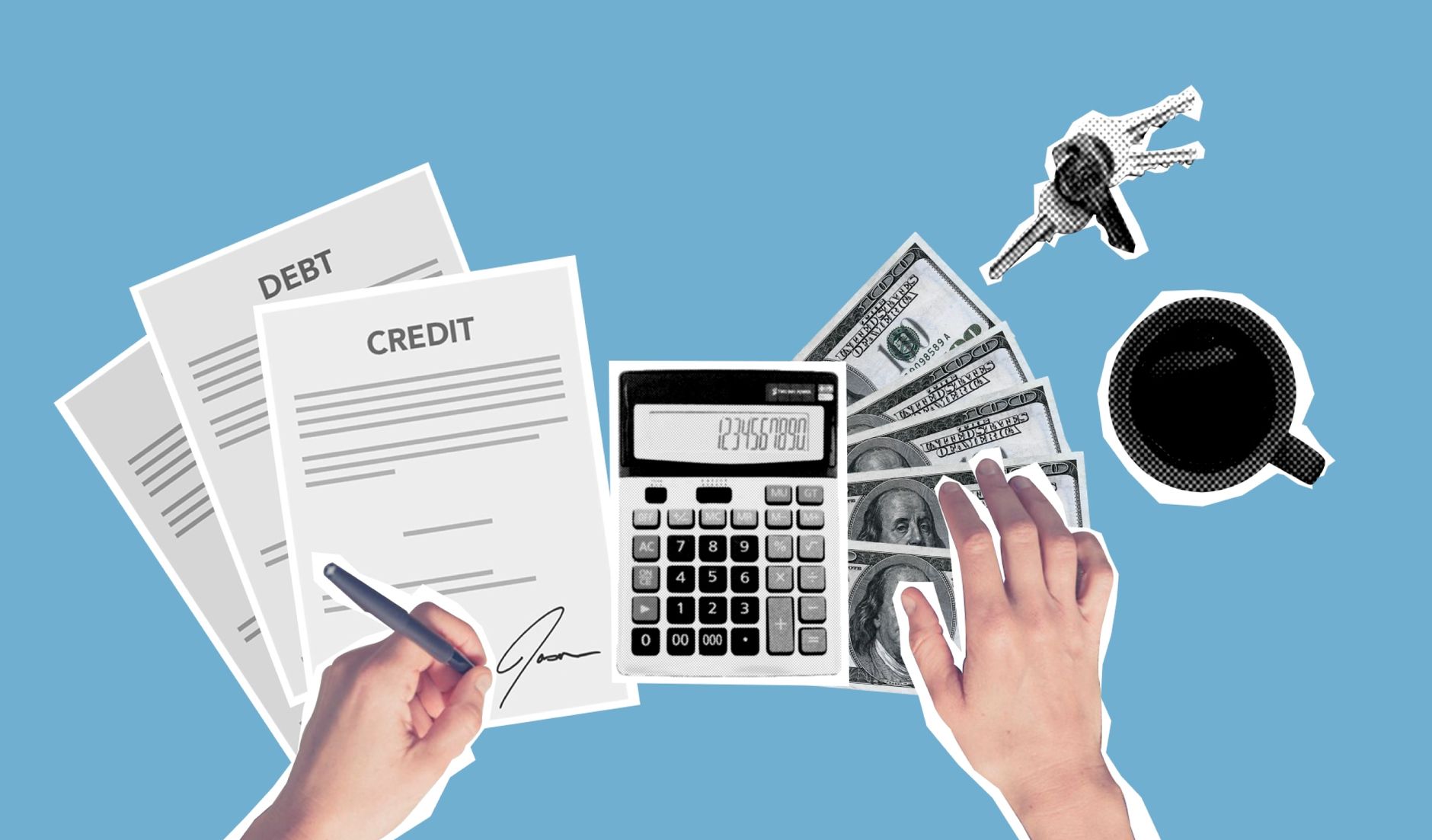
Energy bills have become visible enough that even wealthy households notice. Southern-facing windows turn rooms into greenhouses; winter sun exposure means cranking heat when it drops. Closed blinds during peak temperature hours reduce HVAC costs by margins that actually register. It's not frugality—it's efficiency, which successful people respect even when they don't need to.

The end of performative domesticity
Instagram made everyone's home a stage set for a decade. Aspirational living required visible proof: the perfect fiddle leaf fig, the Eames chair, the curated bookshelf. Closed blinds reject that contract entirely. They signal that what happens inside isn't content. There's no audience to perform for because you've stopped granting access to the performance.
Digital detox required an analog symbol
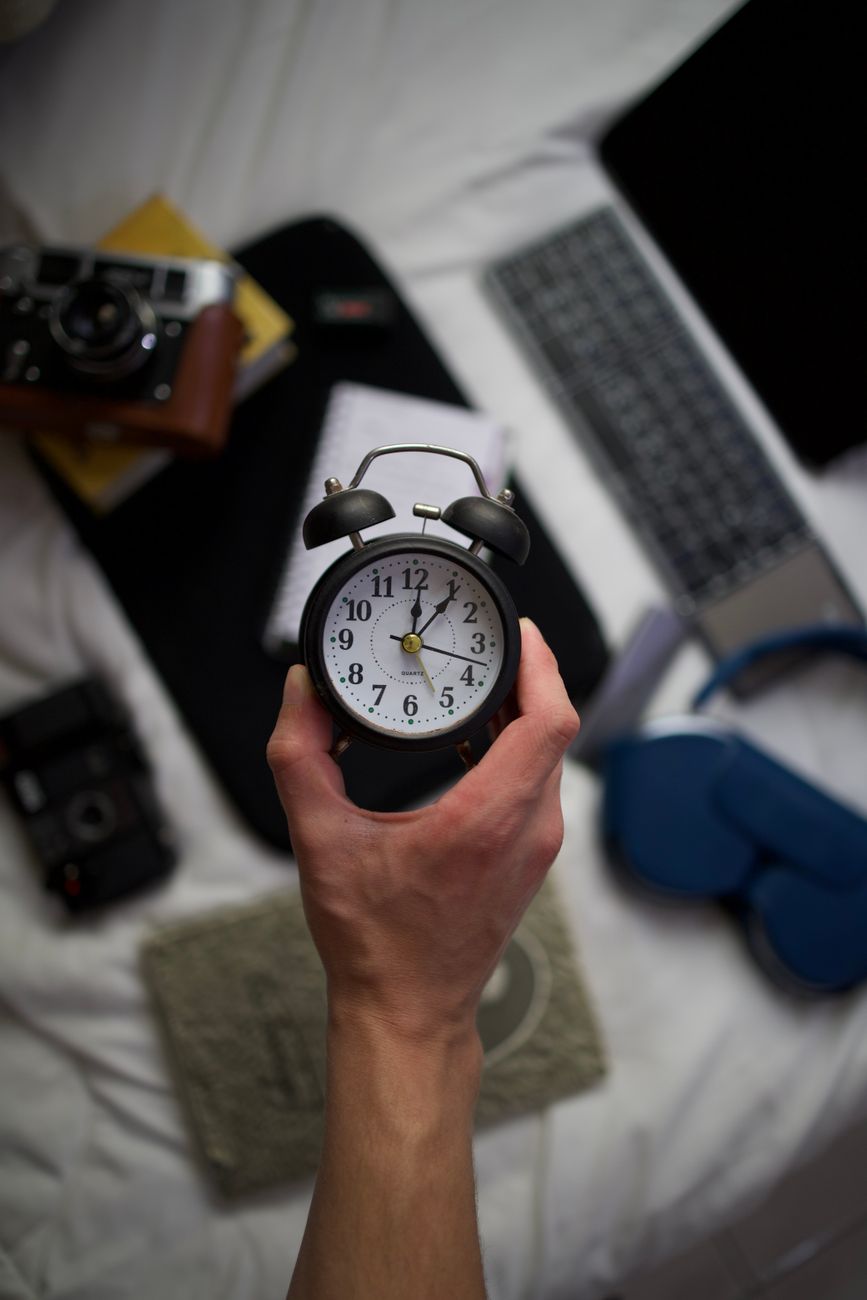
You can't detox from screens while sunlight reminds you it's 2 PM and you're missing emails. Closed blinds create temporal ambiguity—the kind that lets you work in deep focus for five hours or completely disconnect without the sun guilting you about wasted daylight. Controlling your relationship with time means controlling your relationship with light.
Security concerns evolved beyond Ring cameras
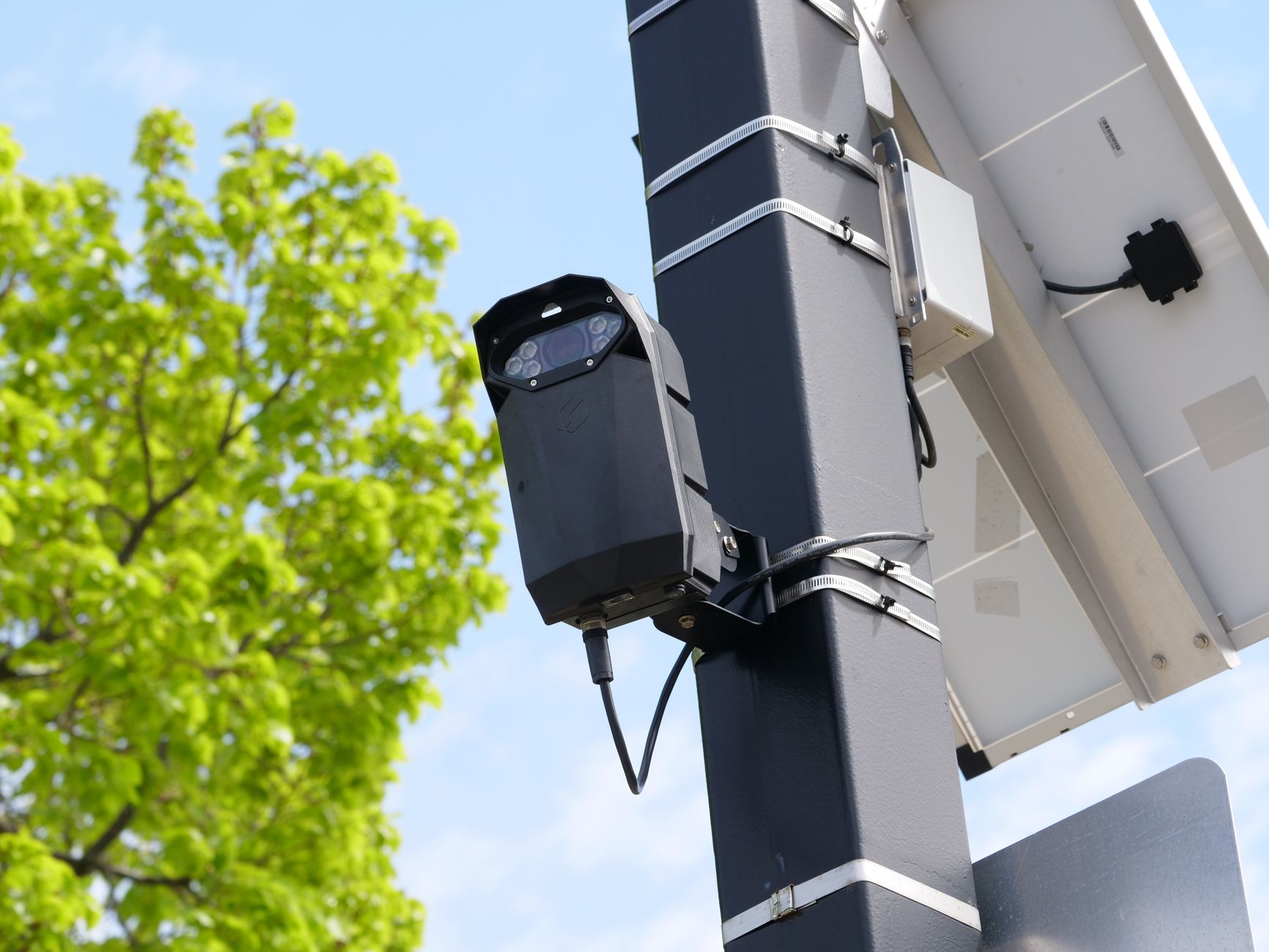
High-net-worth individuals learned that visible interiors advertise what's worth stealing—and signal when you're home. Closed blinds obscure routines, possessions, and occupancy patterns. It's operational security dressed as interior design. When swatting and doxing are real risks, open windows aren't aspirational. They're liabilities.
Aesthetic control means choosing your own lighting
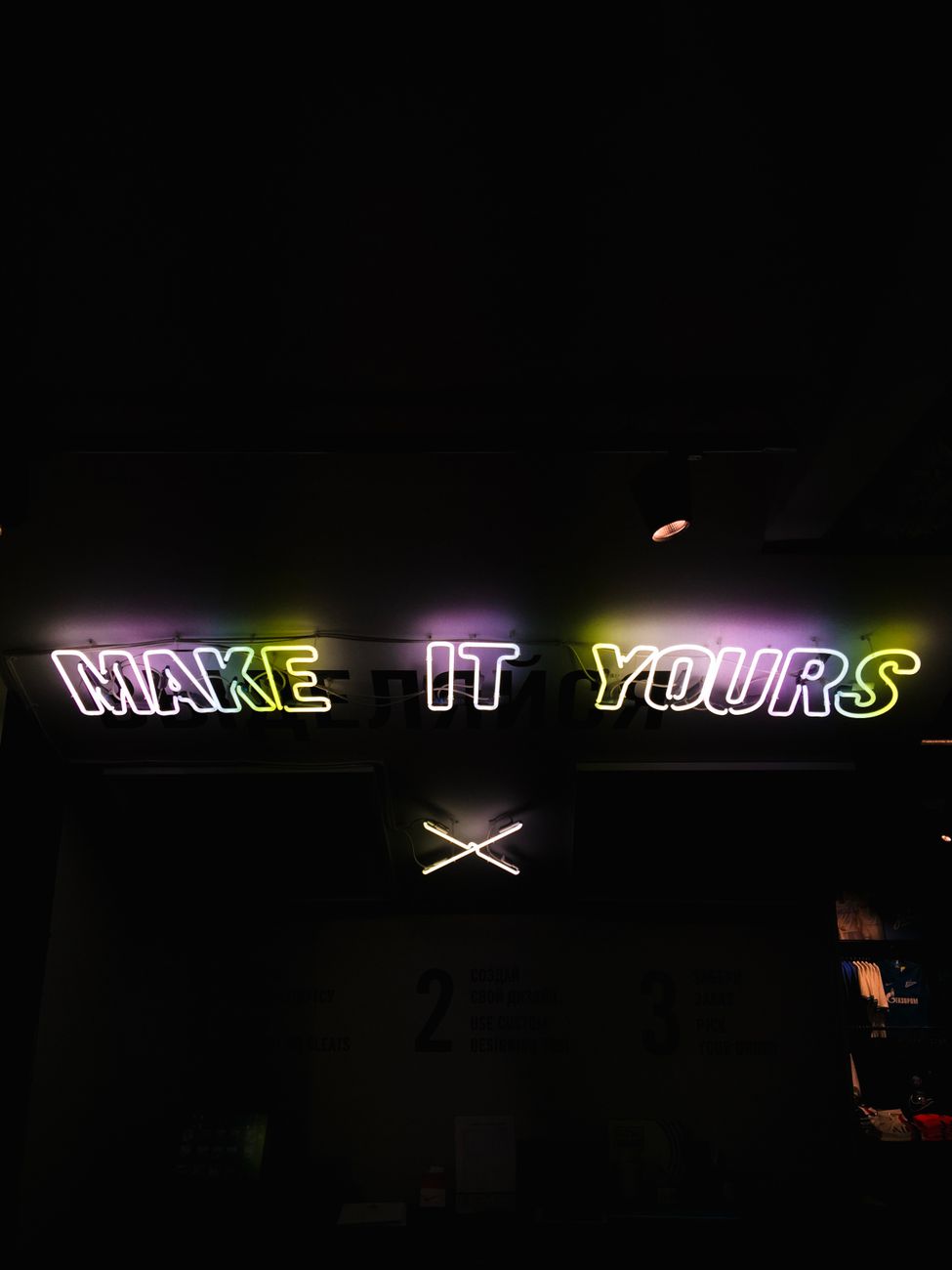
Natural light is uncontrollable—harsh at noon, golden at sunset, grey on Tuesdays. People who invest in custom homes don't accept variables they can't adjust. Layered artificial lighting—dimmable, color-tuned, programmed—delivers consistent ambiance regardless of weather or season. Closing blinds isn't rejecting light. It's rejecting someone else's schedule for when and how your space should look.
- Privacy has become the ultimate luxury commodity
- Natural light was always overrated propaganda from real estate agents
- Darkness is the new productivity hack
- Climate control costs real money now
- The end of performative domesticity
- Digital detox required an analog symbol
- Security concerns evolved beyond Ring cameras
- Aesthetic control means choosing your own lighting