The mirror above your sink is suddenly uncool. Not outdated—uncool. A growing faction of design-forward homeowners is removing bathroom mirrors entirely, replacing them with what industry insiders call 'reflective moments': hand-poured metal sheets, artisanal convex surfaces, even commissioned fog-resistant installations that cost more than most people's monthly rent.
This isn't minimalism. It's something weirder. Five things happening right now that explain why your reflection apparently needs a rebrand.

Design studios stopped selling mirrors and started selling 'experiences'
High-end studios like Apparatus and Bec Brittain now offer what they call 'reflective surfaces' rather than mirrors—technically accurate, functionally identical, priced like sculpture. The difference? Marketing language and a wait list. These pieces are positioned as spatial interventions, not functional objects, which justifies the $8,000+ price tags while delivering the exact same service: showing you your face while you brush your teeth.
Real estate agents quietly started listing 'mirror-free primary bath' as a luxury feature
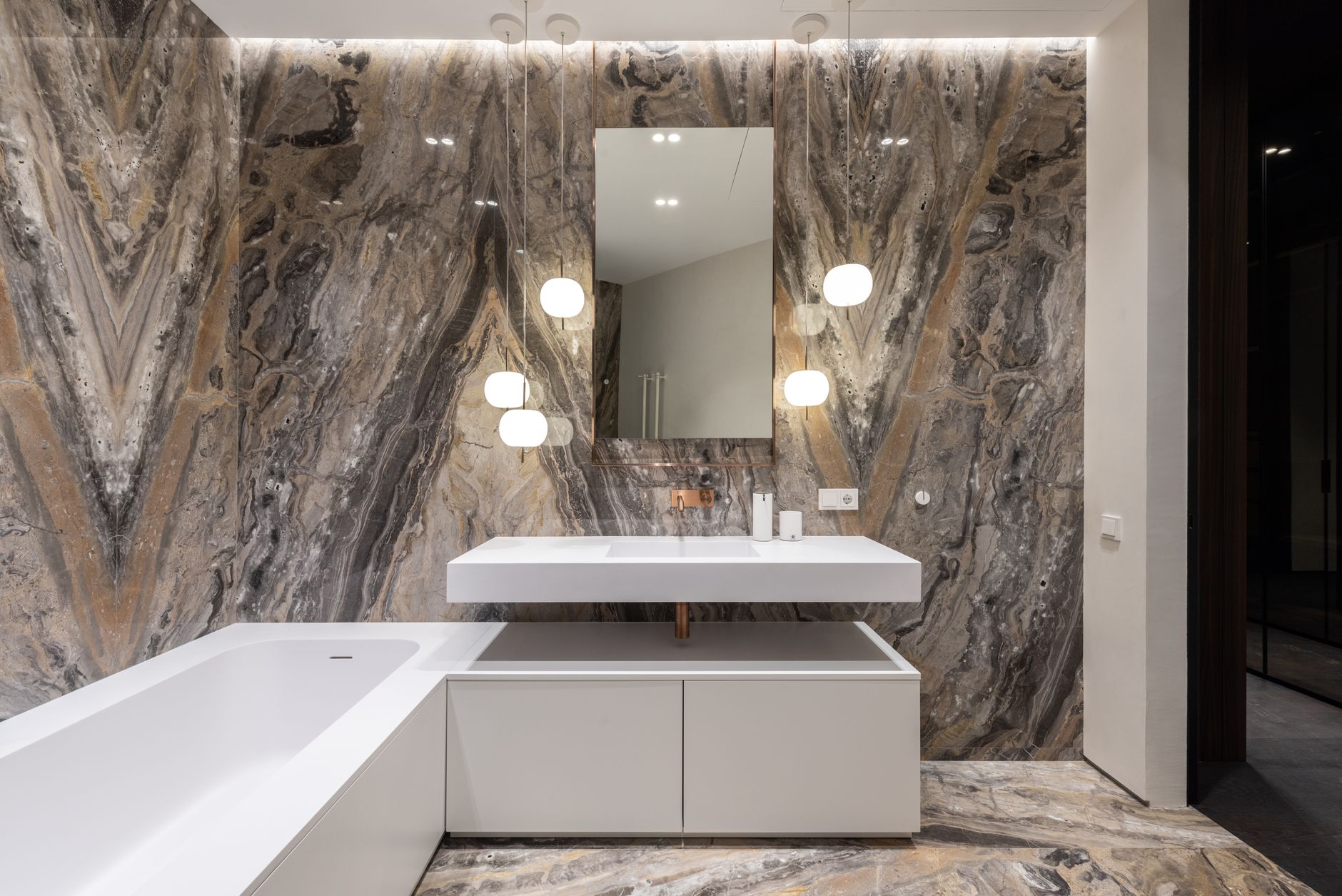
In certain zip codes, bathrooms without traditional mirrors now appear in listings alongside wine cellars and smart home systems. The implication: you're evolved enough not to need constant visual feedback. In reality, these spaces usually contain reflective tile, polished stone, or strategically placed metal panels that function as mirrors without admitting it. The absence is the luxury, even when the function remains.
Wellness influencers reframed mirror removal as mental health infrastructure
The anti-mirror movement found unexpected momentum through wellness content creators who positioned traditional bathroom mirrors as vectors of body dysmorphia and negative self-talk. Their solution: replace reflective surfaces with 'intentional reflection zones'—smaller, angled, or removable mirrors you choose to engage with rather than confront automatically. It's genuine psychology dressed up as interior design, and contractors report actual demand for these installations.

Manufacturers started making 'occasional mirrors' that hide when not in use
Brands like Robern and Keuco now produce mirrors that disappear into walls, descend from ceilings, or hide behind sliding panels—architectural solutions for people who want reflection available but not mandatory. These systems cost three to five times more than standard mirrors and require custom installation, which hasn't slowed adoption among renovation clients who describe standard mirrors as 'confrontational.' The mechanical complexity is the point.
The actually useful part nobody mentions: terrible bathroom lighting is easier to hide without a mirror
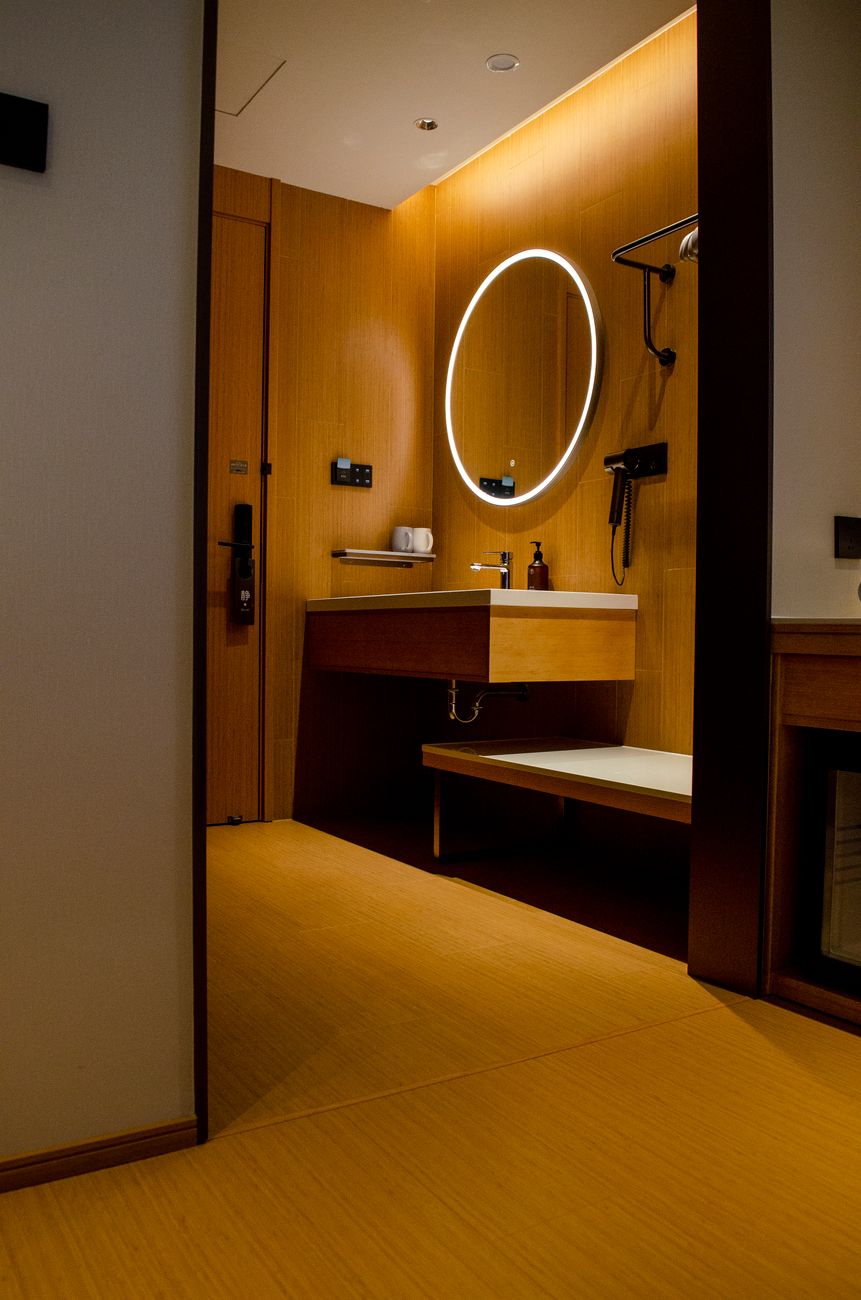
Behind the philosophy and price tags sits a practical truth: mirrors expose bad lighting design immediately. Remove the mirror, and suddenly your poorly planned bathroom lighting becomes 'moody' or 'atmospheric' instead of inadequate. This explains why mirror removal correlates suspiciously with vintage or Edison-bulb fixtures—aesthetic choices that look elegant until you're trying to blend foundation. The trend works best for people who don't actually need their bathroom to perform under scrutiny.
- Design studios stopped selling mirrors and started selling 'experiences'
- Real estate agents quietly started listing 'mirror-free primary bath' as a luxury feature
- Wellness influencers reframed mirror removal as mental health infrastructure
- Manufacturers started making 'occasional mirrors' that hide when not in use
- The actually useful part nobody mentions: terrible bathroom lighting is easier to hide without a mirror