The bedroom used to be where design went to die. A place for mismatched nightstands, forgotten laundry chairs, and whatever bedding survived the last move. Now it's receiving the same obsessive attention once reserved for living rooms and kitchens—spaces meant to be seen.
What changed isn't just taste. It's the collapse of public and private life, the professionalization of rest, and the quiet understanding that if you're spending a third of your life somewhere, it should look like you meant it. Here's how bedrooms became the next frontier of domestic performance.

Remote work made the bed a background character
Video calls turned bedrooms into accidental sets, visible to colleagues and clients who never should have seen them. The scramble to make them presentable evolved into something more permanent. Throw pillows became strategic props. Headboards went from optional to essential. People realized their most intimate space was now part of their professional presentation, and messy authenticity lost to controlled curation.
Hotels taught us bedrooms could be designed, not just decorated
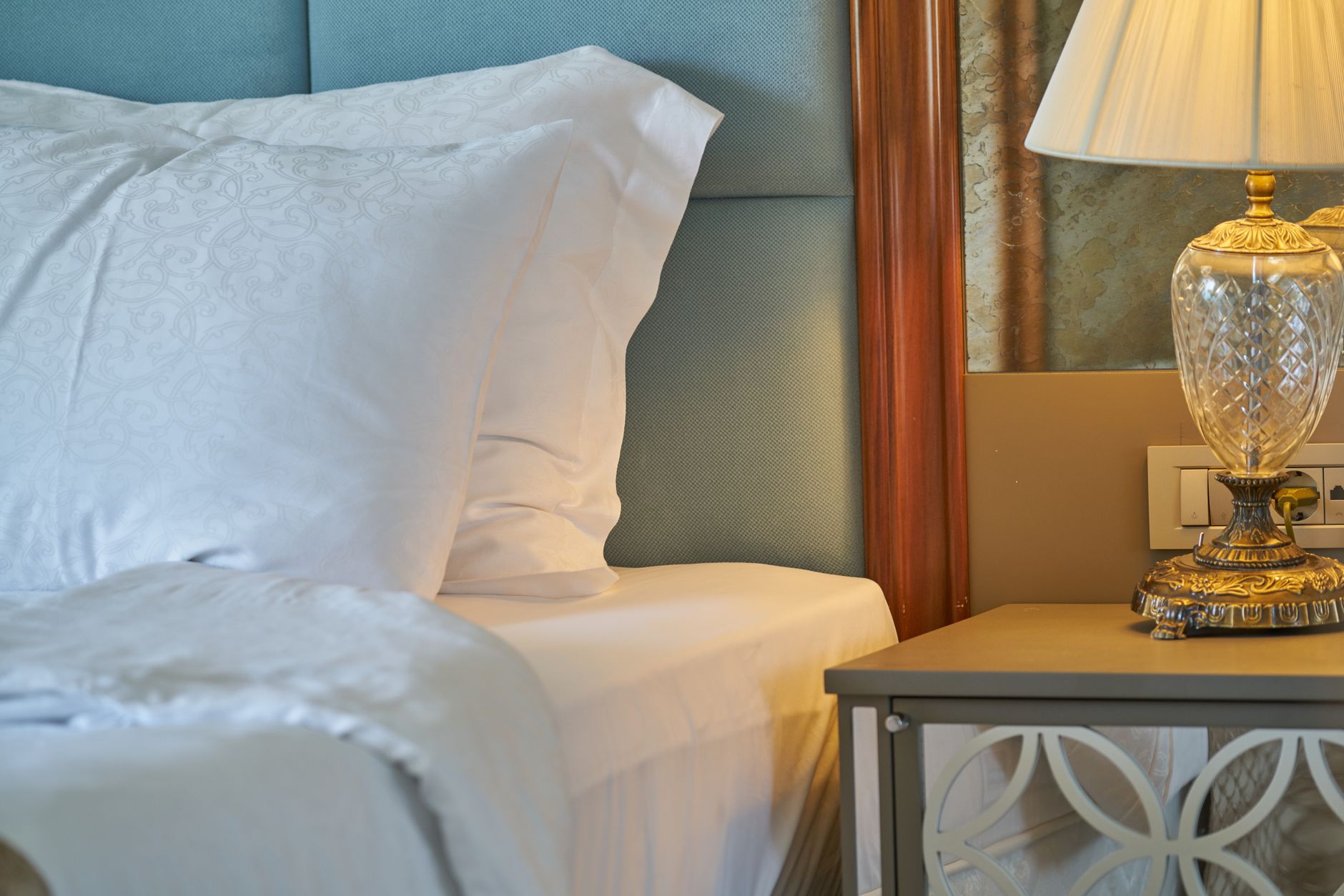
Boutique hotels spent the last decade proving that bedrooms are architecture, not afterthoughts. Linen layering, statement lighting, considered textures—these weren't luxuries but a language people wanted to speak at home. The aspiration shifted from magazine-perfect to hotel-perfect, a more tangible reference point. Sleeping in well-designed rooms on vacation made poorly designed ones at home feel like a failure of imagination.
Wellness culture rebranded sleep as a lifestyle category
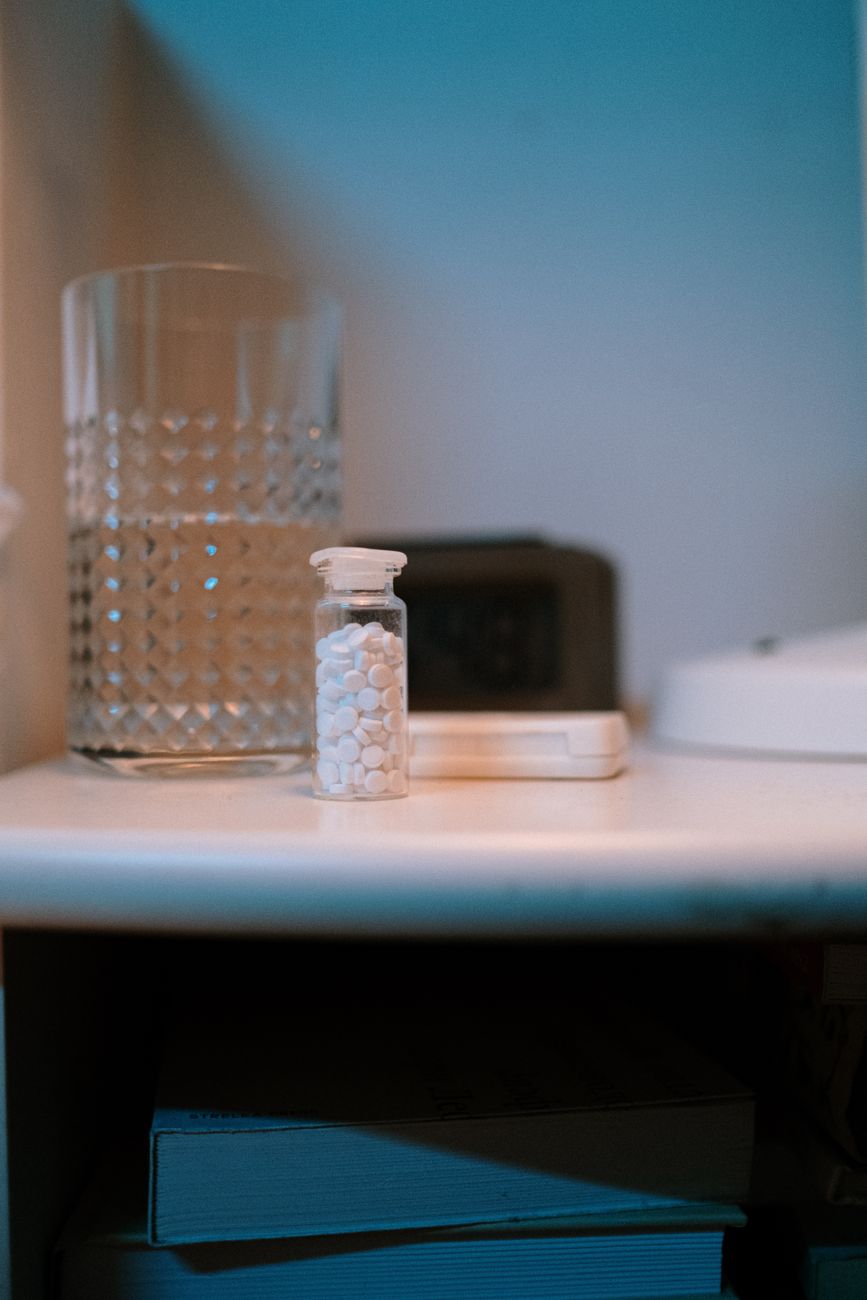
When sleep became self-care, bedrooms became its temple. The explosion of sleep-tracking devices, weighted blankets, sunrise alarm clocks, and elaborate nighttime routines demanded spaces that looked the part. You can't perform an eight-step wind-down ritual in a room that screams chaos. The bedroom transformed from a place you collapse into to a stage for intentional rest, and the aesthetics had to match the aspiration.
Social media made private spaces public real estate
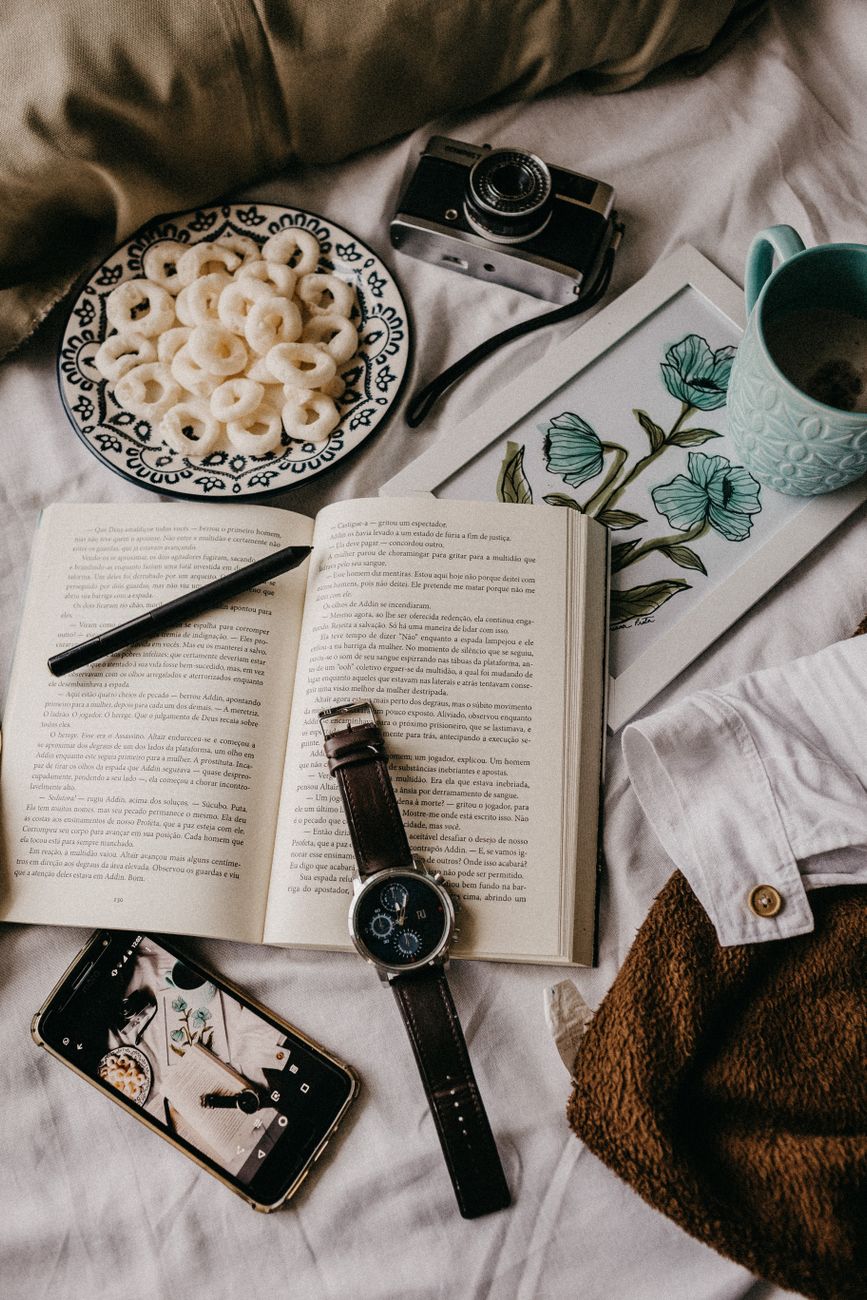
Bedrooms became content the moment morning routines and nighttime skincare became shareable. What you do in bed—read, journal, drink matcha—matters less than how the bed looks while you do it. Platform beds photograph better than box springs. Neutral palettes perform better than personal color. The audience isn't guests anymore; it's an algorithm that rewards rooms designed for documentation, not dreams.
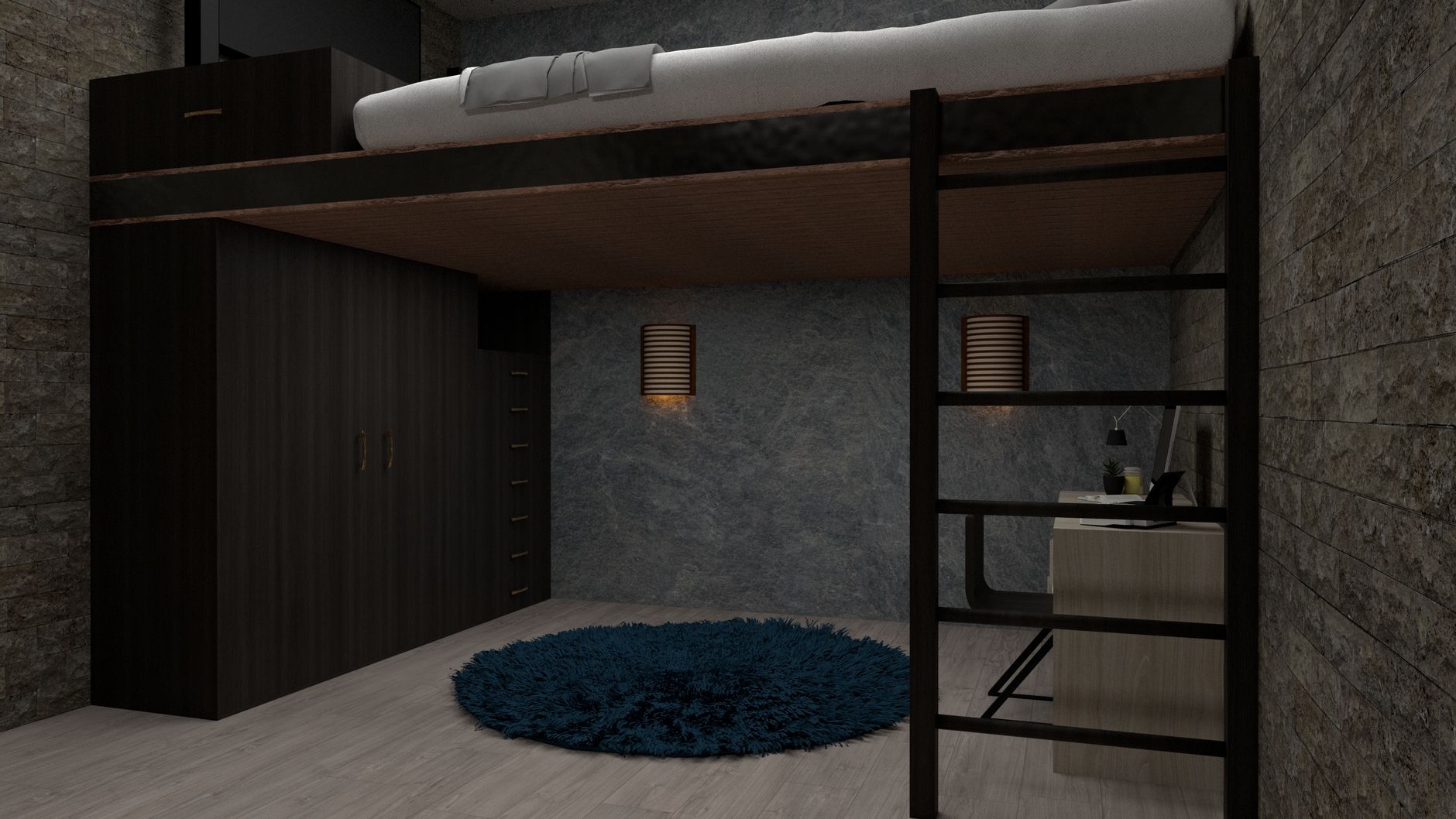
Smaller homes turned bedrooms into multipurpose showpieces
As living spaces shrink, bedrooms absorb more functions—office, gym, reading room, meditation space. That expansion demanded better design. A room doing four jobs needs to look intentional doing all of them. Furniture became modular, storage became invisible, and every surface earned its place. The bedroom stopped being where life happens offstage and became another room in the rotation, which meant it needed to hold up under the same scrutiny as every other space.