A candle that costs $85. A bottle of wine that costs $15. Both last roughly the same amount of time, yet only one requires defending at the checkout. We've crossed a threshold where burning money—literally—feels more justifiable than drinking it.
The luxury candle market has quietly become a status category, with brands like Diptyque, Boy Smells, and Le Labo commanding prices that would make a sommelier wince. What started as self-care has morphed into flex culture, and the math has stopped mattering entirely.
Ingredient Theatre Has Entered the Chat
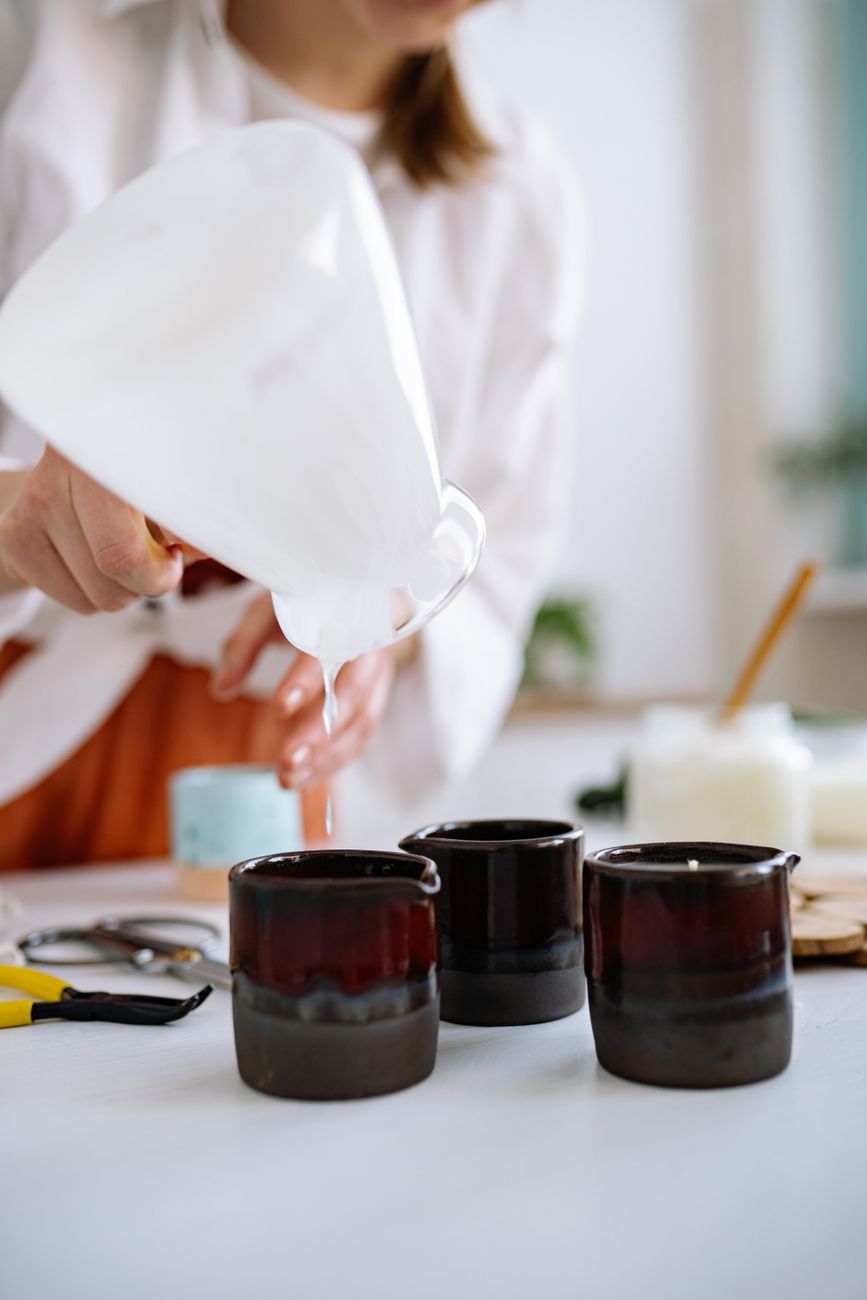
Brands now list candle ingredients with the reverence of a Michelin menu: hand-poured coconut-soy wax, ethically sourced Madagascan vanilla, cold-pressed bergamot from Calabria. The backstory justifies the price tag, even if most customers couldn't blind-test the difference between mass-market paraffin and small-batch beeswax. We're not buying fragrance anymore—we're buying provenance, and that comes with a markup that no longer needs explanation.
Scent as Social Currency
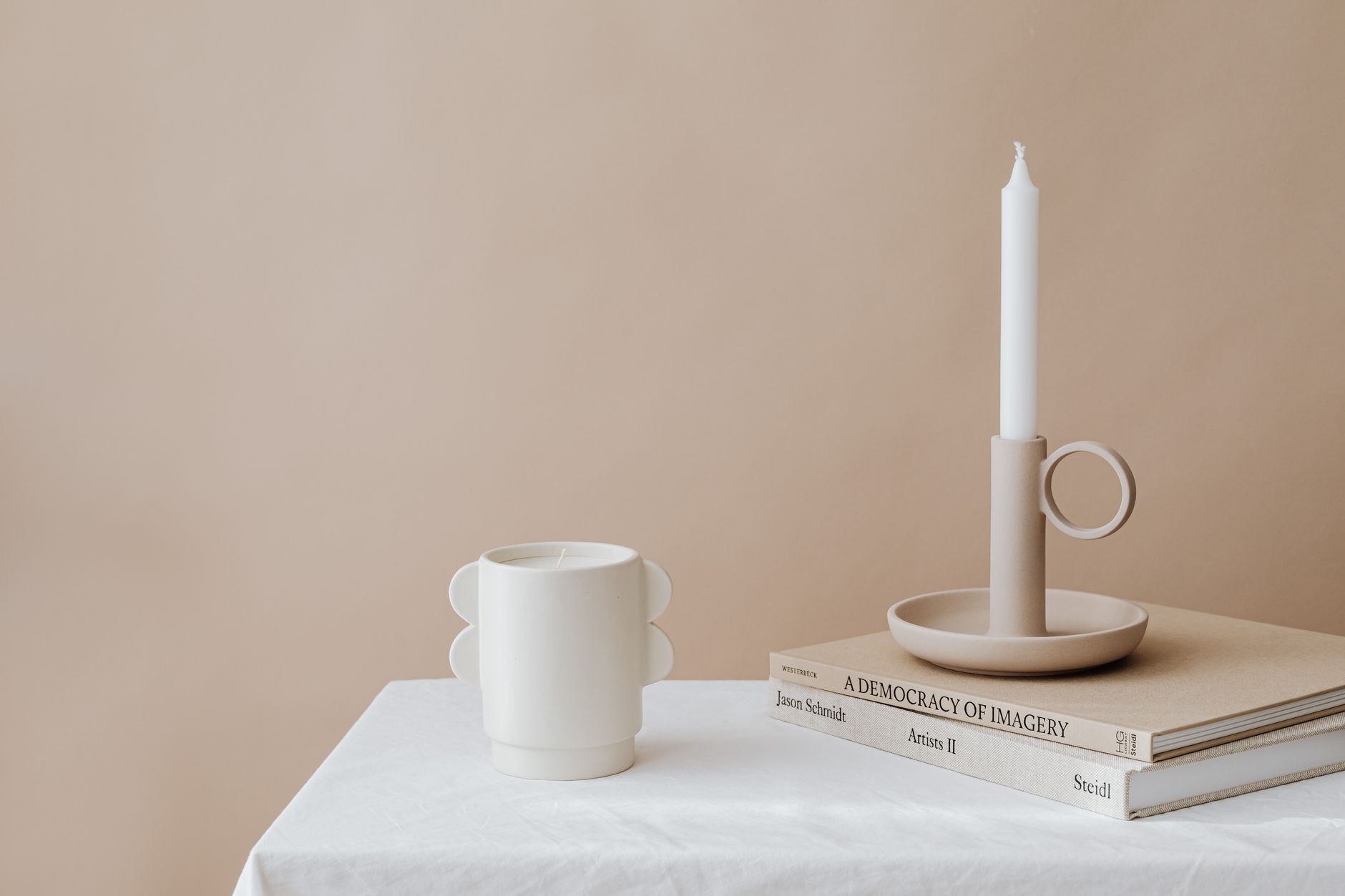
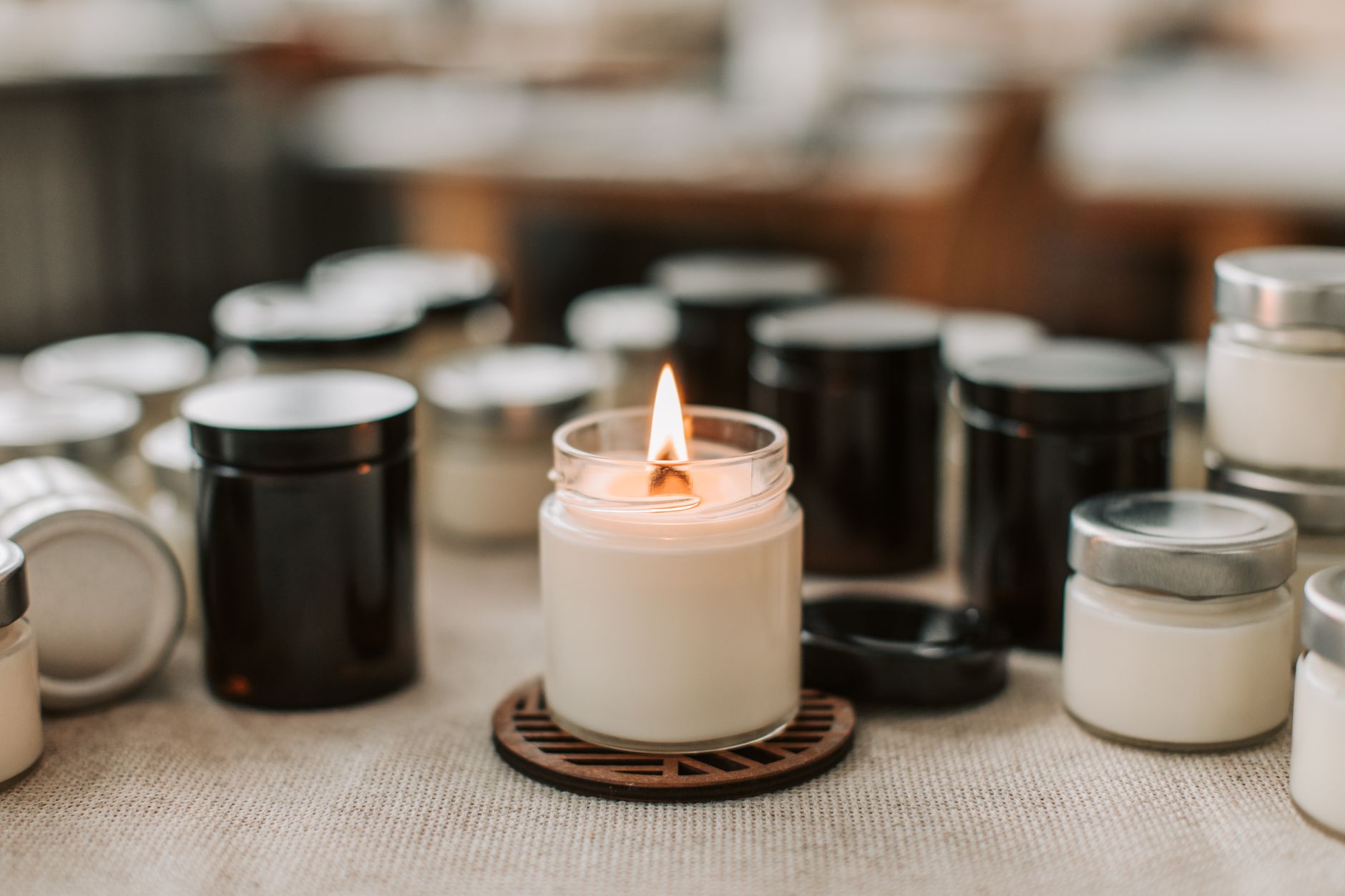
The candle on your console table speaks louder than your throw pillows. It's become a quiet signal of taste, education, discretionary income—the kind of detail guests notice and remember. Unlike wine, which disappears down your throat, a candle sits in full view for weeks, broadcasting your aesthetic choices to anyone who walks through your door. That visibility commands a premium, and people are paying it gladly.
The Ritual Tax Is Real
We've convinced ourselves that lighting a $75 candle is self-care, while opening a $75 bottle of wine is indulgence. The former is wellness; the latter is vice. This mental accounting trick means candles get budgeted under "essentials" while wine stays in the guilt column. Brands have leaned into this framing hard, packaging their products as daily rituals rather than luxuries, and customers have internalized the logic without resistance.
Small-Batch Everything Costs More
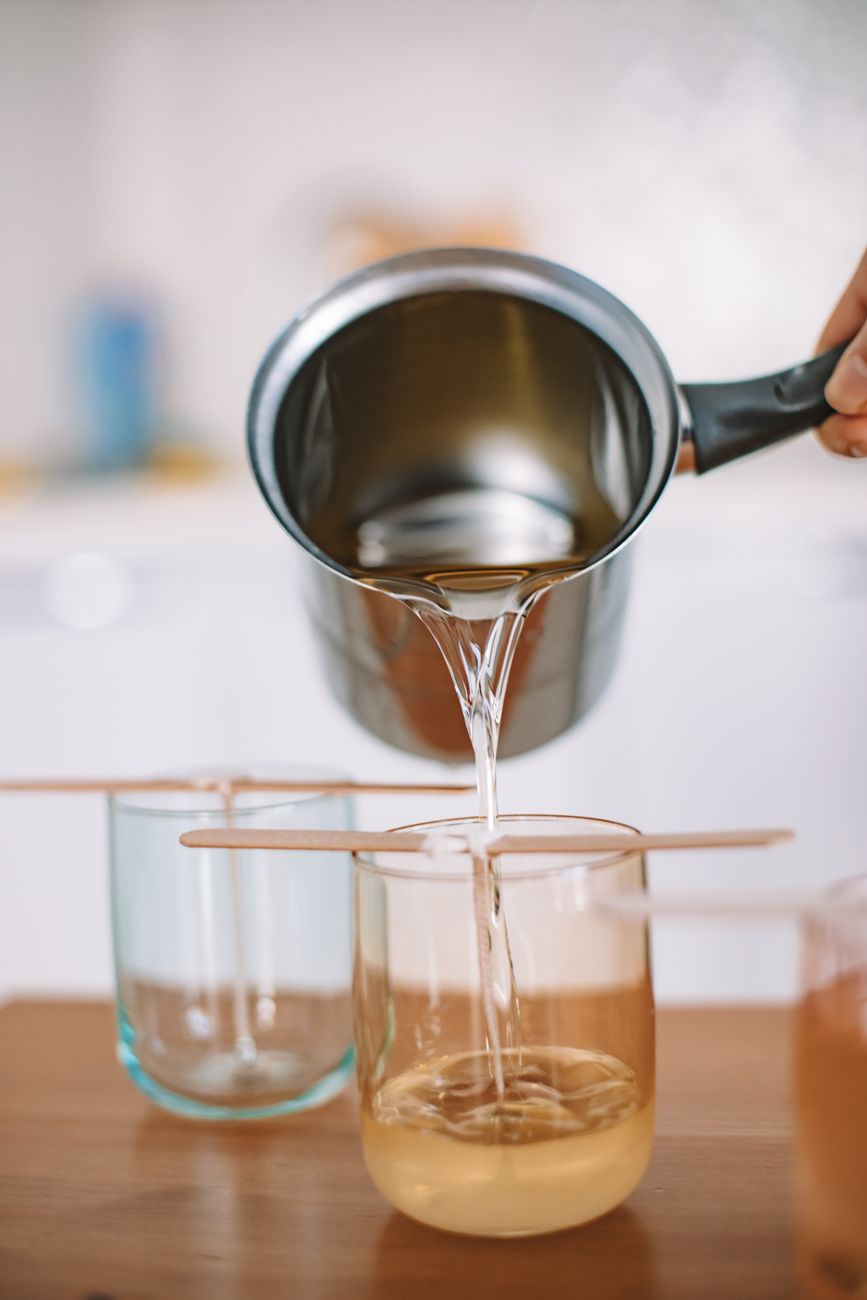
The craft movement has conditioned us to expect higher prices for anything made in limited quantities, and candles have ridden that wave to the bank. Hand-poured means human labour. Small-batch means scarcity. Indie brand means you're supporting someone's dream, not a conglomerate's bottom line. Whether or not the quality difference justifies triple the price is beside the point—the story of how it's made has become more valuable than the thing itself.
Longevity Math Doesn't Add Up, But We've Stopped Doing It
A $90 candle burns for 60 hours. That's $1.50 per hour of ambiance. A $20 bottle of wine lasts one evening. By any rational measure, the candle is the better investment—except we've stopped thinking about it that way entirely. The price has simply become what candles cost now, the same way $8 lattes and $40 face oils became normalized. We're not calculating value anymore; we're just buying what our reference group buys, and that reference group has decided three-figure candles are standard.