The bookshelf—that democratic monument to knowledge, taste, and intellectual aspiration—is undergoing a radical redesign. Not a refresh. A rethinking of its very purpose.
From architects concealing spines behind cabinetry to homeowners replacing entire libraries with sculptural voids, the book is being edited out of the room. What we're seeing isn't just minimalism. It's a fundamental shift in how we signal cultivation, and what we're willing to display as evidence of a life examined.

The Spine-Free Shelf
High-end furniture brands are producing bookcases with doors, panels, and blackout backing—designed explicitly to hide book spines from view. The effect is sleek, monastic, unreadable. These aren't storage solutions. They're statements about visual noise, about what belongs in the frame of contemporary life. The message: books are clutter now.
Backwards Books as Décor
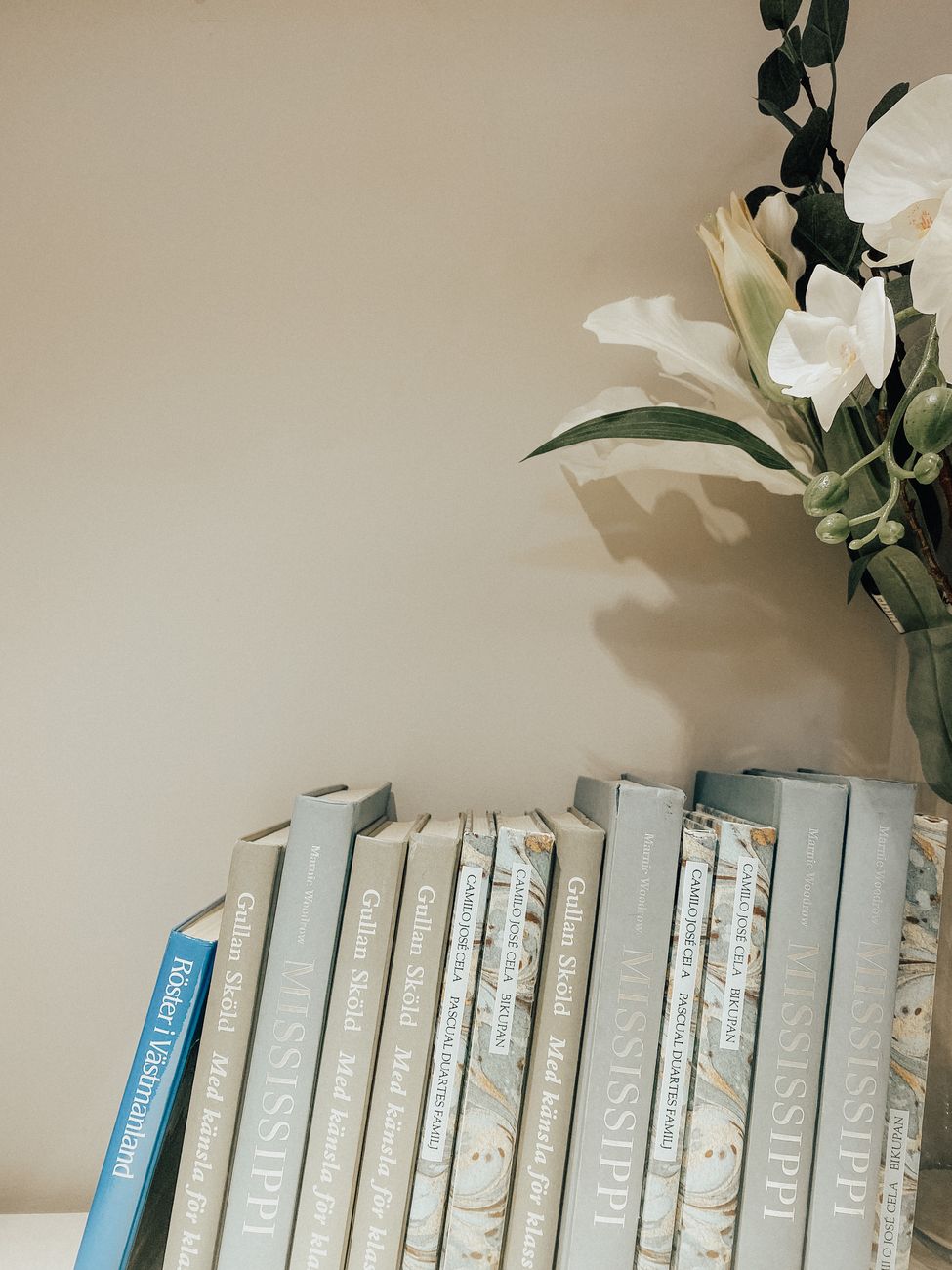
Interior stylists have been flipping books backwards—spines hidden, pages out—to create uniform beige-and-cream backdrops for years. What started as a staging trick has become an aspirational aesthetic. The irony is sharp: books reduced to texture, content erased in favor of form. They're still there, technically. You just can't read them. Or know what they are.
Sculptural Shelving With Nothing On It
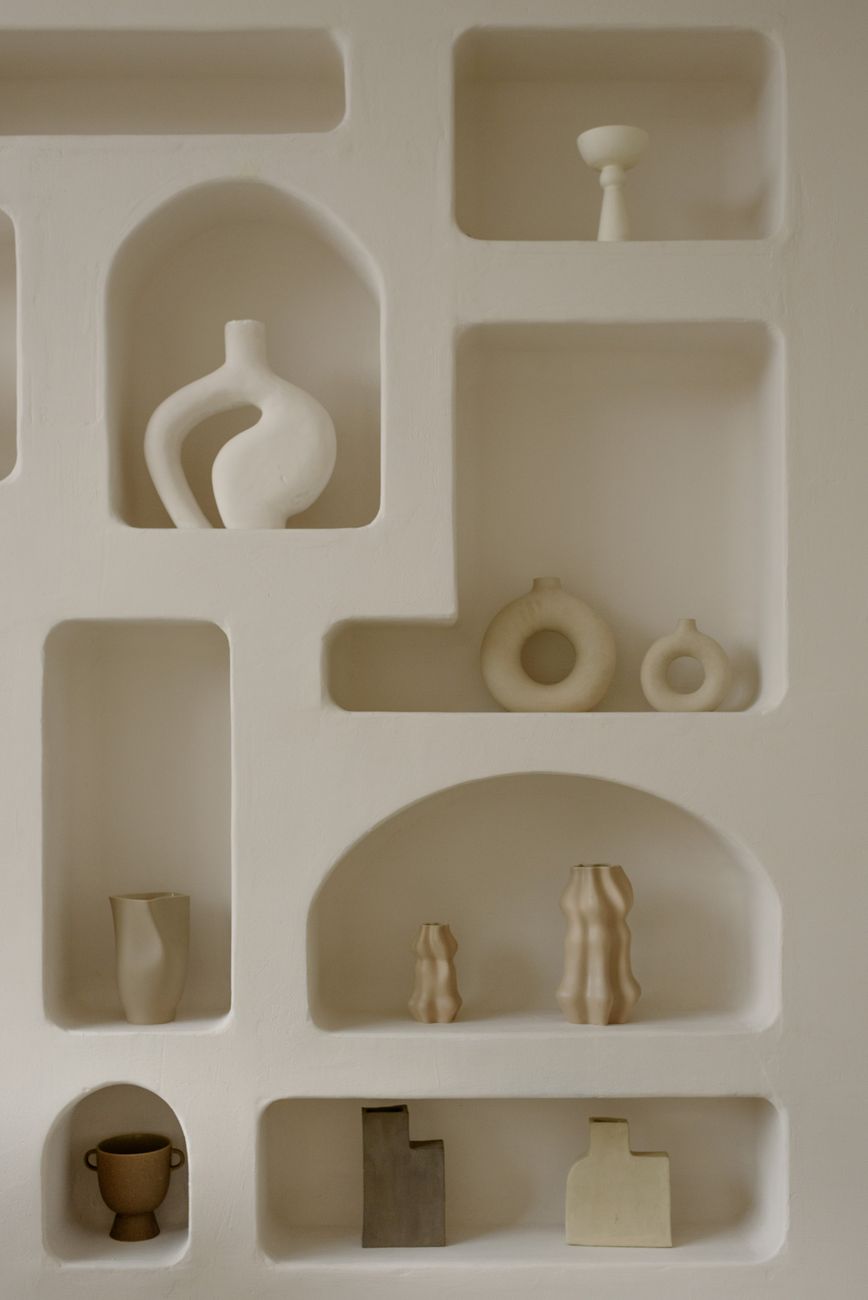
Designers like Zaha Hadid Architects and Bower Studios are creating dramatic, architectural shelving systems intended to remain empty—or sparsely populated with ceramic vessels and single stems. These are bookshelves in name only, spatial interventions that reject the premise of storage. The shelf becomes the statement. The absence becomes the point.
Digital Readers, Analog Guilt
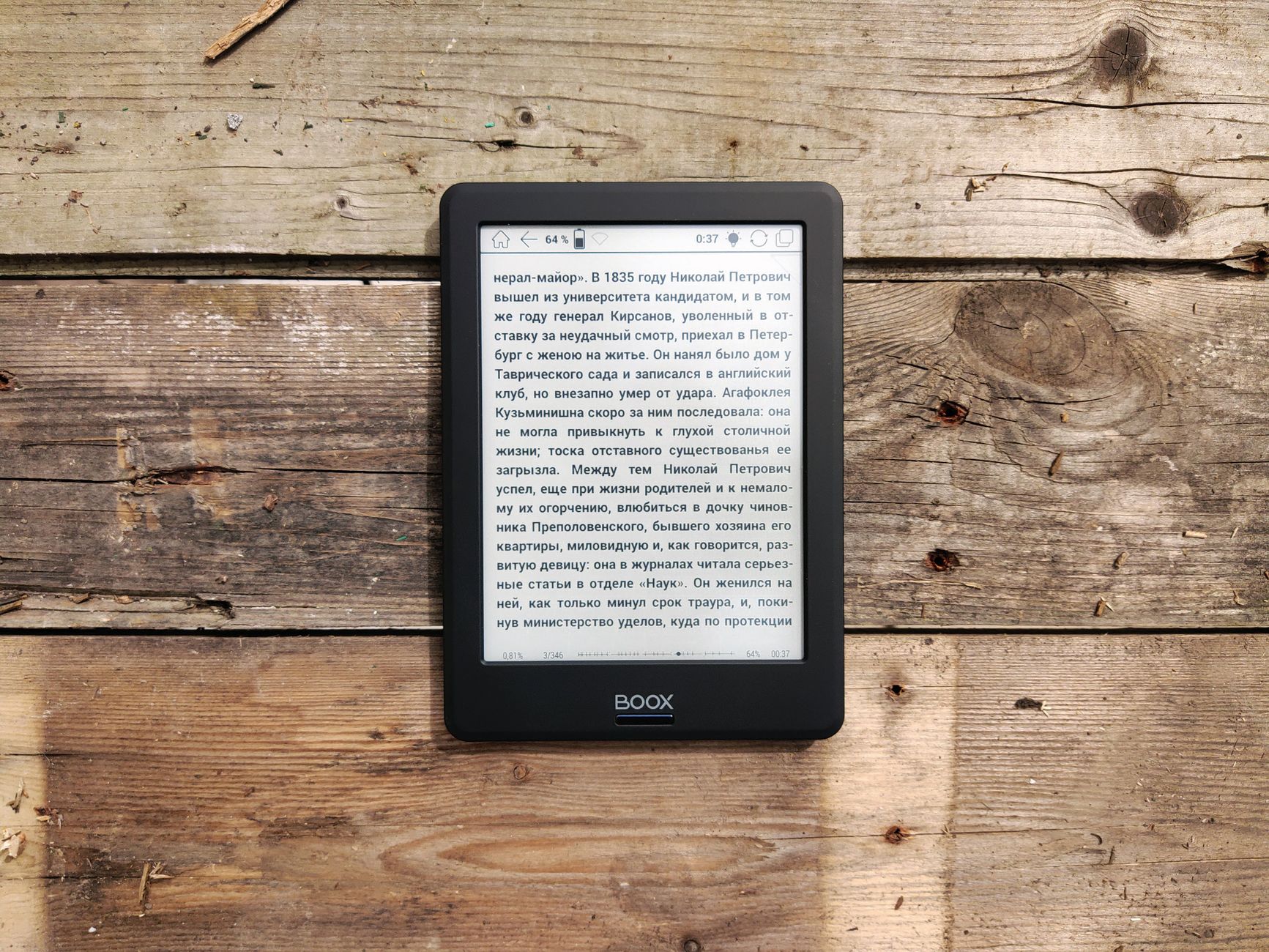
The rise of Kindles and Libby apps has made physical books functionally obsolete for many readers, but the cultural guilt lingers. People still want the signifier—the idea of books—without the bulk. Enter the decorative book stack (unread), the coffee table tome (unopened), the single featured spine (inherited). We've started treating books the way we treat vinyl: as props for a version of ourselves we'd like to project.
The Anti-Intellectual Interior
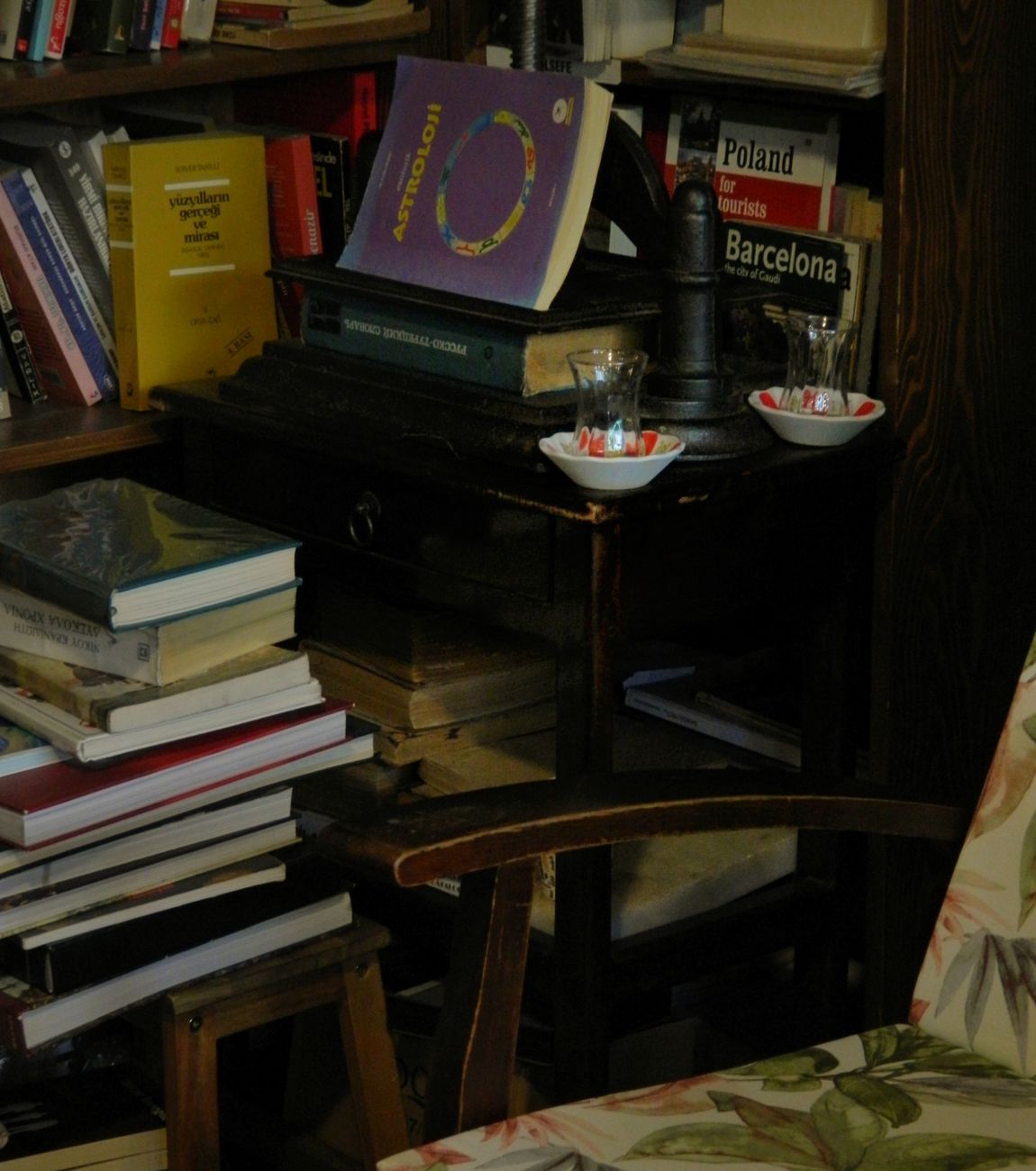
This isn't just about decluttering. It's a broader cultural retreat from visible intellectualism. In an age of algorithmic recommendations and hidden digital consumption, the public display of reading feels performative, even gauche. The bookshelf-as-biography is out. The bookshelf-as-void is in. And that void speaks volumes about what we value now: curation over accumulation, appearance over evidence, silence over the messy proof of thought.