The celebrity feud used to erupt organically—a leaked phone call, an awards show slight, genuine bad blood spilling into public view. Now it arrives with the precision of a Netflix release schedule, complete with Easter eggs for Reddit to decode and TikTok takes queued up within the hour.
We've crossed the threshold where beef isn't just entertainment—it's a content format. Celebrities understand that conflict drives engagement more efficiently than any press junket. And we've become fluent in the language of manufactured drama, analyzing it with the seriousness of film criticism while winking at the construction. The feuds feel fake. We watch anyway. Here's how staged antagonism became the most honest transaction in entertainment.

Diss tracks arrive with merch drops and listening parties
When Kendrick and Drake traded barbs in 2024, each release felt less like spontaneous retaliation and more like a product launch. Diss tracks now come with pre-planned rollouts, branded merchandise ready to ship, and exclusive listening events that require RSVPs. The beef has a marketing budget. Fans aren't just consuming the conflict—they're literally buying into it, wearing their allegiance as streetwear. The music industry realized that manufactured rivalry moves units faster than manufactured romance ever did.
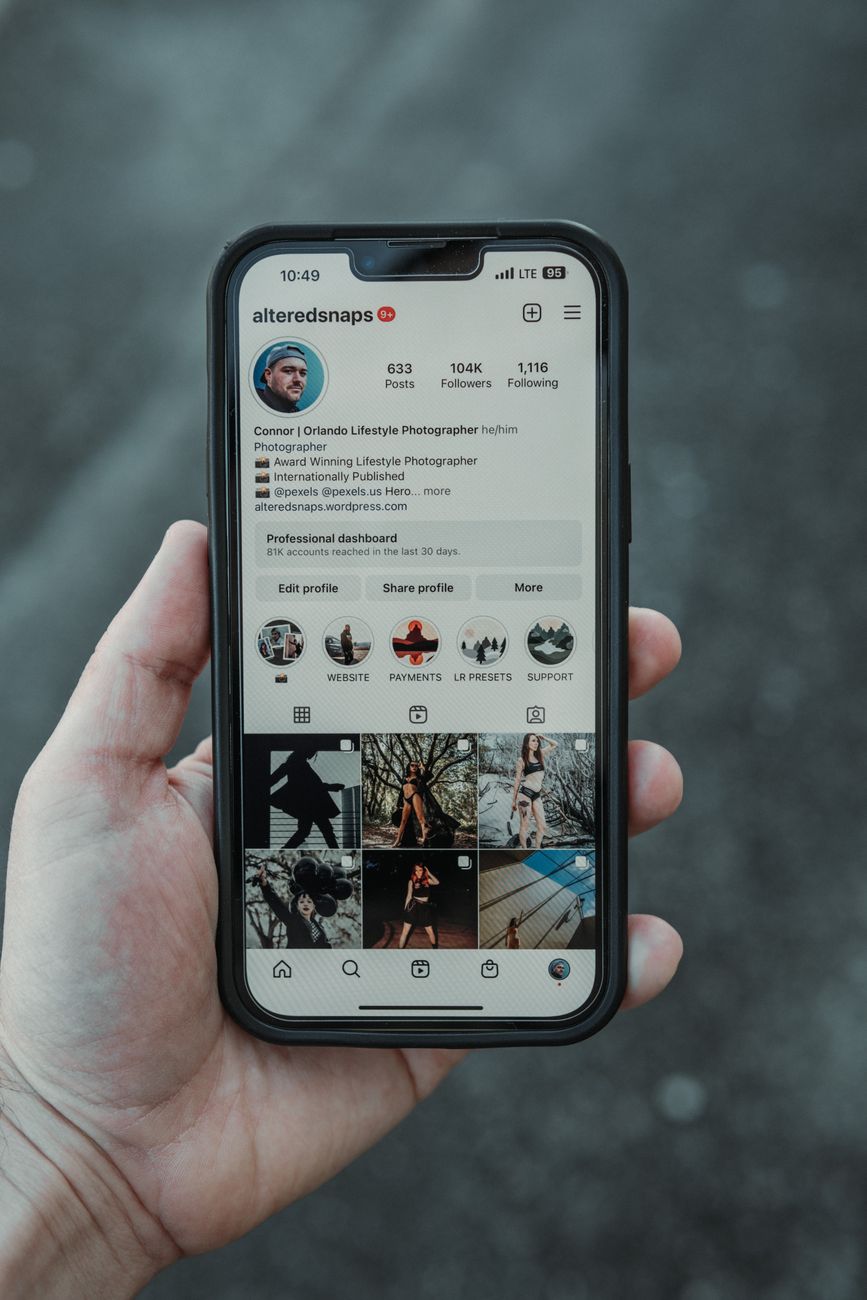
Social media managers schedule the 'spontaneous' clapbacks
That perfectly timed subtweet? Workshopped by a team. The "leaked" screenshots that hit the timeline at peak engagement hours aren't accidents—they're strategic releases with A/B tested captions. Celebrities now employ dedicated teams to craft responses that feel off-the-cuff while maximizing virality. The delay between provocation and response has become suspiciously consistent, landing precisely when algorithms favor visibility. We're watching improv performed by people reading from teleprompters, and the performance only works because we've agreed to suspend our disbelief.

Fans compete to decode 'evidence' like it's an ARG
Celebrity beef now comes with homework. Fans dissect Instagram story timestamps, analyze background details in paparazzi photos, and maintain elaborate Reddit threads connecting dots that may not exist. The feuds are designed with breadcrumb trails built in—ambiguous lyrics, strategic unfollows, carefully cropped photos. It's alternate reality gaming where the prize is clout for being first to "figure it out." The entertainment isn't just watching famous people fight; it's participating in the collective detective work, even when everyone knows the mystery was written backward from the solution.

The reconciliation is scheduled before the first shot fires
Every scripted feud needs a finale. The tearful reunion interview, the collaborative single, the joint business venture—it's all plotted before the beef goes public. Celebrities are increasingly transparent about this arc, with both parties booking the same podcast months in advance or dropping hints about "upcoming projects" together while still technically feuding. The reconciliation serves as proof that the whole thing was content, which somehow makes it more compelling. We're not watching genuine conflict resolve; we're watching a season finale we knew was coming, and the satisfaction comes from seeing the formula executed well.
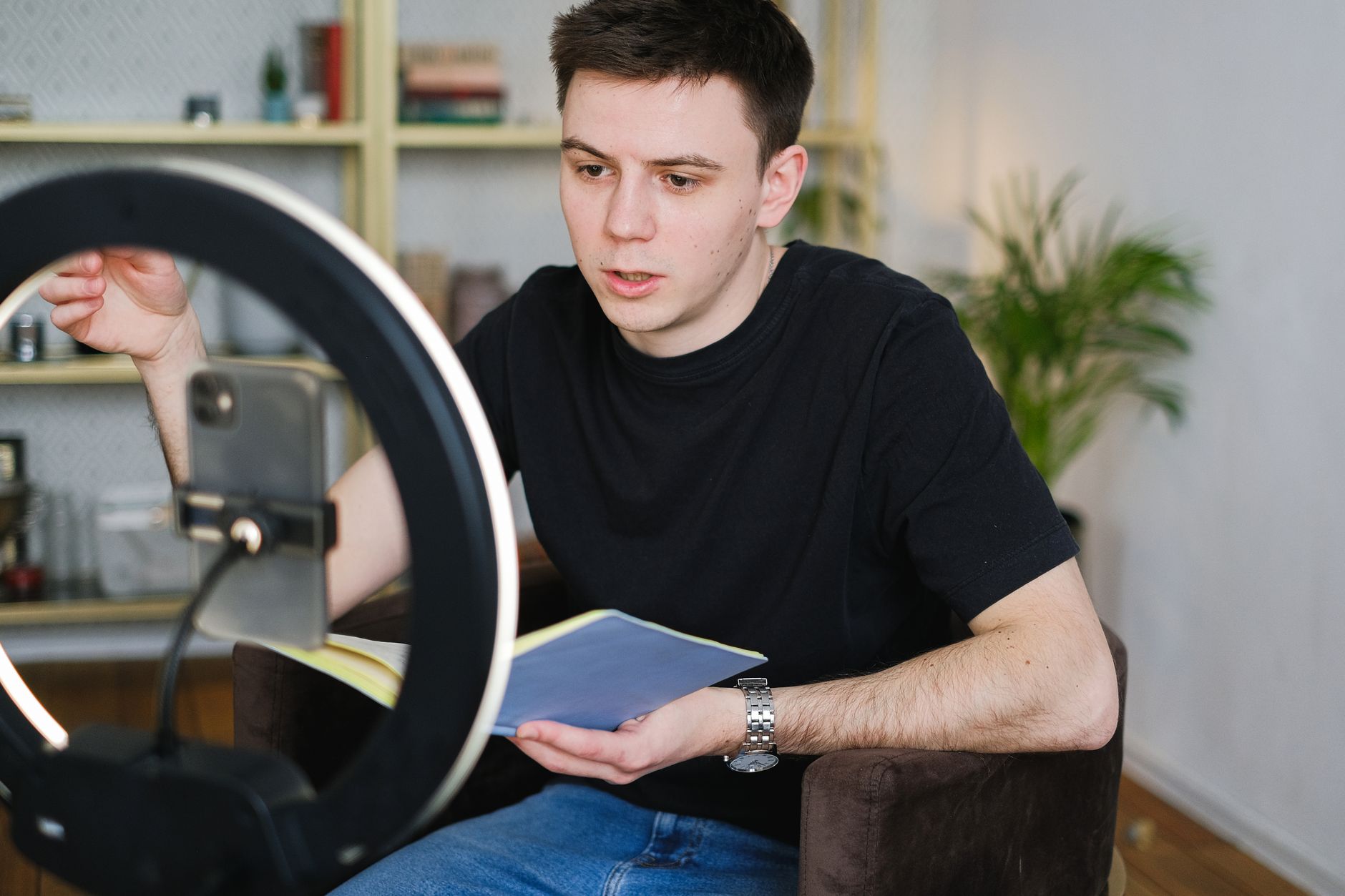
Micro-influencers franchise the format down to regional beef
The celebrity feud blueprint has trickled down. Regional influencers now stage elaborate rivalries with production values that mirror their A-list counterparts—coordinated response videos, merch lines for team allegiances, even local news coverage treating it as legitimate drama. The format scales infinitely because the engagement math works at every level. A feud between two lifestyle influencers with 100K followers generates the same parasocial investment as one between megastars. We've industrialized beef, turning interpersonal conflict into a reproducible content vertical that anyone with an audience can deploy.