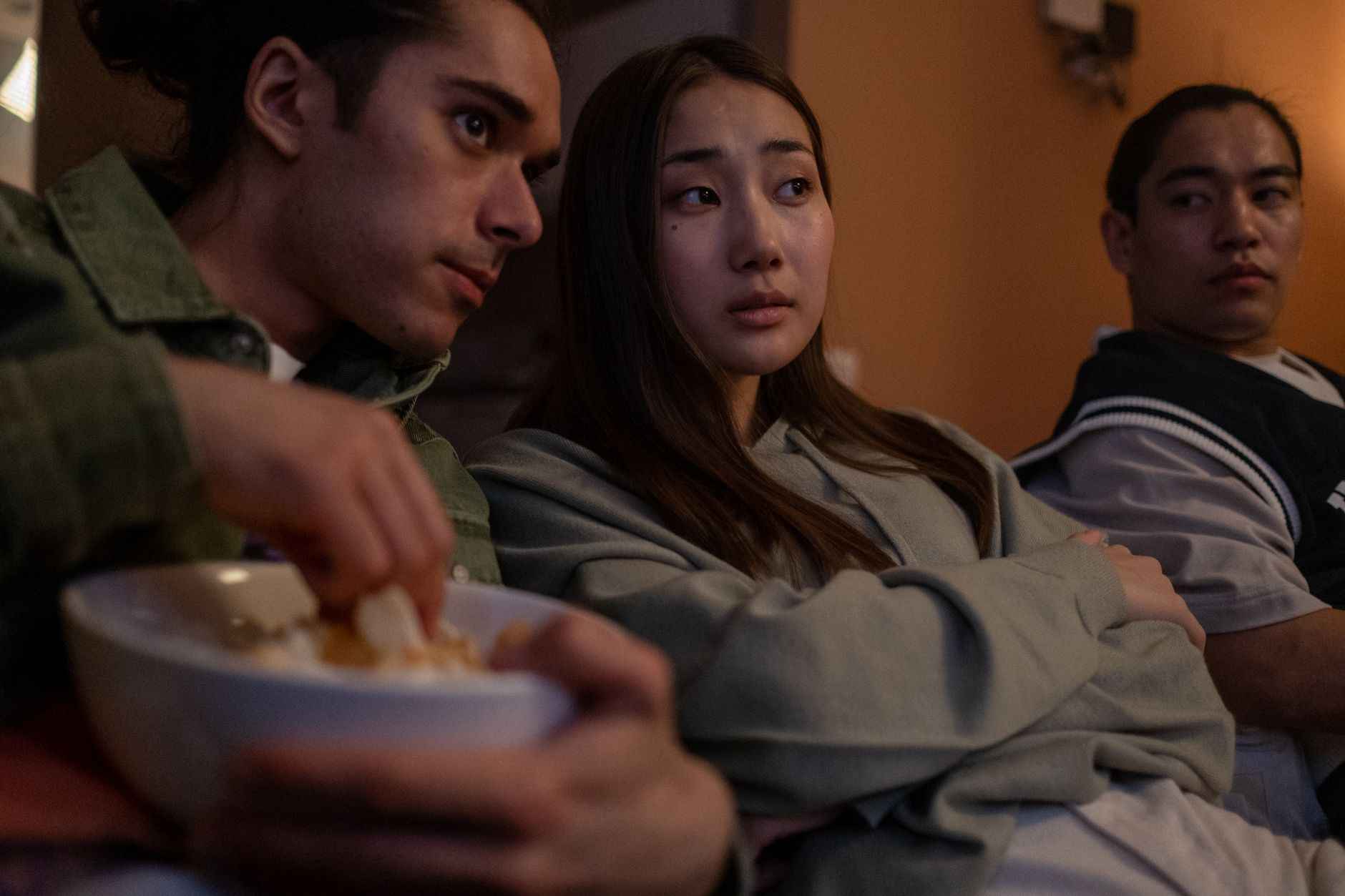
We no longer simply watch television. We dissect it in real-time on Twitter, curate reaction compilations on TikTok, and construct entire parasocial careers around our hot takes. The act of consumption has become indistinguishable from the act of performance—every viewer now a broadcaster, every living room a potential studio.
This shift represents something more fundamental than participatory fandom. It's the logical endpoint of a decade spent training ourselves to be constantly "on," to treat our cultural diet as content fodder, to measure the value of an experience by its convertibility into engagement metrics. What we're witnessing isn't enhanced appreciation—it's the colonization of attention itself.
The Reaction Economy Has Professionalized Watching
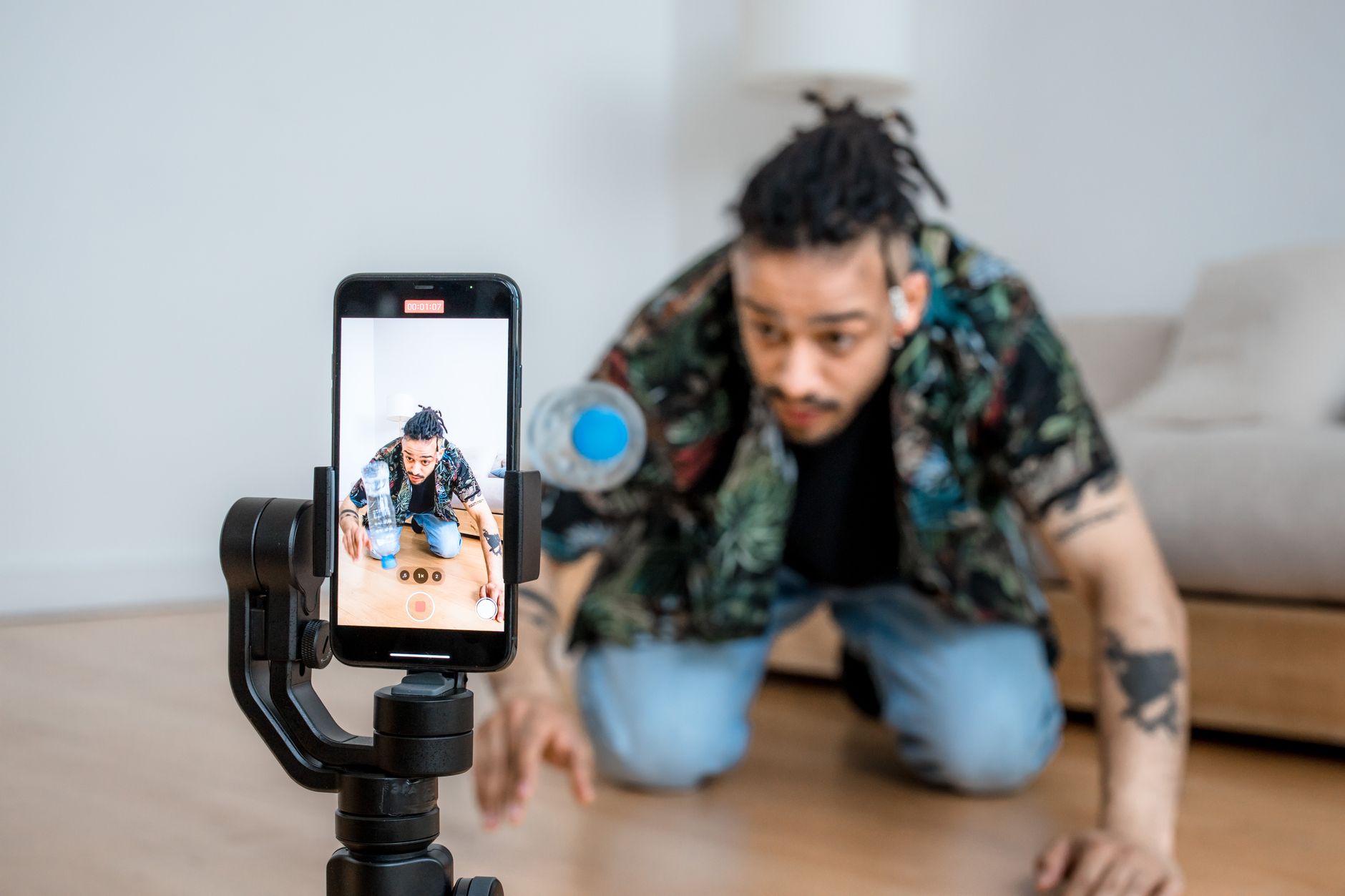
YouTubers and TikTokers have built six-figure businesses by recording themselves watching other people's content. The "first time hearing" genre alone has spawned thousands of channels, with creators performing surprise and delight at decades-old songs. It's oddly Victorian—we're paying to watch someone experience pleasure, outsourcing our own enthusiasm to professional reactors who do the emotional labor of being impressed on our behalf.
Real-Time Discourse Has Replaced Delayed Reflection
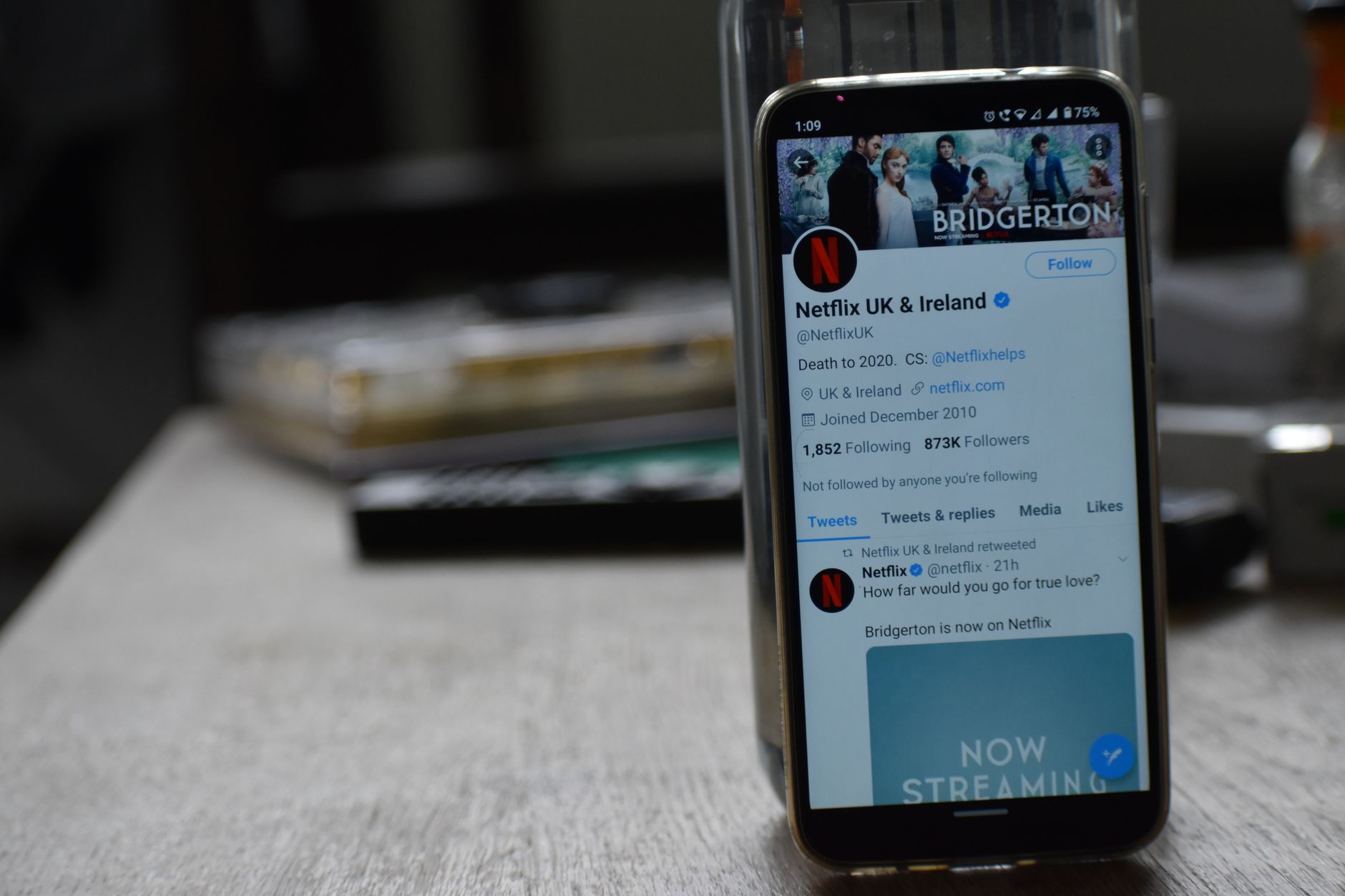
The 24-hour cooling-off period before forming an opinion is extinct. Now, discourse begins before the credits roll, with takes crystallizing into tribal positions within hours. Prestige television showrunners now navigate an impossible landscape where every creative choice faces instant tribunal. The result isn't richer conversation—it's faster consensus, more rigid interpretations, and the death of ambiguity as a storytelling tool.
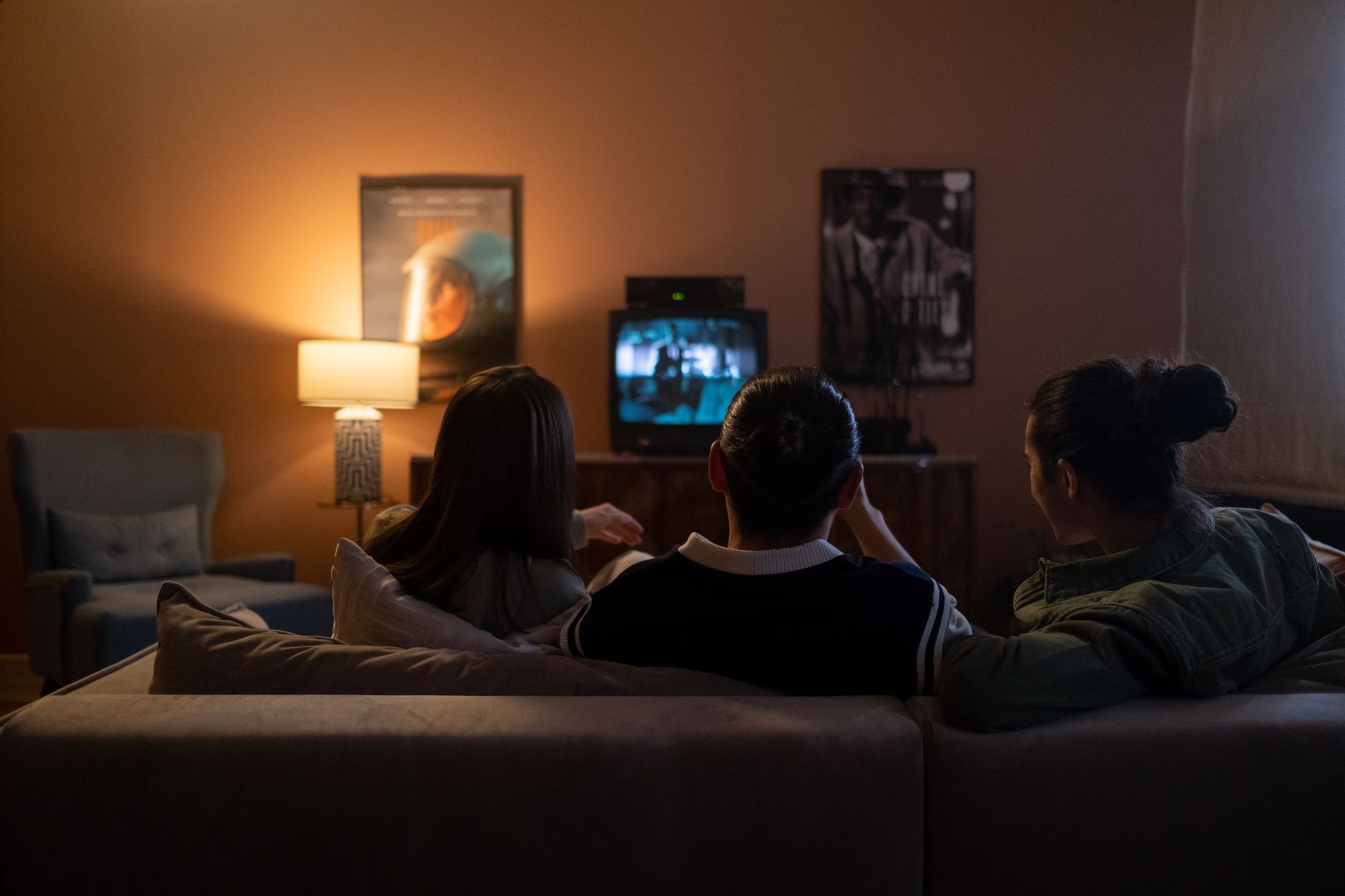
Watch Parties Have Become Mandatory Social Infrastructure
You're not watching the finale alone—you're in a Discord server with 47 people, three group chats, and a live-tweeting obligation. Shared viewing has evolved from optional social activity to compulsory participation. Missing the live moment means missing the memes, the discourse, the cultural timestamp. We've traded solitary absorption for collective performance, and the cost is the space to form an unmediated response.
Meta-Commentary Has Become the Primary Text
Four-hour video essays dissecting a two-hour film now rack up millions of views. We increasingly consume criticism as entertainment itself, sometimes without engaging with the original work. The commentary track has metastasized into its own genre—more accessible, more digestible, pre-chewed for maximum efficiency. Why struggle through a challenging piece of art when someone can explain why it's brilliant in twenty minutes with jokes?
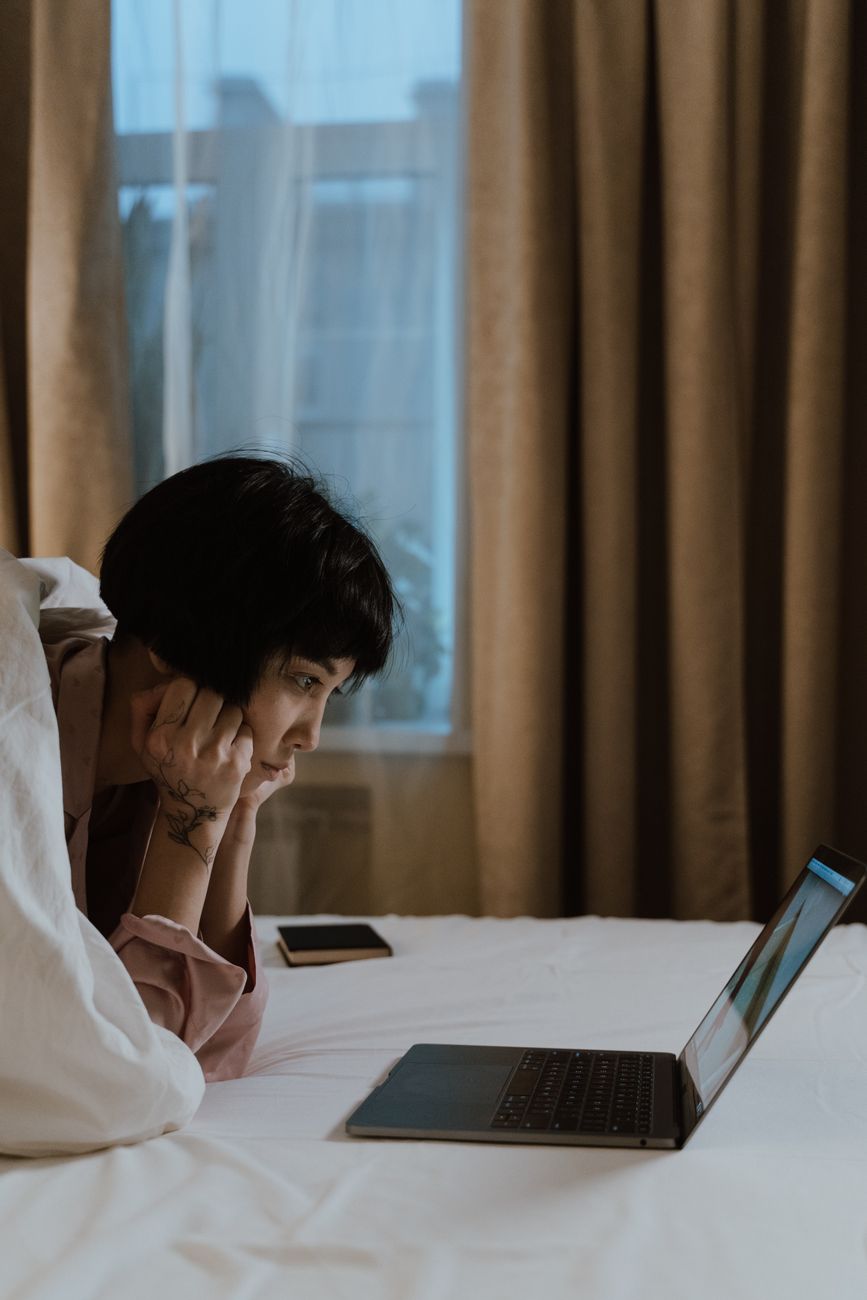
Private Experience Has Become a Suspicious Concept
Admitting you watched something without immediately posting about it now reads as withholding. The reflex to document has become so ingrained that unshared consumption feels incomplete, almost wasteful. We've internalized the logic of algorithmic optimization: if an experience isn't converted into content, did it generate value? The quiet pleasure of simply watching—of letting something affect you without immediately processing it into language—has become a radical act.