The calculus has shifted. Actors who once disappeared between costume drama seasons now maintain year-round brand ecosystems that blur the line between character and commerce. It's no longer enough to play a duchess—audiences expect you to dress like one in perpetuity, preferably while promoting skincare.
What we're witnessing isn't just celebrity influence. It's the professionalization of aesthetic adjacency, where the glow of period piece success translates directly into revenue streams that depend on never fully stepping out of character. The corset comes off, but the curation continues.
The Permanence of Period Persona
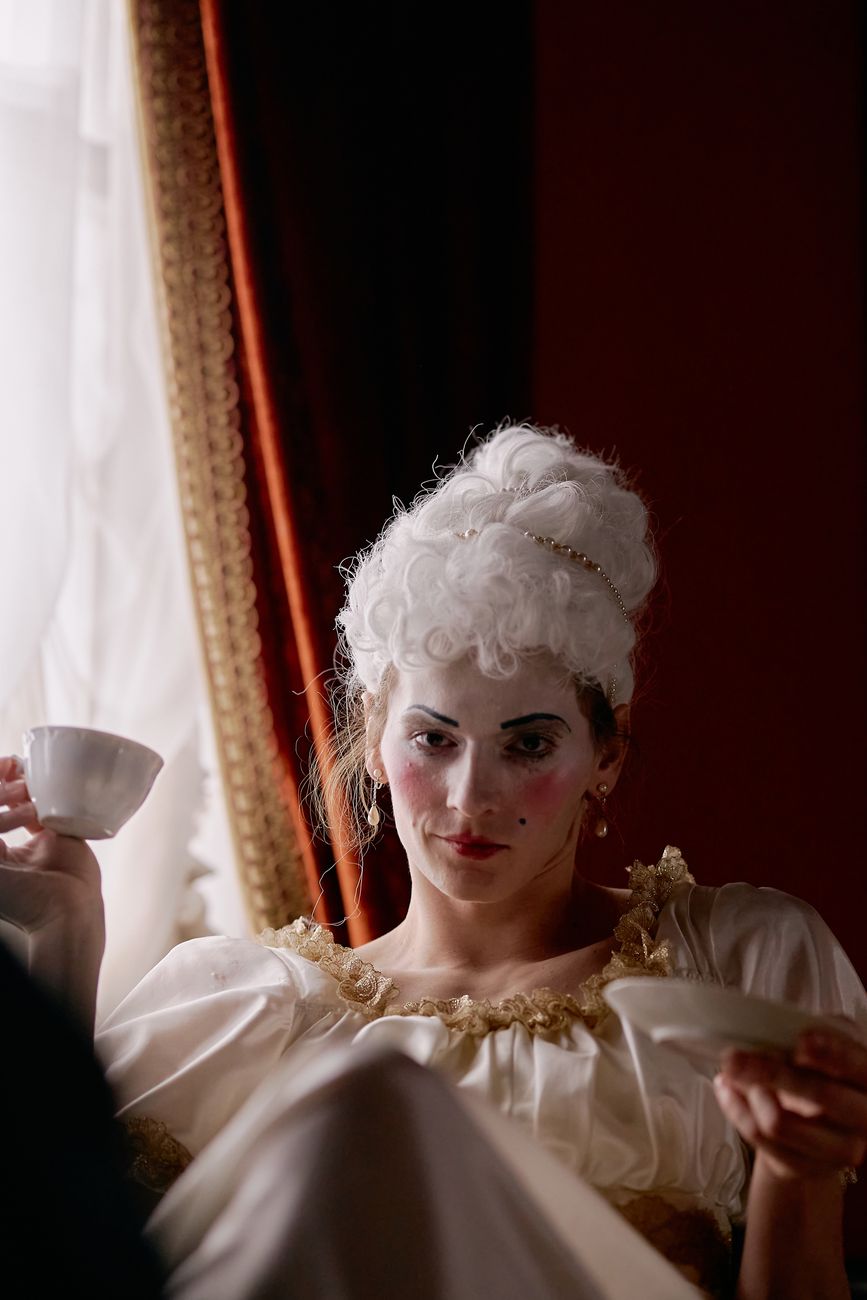
Actors from shows like Bridgerton and The Great have discovered that their characters' worlds generate more engagement than their actual personalities. The result: Instagram feeds that function as perpetual mood boards of Regency-adjacent florals, Victorian silhouettes, and soft-focus garden parties. This isn't method acting—it's method marketing. The audience doesn't want the person; they want the aura, delivered consistently enough to justify a follow.
Heritage Brand Partnerships as New-Age Typecasting
Where once an actor might worry about being typecast, now they're courting it through contracts with heritage fashion houses and British beauty brands. The logic is sound: if you've spent six months in bespoke empire-waist gowns, why not monetize that association with a watch brand that hasn't changed its design since 1823? These partnerships aren't random—they're strategic extensions of the equity built on set, packaged for audiences who believe taste can be inherited through a screen.

The Cottage Core Industrial Complex
Period drama stars have become the unexpected architects of cottage core's commercial phase, where rural nostalgia meets affiliate links. They're not just posting photos in country estates—they're tagging the linen brands, ceramic studios, and organic soap makers that transform a period piece vibe into purchasable lifestyle infrastructure. It's influence that masquerades as authenticity while functioning as a perfectly calibrated shopping catalogue for people who want their lives to look like a prestige miniseries.
Between-Season Content as Paid Filler
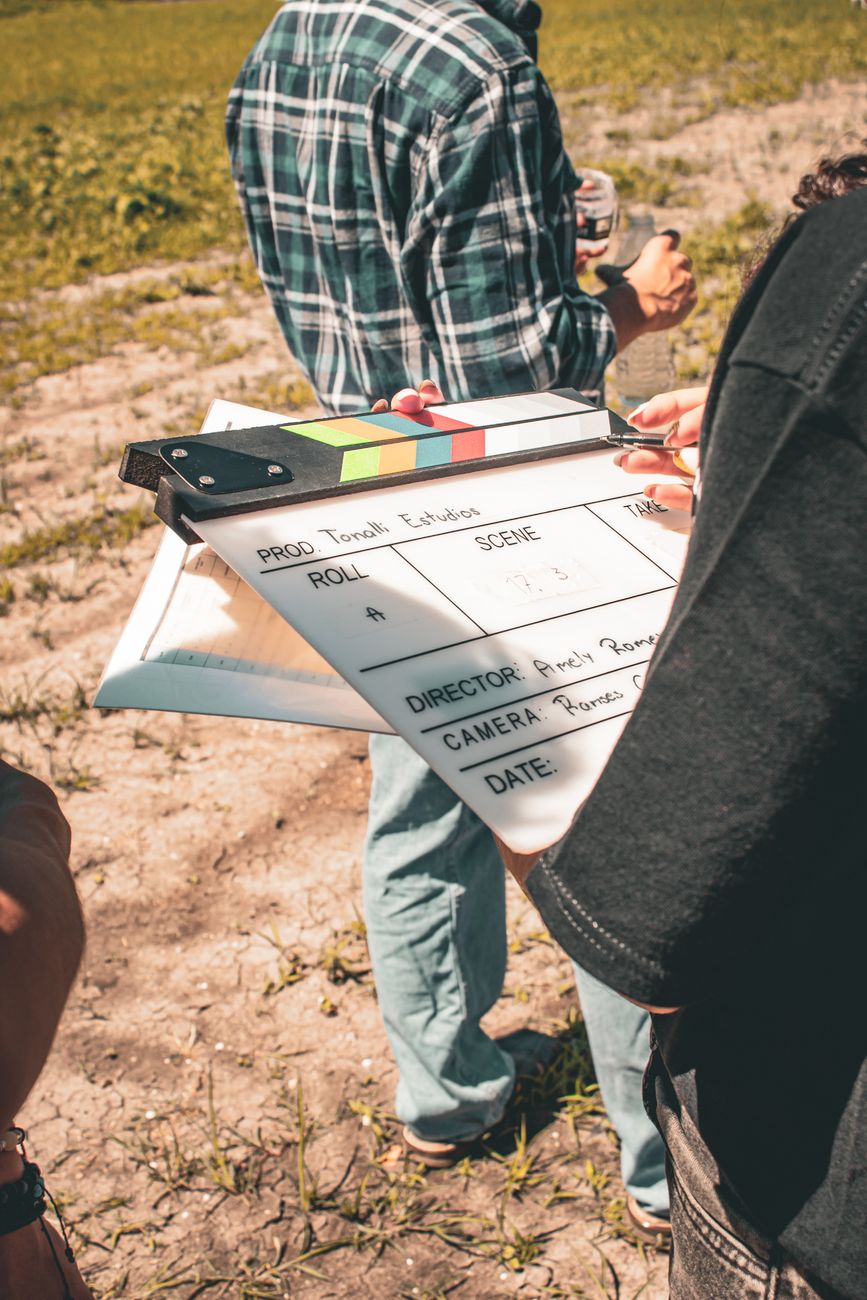
The gap between seasons has become its own genre of monetizable content. Actors share "behind-the-scenes" fragments, costume fittings, and historical research processes—not as DVD extras, but as sponsored posts for brands that want proximity to perceived sophistication. This content serves a dual purpose: it maintains audience interest during production droughts while generating income that doesn't require actual acting. It's the gig economy dressed in period costume.

The Death of Civilian Off-Duty Style
There used to be a version of fame where actors could be photographed looking ordinary between jobs. That version is extinct for this cohort. Every airport appearance, every coffee run becomes an extension of their curated historical aesthetic—because the brand value depends on never breaking character in public. They've traded the freedom of anonymity for the profitability of consistency. The cost is that they can never just exist; they must always perform a version of elegance that justifies why brands pay them to exist beautifully.