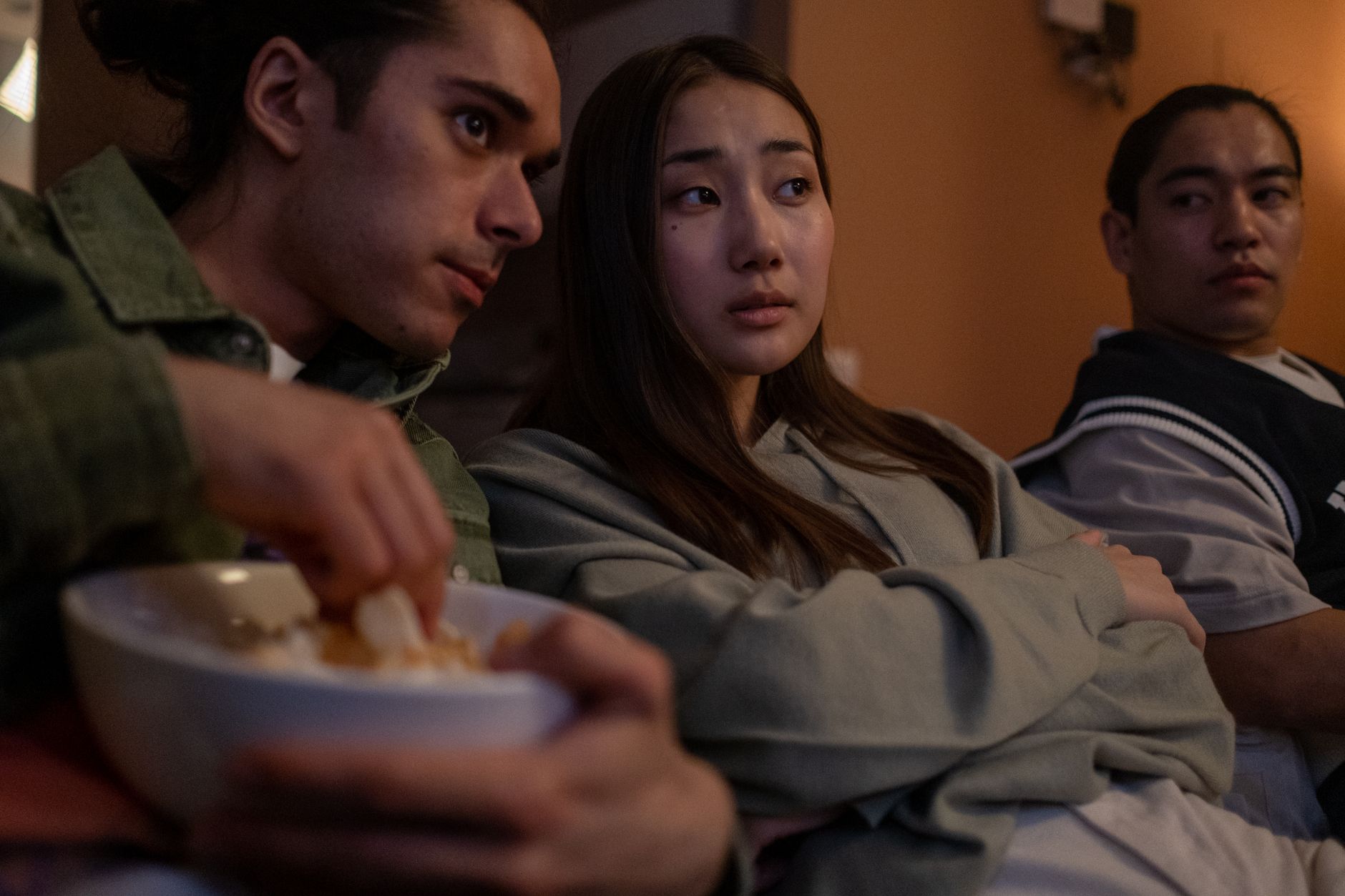
The velvet rope is getting early morning sunlight. Across global cities, the party that once belonged to midnight is now peaking at noon, and the cultural shift runs deeper than just changing the clock. Daytime nightlife—disco brunches, afternoon club sessions, sunset warehouse raves—represents a fundamental rethinking of pleasure, productivity, and how we structure social life.
This isn't about moderation or wellness-washing the club experience. It's about people reclaiming their evenings while refusing to sacrifice intensity. The result is a new social architecture where you can dance until 6 PM, be home for dinner, and still feel like you went somewhere. Here's how daytime is becoming the new nighttime.
The wellness-hedonism paradox is real
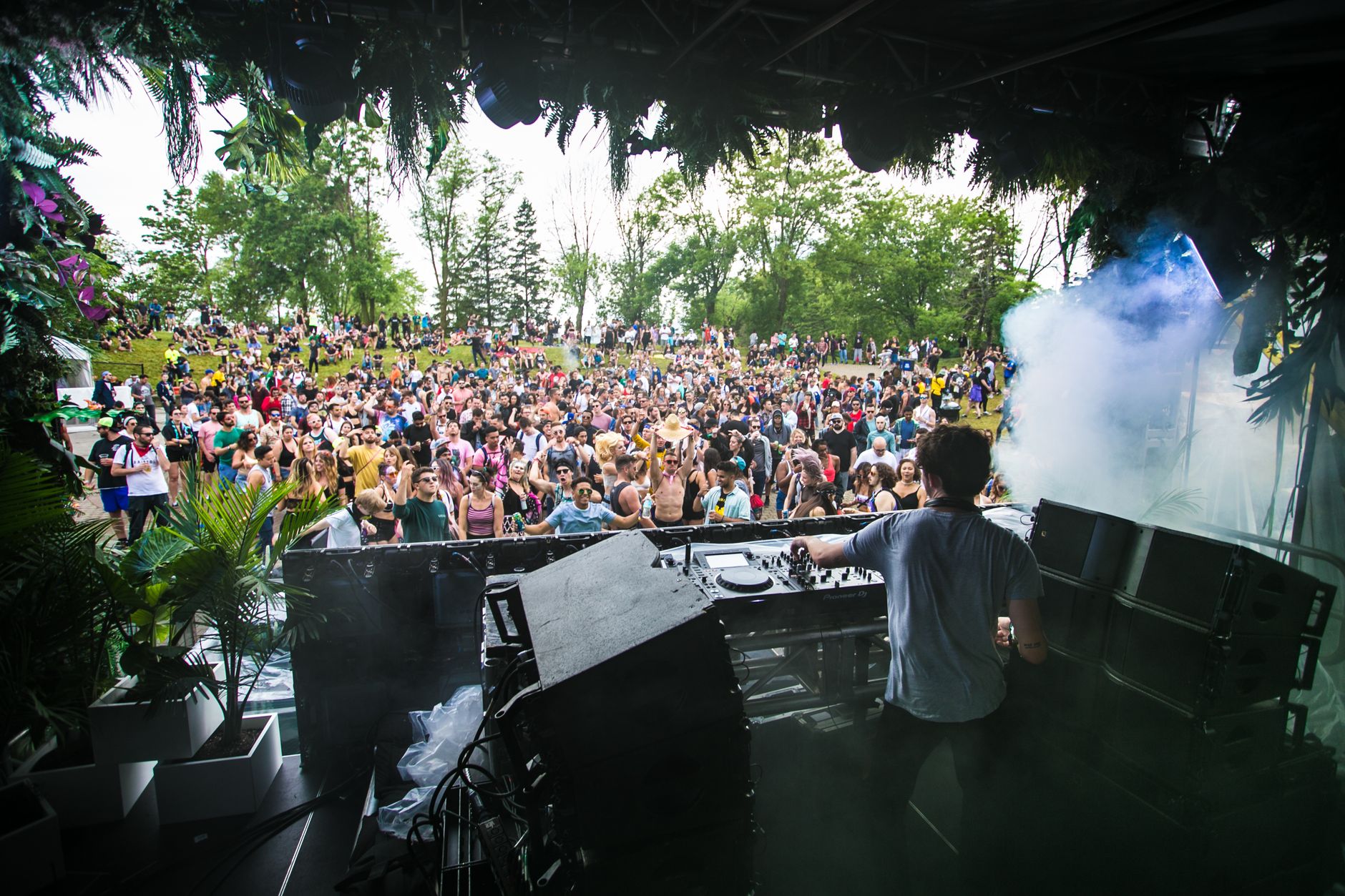
People want to lose themselves on a dancefloor and wake up for sunrise yoga, and daytime clubbing solves that equation. Events ending at 7 PM mean you can be fully present in the chaos without the three-day recovery tax. It's not about being responsible—it's about being strategic with your central nervous system. Hedonism that respects circadian rhythms is the ultimate flex.
Parents are reclaiming club culture on their terms
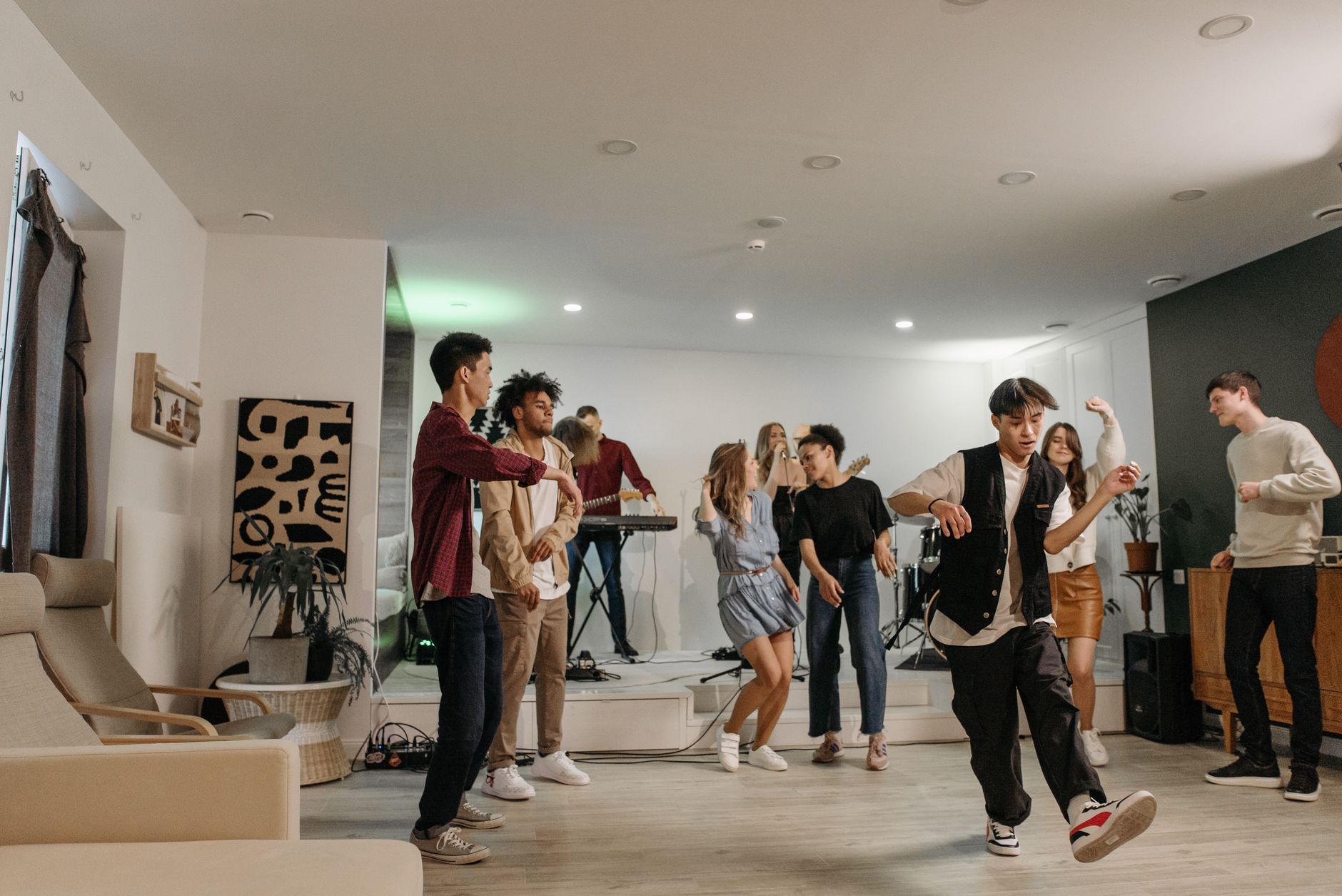
The demographic driving daytime raves isn't twenty-somethings—it's people in their thirties and forties who never stopped loving dance music but did start needing babysitters with end times. Promoters like London's Day Fever and NYC's Daytime Disco built entire business models around this, and the culture is richer for it. These aren't watered-down events; they're intensely curated experiences for people who know exactly what good nightlife feels like and refuse to age out of it.
Sunlight changes the social dynamics entirely
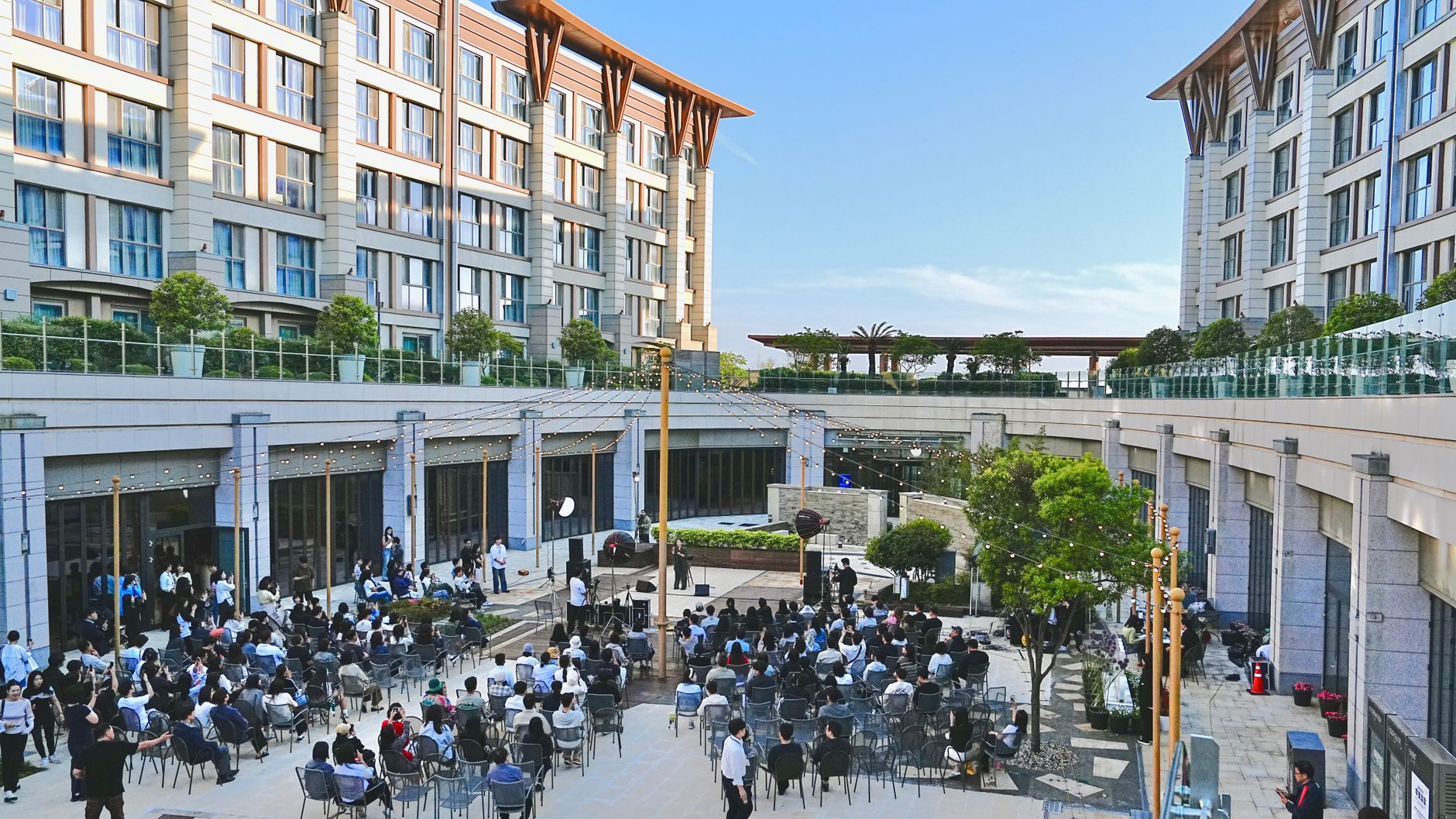
Dancing in daylight strips away the protective darkness that traditional nightlife provides, and that vulnerability creates different energy. Eye contact is unavoidable. Conversations are actual conversations. The performative mystery of nightclub personas dissolves when everyone can see everyone clearly. What emerges is more honest, more connected, occasionally more awkward—and that's precisely the point. The mask comes off, literally and figuratively.

Cities are redesigning for daytime leisure
Urban planners and developers are noticing the economic and social potential of daytime activation. Rooftops, warehouses, and parks that sit empty during weekend afternoons are becoming premium event real estate. Cities like Berlin, Barcelona, and Miami are rezoning and reprogramming spaces specifically for daytime entertainment. This isn't just about one-off parties—it's infrastructure-level change that recognizes daytime as legitimate nightlife hours, complete with licensing, sound ordinances, and cultural investment.

The anti-alcohol movement has a new outlet
Daytime events remove the ambient pressure to drink heavily that permeates traditional nightlife. When the party starts at 2 PM, ordering kombucha or functional beverages doesn't signal you're not committed—it signals you understand pacing. The sober-curious generation finally has a nightlife ecosystem that doesn't treat non-drinking as a moral statement or a limitation. The focus shifts from substance to experience, and the experience is better for it.