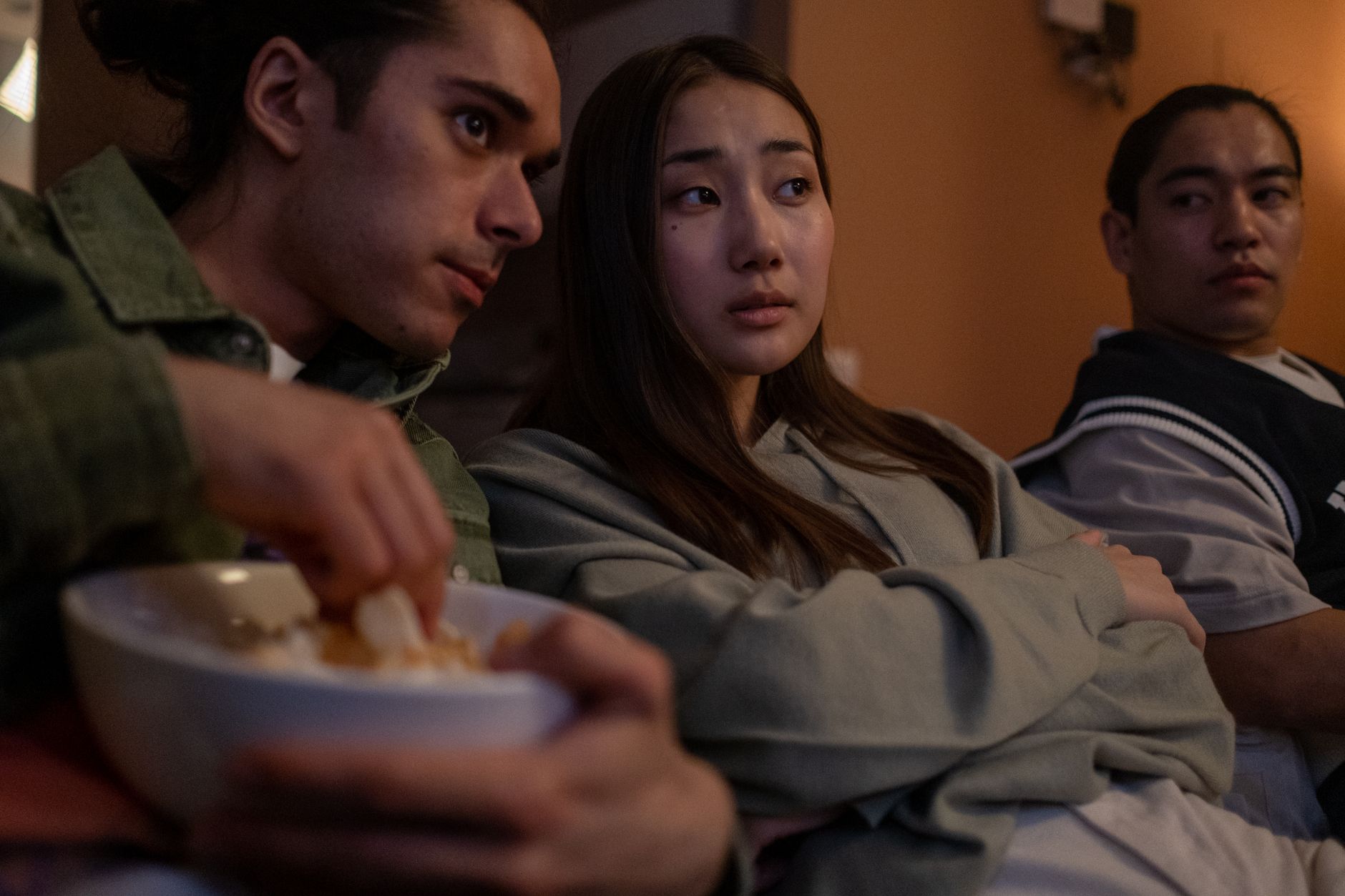
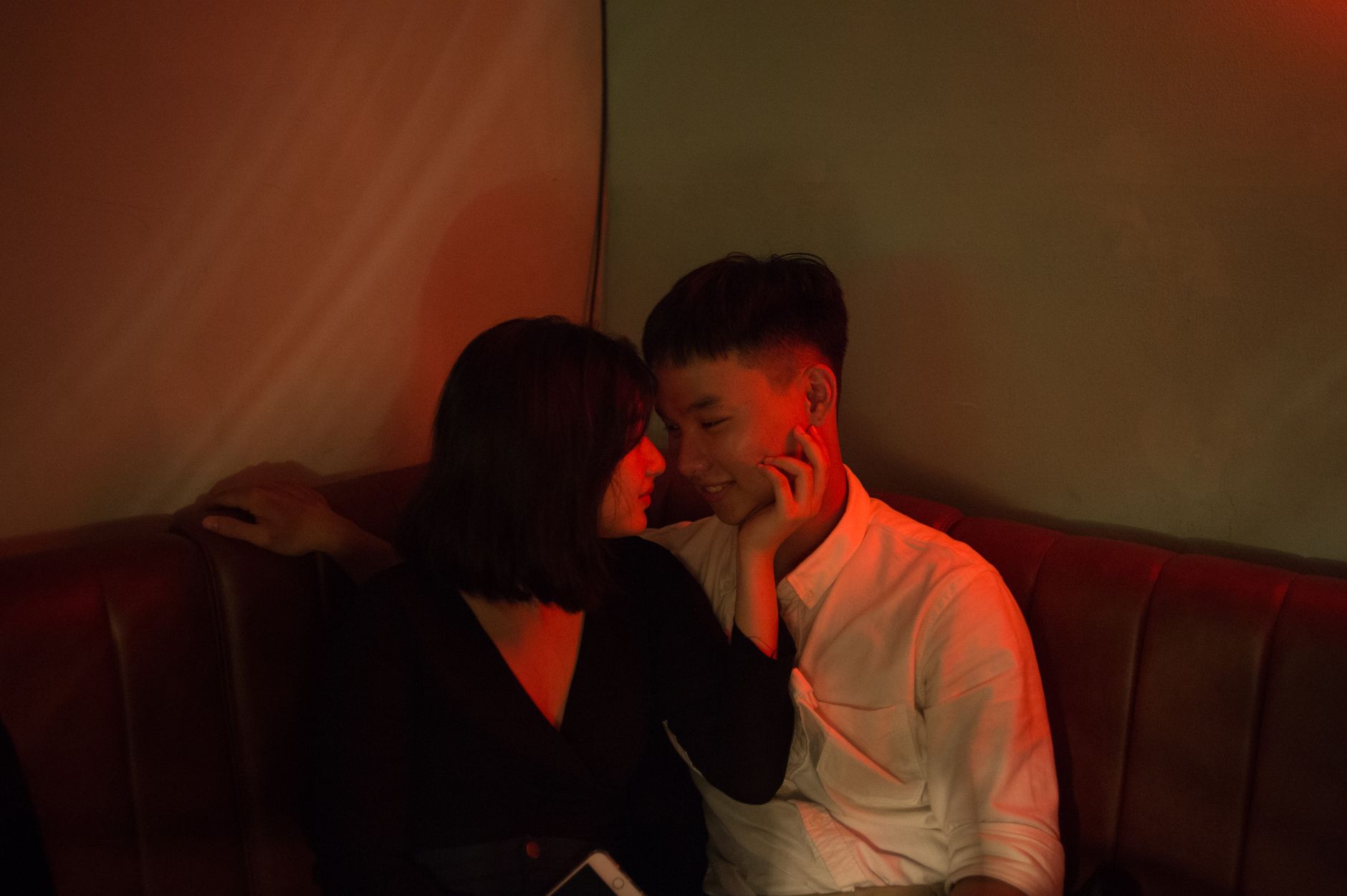
The calendar is choked with festivals. Music, food, wellness, film, art, immersive theatre that promises to 'transform' you—pick your weekend, pick your poison. Yet ask anyone what they actually remember from last summer's circuit, and you'll get vague gestures toward Instagram stories that have long expired.
We're living through a peculiar inversion: the more events we attend, the less we retain. The festival industrial complex has optimized for attendance, not experience. The result is a sea of sameness—identical sponsor activations, interchangeable lineups, the same faux-vintage typography on every poster. Here's what's driving the forgetting.
The Lineup Arms Race Has Made Everything Predictable
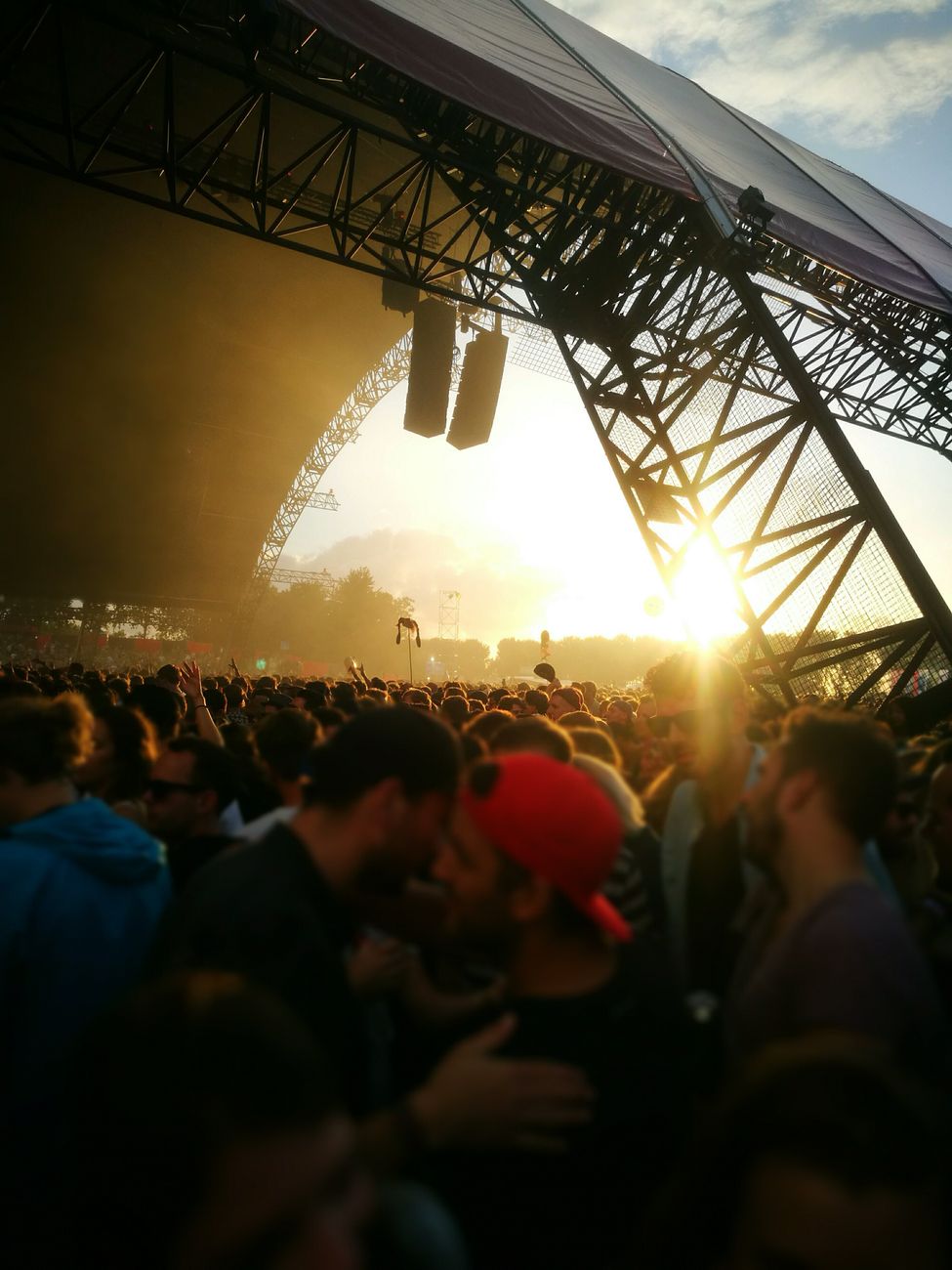
Festivals now share headliners like trading cards, creating a touring circuit where the same twenty acts rotate through identical slots. When you've seen the same performer at three different festivals in two months, each appearance blurs into the others. The scarcity that once made festival bookings special—the idea that you had to be *there*—has evaporated. What remains is expensive FOMO with diminishing returns.
Sponsored 'Experiences' Are Killing Spontaneity
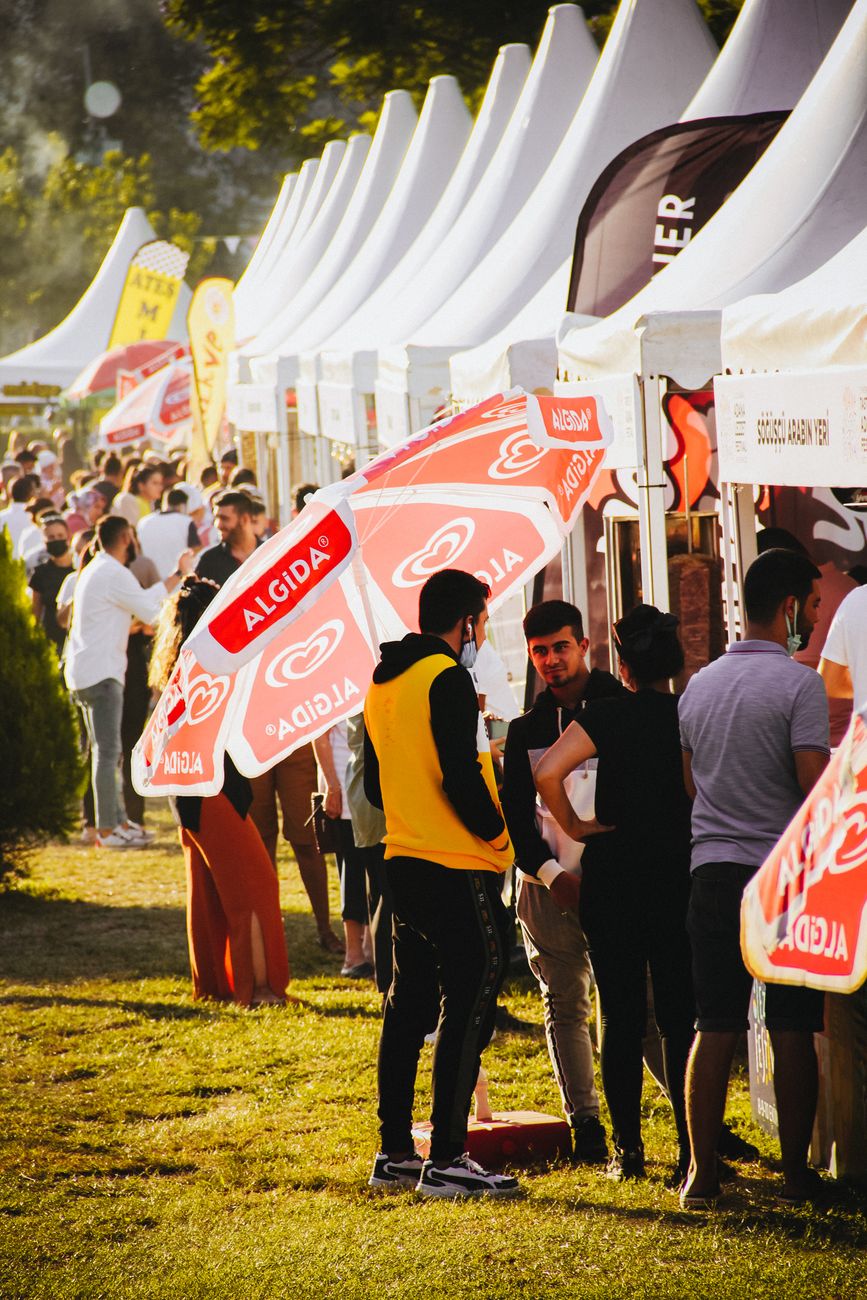
Every square meter is now monetized real estate for branded moments. Want shade? Step into the energy drink lounge. Need to charge your phone? Queue for the telecom sponsor's Instagram op. These frictionless 'experiences' are designed for documentation, not discovery. The unscripted moments—stumbling into an unsigned band at 2am, unexpected conversations with strangers—get architecturally designed out in favor of shareable, trackable, buyable encounters.
The Photo Dependency Loop Prevents Presence
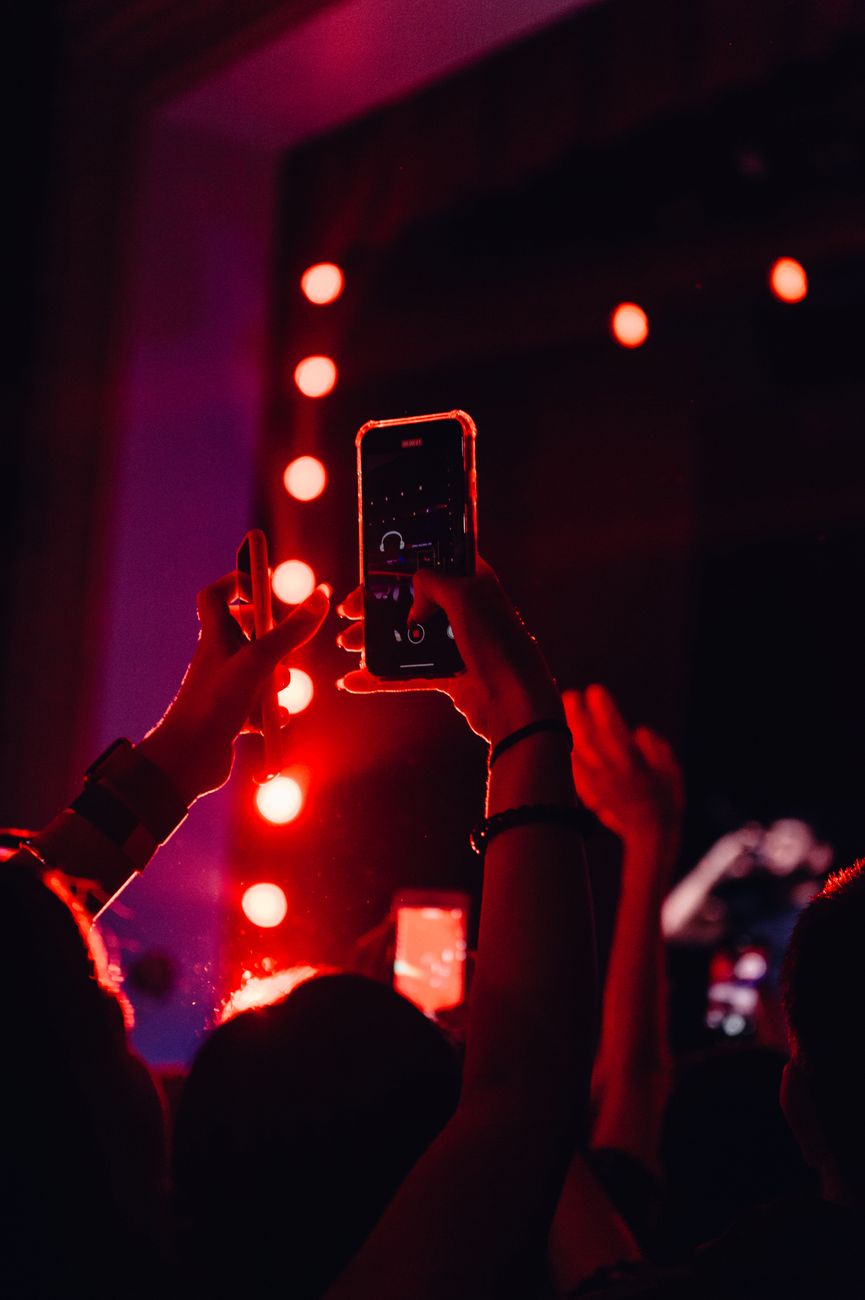
Attendance has become content creation. The imperative to document—to prove you were there, to signal taste, to justify the ticket price—means watching the event through a screen in real time, then never watching the footage again. We've traded embodied memory for cloud storage. The cruel irony: the more we capture, the less we encode. Our brains, freed from the responsibility of remembering, simply stop trying.

Festival Sprawl Has Eliminated Curation As Filter
When festivals were scarce, programmers acted as trusted filters. Now, survival means expansion—more stages, more genres, more days, more partnerships. The result is bloated, incoherent offerings where excellence gets buried under volume. Attendees face analysis paralysis, bouncing between mediocre options instead of committing to anything fully. You can't create memorable moments when you're constantly hedging against missing out on something better three tents over.
The Backlash Is Brewing: Micro-Gatherings and Invitation-Only Intimacy
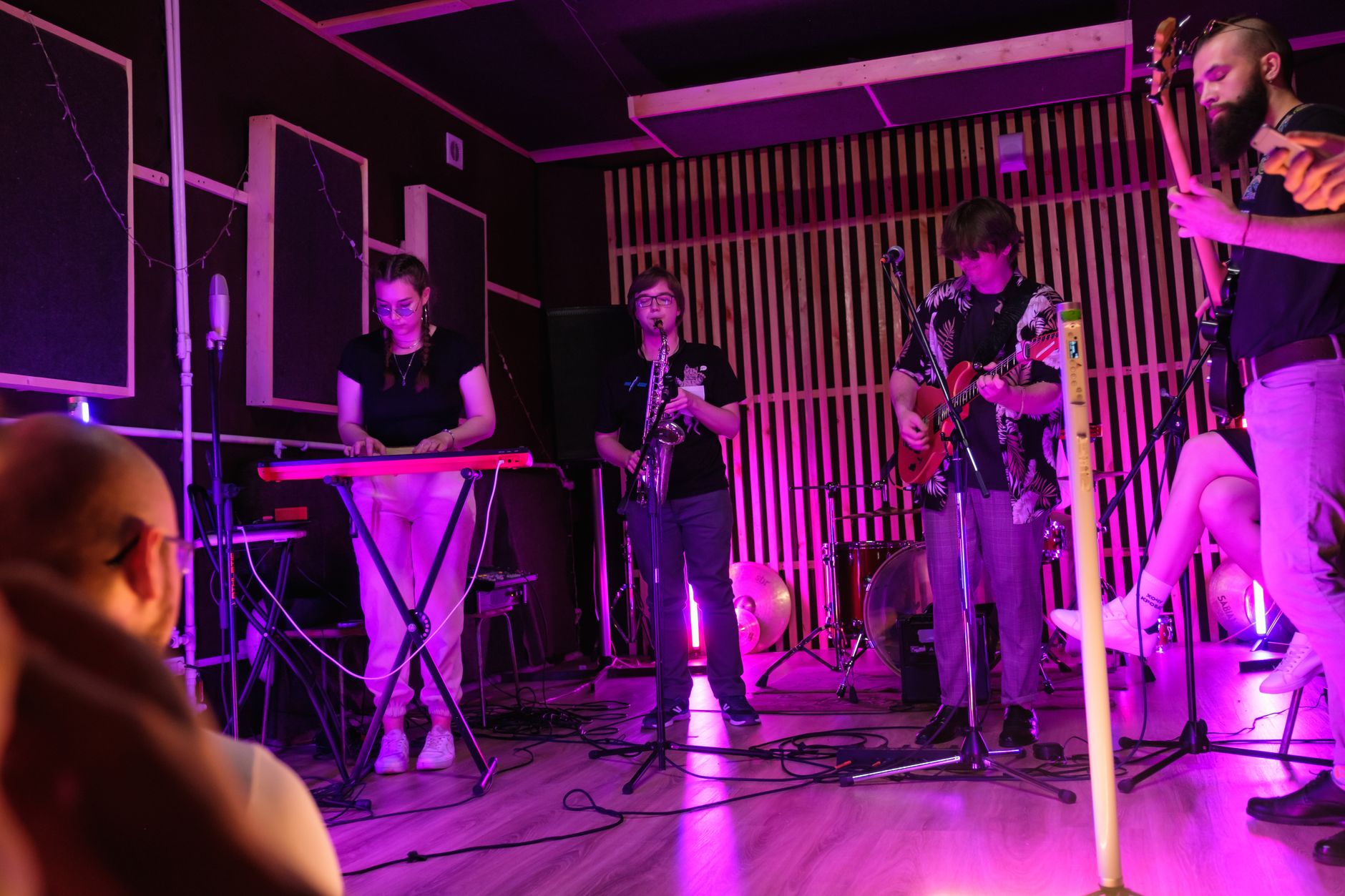
Quietly, a countermovement is forming. Limited-capacity events with no social media policies, invitation-only gatherings where your phone goes in a locked pouch, curated weekends capped at 200 people. These aren't festivals—they're deliberate retreats from festival culture's excesses. The organizers understand what the mega-events have forgotten: memory requires attention, and attention requires constraints. Scarcity, it turns out, wasn't a bug to optimize away. It was the entire point.