Remember when Beyoncé appeared unannounced at Coachella 2018 during Destiny's Child's set and the internet actually broke? That gasp-worthy moment feels like ancient history now. Today's surprise guest appearances are about as shocking as a Starbucks on every corner—pre-leaked, heavily photographed during rehearsals, and instantly drained of their supposed spontaneity by the very infrastructure designed to amplify them.
The cameo economy has become bloated, predictable, and desperately transparent. What was once a genuine jolt of delight has devolved into a marketing beat, a contractual obligation, a box to tick. Here's how we killed the thing we loved.
Social Media Killed the Element of Surprise
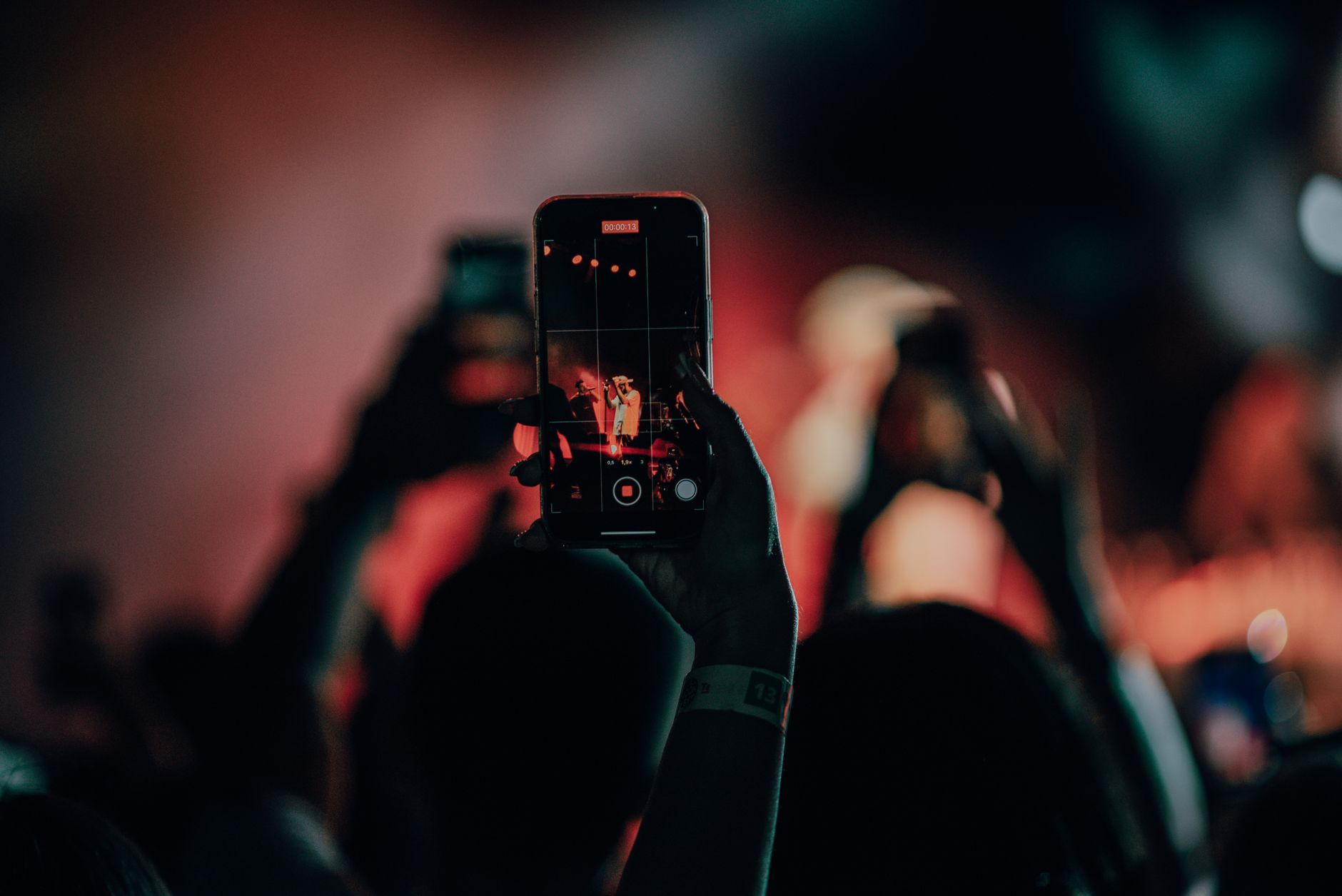
The moment a celebrity's private jet lands in a city where another star is performing, flight-tracking accounts blow up the spot. Paparazzi camp outside rehearsal venues. TikTokers stationed at stage doors live-stream loading dock activity. By the time the "surprise" guest walks onstage, half the audience already knows, and the other half is holding up phones instead of losing their minds. The infrastructure of virality has become the enemy of genuine shock.
Studios Weaponized Nostalgia Into Obligation
Marvel didn't just normalize the post-credits cameo—it turned fan service into a binding contract, a promise that every property must genuflect to its shared universe. Now we don't wonder *if* there'll be a legacy character cameo in the new superhero film, we wonder which one and for how long. When Andrew Garfield spent months lying about being in *No Way Home*, the deception felt less like protecting magic and more like protecting a product launch. The surprise isn't the appearance anymore; it's if they manage not to do one.
The Taylor Swift Effect Made Cameos Transactional
Swift's Eras Tour became a celebrity cameo carousel, with A-listers rotating through for their allotted three minutes of dual spotlight. But the choreographed nature—the matching outfits, the practiced harmonies, the immediate social media roll-out—revealed the truth: these aren't spontaneous moments of artistic collaboration, they're content partnerships with friendship branding. When every stop features a different famous friend, none of them feel special. It's not a cameo; it's a programmed feature.

Streaming Platforms Turned Surprises Into Spoilers
Remember when Han Solo appeared in *The Mandalorian* finale and Disney+ immediately plastered his face across every promotional tile, homepage banner, and recommendation algorithm? Streaming services are fundamentally incapable of keeping secrets because their business model depends on converting every moment into marketing material within minutes of release. The spoiler has become the strategy. Why preserve the surprise for future viewers when you can convert it into next-day subscriber bait?

We Confused Spectacle With Significance
The best cameos were never about scale—they were about meaning. When Brad Pitt showed up for eight seconds in *Deadpool 2*, it worked because it was genuinely unexpected and absurdly brief. But the industry learned the wrong lesson, assuming bigger meant better. Now we get entire acts restructured around guest appearances, press cycles designed to tease them, and acceptance speeches thanking people for "saying yes to the cameo." We've optimized surprise into a production category. The cameo hasn't died—we performed an autopsy on it while it was still breathing.