Within minutes of Matthew Perry's death, TikTok flooded with meticulously edited montages—Chandler Bing's best moments set to Phoebe Bridgers, dissolving into black screens with birth and death dates in Helvetica. Not from Entertainment Tonight or CNN, but from @friendsstan2847 and @90stvobsessed. The fancam, once reserved for pop star worship and K-pop idol promotion, has become our generation's eulogy.
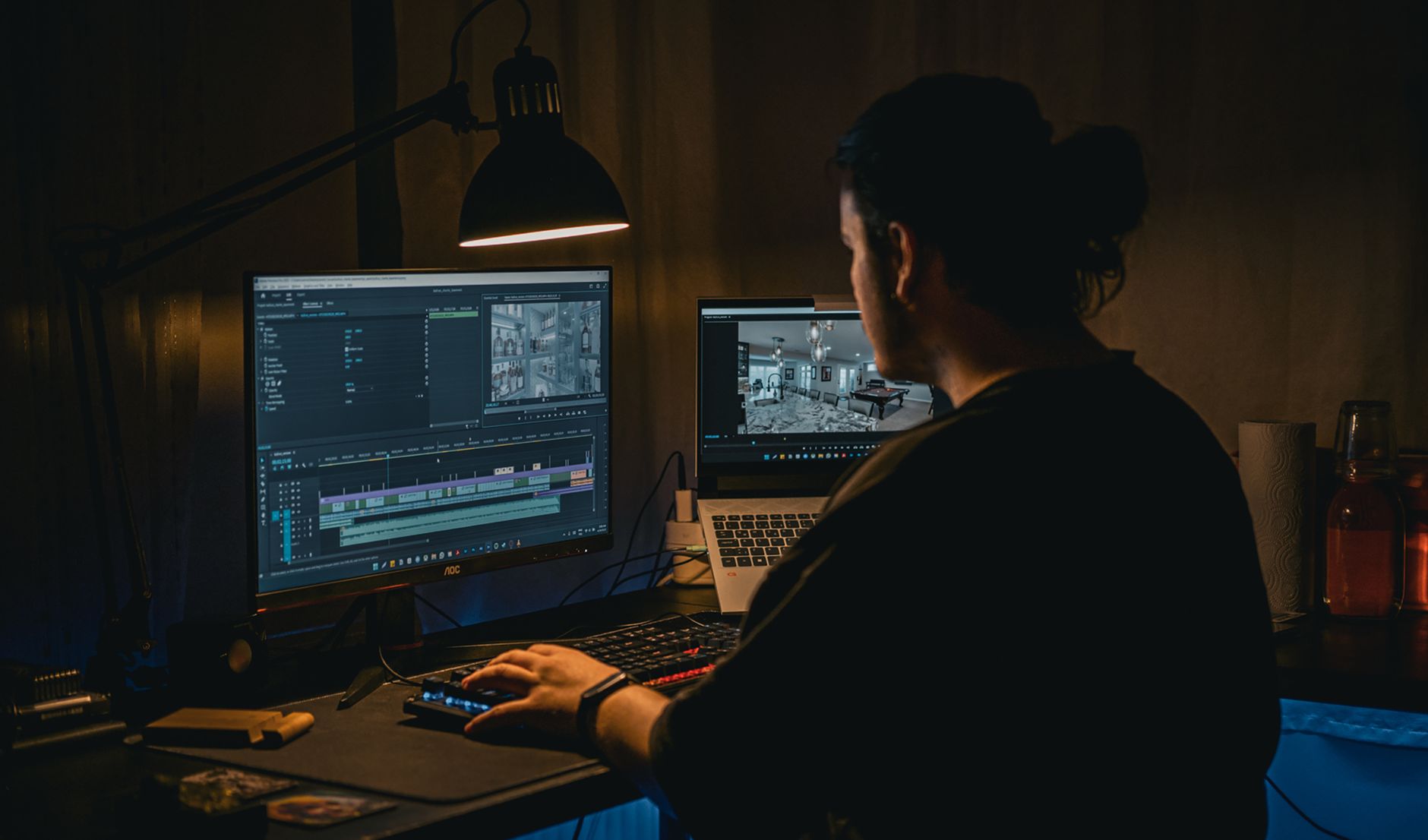
This isn't casual social media posting. These are technically sophisticated three-minute video essays, often uploaded while major news outlets are still confirming details. They've replaced the think piece, the magazine tribute, even the memorial television special as the primary way millions of people—especially those under 35—first encounter, process, and share their grief over celebrity deaths. The shift reveals something uncomfortable about contemporary mourning: it's performed, algorithmic, and oddly competitive.
The Speed Economy of Grief Content
The first comprehensive Tina Turner tribute video appeared on YouTube eleven minutes after news broke. Eleven minutes. Fans now maintain what amount to pre-prepared obituary packages—archived footage, licensed music, templated graphics—ready to deploy the moment TMZ tweets. This isn't ghoulish; it's pragmatic. In the attention economy, being first means your grief gets seen, shared, monetized. Traditional media can't compete with this speed, which is precisely why their cultural authority over death narratives has evaporated. The fancam creator gets the views, the followers, sometimes the advertising revenue. Mourning has a golden hour now, and fans know it.

Algorithmic Mourning Rewards Emotional Manipulation
The most successful celebrity death fancams follow a formula so consistent it's practically an API: upbeat clips (remember when they were happy?), transition to somber music, childhood photos, the phrase "forever in our hearts," fade to black. It works because platforms reward watch time and engagement, and nothing generates both like manufactured emotional crescendos. Creators have learned to engineer catharsis at the 1:47 mark, right before viewers might scroll away. We're not just watching tributes; we're being algorithmically manipulated into deeper parasocial grief, which keeps us on platform longer. The videos that make us cry hardest perform best, so creators optimize for tears.

Fan Editors as Unauthorized Biographers
These aren't random clip compilations—they're narrative arguments about who the celebrity was and what they meant. A Sinéad O'Connor fancam might emphasize her activism over her music, her trauma over her talent, depending on the creator's angle. Fans have seized biographical authority from journalists and estates, curating legacy in real-time with zero editorial oversight. Some are stunningly insightful; others are reductive disaster. But they're what millions watch instead of reading a New York Times obituary, which means fan editors—typically anonymous teenagers with no training—now shape public memory. The cultural gatekeepers didn't lose this power; they simply stopped being relevant to how information moves.

The Grief-Trending Complex
Celebrity deaths now generate predictable content cycles: fancams, reaction videos, "explaining their impact to Gen Z" explainers, drama over who's mourning correctly, discourse about the discourse. Each death becomes a multi-day trending topic with trackable engagement metrics and identifiable peak hours. Brands have learned to pause advertising; creators have learned when to post for maximum visibility. There's an entire parasitic economy around these moments—commentary channels analyzing the fancams, TikTokers stitching themselves crying to them, Spotify seeing streams spike. We've industrialized mourning into content infrastructure, which maybe explains why it all feels simultaneously genuine and performative, intimate and grotesquely public.
When Virality Replaces Ritual
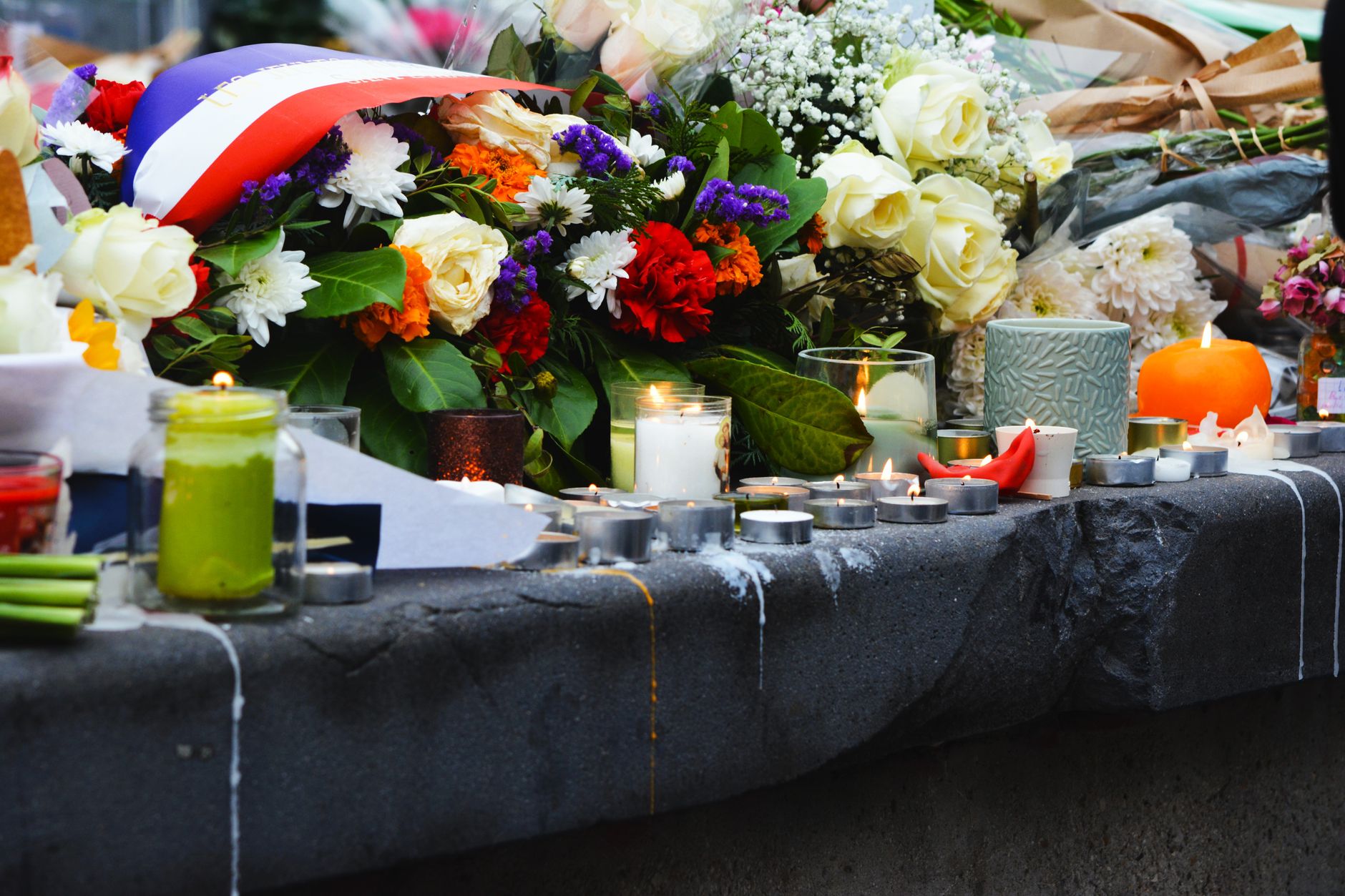
Previous generations had established mourning rituals: memorial services, magazine commemorative issues, television specials that aired weeks later with proper reflection time. Those created temporal and emotional boundaries around grief. Fancams offer none of that. They're immediate, infinite, algorithmically resurfaced weeks later when you've moved on. There's no closure, just content that keeps circulating. The same Chadwick Boseman tribute video can make you cry in August 2020, then again when it's recommended in February 2023, then again when someone reposts it with new caption. We're trapped in a permanent present-tense of grief, constantly re-experiencing loss because the algorithm has determined these videos keep us engaged. It's not that we're mourning wrong—it's that we never actually finish mourning at all.