The coffee table book—that dependable stack of Taschen monographs, Assouline travel guides, and fashion retrospectives—has quietly exited stage left. In its place, a new aesthetic language: singular objects that command attention without saying a word. Think hand-thrown ceramics, vintage lighters, lacquered boxes from obscure auction houses, fossils in lucite cases.
This isn't minimalism. It's curation as autobiography. The people redecorating their living rooms right now aren't reaching for the latest Phaidon release. They're hunting eBay for mid-century ashtrays, commissioning sculptural bowls from emerging ceramicists, and displaying objects that refuse to be categorized. What changed? Everything and nothing. The shift is about legibility in an image-saturated world—and choosing intrigue over explanation.
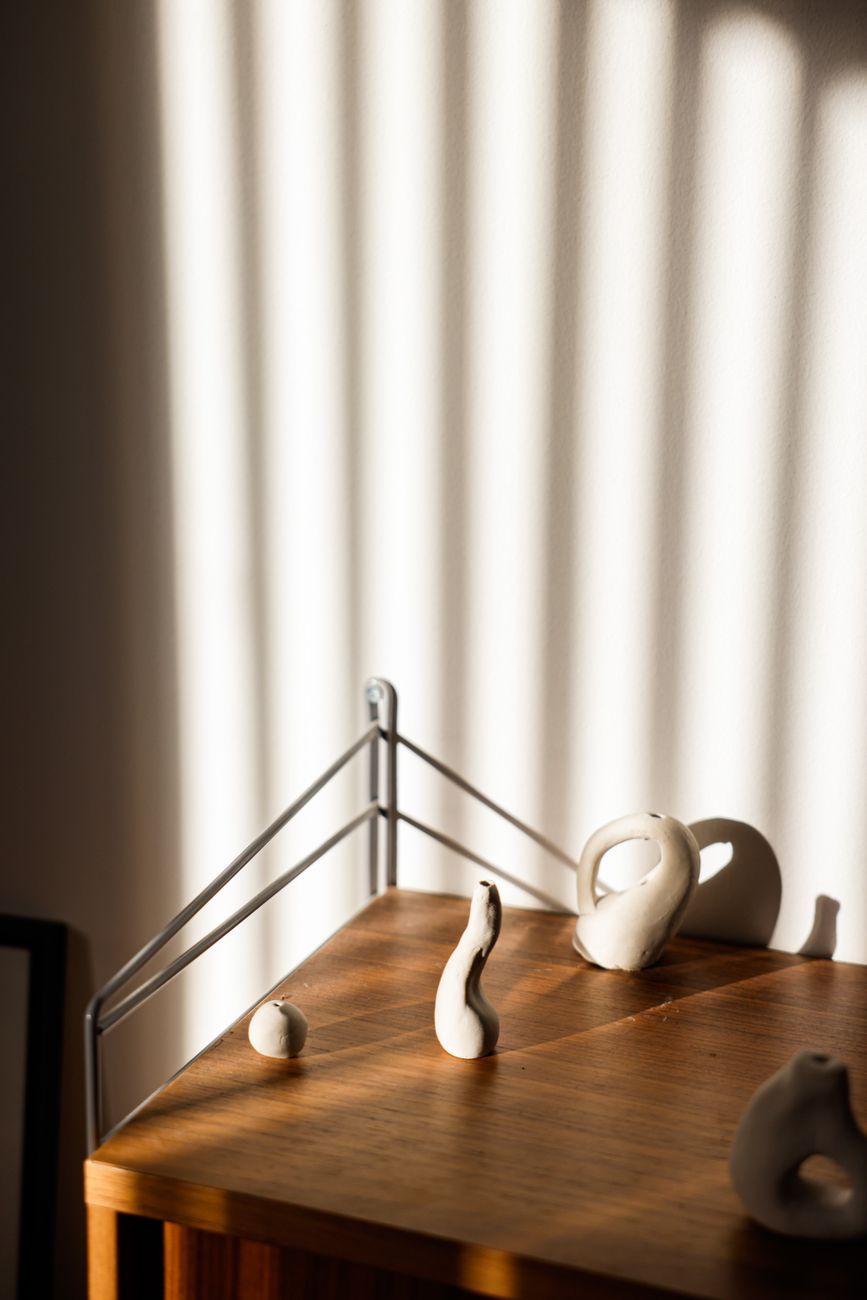
Objects photograph better than spines
Instagram killed the book stack. A tower of coffee table books reads as décor filler—predictable, indexable, already seen. But a single object with form and texture? That creates a question mark. It stops the scroll. The shift is ruthlessly pragmatic: in a visual economy, objects deliver more mystery per square inch than any book spine ever could, even the chicest ones.

Collecting signals taste better than reading does
The coffee table book always performed a specific function: broadcasting your interests to guests in a legible, approachable way. But that clarity now feels gauche. Today's taste-makers prefer the illegible—a 1970s Italian paperweight, a piece of petrified wood, a brass object with no obvious purpose. These things require context, conversation, a story. They don't hand you the answer. They make you ask.

The Cabinet of Curiosities is back, but make it modern
We're watching the return of Wunderkammer sensibility, filtered through contemporary minimalism. Instead of shelves groaning with books, people are installing single objects on plinths, in glass domes, under focused lighting. The reference points are museum vitrines and gallery pedestals, not personal libraries. The intent is to elevate, isolate, and frame—treating the coffee table as exhibition space rather than storage.
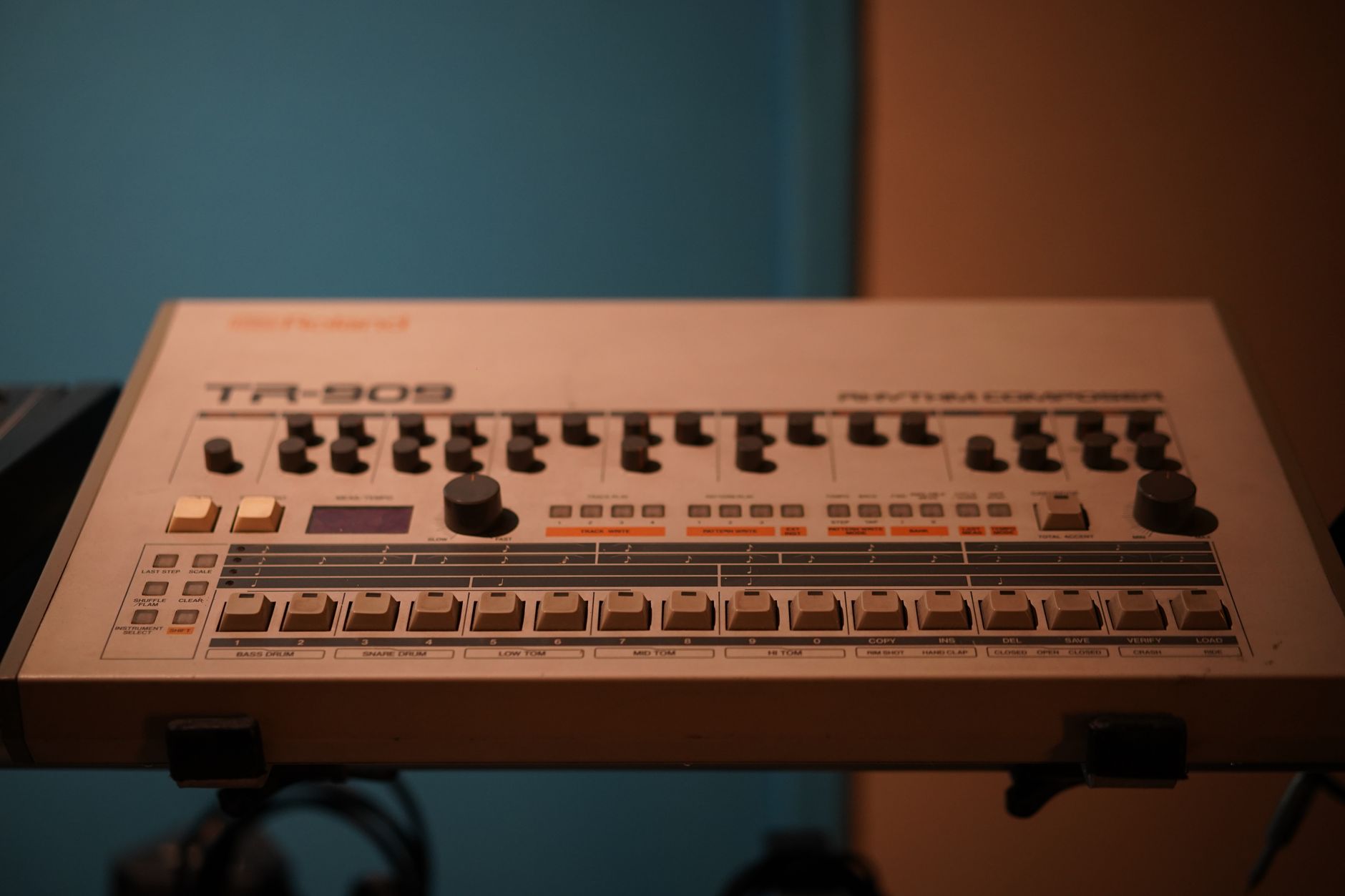
Vintage beats new, always
New coffee table books arrive monthly, which makes them inherently disposable. But a 1960s Murano glass sculpture or a tarnished Georgian snuff box? That's a find. The vintage object economy has exploded precisely because provenance trumps publication date. Scarcity is the new luxury, and you can't print more of something that was made fifty years ago. The thrill isn't in buying—it's in hunting.

Functionality is optional, form is mandatory
Coffee table books at least pretended to be useful—you could flip through them, loan them out, reference them. The new objects make no such claims. A marble sphere serves no purpose. A ceramic vessel with no opening holds nothing. And that's precisely the point. In a world optimized for utility, choosing beauty without function is the ultimate flex. It says: I have space for things that simply exist.
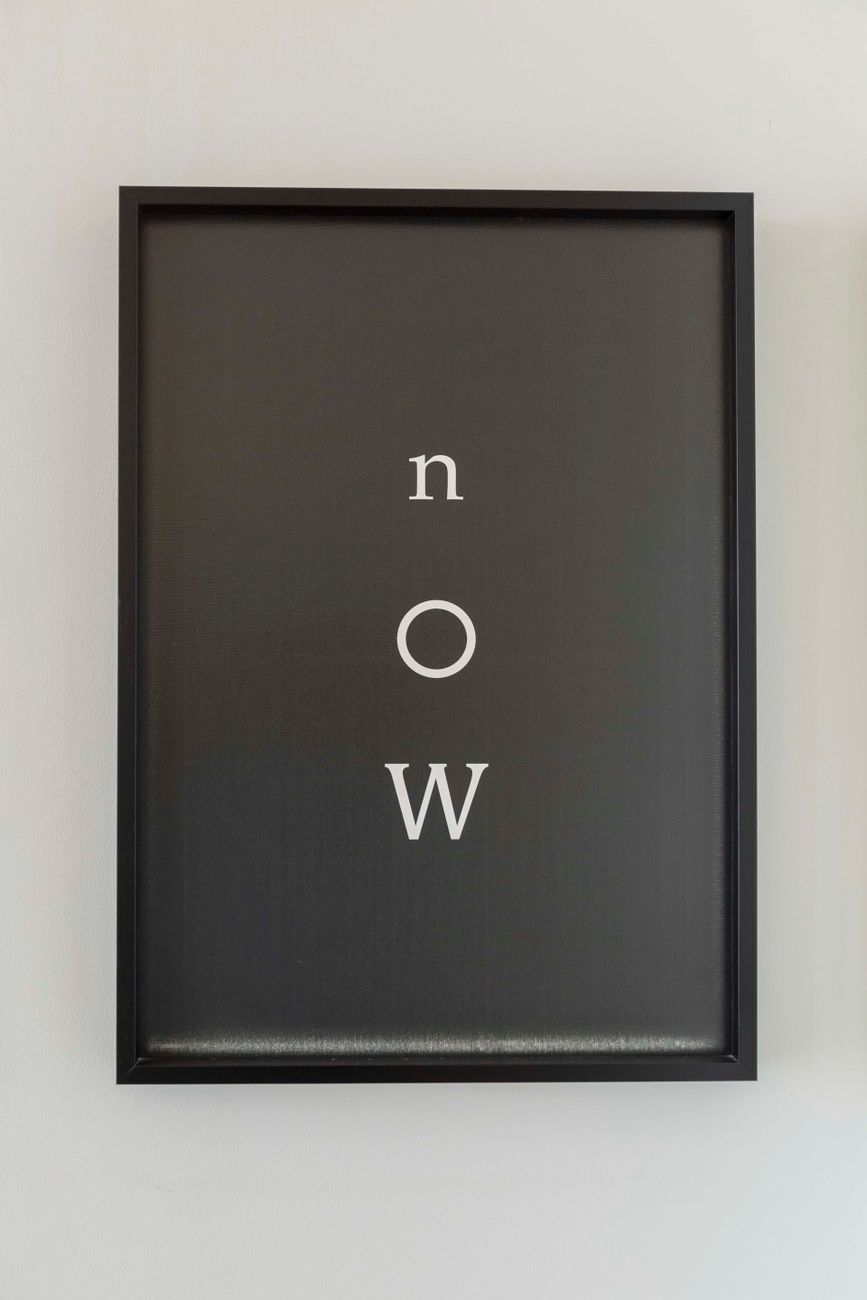
The art world is selling to your living room now
Galleries have noticed. Emerging artists are producing "accessible" sculptures and objects priced between $500 and $5,000—the sweet spot where serious collectors and design-conscious buyers overlap. These aren't knick-knacks; they're small-scale artworks positioned as functional décor. The coffee table has become an entry point into collecting, and artists are designing accordingly. It's democratization through the back door.

Books explain too much; objects let you project
A book about Japanese gardens tells guests you're interested in Japanese gardens. Obvious. Linear. But place a blackened ceramic form on that same table and suddenly the interpretation splits open. Is it brutalist? Wabi-sabi? A sculpture or a vessel? The ambiguity is the appeal. In an era of personal branding and over-sharing, choosing objects that resist easy categorization is a small act of withholding—and that feels radical.

The trend is really about rejecting mass taste
Coffee table books became shorthand for aspirational conformity: everyone bought the same Helmut Newton monograph, the same Slim Aarons collection. The object trend is a correction. When you place something truly unusual on your coffee table—something without a brand name or a Wikipedia page—you're opting out of the shared reference pool. It's not about being different for its own sake. It's about making legibility harder to achieve, and meaning something only you control.
- Objects photograph better than spines
- Collecting signals taste better than reading does
- The Cabinet of Curiosities is back, but make it modern
- Vintage beats new, always
- Functionality is optional, form is mandatory
- The art world is selling to your living room now
- Books explain too much; objects let you project
- The trend is really about rejecting mass taste