The Opal 2.0 nugget ice maker sits on kitchen counters like a trophy. At $579, it churns out soft, chewable pellets—the kind Sonic drive-ins made famous—and its owners discuss it with the fervor usually reserved for luxury cars. On TikTok, unboxing videos rack up millions of views. In group chats, ice preferences have become personality indicators. We've arrived at a moment where frozen water carries social weight.
This isn't about refreshment anymore. It's about signaling taste, demonstrating commitment to marginal improvements, and finding identity in appliances. The luxury ice movement spans $400 countertop machines to $8,000 built-ins that produce perfectly clear cubes. What began as a restaurant industry standard has infiltrated domestic life, transforming ice from afterthought to centerpiece. Eight things happening in the frozen frontier of consumer desire.
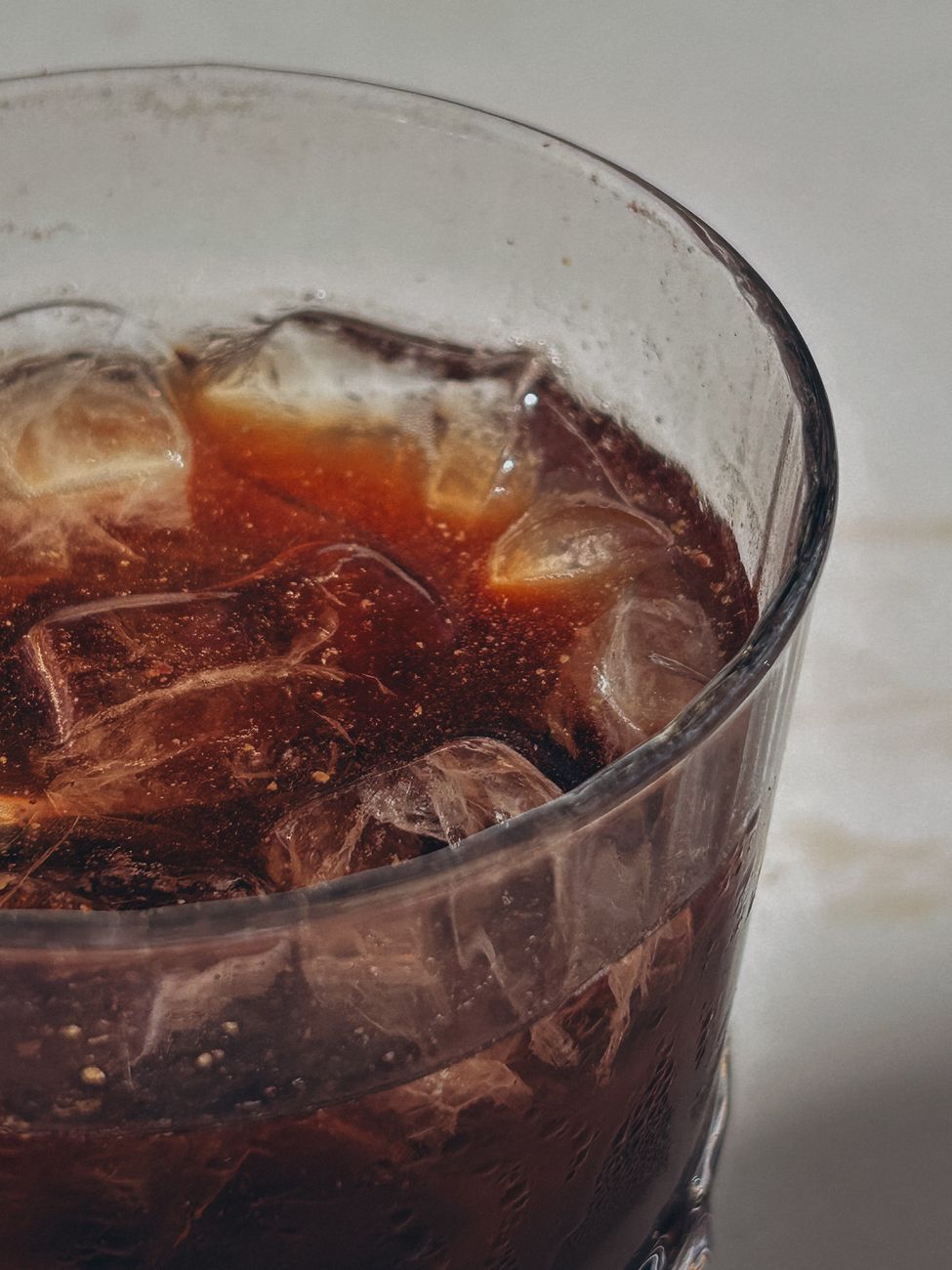
Nugget ice became the gateway drug to appliance obsession
Sonic's pellet ice—porous, soft, endlessly chewable—created a cult following that GE's Opal machine monetized brilliantly. The texture hits differently: it absorbs flavor, crunches without jarring your teeth, and somehow feels more hydrating. People who once drove to Sonic just for the ice now produce it at home, filming their machines like proud parents. The Opal's success proved that consumers would pay luxury prices for a specific mouthfeel, opening the floodgates for specialized ice as lifestyle product.

Clear ice means you care about things that don't matter (affectionate)
Directional freezing machines that produce transparent cubes—free from the cloudiness caused by trapped air and impurities—now dominate kitchen remodel wishlists. Clarity serves no functional purpose in your Tuesday night Old Fashioned, but it signals attention to detail that borders on compulsive. These machines use the same slow-freeze methods as high-end cocktail bars, and owning one announces you've optimized past necessity into pure aesthetic territory. It's conspicuous consumption for people who think they're above conspicuous consumption.

Your ice shape is the new astrological sign
Crescent, cube, nugget, sphere, spear—ice geometry has become a proxy for personality typing. Nugget people are fun, maybe a little chaotic. Clear cube enthusiasts value precision. Sphere makers take cocktails seriously, perhaps too seriously. The shape you prefer reveals whether you prioritize function, aesthetics, or the specific way ice melts in liquid. Online communities have formed around these preferences, complete with the mild judgment that accompanies any identity-based sorting system.

The kitchen counter has become a status symbol battlefield
Standalone ice makers join espresso machines, stand mixers, and Dutch ovens in the visible competence Olympics. These aren't hidden in cabinets—they're displayed, often in metallic finishes that photograph well. The message: I have counter space to dedicate to single-use equipment, and I've thought deeply enough about my ice needs to invest accordingly. It's the same impulse that drives Le Creuset collections, but with the added benefit of producing something you consume daily, justifying the expense through sheer volume.

Restaurants accidentally created a home market by being too good
Craft cocktail bars raised ice standards to the point where home drinking felt inadequate. Once you've had a drink with hand-carved ice that melts slowly and looks like jewelry, refrigerator dispenser ice tastes like compromise. The hospitality industry's pursuit of excellence created consumer dissatisfaction that manufacturers gleefully exploited. Now people replicate restaurant-quality ice at home, not because they need to, but because they've been shown what's possible and can't unsee it.
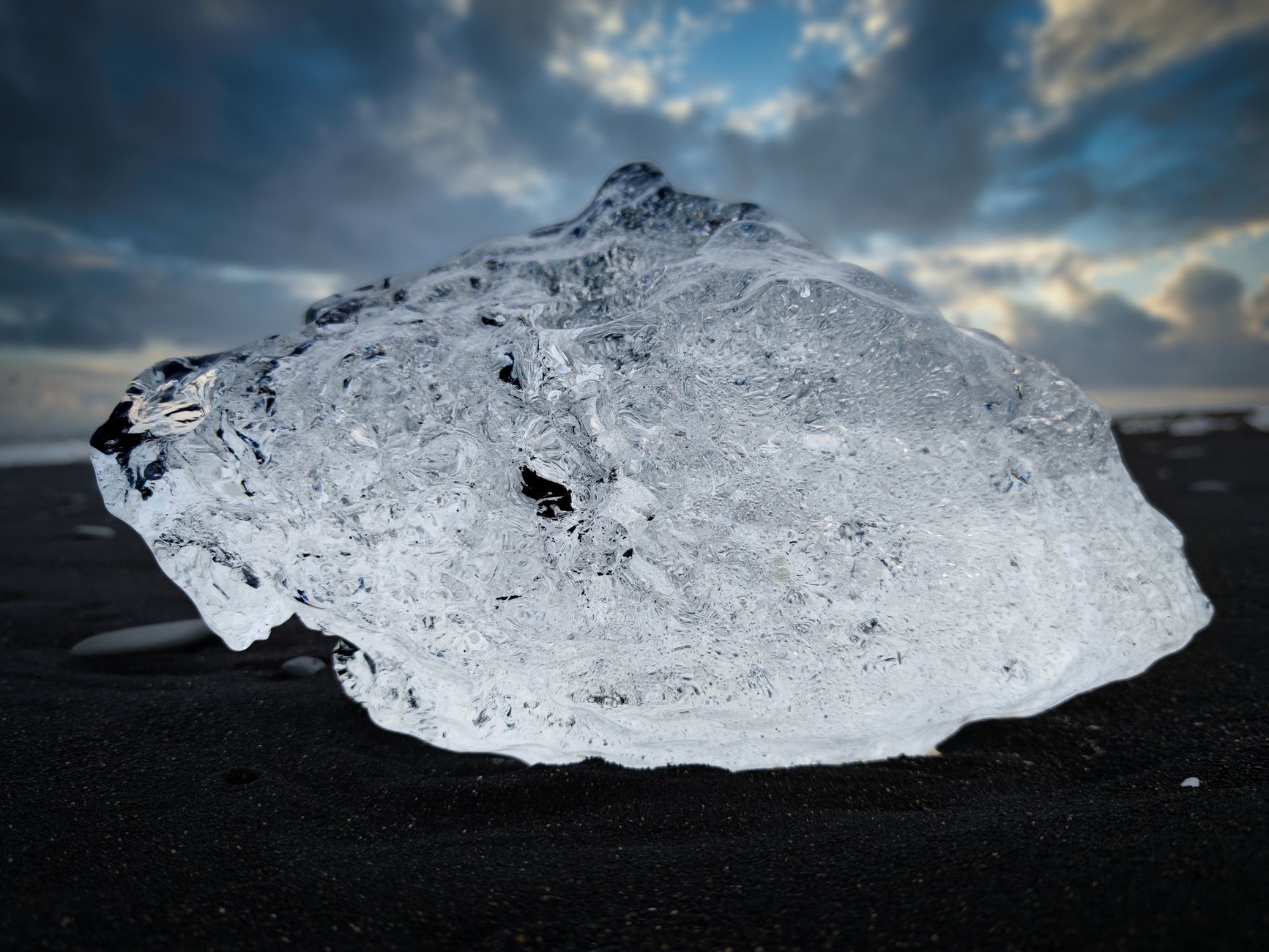
Climate guilt makes luxury ice even more absurd (we're doing it anyway)
Running a dedicated ice machine in your home—using electricity and water to freeze something you could make for free—carries obvious environmental irony that owners acknowledge with sheepish humor. The cognitive dissonance is part of the appeal: it's so unnecessary that it becomes a private joke about late capitalism. We're paying hundreds of dollars and burning energy to produce frozen water in specific shapes while glaciers melt. The absurdity is the point. Self-awareness doesn't stop the behavior; it just adds a layer of knowing complicity.

Ice content is the new food porn, somehow
TikTok and Instagram have made ice visually compelling through close-up pours, satisfying crunches, and ASMR-friendly sounds. Watching nugget ice tumble into a cup generates millions of views. The appeal is textural and auditory—that specific sound of ice hitting liquid, the visual of condensation forming on glass. Creators have turned restocking ice bins into content, filming their Opal machines with the same reverence beauty influencers give skincare routines. Frozen water has become genuinely watchable, which might be the strangest development in content culture this year.

The $8,000 built-in proves there's no ceiling to niche optimization
High-end built-in ice makers from brands like True and U-Line cost more than most people's entire kitchen appliance budget, producing absurd quantities of perfect ice in multiple formats. These aren't impulse purchases—they're planned into renovations, taking up cabinet space that could hold actual food. The existence of an eight-thousand-dollar ice machine proves that every micro-desire can be monetized if you find the right audience. Someone will always pay more for marginal gains, and manufacturers have learned that kitchen optimization knows no upper limit. We've reached the point where ice—literally frozen tap water—justifies luxury pricing, premium materials, and installation appointments.
- Nugget ice became the gateway drug to appliance obsession
- Clear ice means you care about things that don't matter (affectionate)
- Your ice shape is the new astrological sign
- The kitchen counter has become a status symbol battlefield
- Restaurants accidentally created a home market by being too good
- Climate guilt makes luxury ice even more absurd (we're doing it anyway)
- Ice content is the new food porn, somehow
- The $8,000 built-in proves there's no ceiling to niche optimization