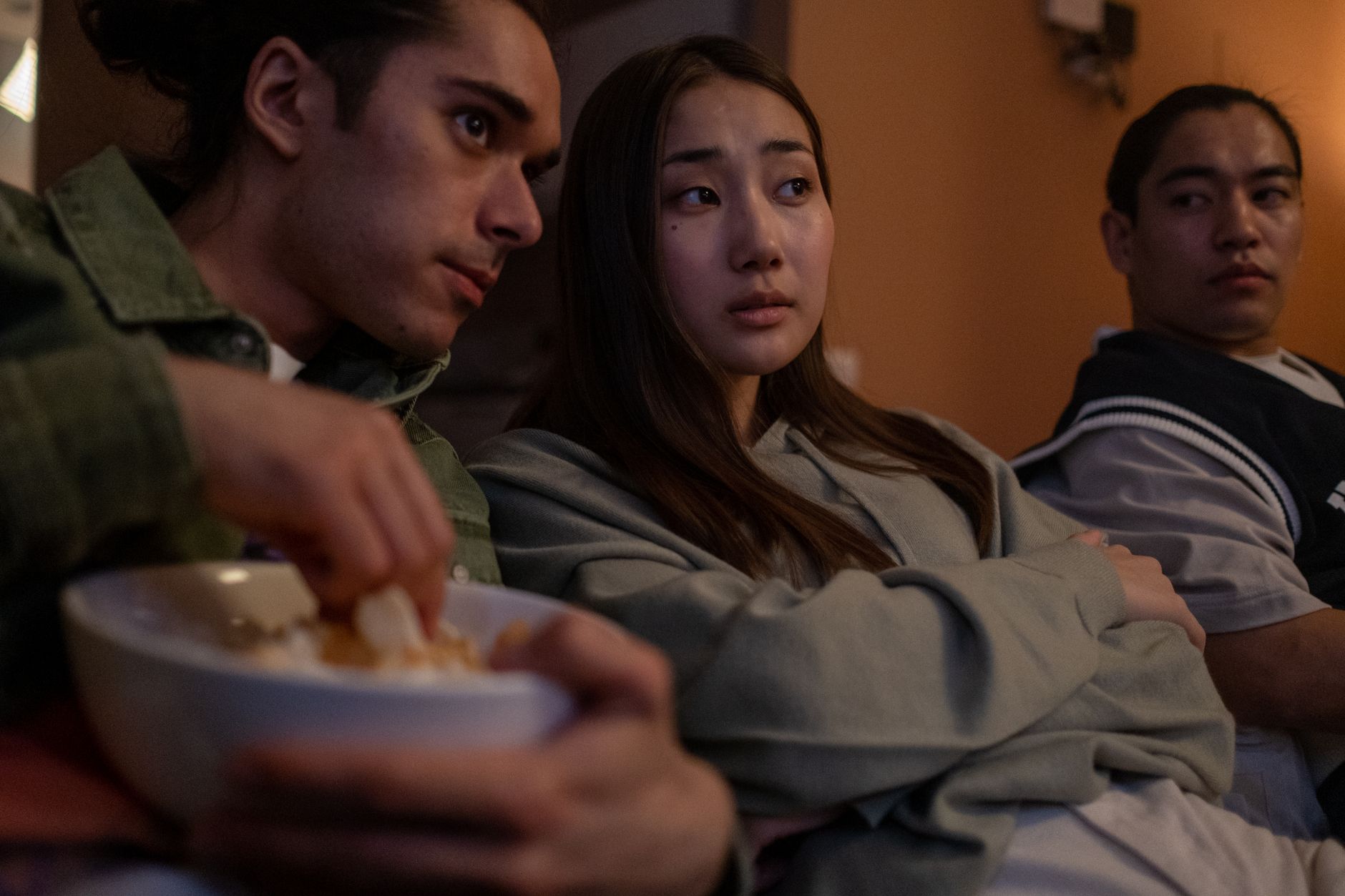
The opening act used to be a rite of passage—twenty minutes to win over a hostile crowd, acoustic-panel venues thick with cigarette smoke and indifference. You cut your teeth there. Built stamina. Learned to perform for people who hadn't paid to see you. Now that proving ground is vanishing, and the entire architecture of artist development is collapsing with it.
Blame festivals that taught audiences to curate their own nights, skipping between stages like changing playlists. Blame streaming economics that make touring the only revenue stream, forcing headliners to maximize ticket prices and stage time. Blame algorithmic discovery that replaced the opening slot's function entirely. Eight trends dismantling a system that once built careers.
Festival Culture Normalized Set-Hopping
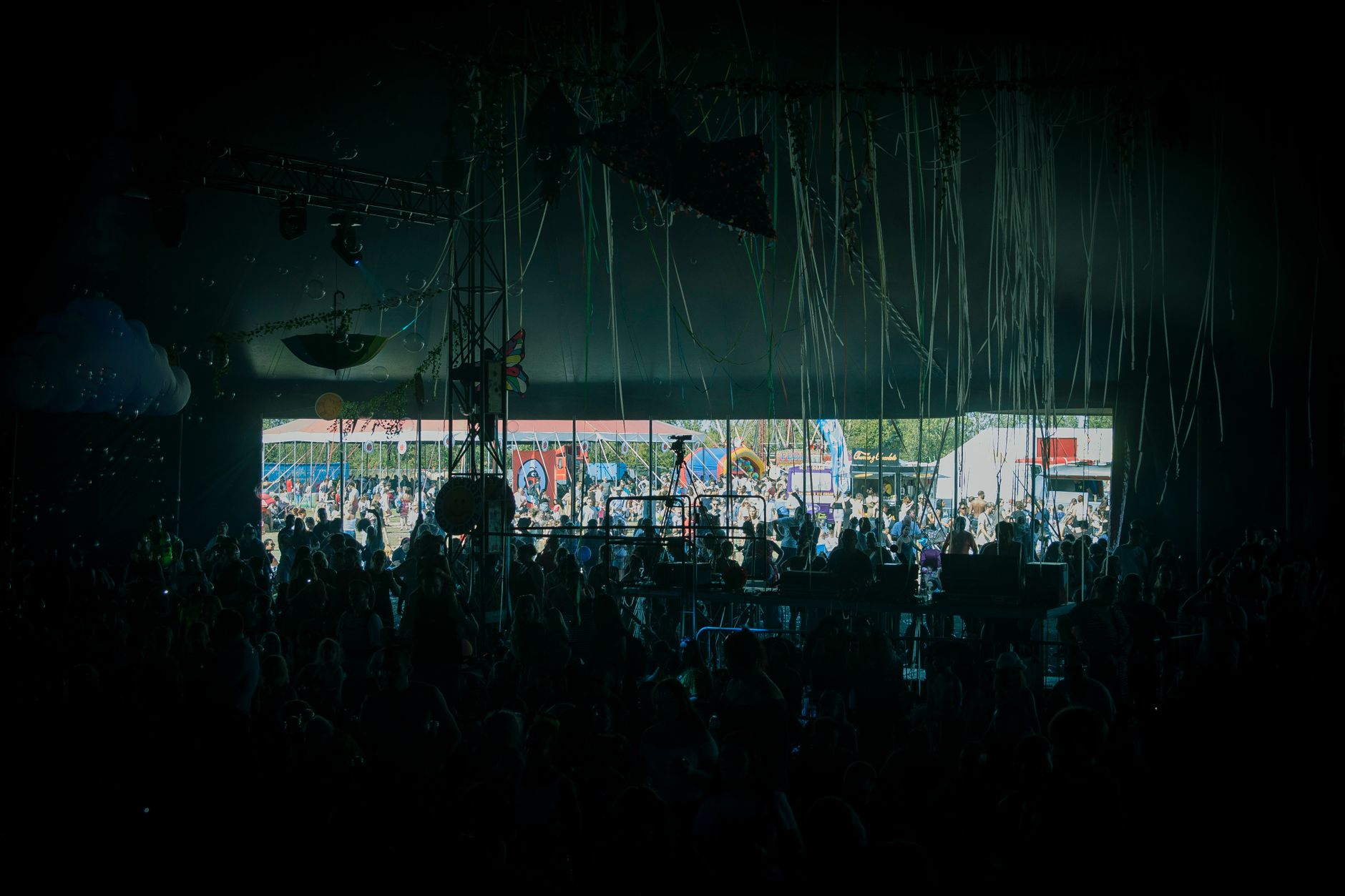
Coachella and Lollapalooza trained an entire generation to treat live music like buffet dining—sample, move on, skip what doesn't immediately satisfy. The festival model killed patience for buildup, for sitting through unknown artists because you're already in your seat. Why endure a warmup when you can check your app and sprint to another stage? The opening act made sense when concerts were destination experiences. Now they're content libraries you navigate in real time.
Streaming Replaced Discovery Through Exposure
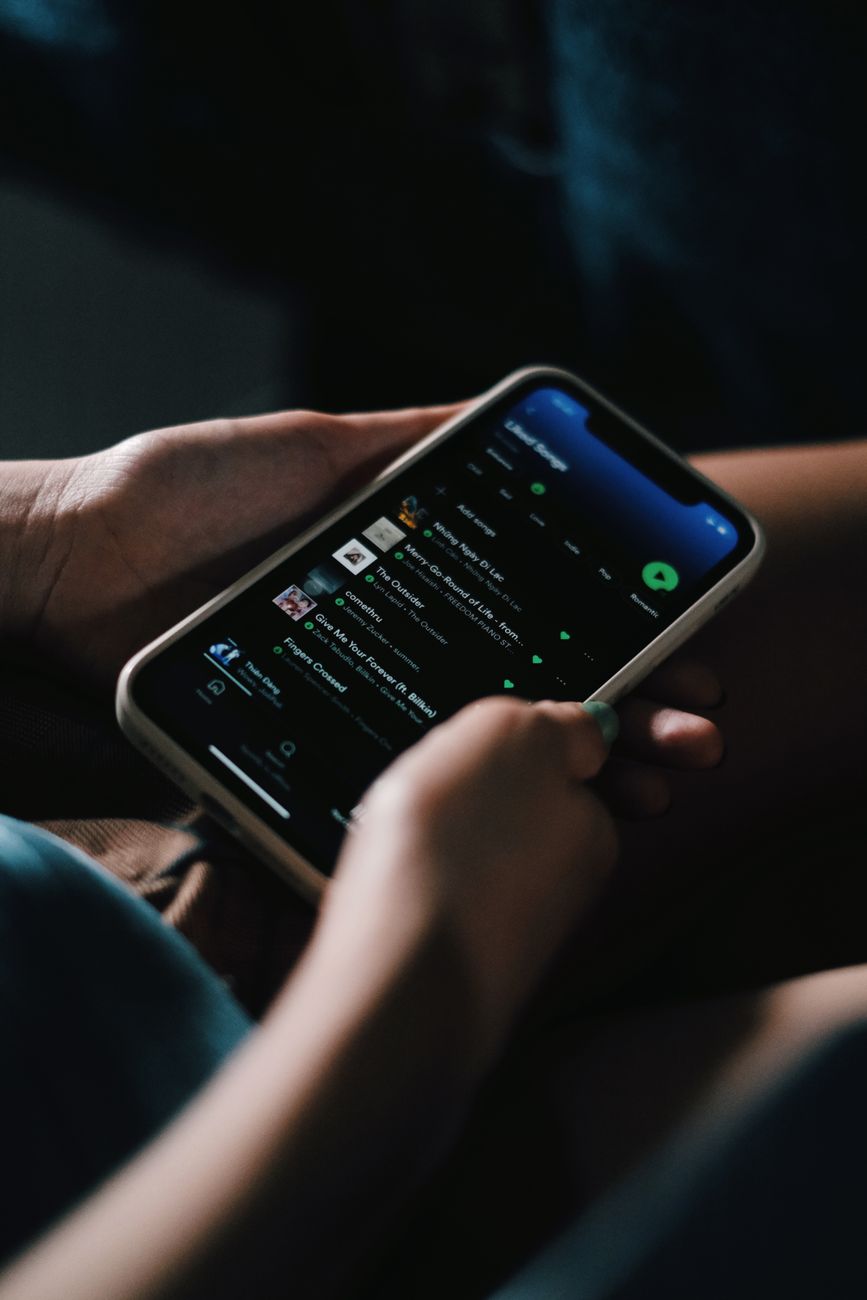
The opening slot's original purpose was artist discovery—labels used it to break new acts by forcing exposure. Spotify's Discover Weekly does that job now, along with TikTok's algorithm and Instagram Reels. Audiences arrive at concerts already knowing exactly what they want, their taste pre-algorithmed. The idea of discovering a band by accident, through the inefficiency of a live warmup, feels almost quaint. Discovery is now a solitary, digital experience, not a communal one.

Touring Economics Killed the Support Slot
Headliners can't afford generosity anymore. With recorded music revenue gutted, touring is the primary income source, which means maximizing stage time and ticket prices. Cutting the opener adds thirty minutes to the main set, justifies premium pricing, and eliminates the risk of an underwhelming warmup souring the crowd. The economics are brutal: why split the night when you can own it entirely? The opening act is a luxury from an era when artists had multiple revenue streams.

Audiences Now Arrive Late on Purpose
Doors at seven, headliner at nine-thirty. Everyone knows the calculus. Audiences have learned to game the system, arriving precisely when they want to, skipping the preamble entirely. Social media telegraphs set times in real-time, killing the surprise and the obligation to arrive early. The opening act performs to a half-empty room that fills like a slow tide, which demoralizes performers and signals to venues that the slot serves no function. Punctuality died when we all got smartphones.
The DJ Set Replaced the Traditional Opener
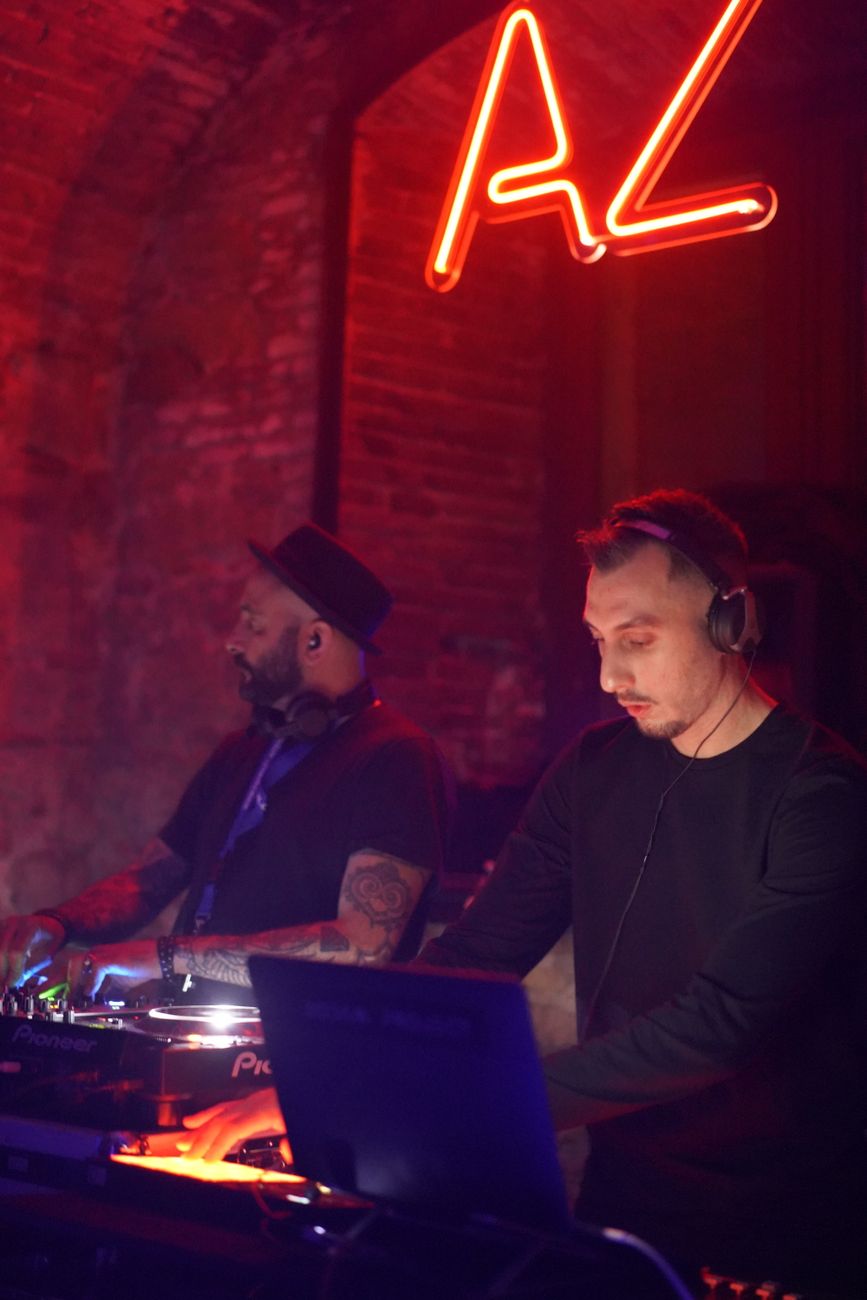
Where opening acts once stood, there's now a DJ playing Spotify-ready crowd-pleasers—no soundcheck, no tour costs, no variability. It's atmospheric furniture, not a performance. Venues prefer it because it's predictable and cheap. Audiences don't mind because they're not expected to pay attention, just vibe while they buy drinks and find their spots. The DJ warmup is the opening act stripped of its developmental purpose, reduced to pure utility.

Direct-to-Fan Paths Bypassed Gatekeepers
Artists no longer need the exposure ladder of opening slots leading to headlining tours. They build audiences directly—through TikTok virality, Patreon subscriptions, YouTube channels, SoundCloud drops. By the time they tour, they're already headliners to their niche, skipping the apprenticeship phase entirely. The old pathway was linear: open for bigger acts, steal their fans, grow. The new one is fragmented, algorithmic, and doesn't require paying dues in half-empty theaters.

Co-Headlining Tours Eliminated Hierarchy
Co-headlining erased the support dynamic, replacing hierarchy with parity. Two established acts split the bill, alternate closing duties by city, and share costs. It's pragmatic and egalitarian, but it obliterates the traditional structure where emerging artists learned from veterans. There's no mentorship, no passing of the torch—just two brands collaborating for mutual economic benefit. The romance of the opening slot was always its inequality, the chance to absorb wisdom from higher up the ladder.
TikTok Virality Created Instant Headliners
One viral sound, twenty million views, and suddenly you're selling out clubs—without ever opening for anyone. TikTok collapses the timeline, turning bedroom producers into headline acts overnight. The gradual apprenticeship the opening slot provided is incompatible with this velocity. Why grind through thankless warmup gigs when you can manufacture virality and headline immediately? The death of the opener isn't just structural—it's philosophical, a rejection of the idea that mastery requires incremental steps.
- Festival Culture Normalized Set-Hopping
- Streaming Replaced Discovery Through Exposure
- Touring Economics Killed the Support Slot
- Audiences Now Arrive Late on Purpose
- The DJ Set Replaced the Traditional Opener
- Direct-to-Fan Paths Bypassed Gatekeepers
- Co-Headlining Tours Eliminated Hierarchy
- TikTok Virality Created Instant Headliners